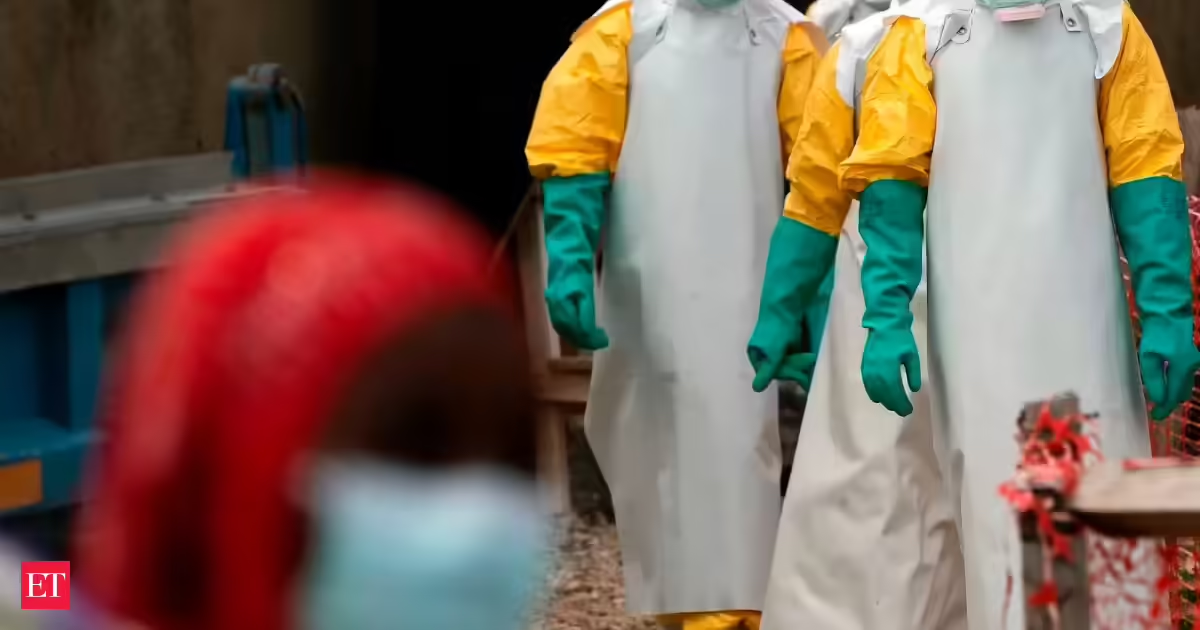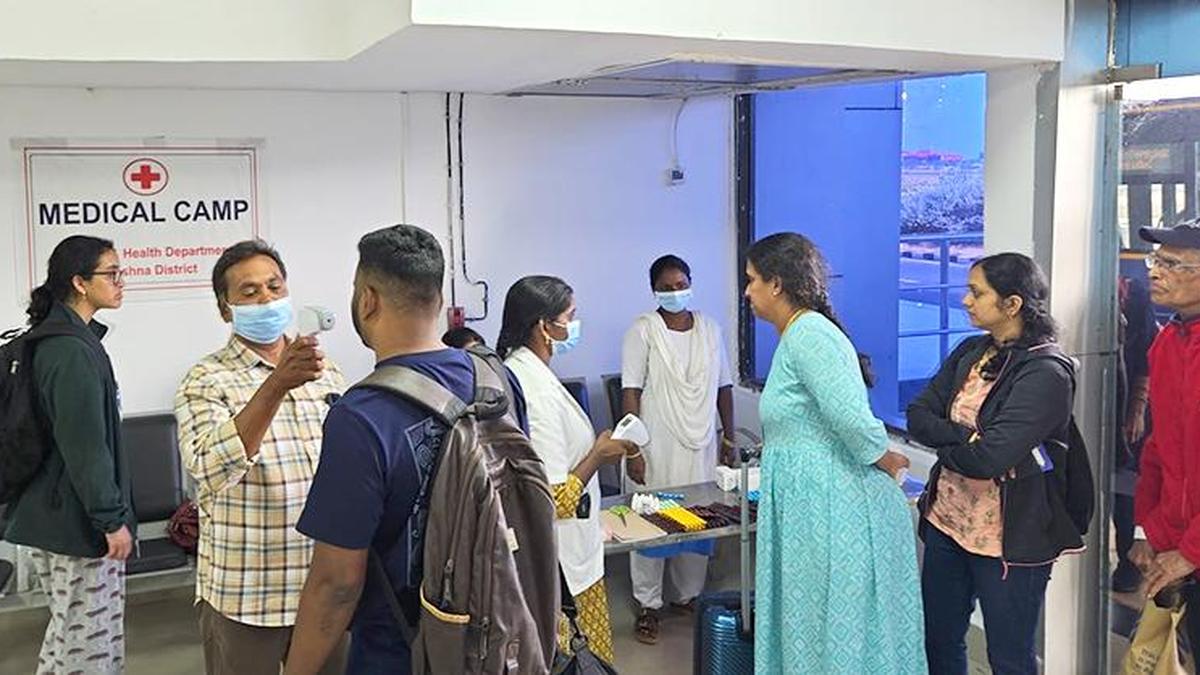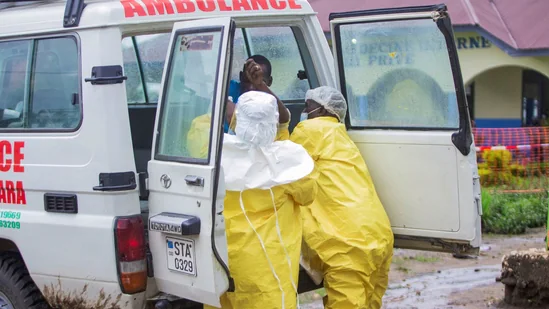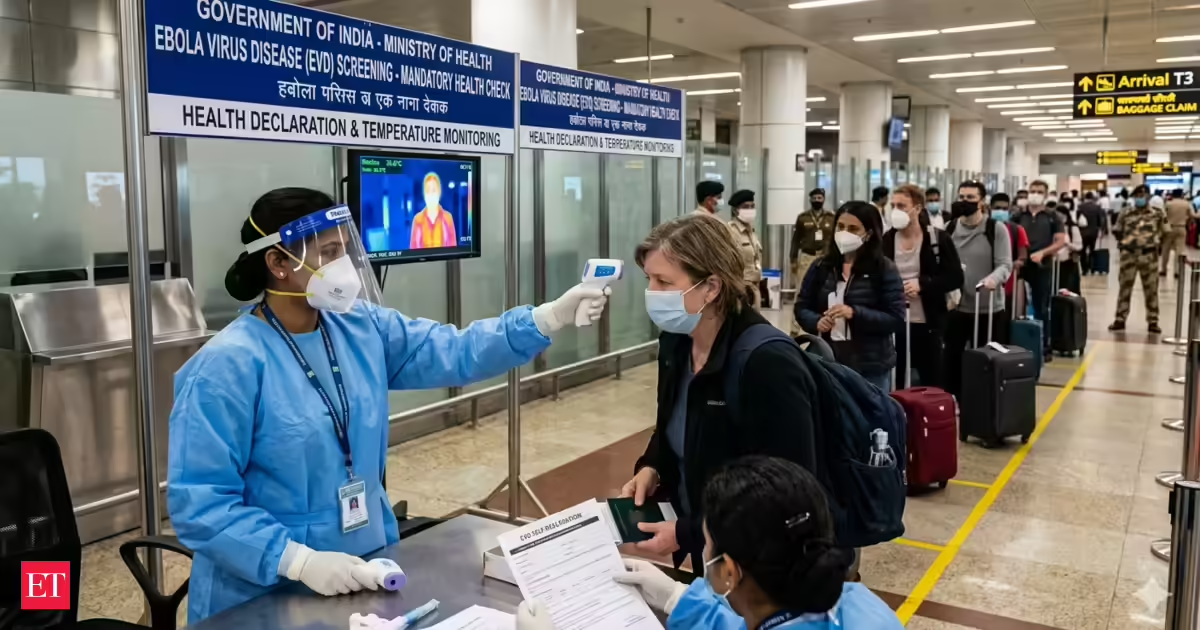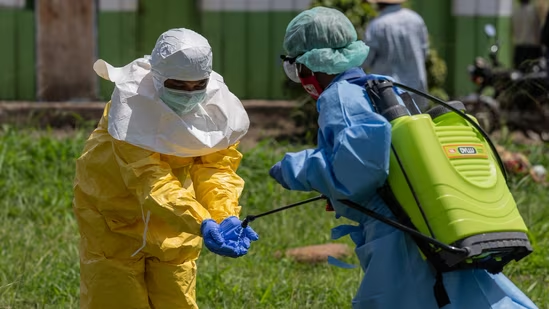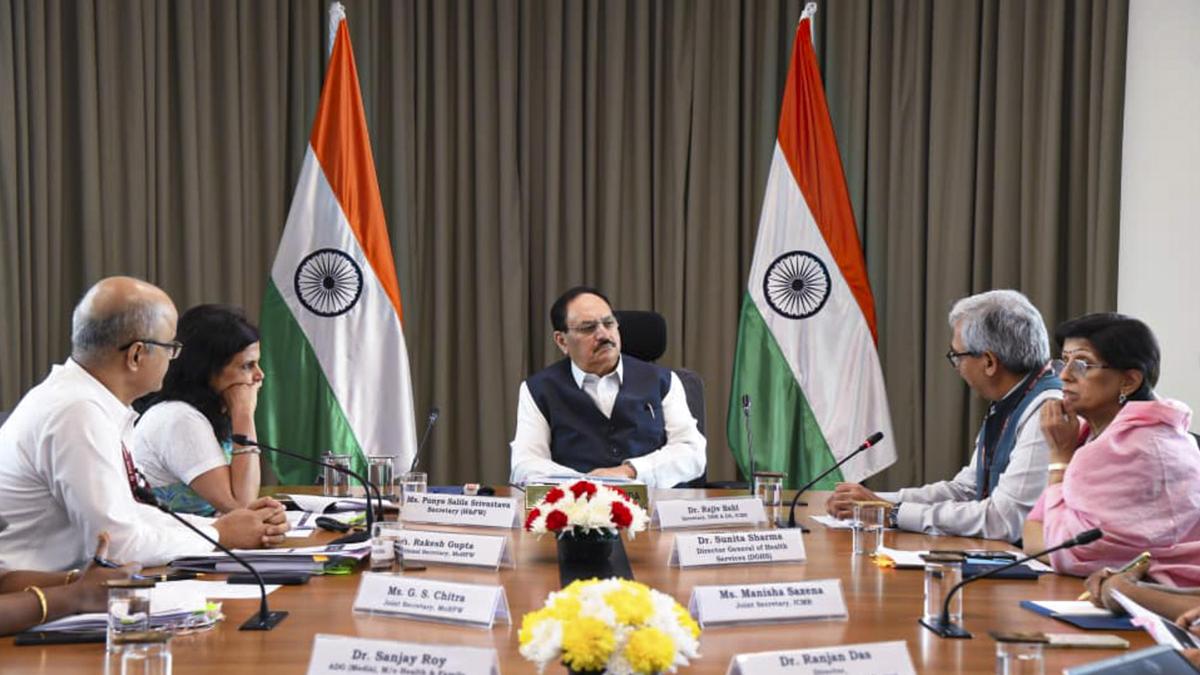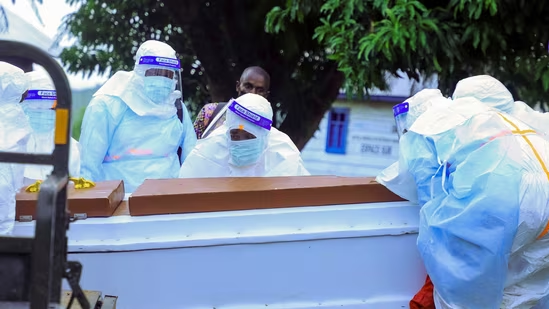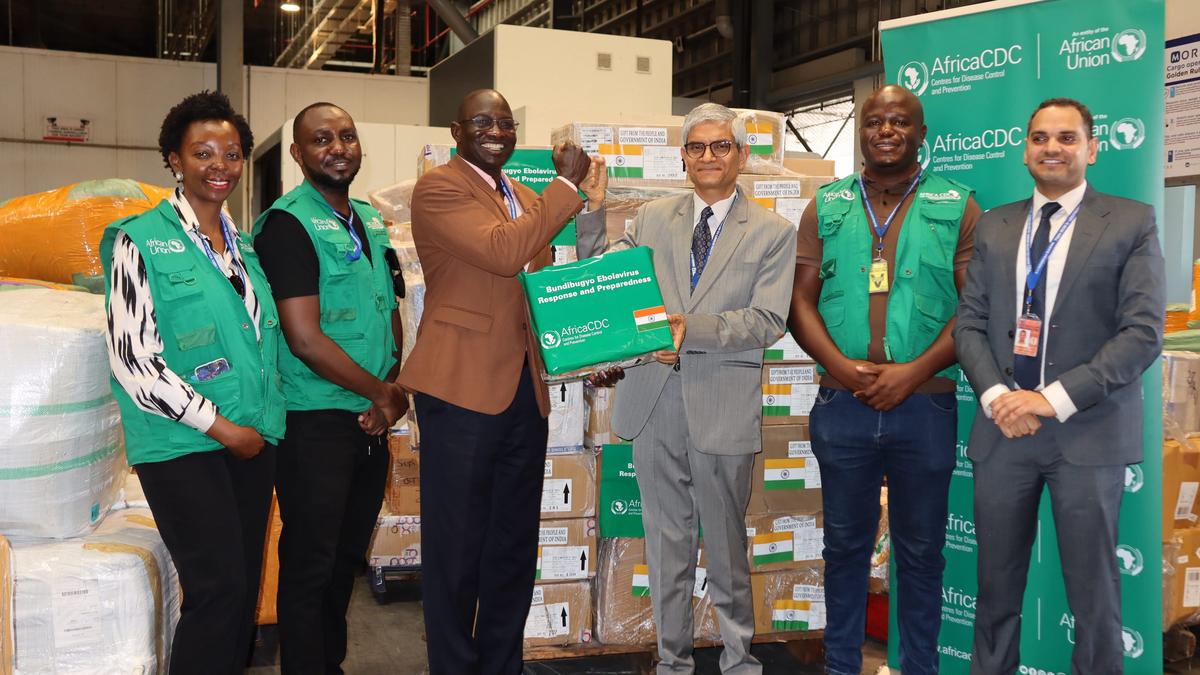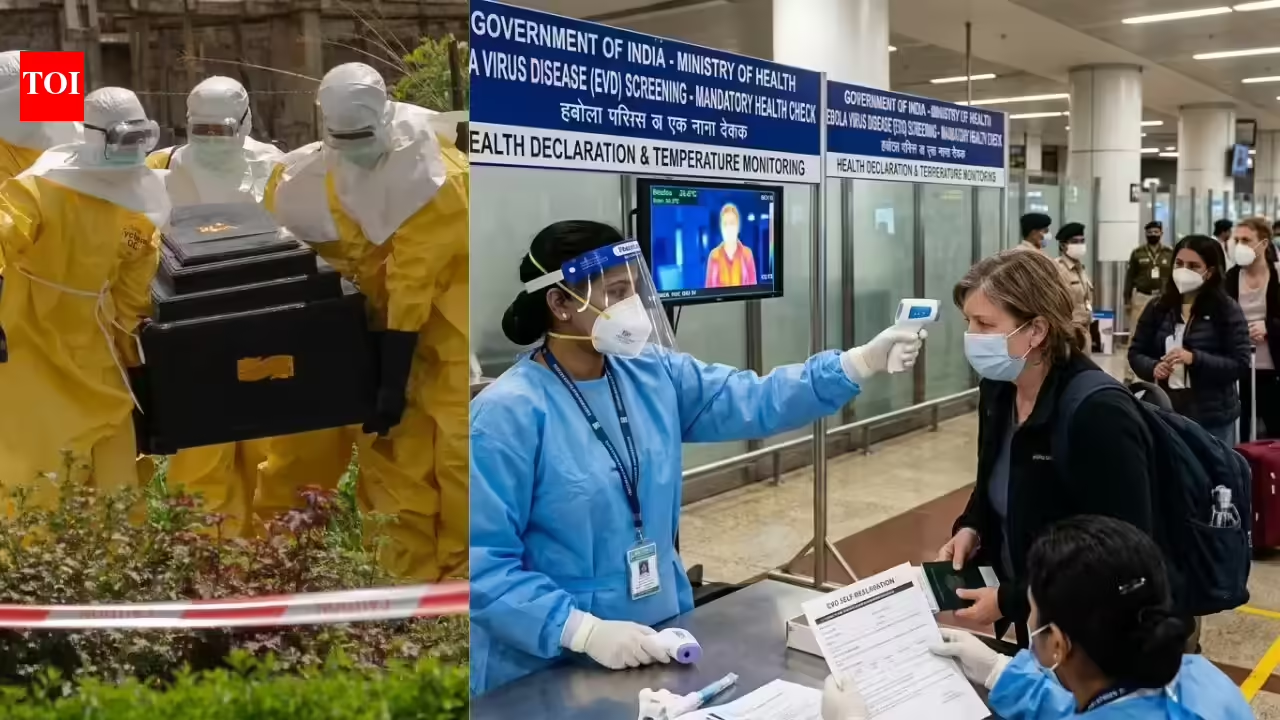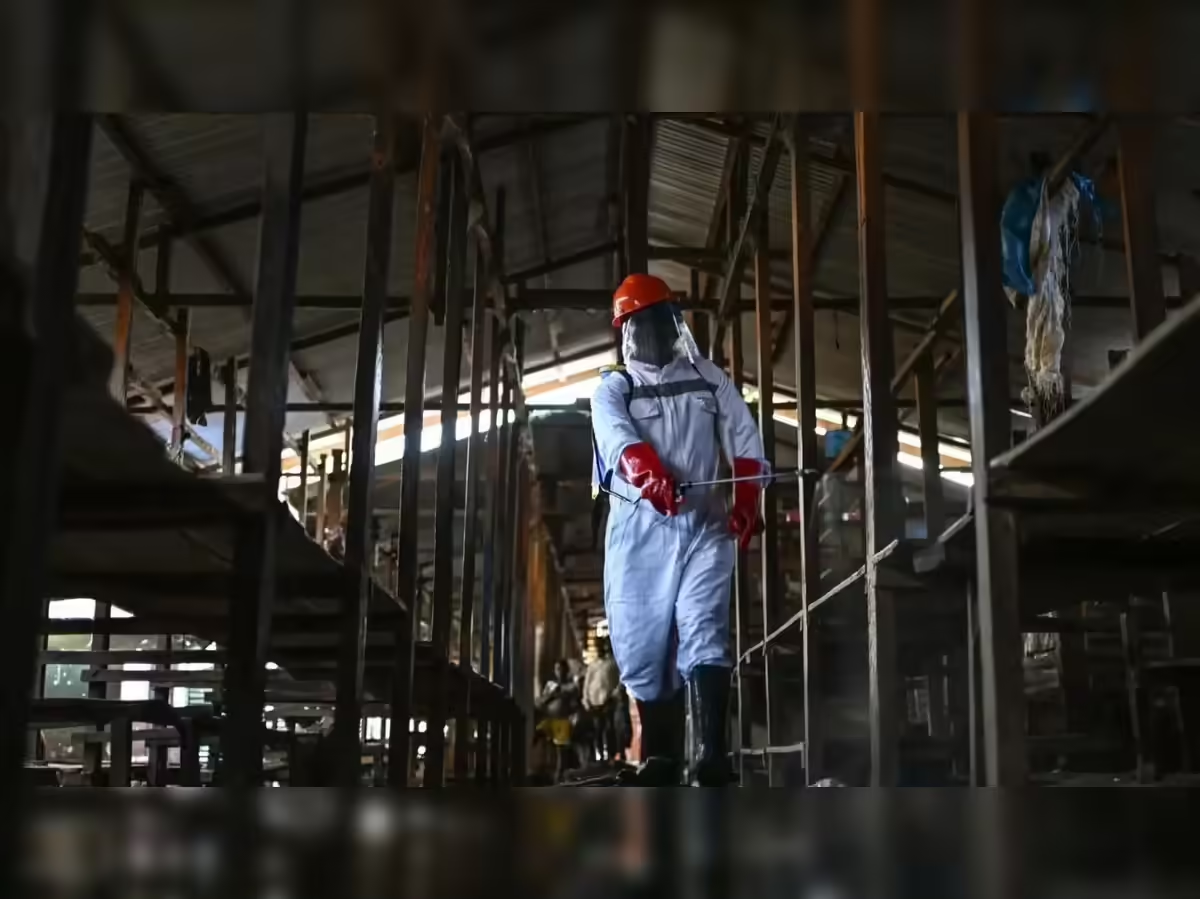
SynopsisIndia is enhancing its surveillance protocols following an Ebola outbreak in the Democratic Republic of Congo and Uganda. One of two suspected cases in India has tested negative, offering some relief. India's experience with Covid mitigation provides an advantage in tackling this serious public health emergency. Efforts are underway to develop vaccines and accelerate medical solutions for zoonotic diseases.APEbola at the gates: Why India must not let its guard downOne of the two cases of Ebola-infected entries into the country has tested negative. That is a relief. But if the pandemic taught us anything, it's not to let our guard down. Close on the heels of the hantavirus scare is the outbreak of Ebola's Bundibugyo strain in Democratic Republic of Congo (DRC) and Uganda. This latest outbreak, which led to postponing the India-Africa Summit, is serious. WHO has declared it as a public health emergency of international concern.India has rightly stepped up its surveillance protocols. DRC, epicentre of the outbreak, is already reporting difficulties of containment. India's experience with Covid mitigation - be it manufacturing protective gear or developing vaccines - on different platforms gives it an edge in contributing to efforts to tackle the outbreak. Some efforts are already underway.Also read: Ebola scare in Bengaluru: Uganda visitor tests negativeSerum Institute is working with researchers in Oxford to rapidly manufacture vaccines. Indian scientific bodies - on their own, and in collaboration with global institutions - can work on accelerating medical solutions to zoonotic diseases like Ebola. Strengthening pandemic preparedness by developing prototype vaccines and therapeutics must be prioritised.This can, in fact, be an important plank of India's engagement globally, Africa in particular - working with countries most vulnerable to zoonotic outbreaks to build surveillance systems and reliable information dissemination mechanisms, developing diagnostic tools for early detection. Vaccines requiring high levels of refrigerated storage are not suitable for most developing countries, and treatments with multiple dosages present a challenge. This can very well be the new face of India's vaccine diplomacy, one that is good for its pharma industry as well. ...moreElevate your knowledge and leadership skills at a cost cheaper than your daily tea.Subscribe Now
Ebola at the gates: Why India must not let its guard down - The Economic Times
India is enhancing its surveillance protocols following an Ebola outbreak in the Democratic Republic of Congo and Uganda. One of two suspected cases in India has tested negative, offering some relief. India's experience with Covid mitigation provides an advantage in tackling this serious public health emergency. Efforts are underway to develop vaccines and accelerate medical solutions for zoonotic diseases.
355 words~2 min read