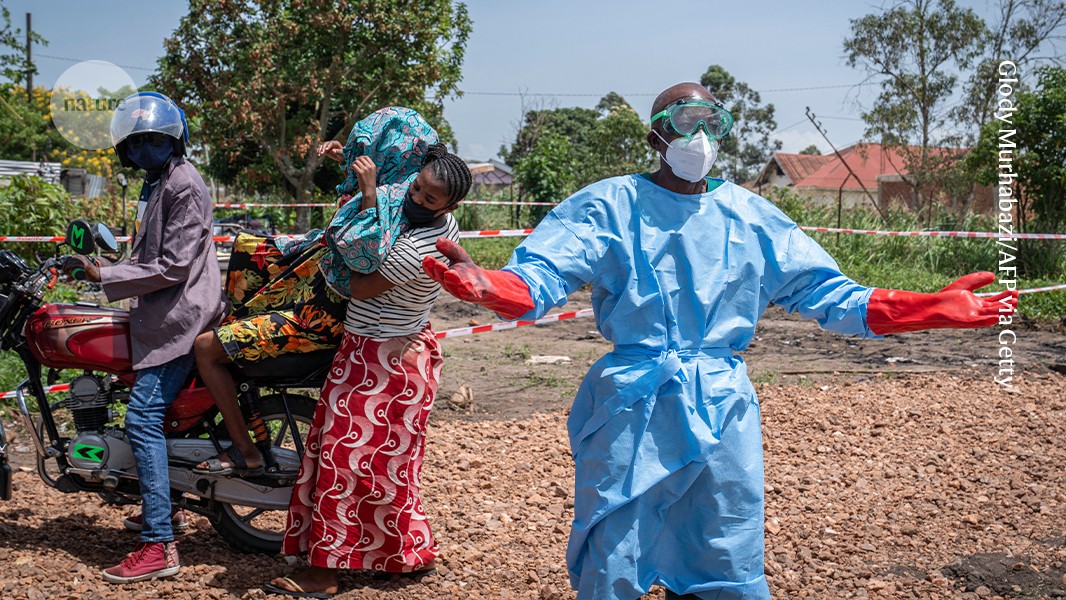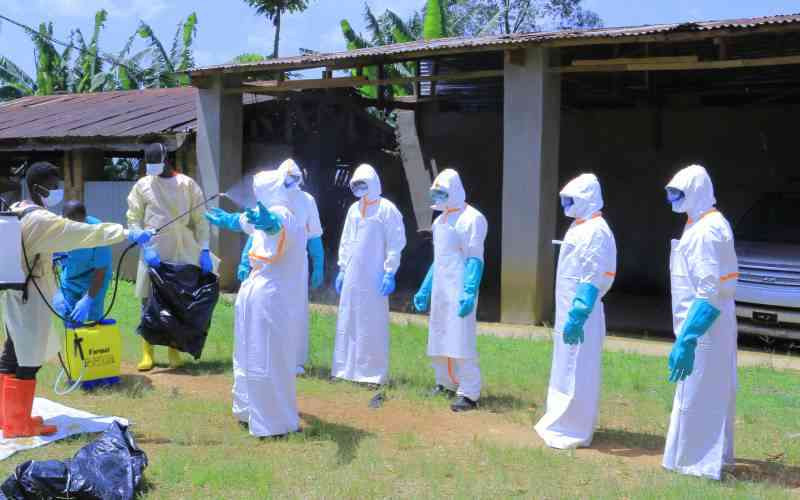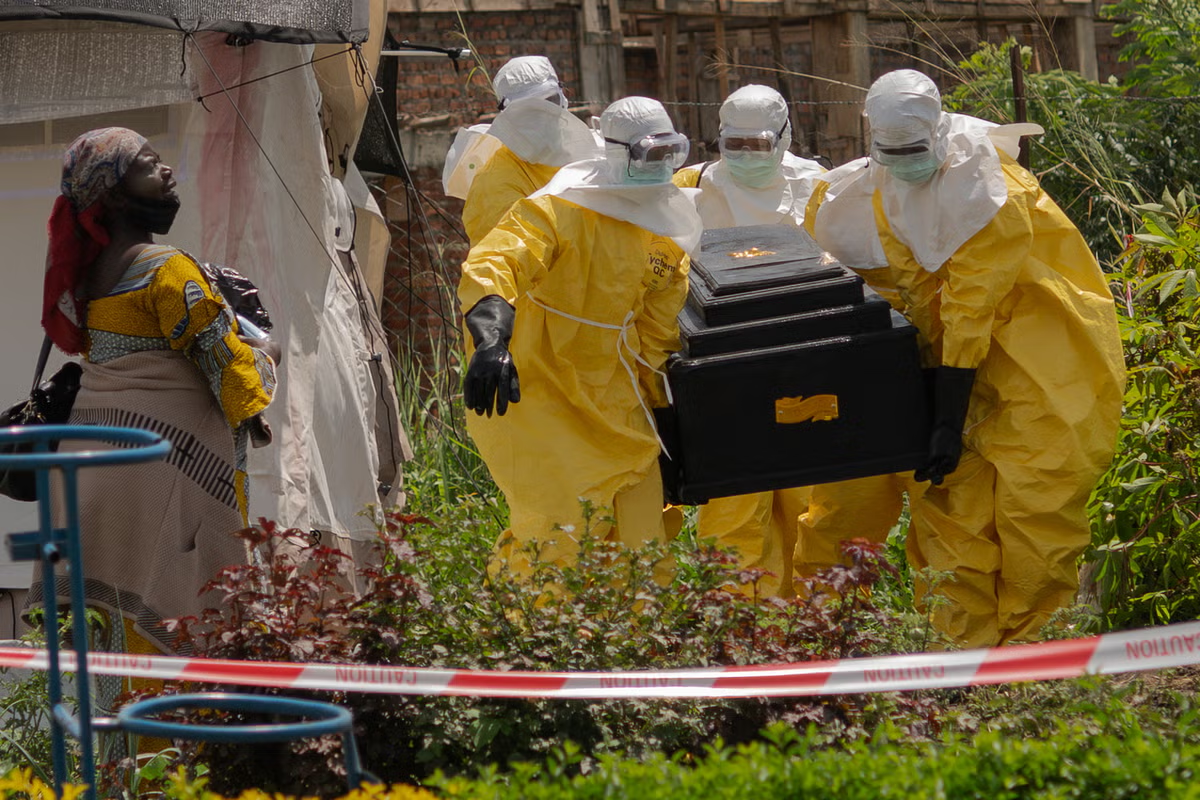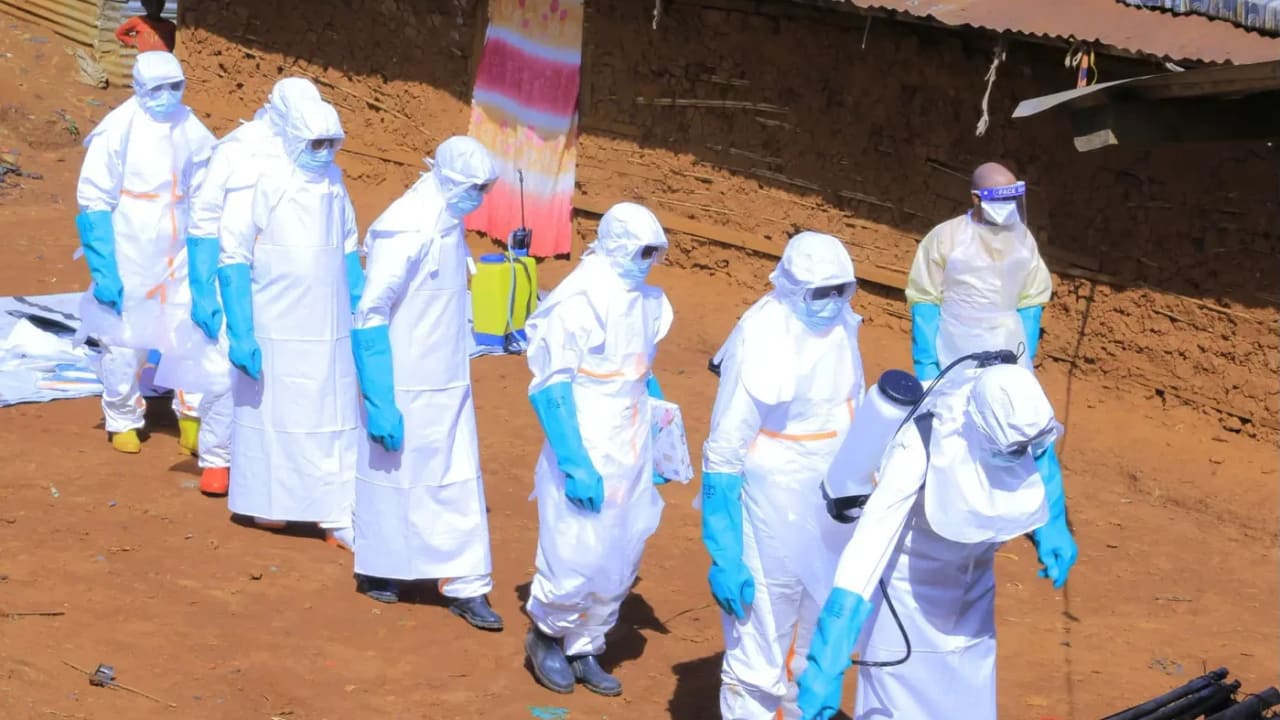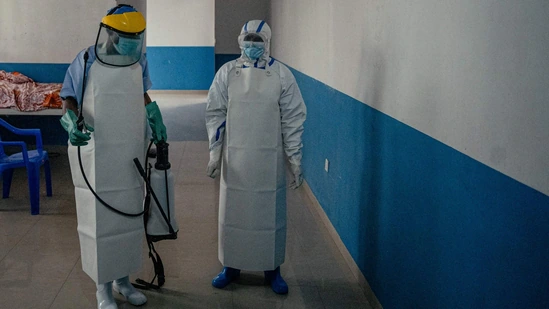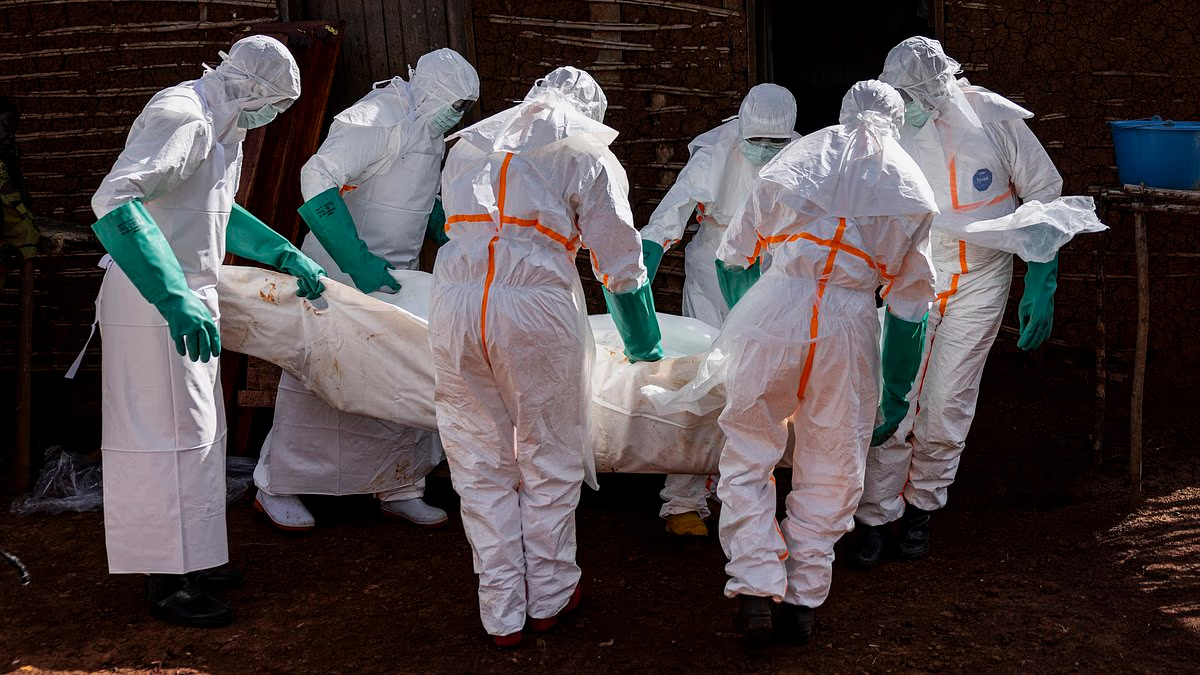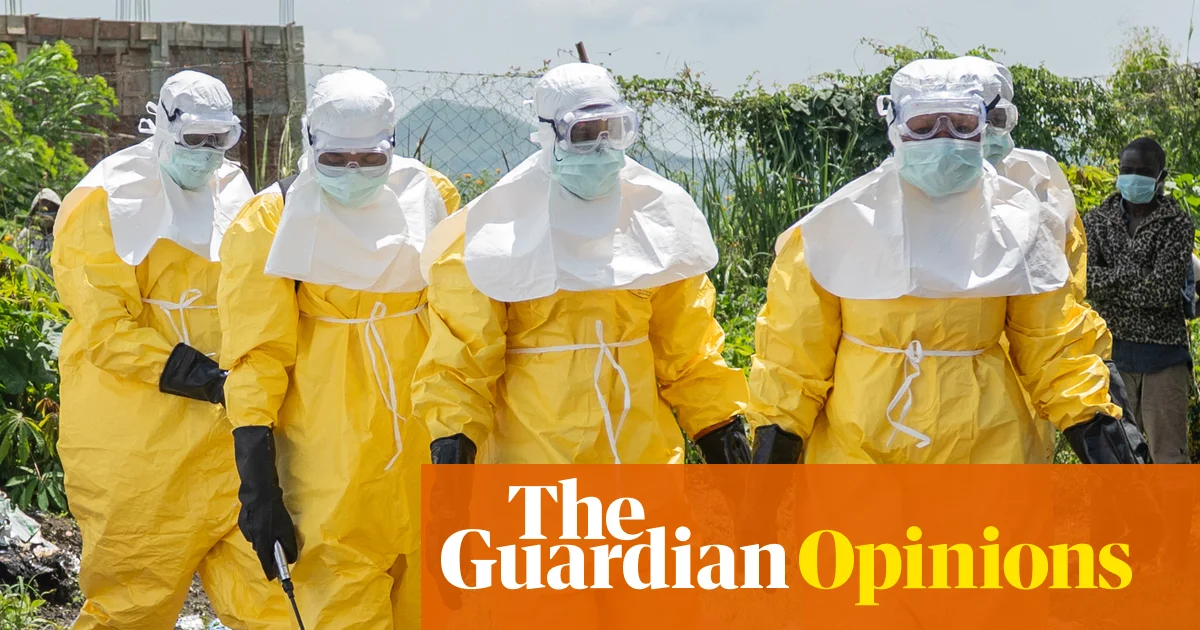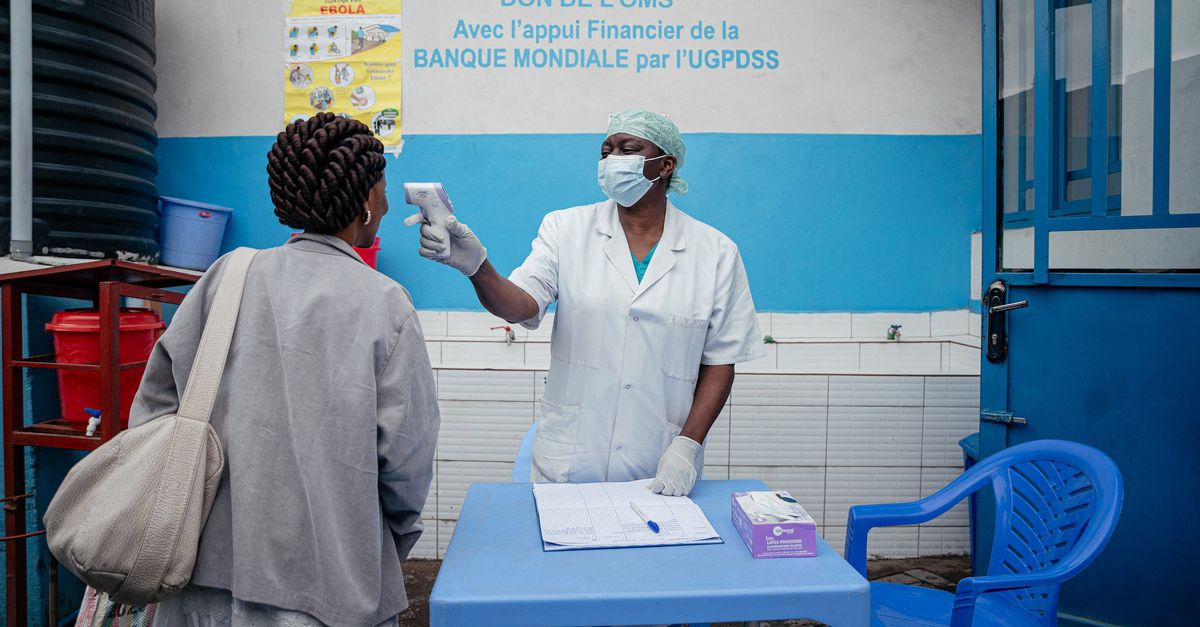
EBOLA IS A terrifying virus that kills 30-50% of the people it infects. Fortunately, the world has been getting better at fighting it. Since 2015 vaccines for Zaire, the most common Ebola strain, have limited its spread whenever hotspots emerged in Africa. Genetic sequencing of that strain has allowed rapid testing, which makes contact-tracing easier. African governments, helped by NGOs, have learned how to triage and isolate patients. Crucially, they have also won the trust of locals, who are horrified by haemorrhagic fevers.
But the latest Ebola outbreak is caused by a rarer strain, Bundibugyo, for which there is no licensed vaccine or rapid test. For months it swept undetected through eastern Congo. Aid cuts meant fewer health workers were watching out.
De redactie van NRC selecteert de beste artikelen uit The Economist voor een breder perspectief op internationale politiek en economie.
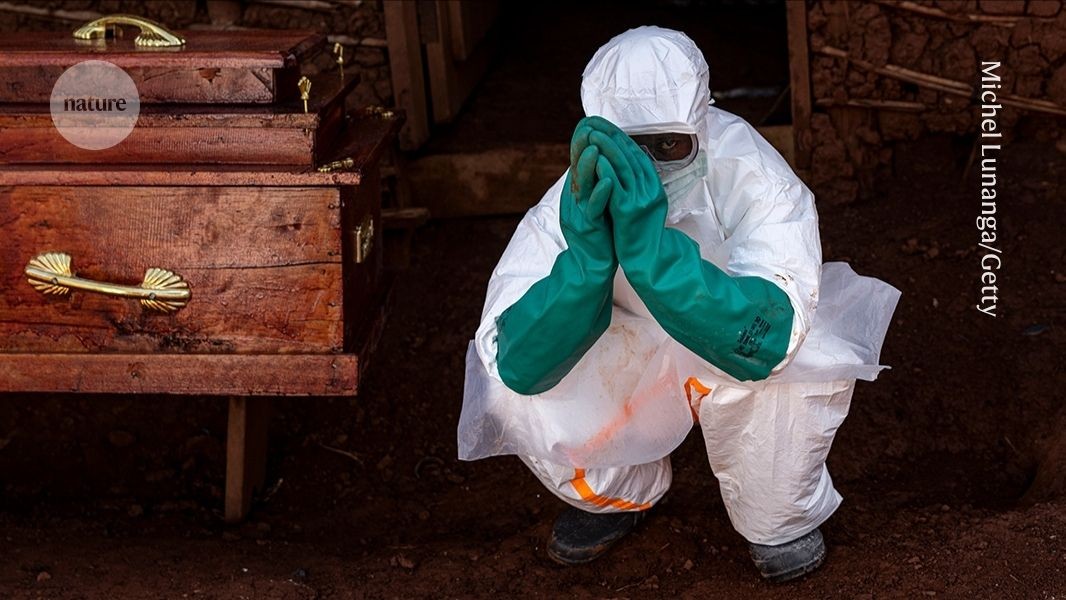
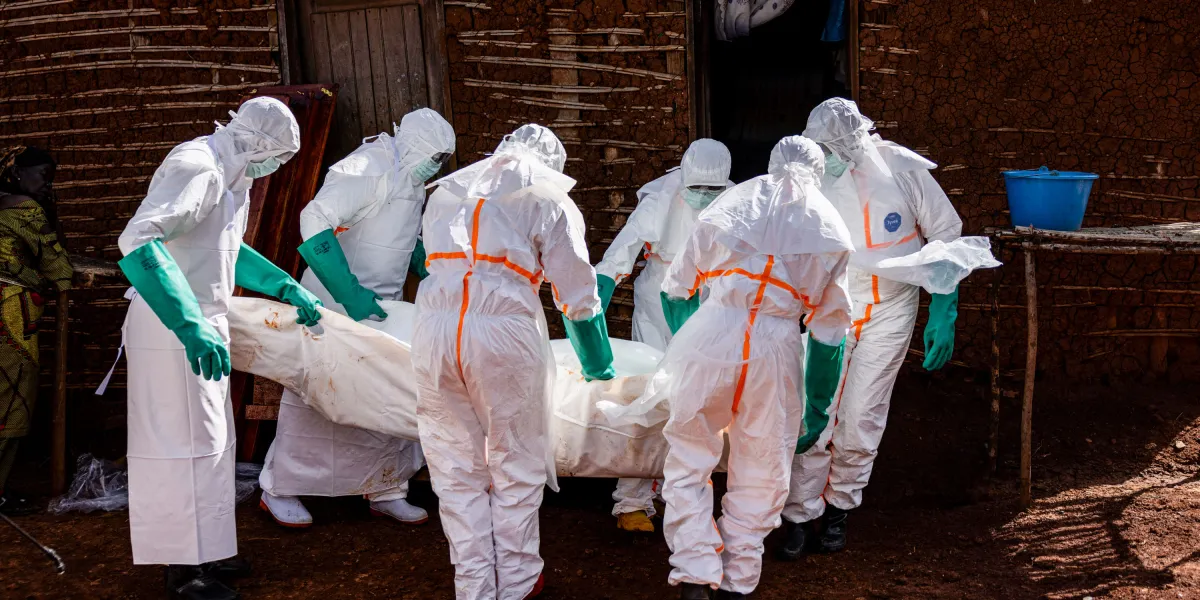
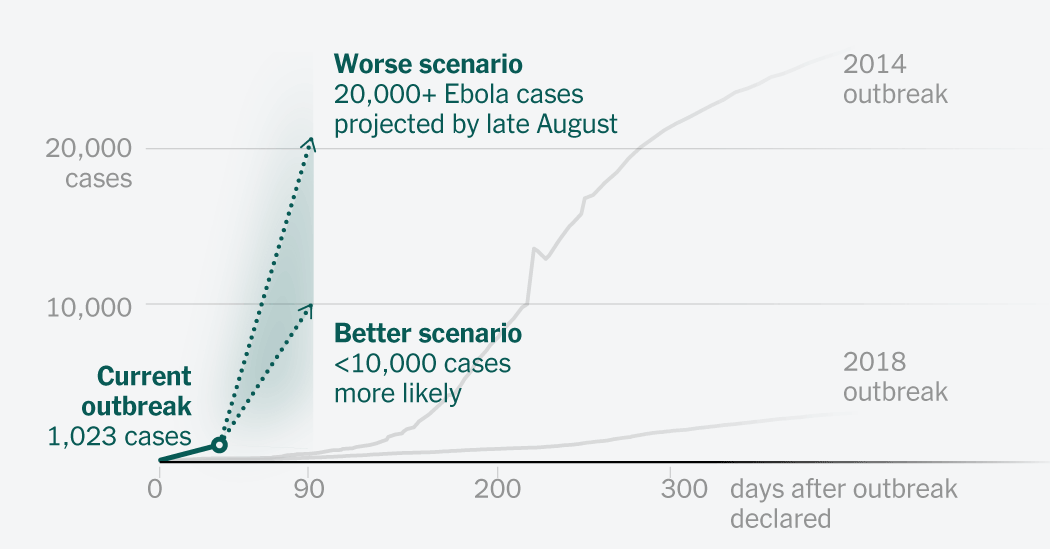
On May 17th the UN’s World Health Organisation (WHO) called the outbreak a public-health emergency of international concern. By May 20th the tally of almost 600 suspected cases and 139 deaths was suggesting that this epidemic will be the worst Ebola emergency since at least 2018, when more than 2,000 people died in the same region. To avoid such a grim death toll—let alone that of 2014-16, when 11,000 perished in west Africa—urgent, co-ordinated action is needed. So far it has been lacking.