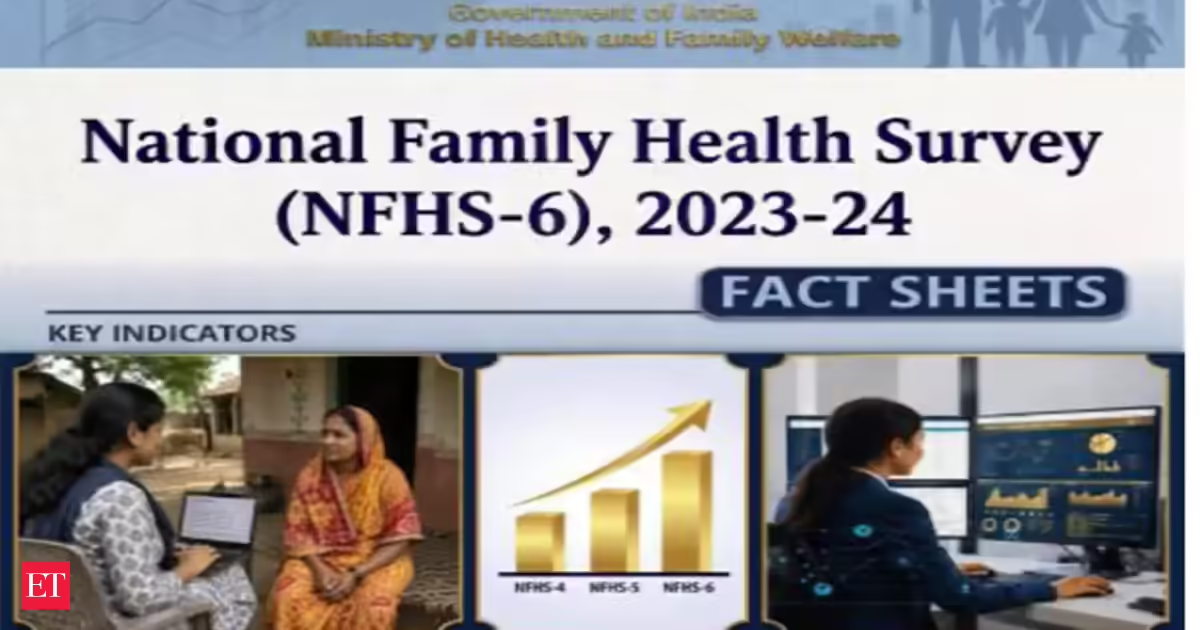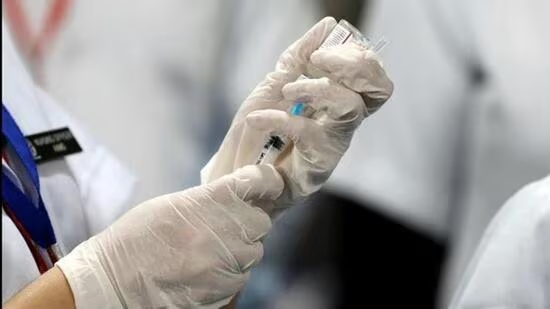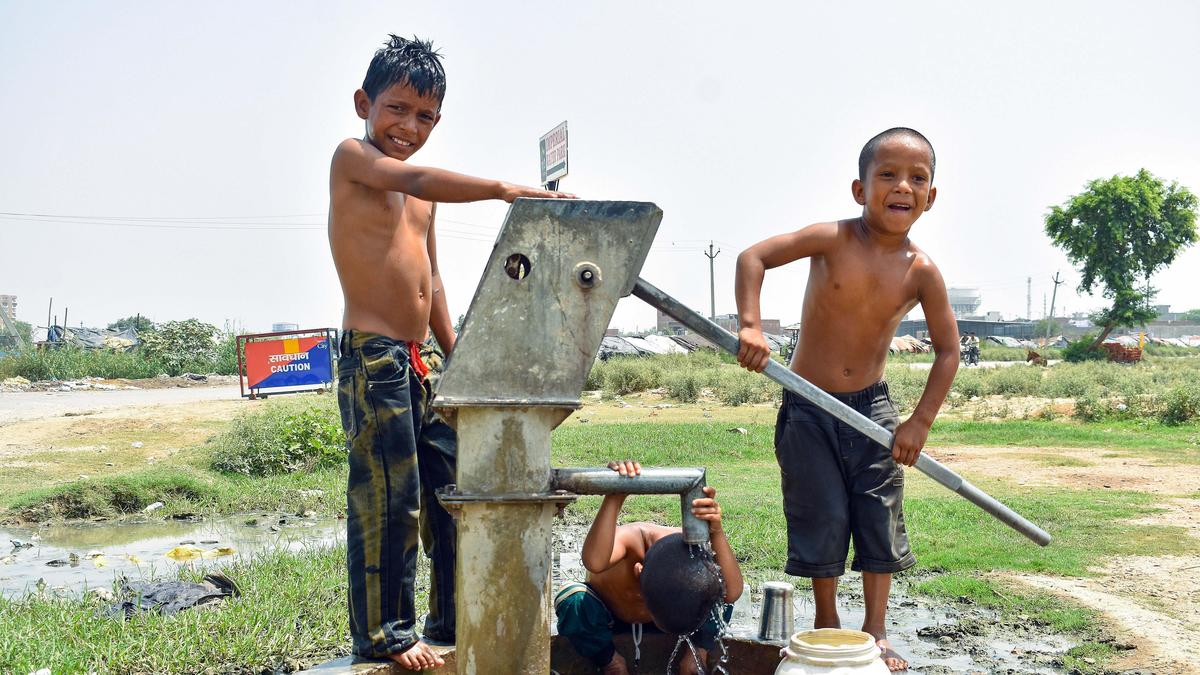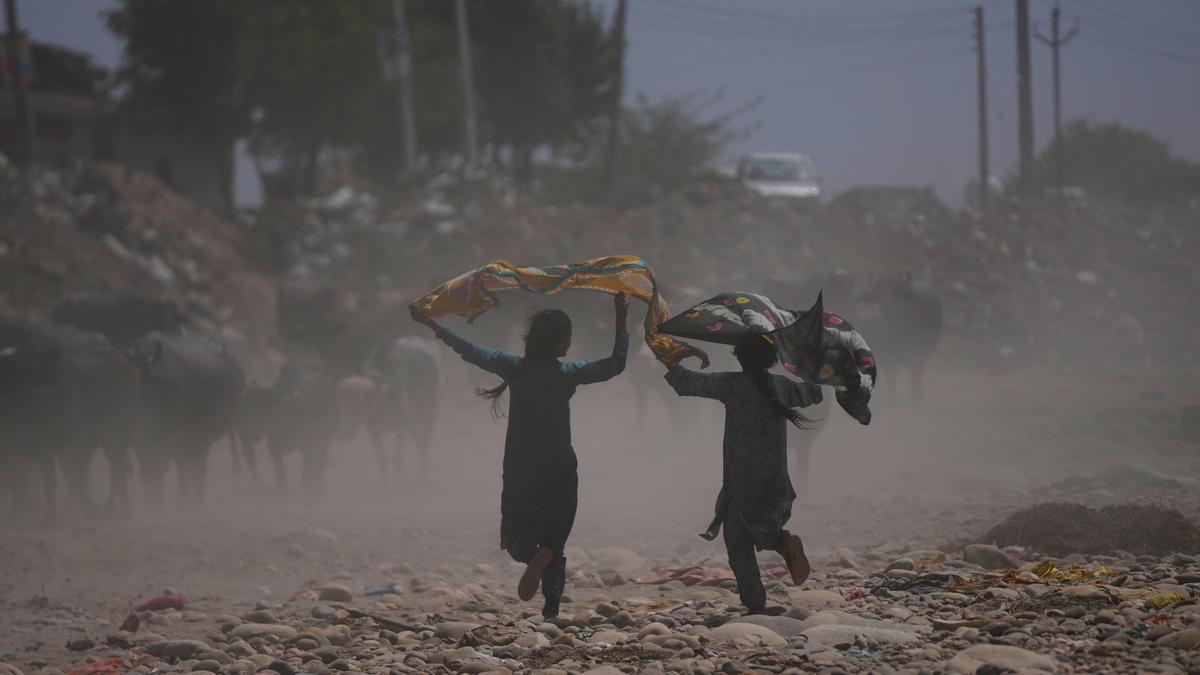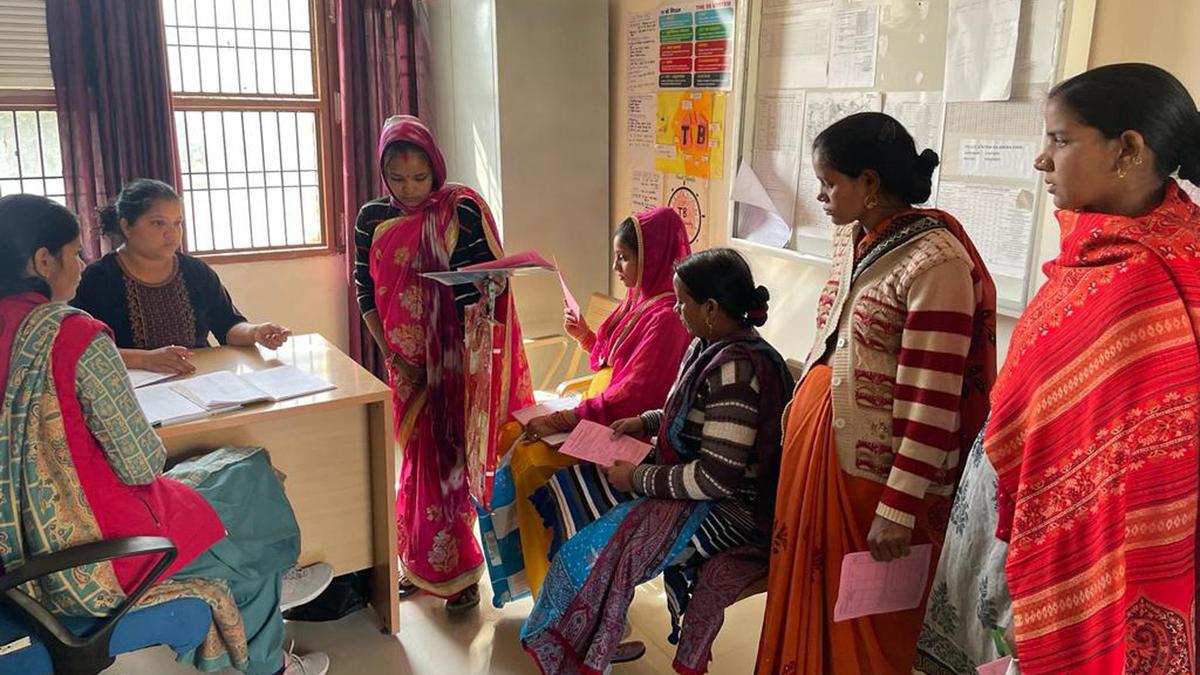
On what NFHS-6 reveals about India’s health, the growing impact of extreme heat, cancer trends, and moreWhen it comes to health, there is no dearth about subjects to write on: new research into a drug or treatment modality, a disease that’s making headlines across the world or even a wellness trend that’s taken social media by storm. But what most excites us on the health desk, is data. Numbers that delve into the health of our billion-strong population, figures that give us a glimpse into where mothers are giving birth, what vaccines their children are taking, how families finance their health, and statistics that tell us how the landscape of diseases is changing in our country. The National Family Health Survey (NFHS) - 6, provides all these details and more, making for a wealth of stories that our reporters across the country have for you.NFHS- 6, conducted after the Covid-19 pandemic, offers both hope and a roadmap for where efforts need to be concentrated in the near future. India has recorded some impressive gains: stunting and severe wasting in children under the age of five have dropped, institutional deliveries and vaccinations have risen, and health insurance or financial scheme coverage has expanded, alongside other metrics.But the data also highlights a phenomenon that doctors and public health experts have been expressing concern about for the past decade: an increase in obesity and diabetes across the country and an inadequate diet among children aged 6-23 months, a rise in Caesarean section deliveries and a worrying number of States that recorded a high rate of spousal violence. The Sample Registration System (SRS) Statistical Report 2024, indicates similar trends: non-communicable diseases were the cause of 60% of all deaths in the 2022-2024 reporting period, reports Bindu Shajan Perappadan. And while public financing of health care has improved, National Health Accounts figures reveal that households and individuals still bear the heaviest burden: out of pocket expenditure is nearly half of the current health expenditure, and financial protection for health emergencies remains incomplete, Ramya Kannan highlights.The data is clear: India’s double burden - undernutrition and obesity - is now a stark crisis that demands immediate attention, and, importantly, funds and political will to tackle it. Additionally, improving the health, education and lives of our women: from adolescence all the way to old age alongside ensuring affordable care, can go a long way towards protecting not just their generation, but the next as well.We have comprehensive coverage for you: this editorial gives you a quick glimpse into what the NFHS-6 tells us, while this link that provides you with detailed stories both national and from major States.Here’s a quick round-up of what else has been making news this week. In heartening news from abroad, the World Health Organization (WHO) announced the first recovery of a confirmed Ebola patient in the outbreak raging in the Democratic Republic of Congo just a few days ago, followed by four other recoveries. Remember, this outbreak caused by the Bundibugyo strain of Ebola had been declared a public health emergency of international concern. Does India need to worry? Dr. Ishwar Gilada highlights the need to respond with science, preparedness, surveillance, and calm leadership.In other news, as we are all currently experiencing, there is no respite from the heat. It’s a subject we write about often in our columns but one that is still not being taken as seriously as it should, given the multi-fold impacts it is beginning to have on our bodies and our lives. To give you an idea of what heat does, this study estimates that a single day of extreme heat causes about 3,400 excess deaths across India, while a five-day heatwave causes nearly 30,000. Take a moment to think about those numbers.Jacob Koshy answers the question on everyone’s mind: is India getting hotter? Siddharth Kumar Singh gives you a picture of just what it is like to live in burning Telangana and how mitigation measures often do not reach those who need them most, our editorial details how urban concrete jungles are worsening the heat crisis, and studies are now documenting what we know: heat impacts work -- outdoor workers exposed to high heat in Tamil Nadu were 45% more likely to report productivity losses than those working in relatively cooler conditions. Here’s a video that explains why rising temperatures feel deadlier than ever.Our last subject for this newsletter is cancer. A word that still carries dread and fear, but with advances over the last couple of decades, some hope as well. Afshan Yasmeen reports on two cancer trends. Blood cancers continue to remain an area of concern, with experts warning that thousands of patients across India miss timely access to life-saving stem cell transplants because of delayed diagnosis, low awareness, and a severe shortage of matching donors. Also, nearly four out of every 10 cancer cases reported in Karnataka are linked to tobacco use. The NFHS-6 found that tobacco and alcohol use are generally higher in rural areas and among socially and economically disadvantaged groups -- this is where interventions are needed.While there is an urgent need to scale up the cancer workforce given its rising burden across the world, research is bringing in some optimism. A commercially available test indicates that it can identify patients with early cases of high-risk breast cancer who can safely skip chemotherapy. That could be a game-changer for many, if further studies bear this out. Another exciting development is the development of a drug called daraxonrasib that has helped people with advanced pancreatic cancer live longer, researchers have reported. Let’s hope that advances into cancer care continue to help those with the disease.For our tailpiece this week, we have Swagata Yadavar writing on how, by combining WhatsApp-based coordination, training for frontline healthcare workers, and the clot-busting injection tenecteplase, doctors are improving access to timely heart attack care in rural Punjab. Do give it a read!As always, our list of explainers grows:Dr. Lakshmi S. writes on how many do not even know they have colour blindnessAthira Elssa Johnson delves into the possibilities of CAR-T therapy for autoimmune conditions and explains what knock knees areDr. Ginil Kumar Pooleri highlights the need for awareness on bladder cancerDr. Priyanka Dass tells mothers what they need to know about postpartum preeclampsiaDr. Ganesh Pillay sheds light on early eye cancer detection in childrenDr. D. Venkata Umesh Reddy explains how inflammatory bowel disease in children can affect their growthDr. C. Aravinda and Dr. Veera Rajagopal decode why some brains are prone to nicotine addictionDr. Sushma Tomar writes on liquid biopsies and their use in detecting pregnancy risks earlyAnd Dr. Rajesh Srinivas writes on why there has been a rise in knee ligament injuries in young adultsDo not forget to watch the latest episode of The Health Wrap by The Hindu, an interview with Dr. V. B. Narayana Murthy on hyperbaric oxygen therapy.For many more health stories, head to our health page and subscribe to the health newsletter here.
Health matters newsletter: What the NFHS-6 tells us about health in India
Health Matters newsletter: On what NFHS-6 reveals about India’s health, the growing impact of extreme heat, cancer trends, and more
1,161 words~5 min read