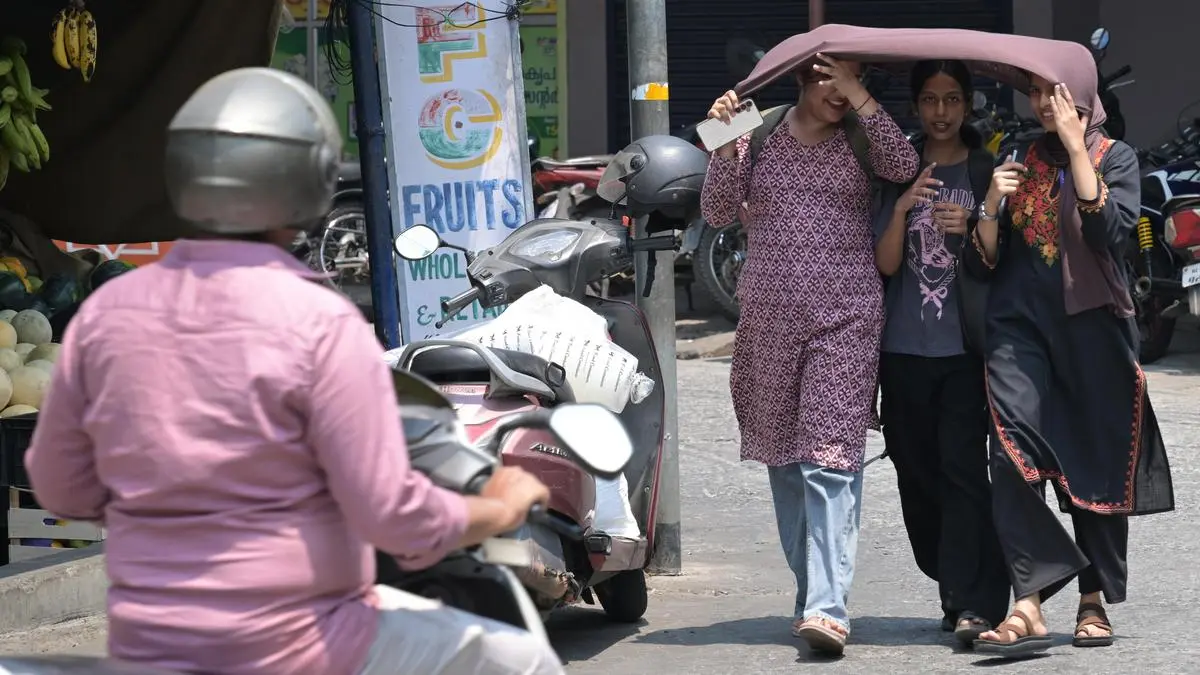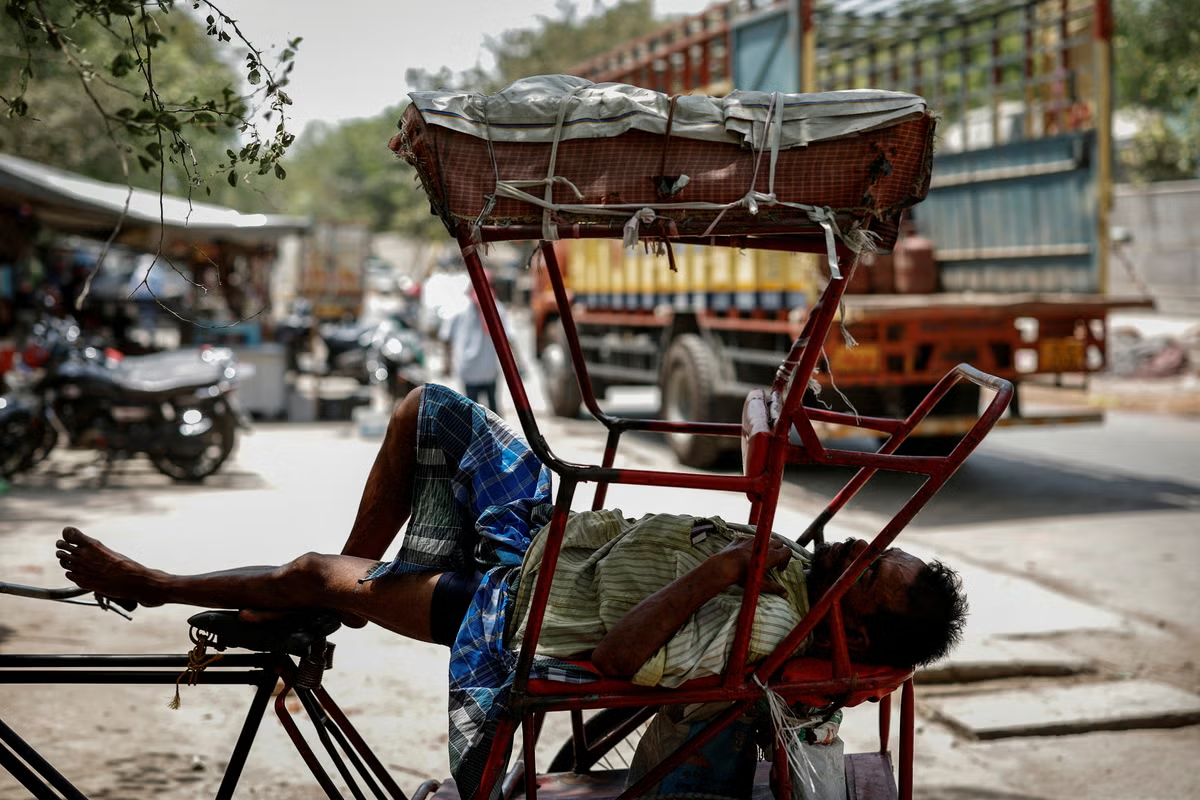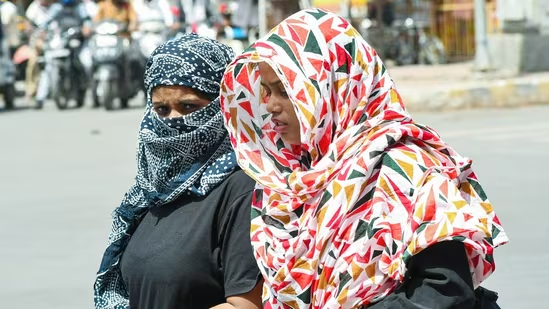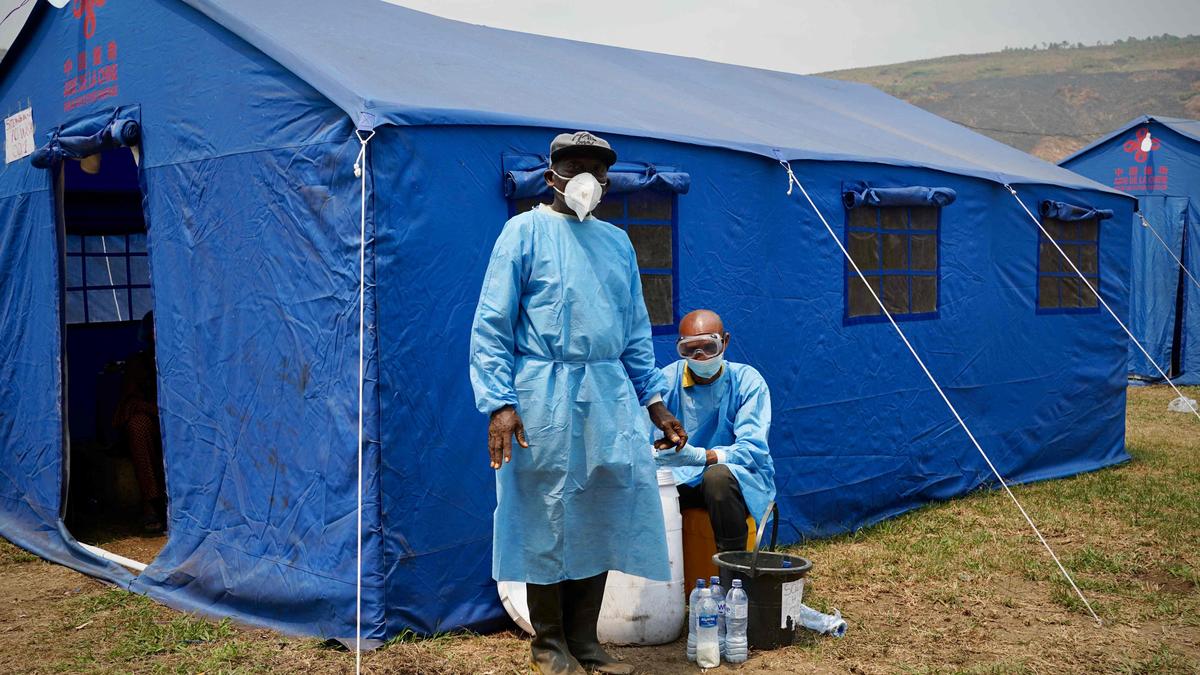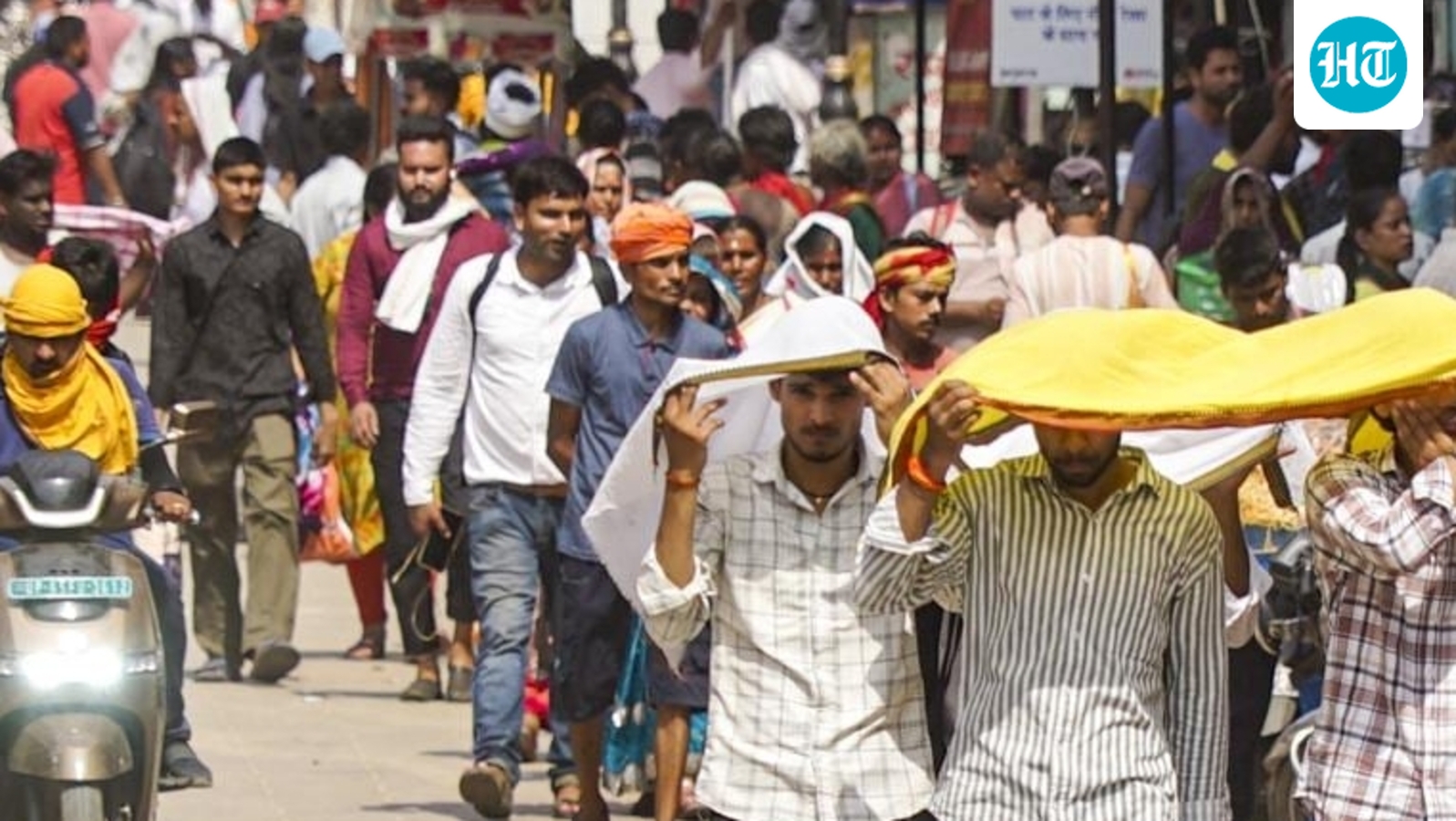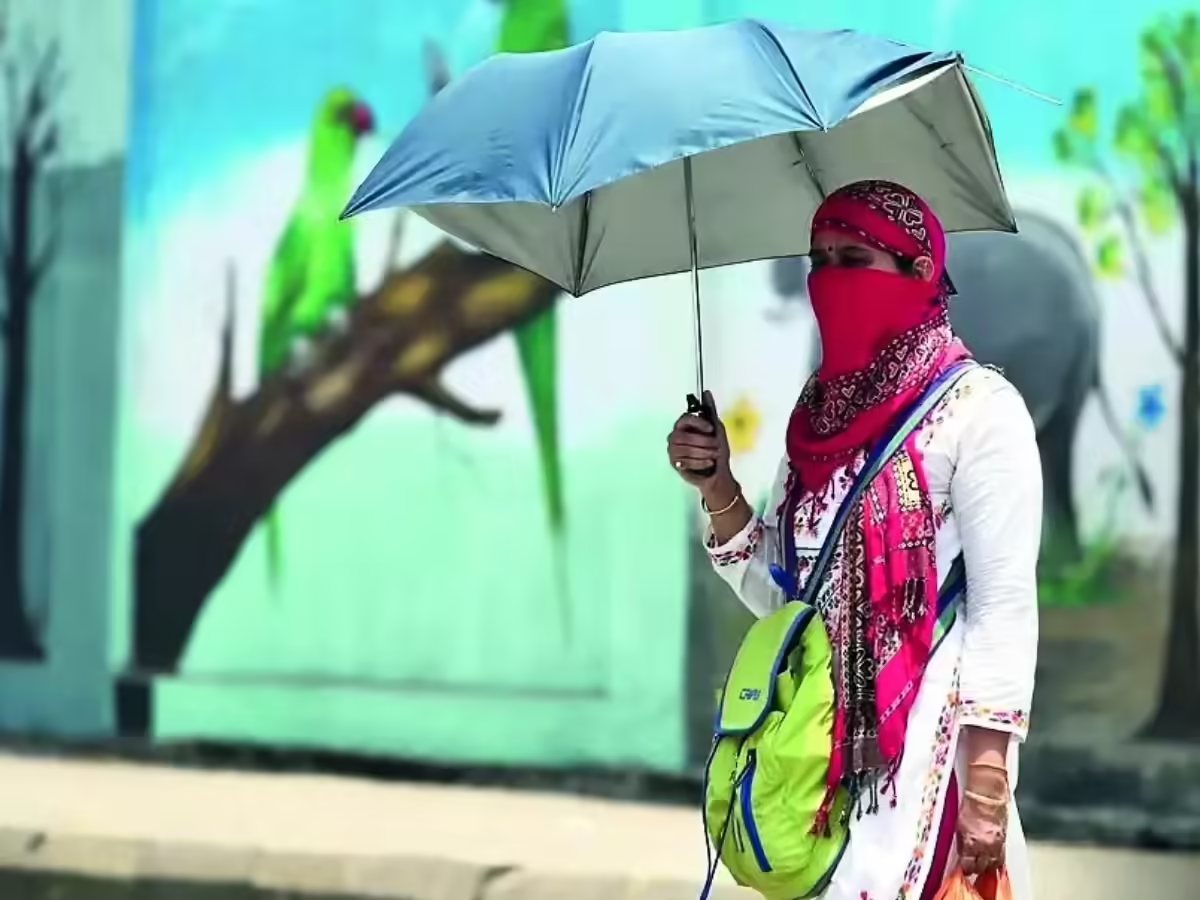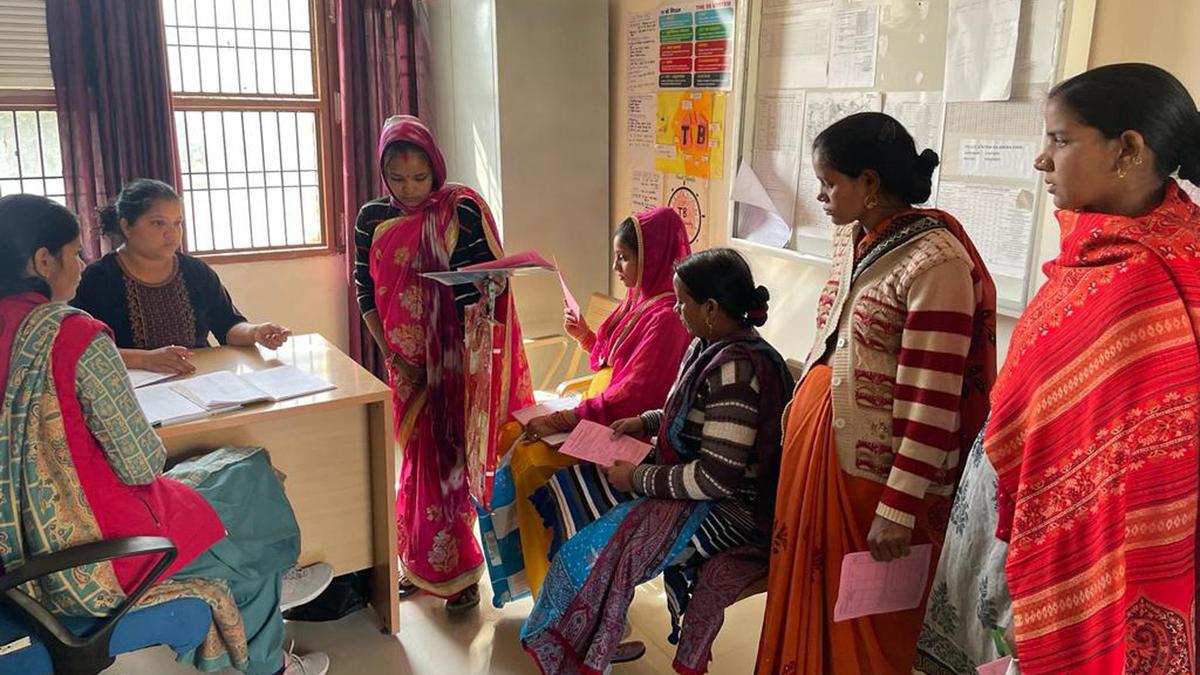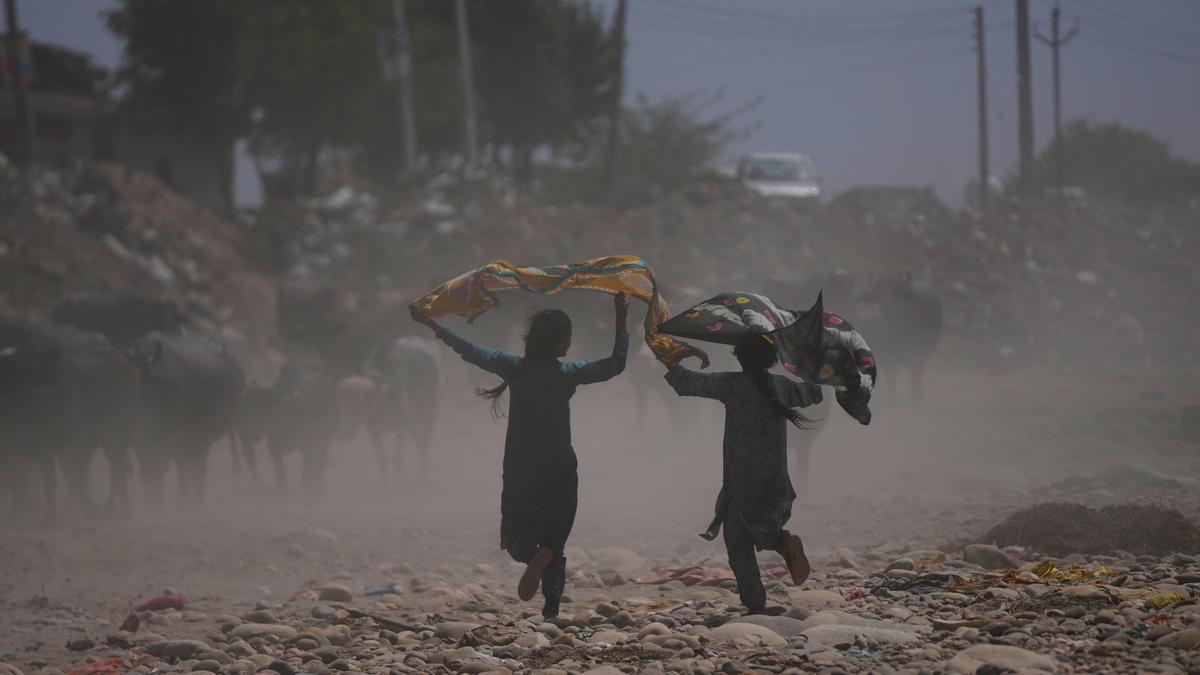
On heatwaves tightening the grip across India, the Ebola outbreak and global response efforts, public health priorities, and moreIntuitively, we should probably stick with the Ebola outbreak this week, but we choose to discuss a problem that has already begun to severely impact the health of people in India - heat. The Meterology department has issued heat wave warnings for the next 24 hours at isolated places over Bihar, Chhattisgarh, East Rajastha, Jharkand, Odisha, Telangana and Western Uttar Pradesh, and heat wave to severe heat wave conditions over Easter Uttar Pradesh, Haryana, Chandigarh, Delhi, Madhya Pradesh, Punjab, Vidharba and West Rajasthan. While temperatures over the last day or two hovered around 40- 47 degrees C, that is likely to continue and it could hit the 50 mark in a few places. This, in effect, is nothing but a crisis in place. Without access to protection from the sun or the relenting heat wave, or to cooling mechanisms, this will be a disaster waiting to happen. A large group of itinerant workers, migrant labourers and people who have to work outdoors have been advised to stay indoors during the peak noon heat, but staying indoors is often not an option for them. Also the lack of access to well-ventilated spaces and cooling mechanisms within homes, or potable water, can exacerbate the heat conditions and a situation emerges that ranges from the uncomfortable, to heat stroke like impact. In this long form story, Geetha Srimathi tells the summer story of the women who live in Chennai’s low-cost tenements, particularly if they are pregnant. She writes that after spending hours in dangerous heat, they return to homes that trap warmth and allow no recovery; their bodies never get the chance to recuperate. The concrete structures they live in commonly used in urban housing absorb heat during the day and release it slowly at night, while high humidity levels further intensify discomfort and disrupted sleep. A recent study highlighted how poorly ventilated housing and heat-retaining buildings expose vulnerable groups, including pregnant women, to prolonged heat stress with little opportunity for physical recovery.It is not just the pregnant women, but also the children who are affected deeply by the heat conditions, she adds, in this story along with Meghna M. : Children stay away from play as city reels under heat But, if you are saying, wait, what is a heat wave, then do read this article by Vasudevan Mukunth: Is a heatwave really a wave of heat? We have a selection of articles on the heat issue, from across the country, to give you a sense of the current situation: Heatwave tightens grip across parts of India, are we even surprised that Delhi recorded its warmest May night in nearly 14 years, in the South, Krishna district faces record heat as temperatures hit 48.1°C, Heatwave alert in Nandyal, Kurnool till May 26; andAndhra Pradesh breaks 10-year heat record again as mercury crosses 48°C, the State continues to grapple with intense heat as 95 mandals record above 42°C.Experts urge hydration, awareness to prevent heat-related illnessesWe are not ignoring Ebola, which has been elevated to a Public Health emergency of International Concern, we are jsut prioritising an ongoing local crisis. The Hindu continues to bring you stories on the emerging Ebola situation. There are currently around 750 suspected cases and nearly 200 suspected deaths, the majority of them in DRC and a few spreading to Uganda.If you want to learn more about the pathogen causing this particular health scare, then read all about the Bundibugyo ebolavirus here. Bindu Shajan Perappadan reported that India had issued an advisory against non-essential travel to Congo, Uganda and South Sudan amid the Ebola outbreak, and airports in India have begun screening passengers from affected countries for signs of fever, or elevated body temperature. While the WHO is evaluating vaccines, treatments for Ebola outbreak, we also heard of research into vaccines for the bundibugyo strain on its final leg, in the UK. Other global efforts are apace to develop a vaccine within a few months. Here, read about why there are delays in developing vaccines for such diseases with catastrophic impact: New Ebola outbreak shows how market failure delays vaccine researchKallol Bhattacherjee reported that Collaboration with India will help counter ‘future pandemics’, expressing the opinion of the African UnionWorld Bank says responding to Ebola outbreak, plans to increase fundingMeanwhile, do read our editorial On the Ebola outbreak.It will be foolhardy to ignore the latest figures from the recently released SRS data for India. It has a lot of indicators that a course change, pivoting to handle the impending crisis of a greying nation. I write: SRS indicates India in throes of demographic transition. For The Hindu’s editorial on the issue, read: From Black to Grey. The Govt.recently moved Pregabalin to Schedule H1 following reports of drug abuse. Pregabalin has been included under Schedule H1 of the Drugs Rules, 1945, following reports received from various States regarding the misuse and abuse of the drug, particularly among youth. The drug which is prescribed for the treatment of chronic pain, neuropathies, fibromyalgia, and certain neurological conditions, has reportedly been misused for its sedative, euphoric, and dissociative effects.In another key decision this week, with significant health care implications for nations, the World Health Assembly, for the first time, recognised stroke as a public health priority for the first time. While doctors are aware of what must be done to treat hypertension, this will give both the medical community and the healthcare community some political heft to do so at a population level. We had extensive coverage on the NEET issue, after 22 lakh aspirants for medical courses got the short shrift as the National Testing Agency cancelled the test (which was already conducted) on charges of a paper leak. In the In Focus Podcast, we asked: Should the National Eligibility cum Entrance Test (NEET-UG) be decentralised?In the Parley, again the question remained the same. Tailpiece: In our one-year anniversary HealthWrap video series, we looked at NEET again, in a conversation with Bindu Shajan Perappadan and Maitri Porecha. But that is not all, we also discussed why PCOS turned into PMOS and the Ebola crisis. There were also a couple of quizzes that we have shared for audience engagement activity, and prizes are in store for the fastest winners who get everything right on these quizzes, here and here. Our usually busy Explainers section is extra robust this week. Do check out a few of the stories we carried.On the occasion of Hypertension Day, Aravinda C. casts light on the rise of epidemiology as a discipline and the birth of hypertension as a disease Vasudha Kemmanu writes on the myopia pandemic: how changing childhoods are blurring our future Apparently Children are now getting kidney stones too, Arun Kumar Balakrishnan explains what need to be done to prevent this.What happens when foreign capital controls India’s healthcare and compliance instructions originate outside? Rajendra Pratap Gupta attempts to explain the situation In our All you need to know about series, Sahana Mira talks about: panic attacks and P.S. Niranjana writes on Understanding albinismAthira Elssa Johnson talks to Experts to clarify the link between screen time and autism and also explains: What changes in your nails may reveal about nutrition, trauma and chronic diseaseRashikaa Iyer attempts to examine what happens when When digital spaces cause distress. Are RO systems effective to prevent contamination of water? They should be maintained properly to be effective, says a studyIf you have a few extra moments, do consider reading: Afshan Yasmeen reports that Thyroid disorders are emerging as hidden factor behind infertility among urban womenT.N.’s maternal healthcare indicators have improved in post-COVID-19 period, finds an IIT-M studyThere was a nationwide pharma strike last week, with brick and mortar stores protesting against online pharmacies. A National Institute of Nutrition study showed that High intake of packaged foods was tied to elevated BP among youth Meanwhile, in Kerala, Mini Muringatheri reports: Routine rotavirus vaccine halves severe diarrhoea cases in children in the State: JMMCRI Study, and C. Maya writes that Contamination of domestic water sources may be driving amoebic meningoencephalitis in KeralaQuiz: Conditions and diseases with animals’ namesFor many more health stories, head to our health page and subscribe to the health newsletter here.
Health Matters newsletter: Sizzling summer days and hot nights
Health Matters newsletter: Sizzling summer days and hot nights
1,378 words~6 min read