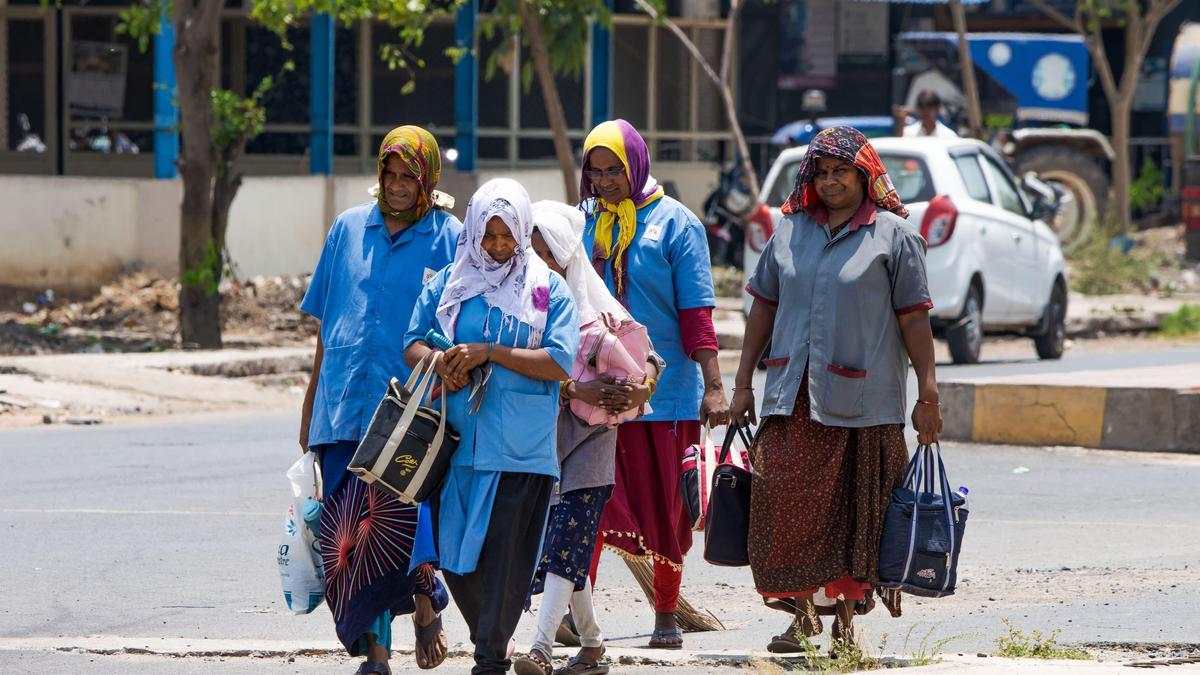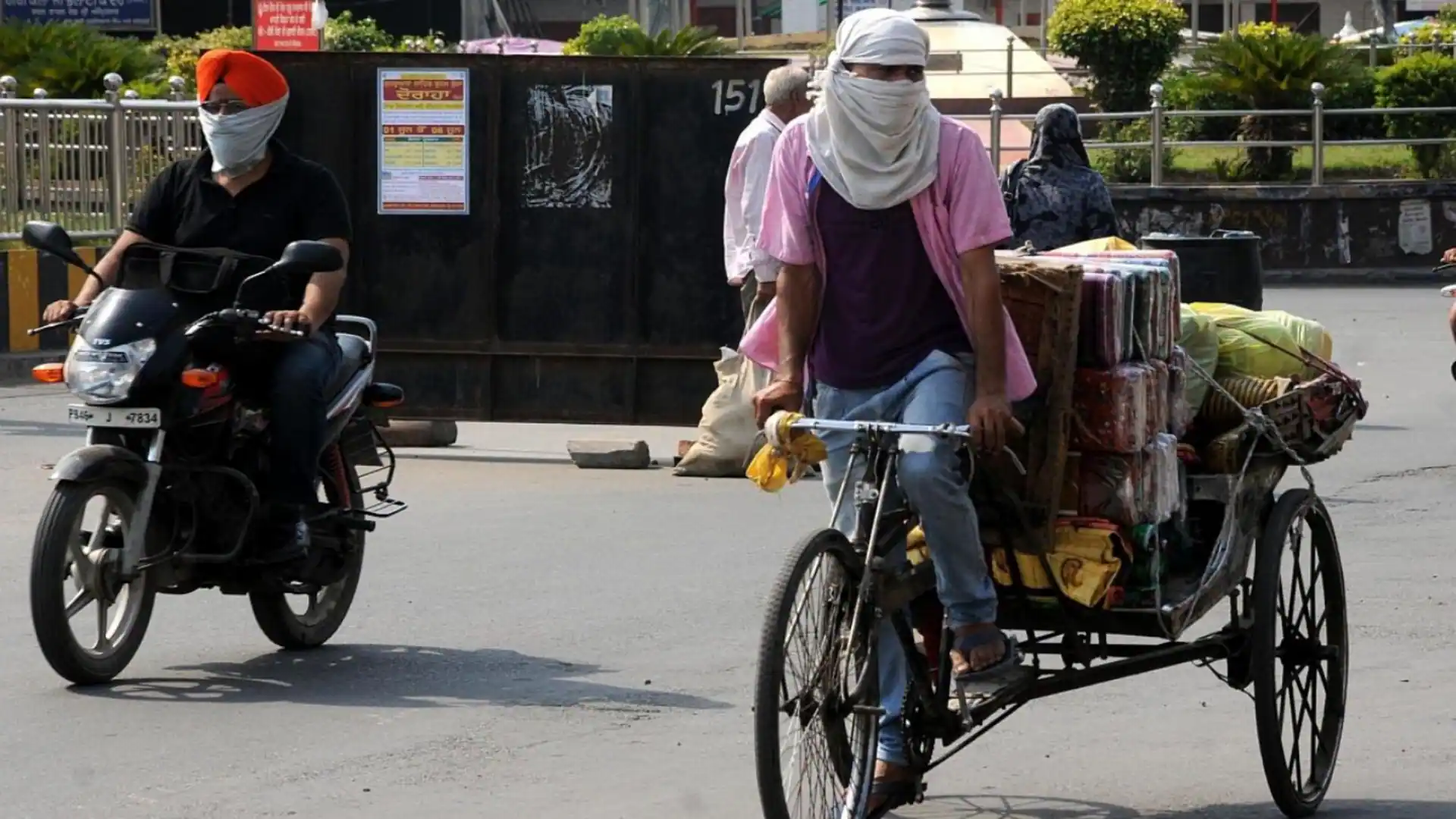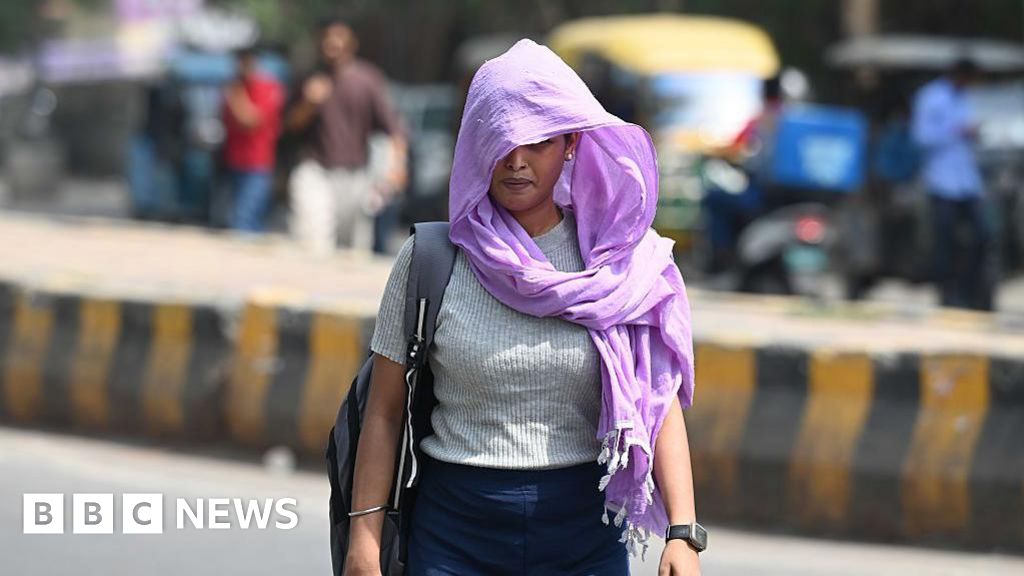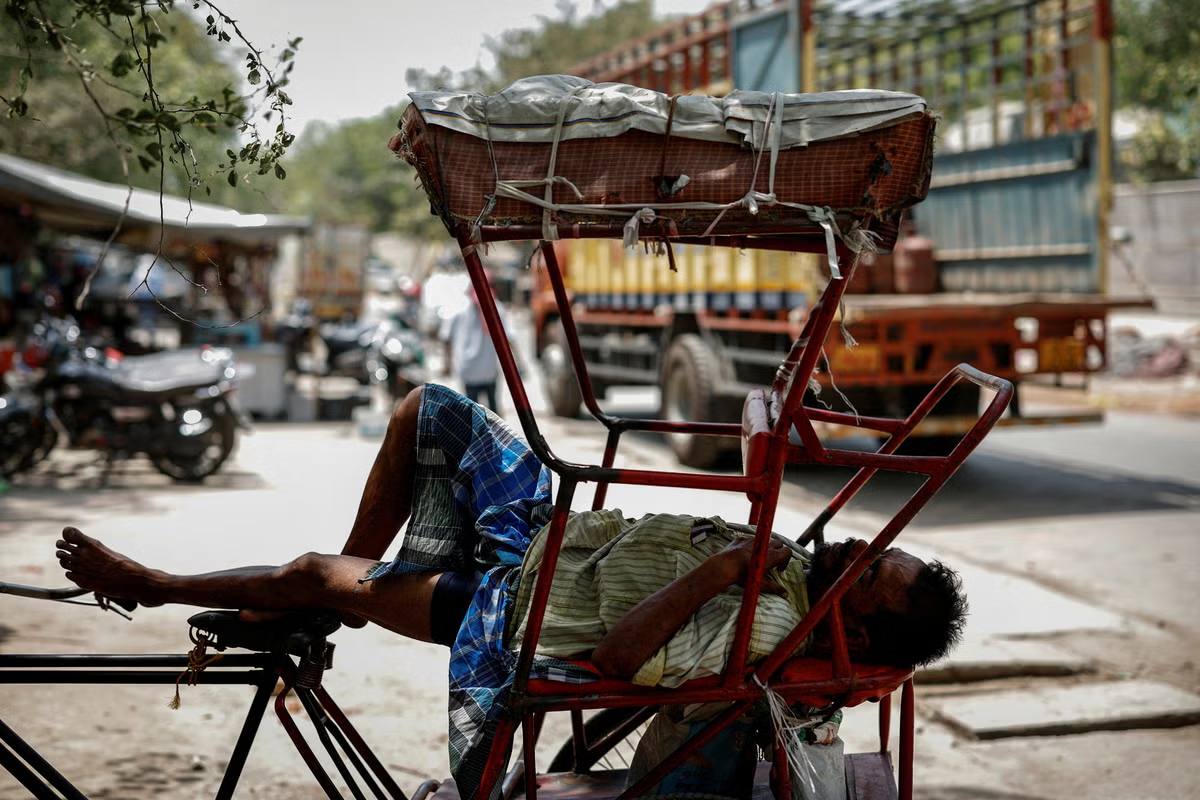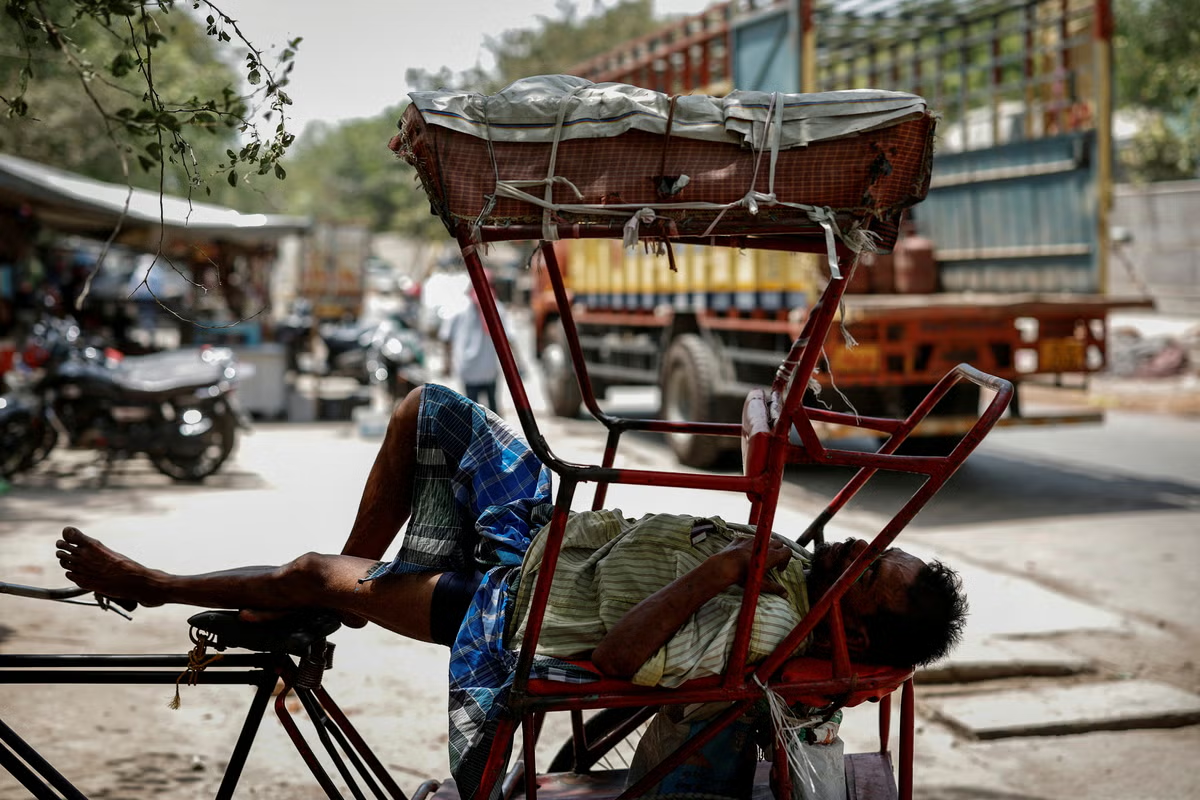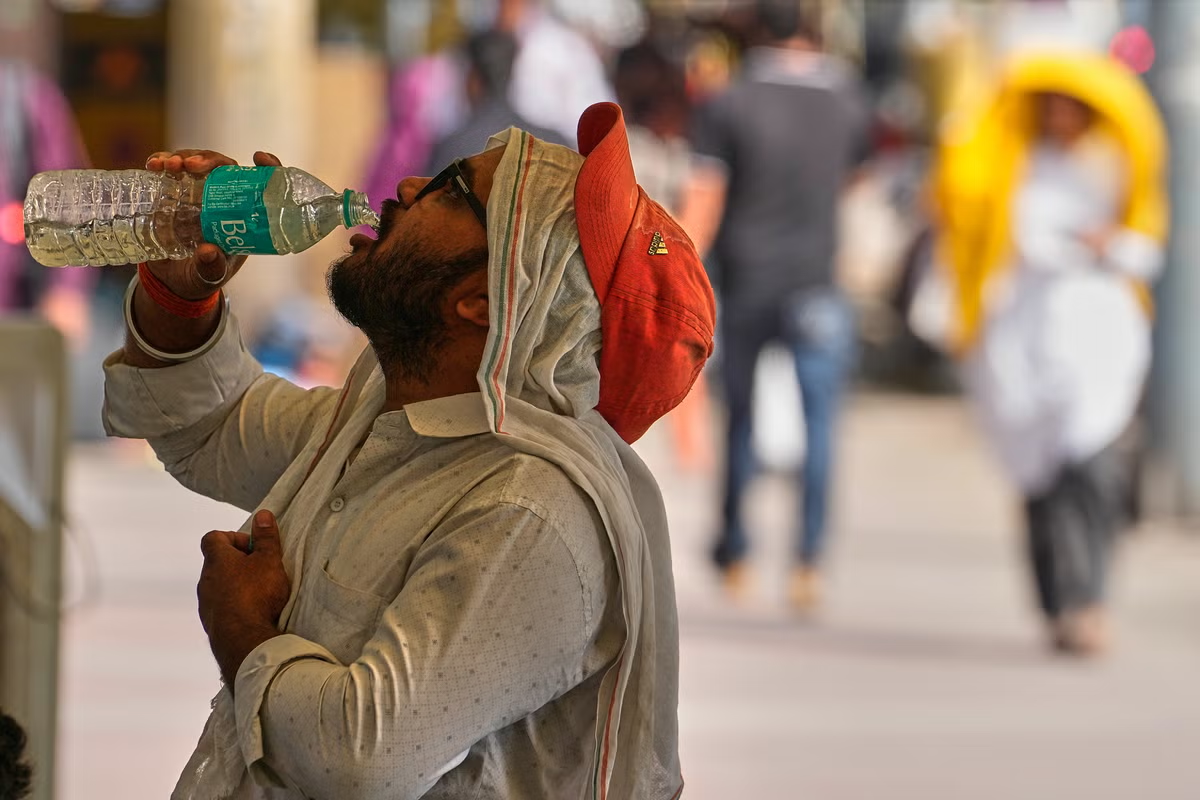
To combat extreme heat, WHO recommends protocols including maintaining cool living spaces, staying hydrated, and avoiding outdoor activities during peak heat. As a relentless heatwave tightens its grip on northwest and central India, temperatures in the national capital and surrounding regions are hovering near 45°C (113°F). While the India Meteorological Department (IMD) maintains a high alert, medical researchers warn that these extremes trigger a life-threatening cascade of multi-organ injury. Also read | India’s hottest district stays over 48°C for fourth straight day, residents call it ‘agni pariksha’Extreme heat kills cells and strains organs. Here's what you should know. (ANI)The biological toll: Why 40°C is the tipping pointResearch published in Springer Nature (2025) and PubMed (2023) highlights that the human body begins to fail at a cellular level when internal temperatures rise.⦿ Cellular death: At temperatures above 40°C, hyperthermia can cause direct cell death. Blood cells, specifically platelets and granulocytes, are highly sensitive to heat, which can trigger inflammation and dangerous blood clotting.⦿ Organ failure: The 'heatstroke pathophysiology' involves mitochondrial damage and oxidative stress, which drive organ dysfunction.⦿ Heart strain: To cool down, the body increases metabolic demand and heart rate. For those with pre-existing conditions, this strain can lead to ischemic heart disease, strokes, and arrhythmias.According to a 2023 Mayo Clinic Health System report, high heat and humidity can seriously impact people with high blood pressure and heart disease. When it’s hot, more blood flows to the skin to help cool the body, forcing the heart to beat faster and circulate up to twice as much blood per minute as usual.People over 50, those who are overweight, and adults with heart, lung, or kidney conditions are especially vulnerable, along with anyone taking diuretics, sedatives, or blood pressure medication, following a low-sodium diet, or dealing with circulation issues. Dehydration is a key risk — if you lose more fluid than you take in, your body can’t function properly, and that can lead to serious complications.Wear light, loose-fitting clothes made of natural materials (like cotton), and use wide-brimmed hats outdoors. (File Photo)WHO-backed defense: how to stay safeTo combat these physiological threats, in 2011, World Health Organisation (WHO) provided specific, updated protocols to prevent heat-related illness.1. Keep your living space cool⦿ The night ventilation rule: Open windows at night and early morning when outside air is cooler.⦿ Block the sun: Close shutters and windows facing the sun during the day. Use shades, draperies, or even wet towels to cool the air (note: wet towels increase humidity).⦿ Fan limits: Electric fans provide relief, but if temperatures exceed 35°C, they may not prevent heat-related illness.⦿ Monitor temperature: ideally, keep rooms below 32°C during the day and 24°C at night. This is critical for infants and those over 60.2. Keep the body hydrated and cool⦿ Clothing: Wear light, loose-fitting clothes made of natural materials (like cotton). Use wide-brimmed hats outdoors.⦿ Hydration: Drink regularly. Avoid alcohol, excessive caffeine, and high-sugar drinks.⦿ Diet: Eat small, frequent meals. Avoid high-protein foods, which can increase metabolic heat.⦿ Cooling: Take cool showers, use cold packs, or sponge down with cool water.3. Strategic movement⦿ Avoid the peak: Stay indoors during the hottest parts of the day.⦿ Morning activity: If you must exercise or perform strenuous labour, limit it to the coolest window: 4 am to 7 am.⦿ Public cooling: If your home is too hot, spend two to three hours in an air-conditioned public building (like a mall or library).Recognising an emergencyAs per the WHO, if you or someone else feels dizzy, anxious, or has an intense headache, move to a cool place immediately and rehydrate with water or fruit juice. If a person presents with hot, dry skin, delirium, convulsions, or unconsciousness, call an ambulance immediately. Move them to a cool place and lay them flat with legs elevated. Initiate external cooling: Place cold packs on the neck, armpits, and groin. Do not give paracetamol or aspirin. If unconscious, place them on their side (recovery position).The WHO highlights 'checking in'. If you know elderly or sick neighbours living alone, visit them at least daily. As the urban heat island effect amplifies these temperatures, staying informed and connected is the best defence against the rising mercury.Note to readers: This article is for informational purposes only and not a substitute for professional medical advice. Always seek the advice of your doctor with any questions about a medical condition.With a keen eye for detail and a heart for storytelling, Sanya is a seasoned lifestyle journalist who has spent over a decade documenting the intersection of aesthetics and substance. Since stepping into the media world in 2012, she has cultivated a career defined by versatility, curiosity, and an unwavering passion for what makes life both beautiful and meaningful.
India heatwave: How temperatures above 40°C attack the human body; take these steps to protect yourself and your family
To combat extreme heat, WHO recommends protocols including maintaining cool living spaces, staying hydrated, and avoiding outdoor activities during peak heat. | Health
1,029 words~5 min read