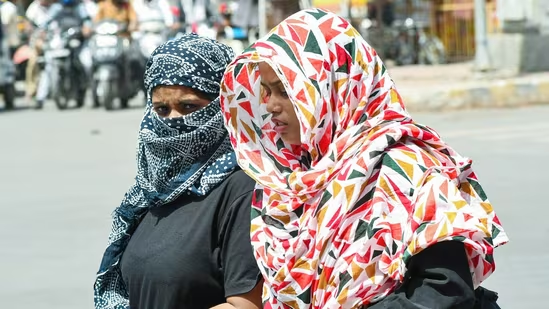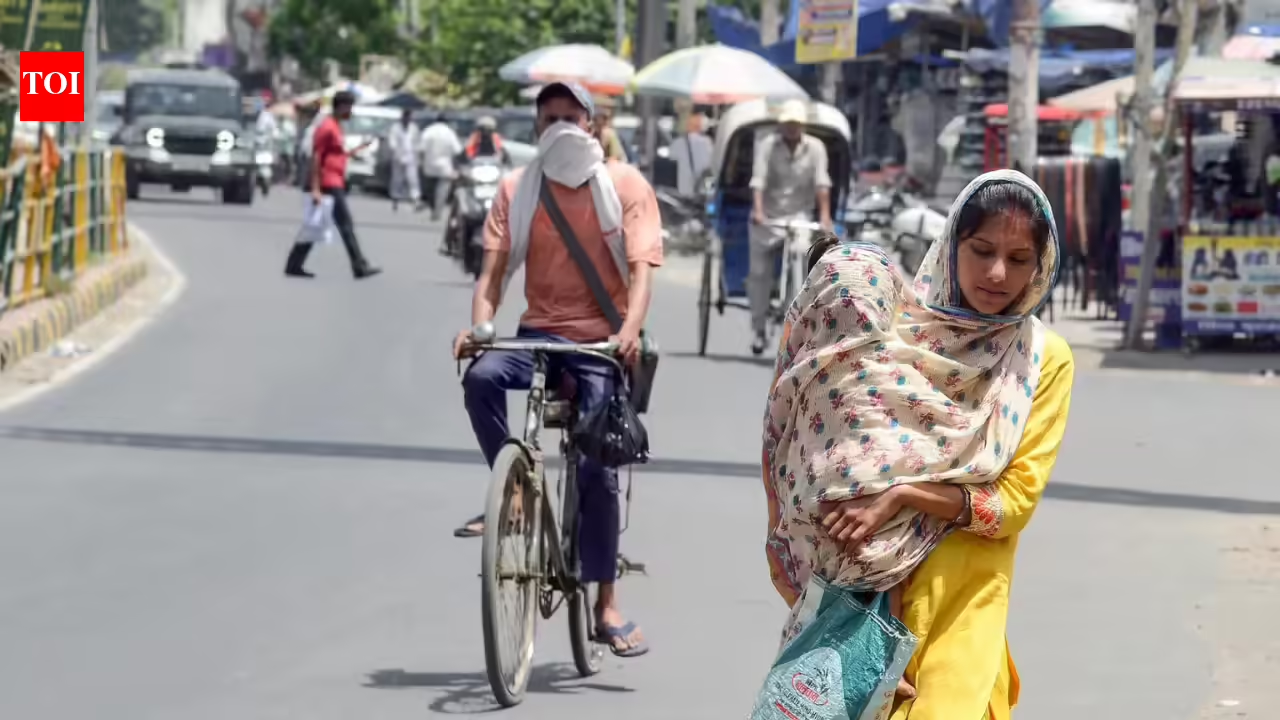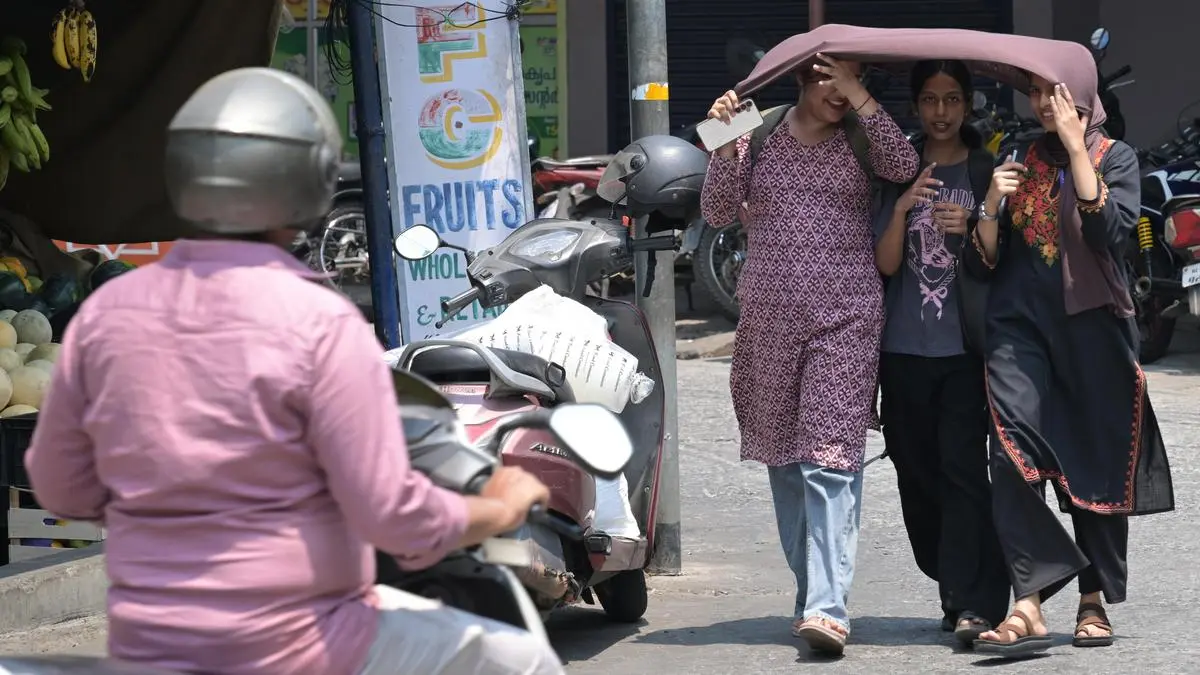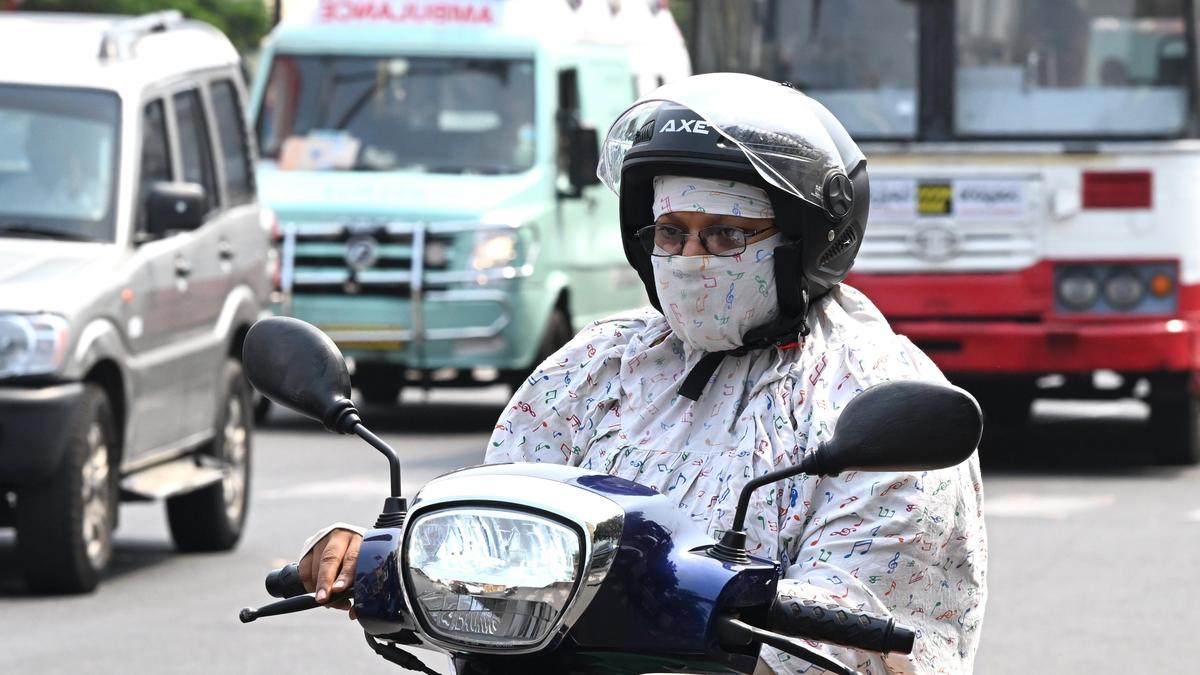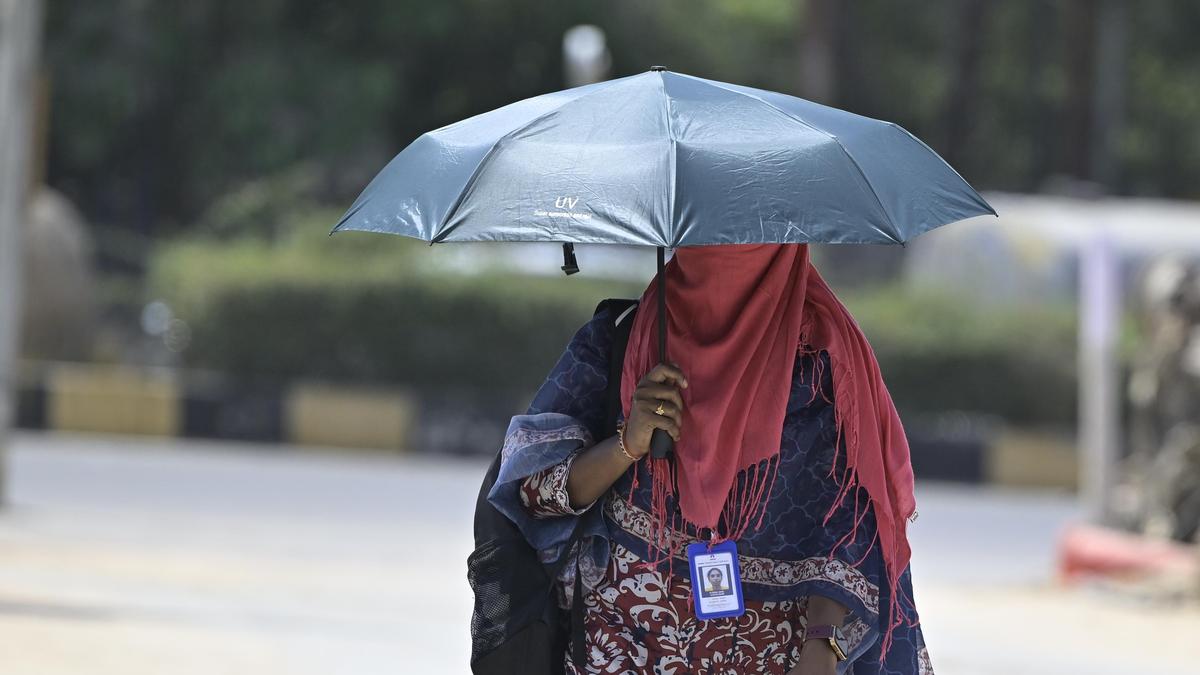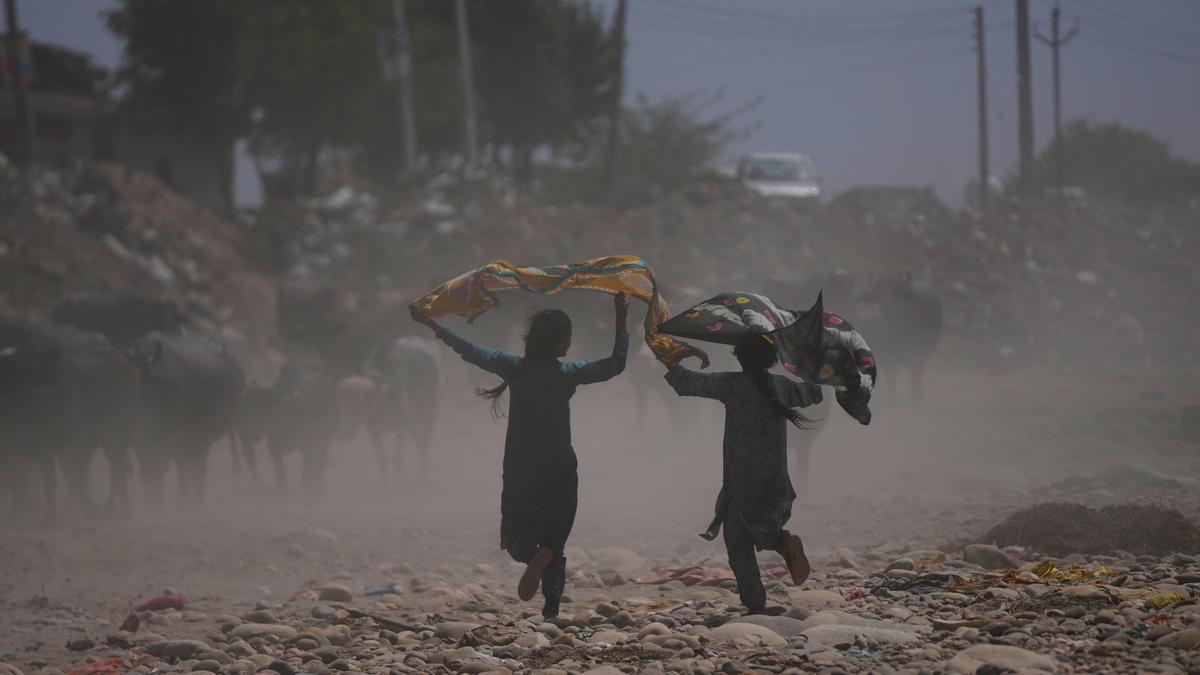
With temperatures continuing to rise across several parts of India, the Ministry of AYUSH and the Director General of Health Services have issued an important public health advisory to help people protect themselves during ongoing heatwave conditions.The warning comes as many regions experience dangerously high daytime temperatures, increasing the risk of dehydration, heat exhaustion and heatstroke. Health experts say prolonged exposure to extreme heat can seriously affect the body, especially among children, older adults, outdoor workers and people with existing medical conditions.While most people know they should drink more water during summer, the advisory also highlights traditional Indian cooling foods, natural summer drinks and daily habits that may help the body cope better with intense heat. What is heatstroke and why is it dangerous?Heatstroke is a medical emergencyHeatstroke happens when the body temperature rises dangerously high and the body can no longer cool itself properly. It is considered one of the most serious heat-related illnesses.If not treated quickly, heatstroke can damage the brain, heart, kidneys and muscles. In severe cases, it may even become life-threatening.Common signs of heatstrokeAccording to health experts, warning signs may include:DizzinessSevere headacheNausea or vomitingMuscle crampsExcessive sweating or unusually dry skinRapid heartbeatConfusion or disorientationDark yellow urineFaintingSeizures or unconsciousness in severe casesDoctors advise seeking immediate medical attention if someone shows signs of heatstroke.Best drinks to stay hydrated during a heatwaveWater remains the most important drinkStaying hydrated is one of the simplest and most effective ways to protect the body during extreme heat.Health experts recommend drinking water regularly throughout the day instead of waiting until you feel thirsty. People who spend time outdoors or sweat heavily may need extra fluids.Traditional Indian summer drinksButtermilkButtermilk, also known as chaas, helps replenish fluids and may support digestion during hot weather. It is often consumed with cumin, mint or a small amount of salt.Coconut waterCoconut water contains natural electrolytes and can help maintain hydration levels, especially after sweating.Lemon waterFresh lemon water with a pinch of salt may help replace fluids lost during excessive heat exposure.Aam pannaThis traditional raw mango drink is popular during Indian summers and is often used to help the body cope with high temperatures.Sattu drinkMade from roasted gram flour, sattu is widely consumed in parts of North India during summer because it is filling and hydrating.Cooling foods that may help the body during extreme heatEat light and hydrating mealsHeavy, oily meals can sometimes make people feel more sluggish during intense heat. The advisory encourages lighter meals with water-rich foods.Best foods to include during a heatwaveHealth experts often recommend:WatermelonCucumberMuskmelonOrangesYoghurtMintLeafy vegetablesSeasonal fruits with high water contentThese foods may help maintain hydration while also providing essential nutrients.Habits that can help prevent heatstrokeAvoid direct sun exposure during peak hoursExperts advise avoiding outdoor activity between 12 pm and 3 pm whenever possible, as temperatures are usually highest during this period.If going outdoors is unavoidable:Wear loose cotton clothingUse caps, hats or umbrellasCarry waterTake regular breaks in shaded areasNever ignore dehydrationOne of the biggest risks during heatwaves is dehydration.Signs of dehydration may include:Dry mouthFatigueReduced urinationDark urineHeadachesEven mild dehydration can affect energy levels and concentration.Keep homes coolSimple steps may help reduce indoor heat:Keep curtains closed during peak sunlightUse fans and ventilationAvoid using heat-generating appliances unnecessarilyStay in cooler parts of the house during the afternoonWho is most at risk during heatwaves?Certain groups need extra careHealth authorities say the following groups face a higher risk of heat-related illnesses:Elderly peopleInfants and childrenPregnant womenOutdoor labourersAthletesPeople with heart disease, diabetes or high blood pressureFamily members are encouraged to regularly check on vulnerable individuals during periods of extreme heat.What to do if someone shows signs of heatstrokeImmediate action can save livesIf someone appears confused, faints or develops severe symptoms after heat exposure:Move them to a cool or shaded areaGive water if they are consciousLoosen tight clothingUse cool cloths or water on the bodySeek urgent medical help immediatelyHeatstroke should never be treated casually.Why traditional summer habits still matterMany traditional Indian summer practices, from drinking chaas and aam panna to wearing light cotton clothes, are now being reinforced by health experts during heatwave conditions.Doctors say these simple habits may help the body stay cooler and better hydrated when temperatures become extreme.As heatwaves become more frequent across India, following basic hydration, diet and lifestyle precautions could play an important role in preventing serious health complications during the summer months.Inputs from agencies
Heatwave advisory: AYUSH ministry shares what to drink, what to eat and what to avoid right now
Indias Ministry of AYUSH and the Director General of Health Services (DGHS) have issued a public health advisory amid ongoing heatwave conditions across the country. The warning highlights the risks associated with heatstroke and provides guidance on staying hydrated, consuming cooling foods and adopting preventive daily habits. The advisory also emphasises traditional Indian remedies and simple lifestyle measures to help people cope with extreme heat.
714 words~3 min read