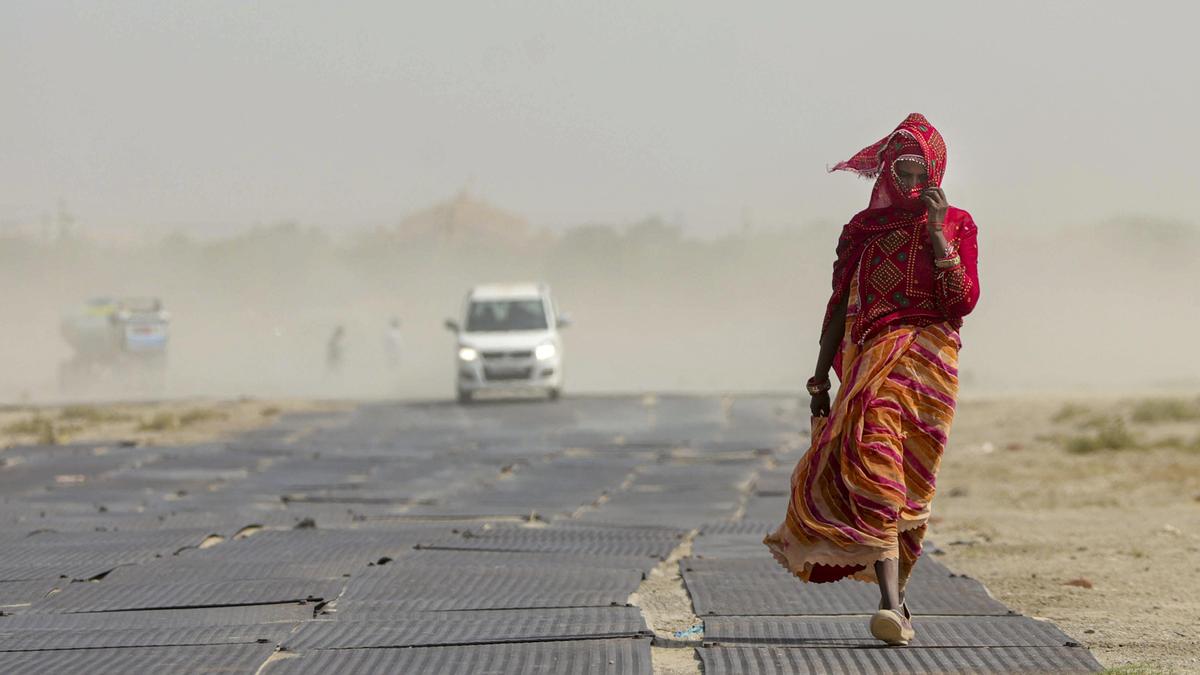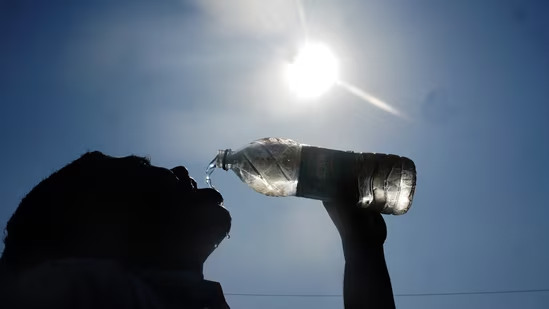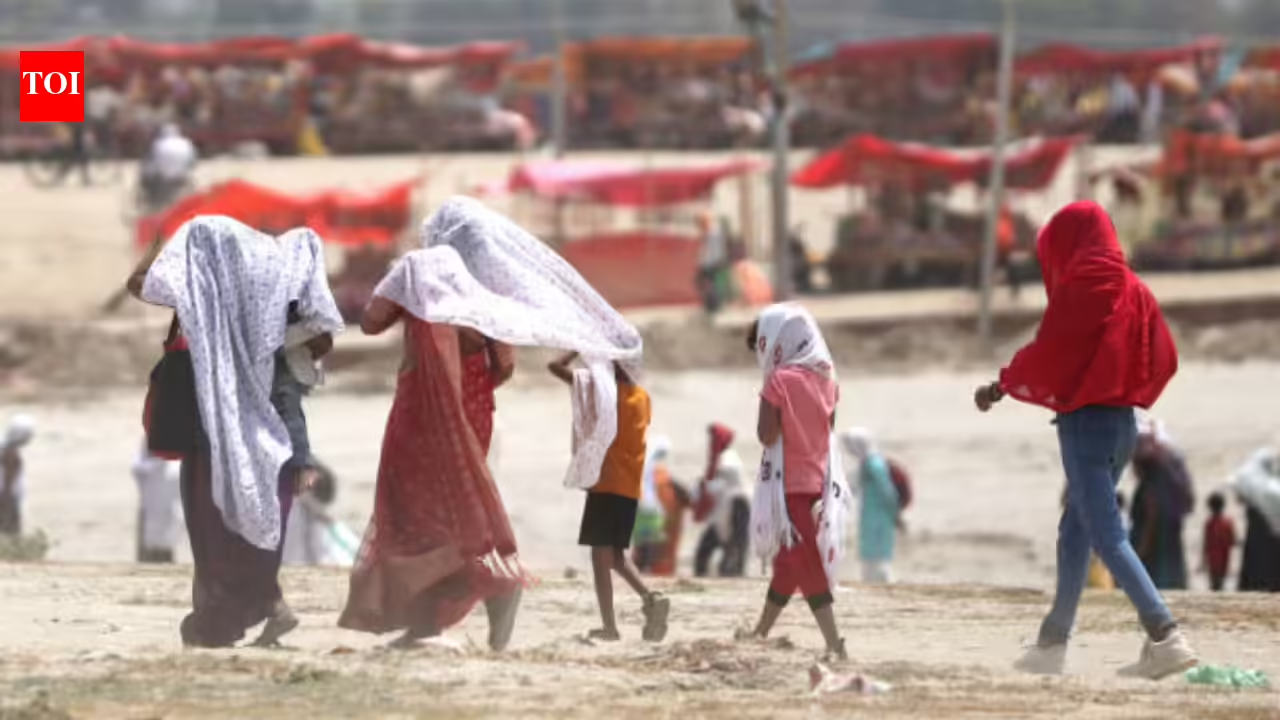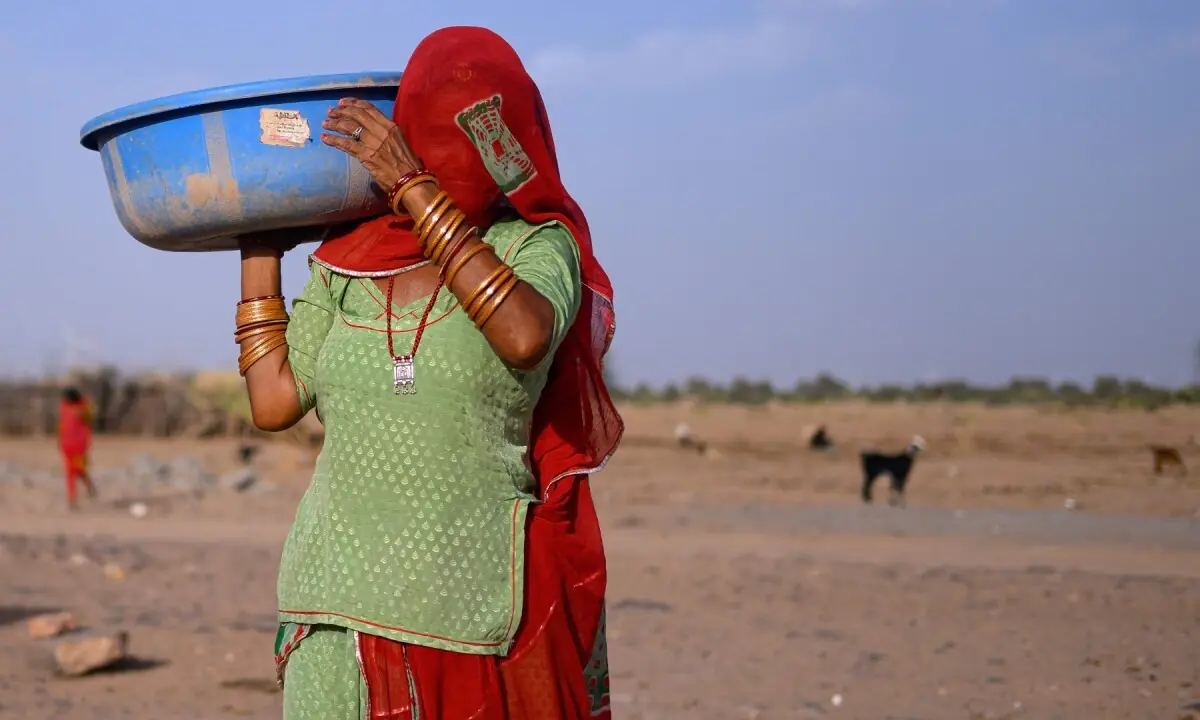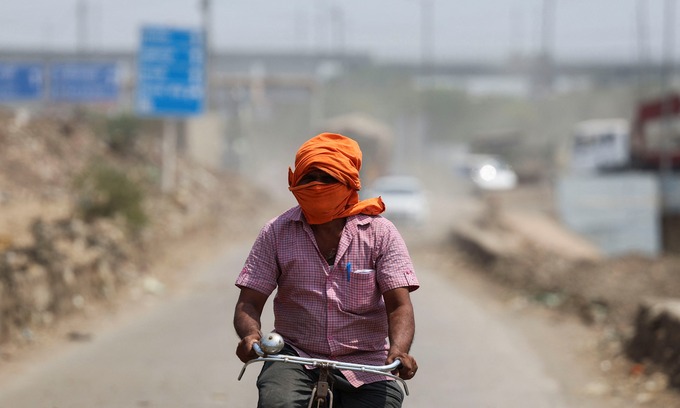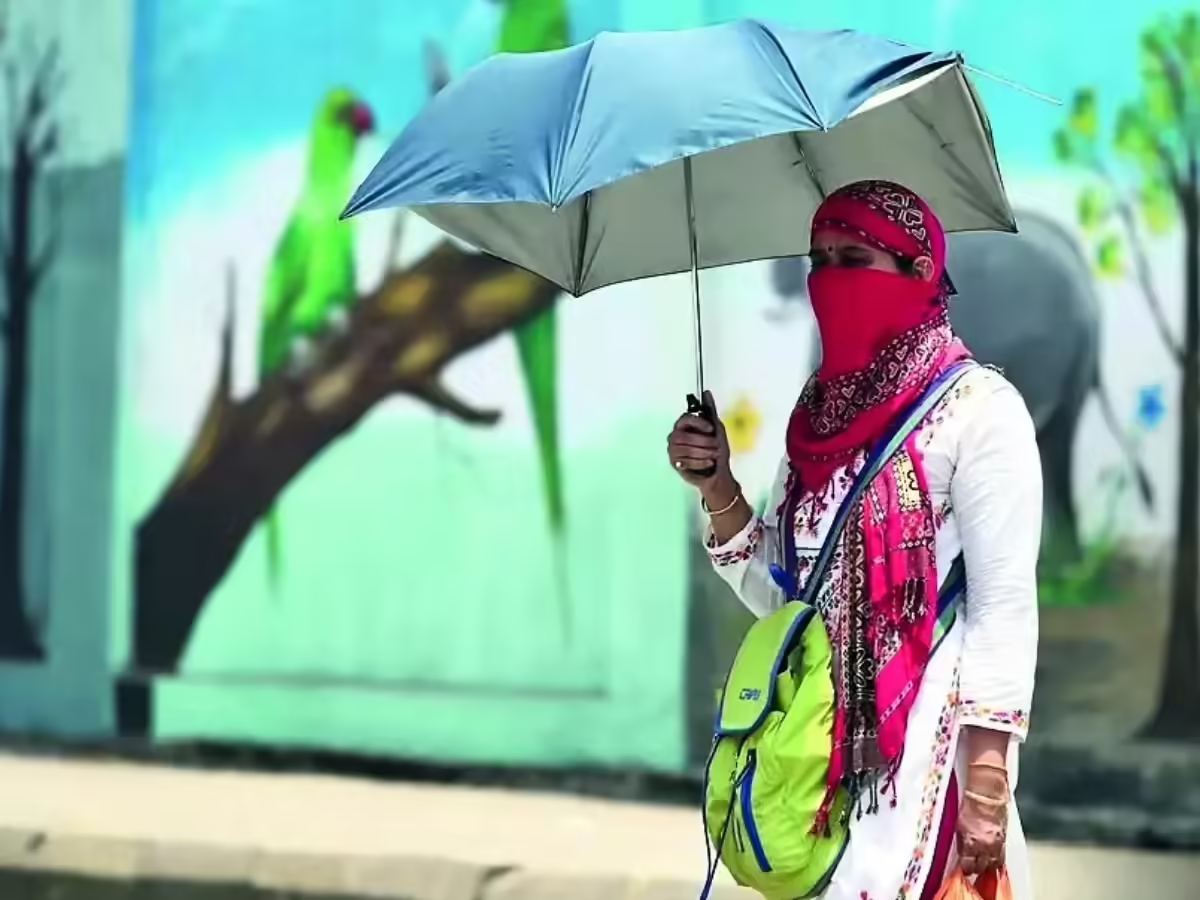
Summers have always been severe. But the change now lies in the intensity of heat, geographic spread, duration, and pressure it places on human endurance, public infrastructure and administrative systems.On April 27, and then again on May 22, every one of the world's 50 hottest cities was in India. The significance of this event was not that one city recorded an exceptional maximum temperature, but that dangerous heat had settled across a large part of the subcontinent, with little relief even after sunset. When hot days are followed by hot nights, heat becomes a cumulative physiological stress.This also exposes the limits of the way we describe heat. The daily maximum temperature does not capture humidity, night-time heat retention, thermal quality of housing, access to shade and water, vulnerability of outdoor workers, or reliability of electricity.The crisis has moved beyond meteorology into public administration, labour protection, urban design and health planning. India has strengthened its forecasting capacity. Several cities now have heat action plans. These are important gains. But alerts have limited value unless they are matched by safeguards and material support.The heat burden borne by different segments of the population is poorly measured. Heat-related illness and death often disappear into other categories: heart failure, respiratory distress, exhaustion or dehydration. Economic costs are dispersed across lost workdays, reduced productivity, hospital visits, crop stress and interrupted schooling. What is poorly measured is easier to treat as marginal, even when it is becoming a recurring feature of Indian summers.The central mistake is treating heat action as an emergency response triggered only when temperatures cross a warning threshold. By then, decisions that shape exposure have already been made: how much tree cover is preserved, what buildings are permitted, whether low-income housing is ventilated. A heat action plan activated only during a heatwave is responding to consequences of earlier planning failures.Heat resilience, therefore, must be built into ordinary governance. National Disaster Management Authority (NDMA) and state disaster management authorities should treat heat as a predictable disaster risk, with clear standards, financing and accountability for municipal implementation.Shade and ventilation should be treated as public infrastructure, not as design preferences. Streets need tree cover. Bus stops need protection from direct sun. Markets need drinking water. Public toilets and labour sites need rest areas and enforceable work-hour protocols. Health facilities need heat illness protocols, trained staff and backup power.Thermal safety cannot remain a private good available mainly to those who can afford it. Public housing, schools, anganwadis, hospitals and government buildings should be designed to reduce indoor heat through roof treatment, material choice, cross-ventilation, shaded courtyards and orientation. Such measures will not eliminate the need for mechanical cooling, but they can reduce dependence on it and protect those least able to buy private comfort.None of this can be done through advisories alone. Heat resilience needs dedicated public finance, which should also be used to lower the cost of cool roofs, efficient appliances, resilient building materials and cooling technologies that remain beyond the reach of poorer households and small businesses.The cooling question also has to be addressed directly. Air-conditioning demand will rise. But if cooling expands without efficient appliances, cleaner power, battery storage, pumped hydro and stronger distribution networks, it will place new stress on the grid and deepen the emissions problem.This is why adaptation and mitigation must be pursued together. CO2 remains the central long-term climate challenge, but methane, black carbon and ground-level ozone also matter because they contribute to near-term warming and damage health. Reducing them can deliver quicker benefits.Heat is now a core development question. It belongs in municipal budgets, building codes, labour protections, school calendars, electricity planning and public health systems. A country built for an older climate has to adapt. Financing cities, reforming building rules, protecting outdoor labour, preparing hospitals, strengthening the grid and cutting pollutants that heat the air are no longer optional civic improvements. In a hotter India, they are minimum conditions of public safety.The writer is director, India programme, Institute for Governance & Sustainable Development(Disclaimer: The opinions expressed in this column are that of the writer. The facts and opinions expressed here do not reflect the views of www.economictimes.com.)
Put a freeze on extreme heat: Why India needs more than just heatwave warnings - The Economic Times
India faces severe heatwaves. Dangerous heat now affects large areas with little relief. This crisis demands action beyond meteorology. Heat resilience needs to be integrated into daily governance. Public infrastructure like shade and ventilation is crucial. Dedicated public finance is required for cooling solutions. Heat is now a fundamental development issue for India's public safety.
688 words~3 min read