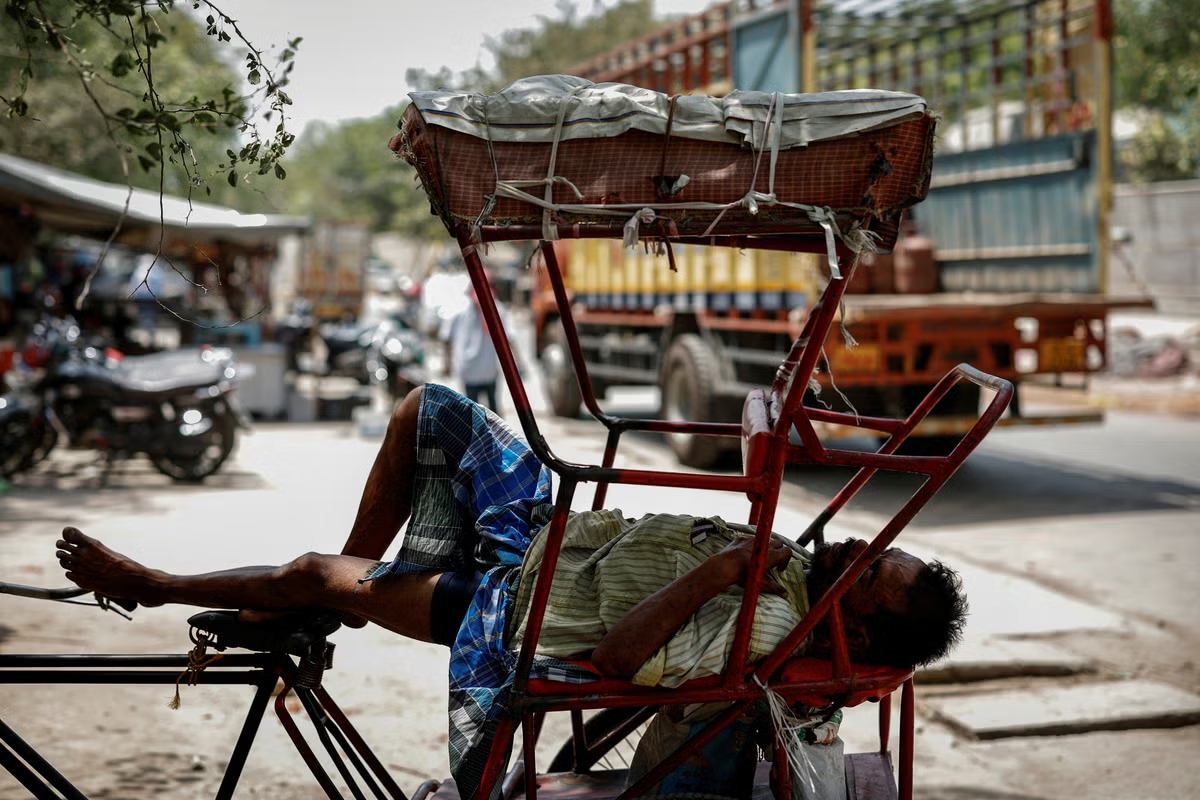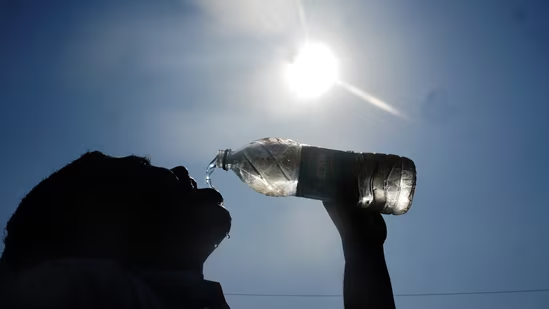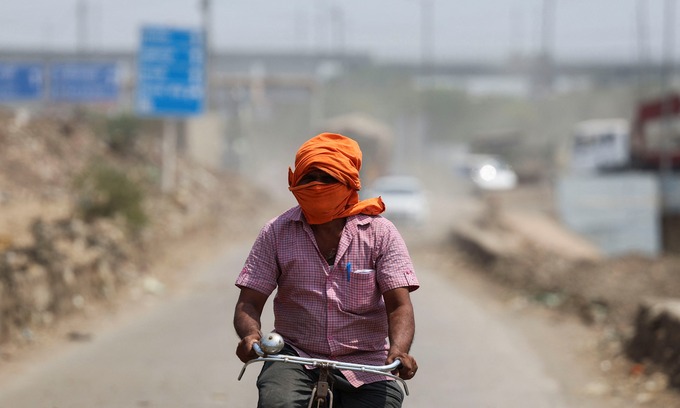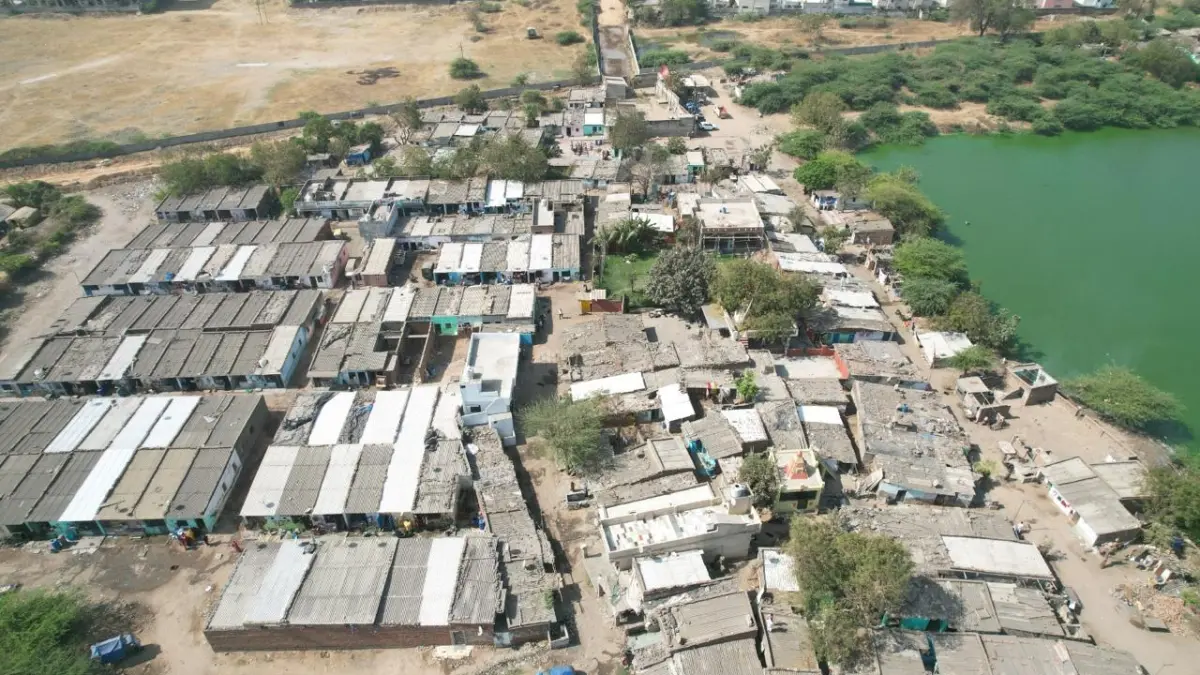
Sri Ganganagar, in Rajasthan touched 48° Celsius this week, the hottest that India has been this year so far. Scorching summer heat in the run-up to the monsoon, which is delayed, is not unusual, but many Indians in the informal sector have to work directly under the sun in unprotected environments. Climate change is inextricably linked to heatwaves. India Meteorological Department data show that the frequency of heatwave spells has risen by 0.1 days per decade since 1961 over India’s Core Heatwave Zone that includes the central, northwestern, and eastern coastal regions, or about 30% of India’s total land area. Their maximum duration has increased by 0.55 days per decade; and the 2015-25 interval is, according to the World Meteorological Organization, the warmest 11-year stretch since records began. But the emissions that produced these numbers are only the proximate villain. What makes India’s heat uniquely lethal is not the atmosphere alone. Urban heat islands across Indian cities now run 2°C to 10°C hotter than their surrounding rural areas, the difference manufactured by concrete, asphalt, the butchering of tree cover, and the waste heat exhaled by the thousands of air-conditioners cooling offices. Delhi’s average humidity rose by eight percentage points between 2015-19 and 2020-24. This has a lot to do with an increasingly sealed urban surface than global warming alone. This is where the seduction of the technological fix becomes dangerous with the instinct being to reach for more, better and cheaper ACs. This might shield the privileged office worker at the expense of the vast majority, many of whom are outdoor workers and street vendors. Paradoxically, the machines are, in a thermodynamic sense, fuelling the problem.What is called for instead is unglamorous, slow and politically difficult: urban design that mandates reflective materials and green cover, building codes calibrated to a climate that has already shifted; and, most urgently, the enforcement of labour laws that already exist but are honoured largely in the breach. These laws require employers to stop outdoor work when the heat index crosses thresholds that human physiology cannot safely absorb. India has not yet had a serious national conversation about budget heads for heat management. Published - May 30, 2026 12:20 am IST
Concrete fever: on India and heat management
India must build cooler cities through green cover and reflective materials
366 words~2 min read