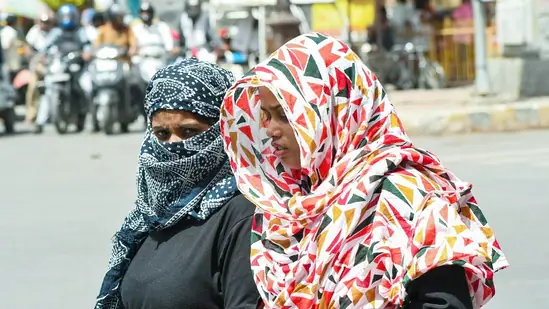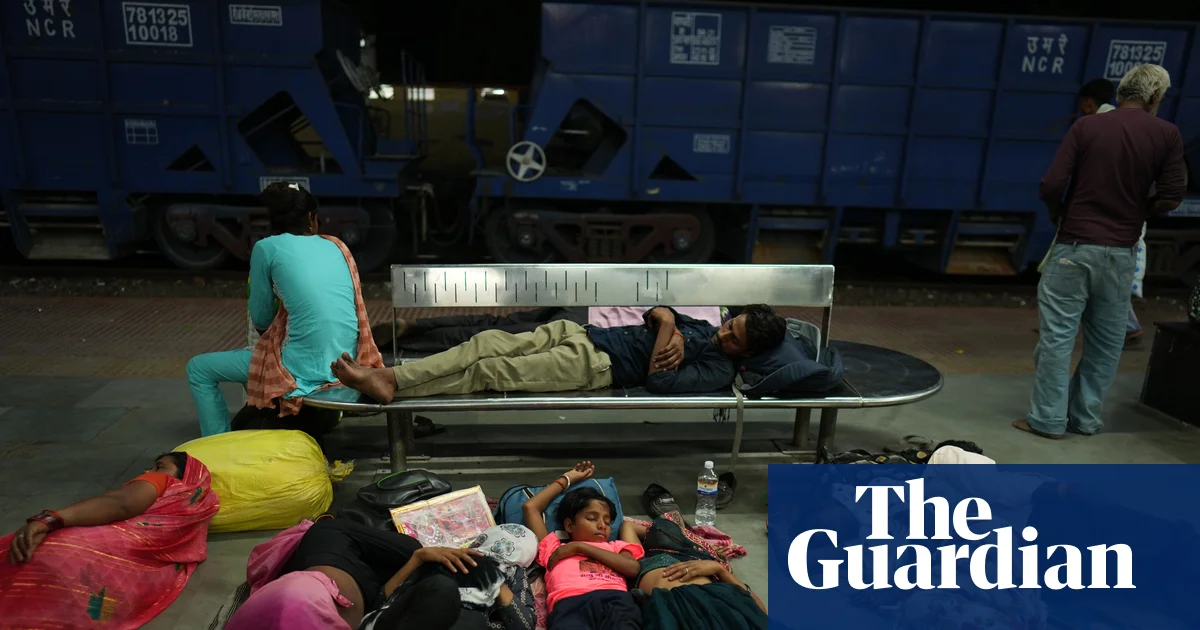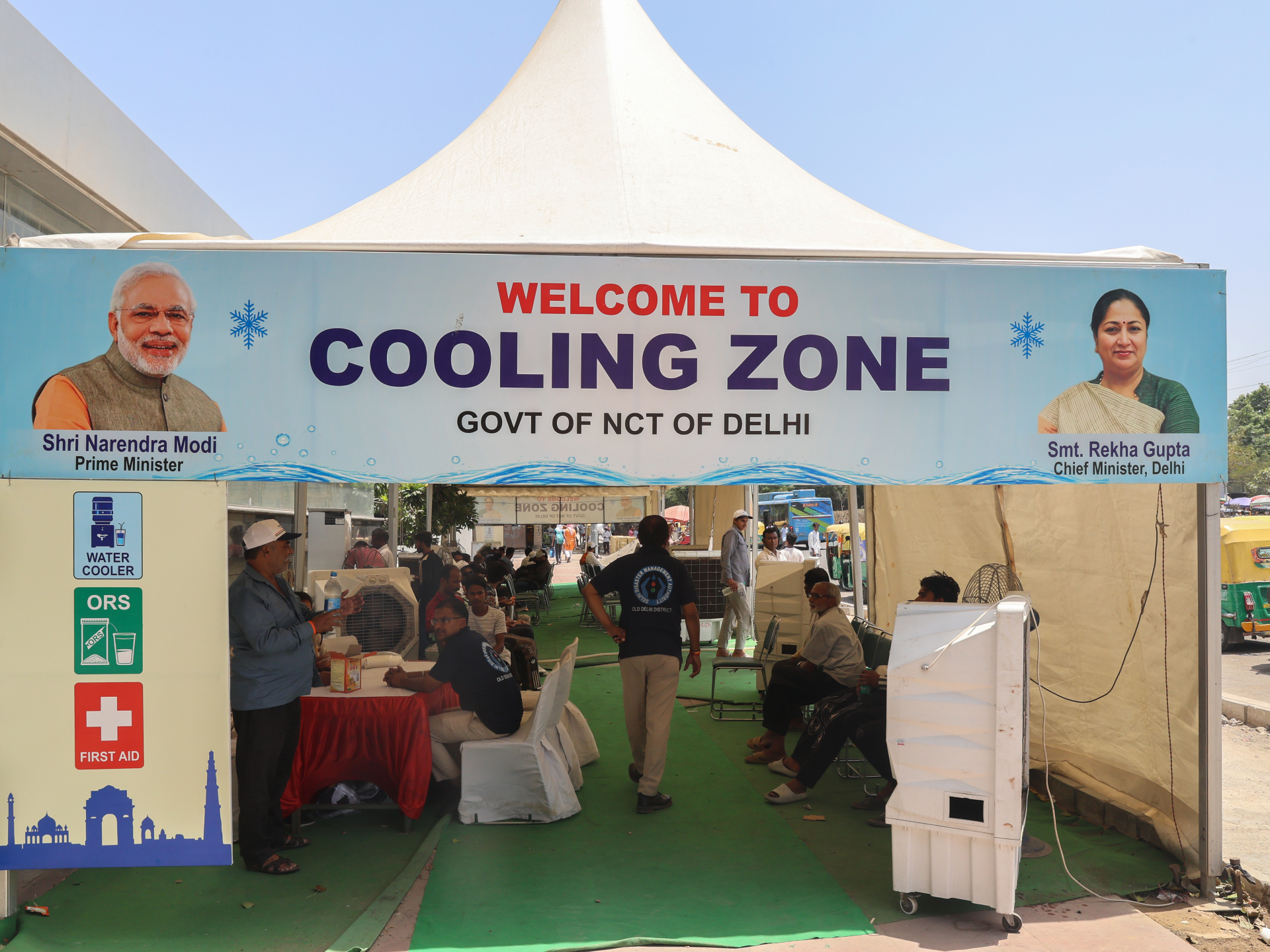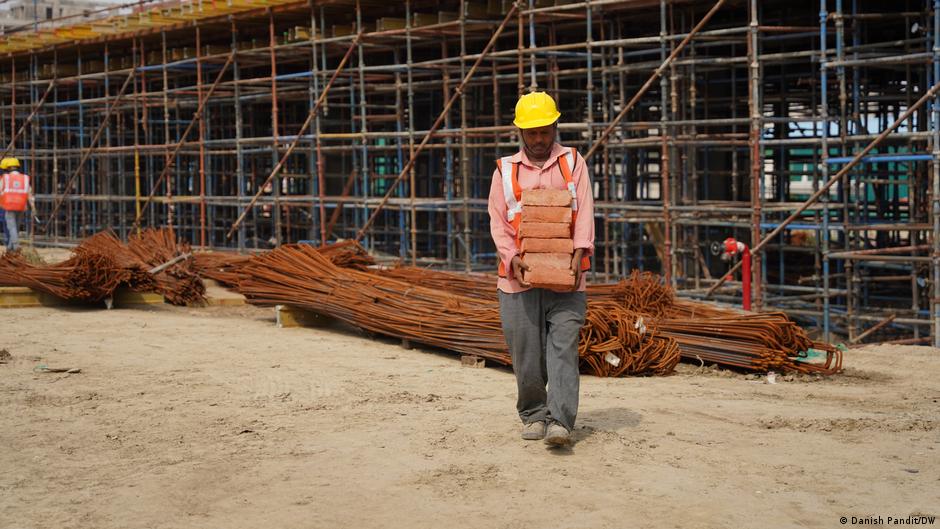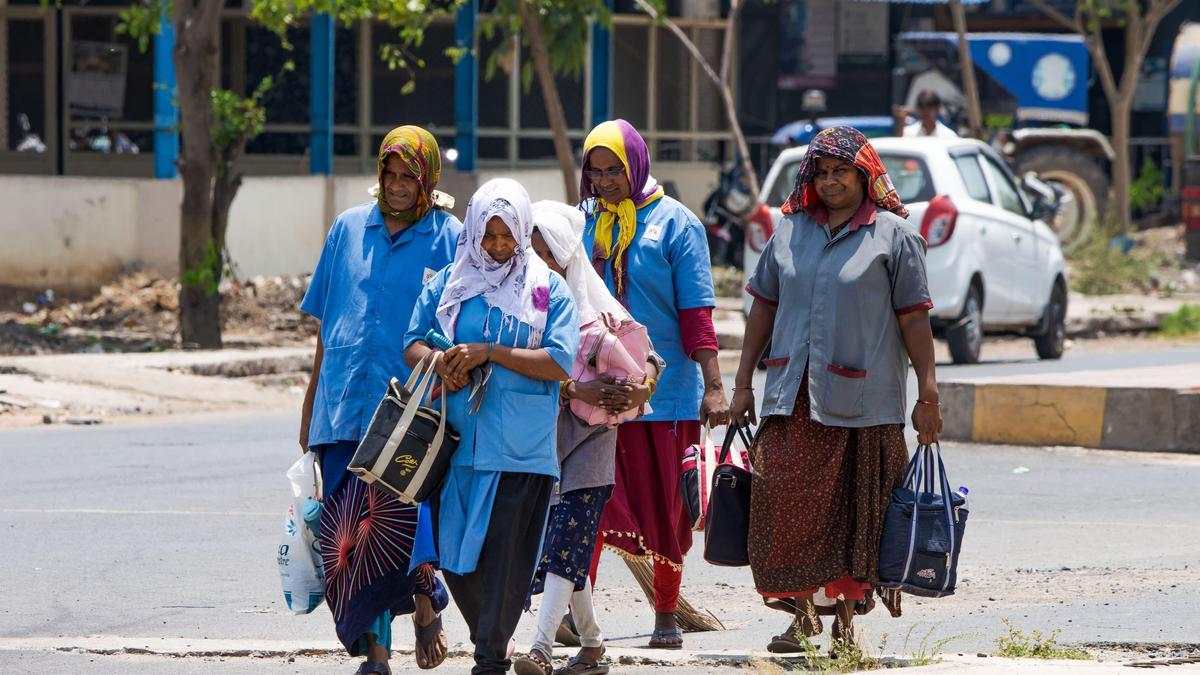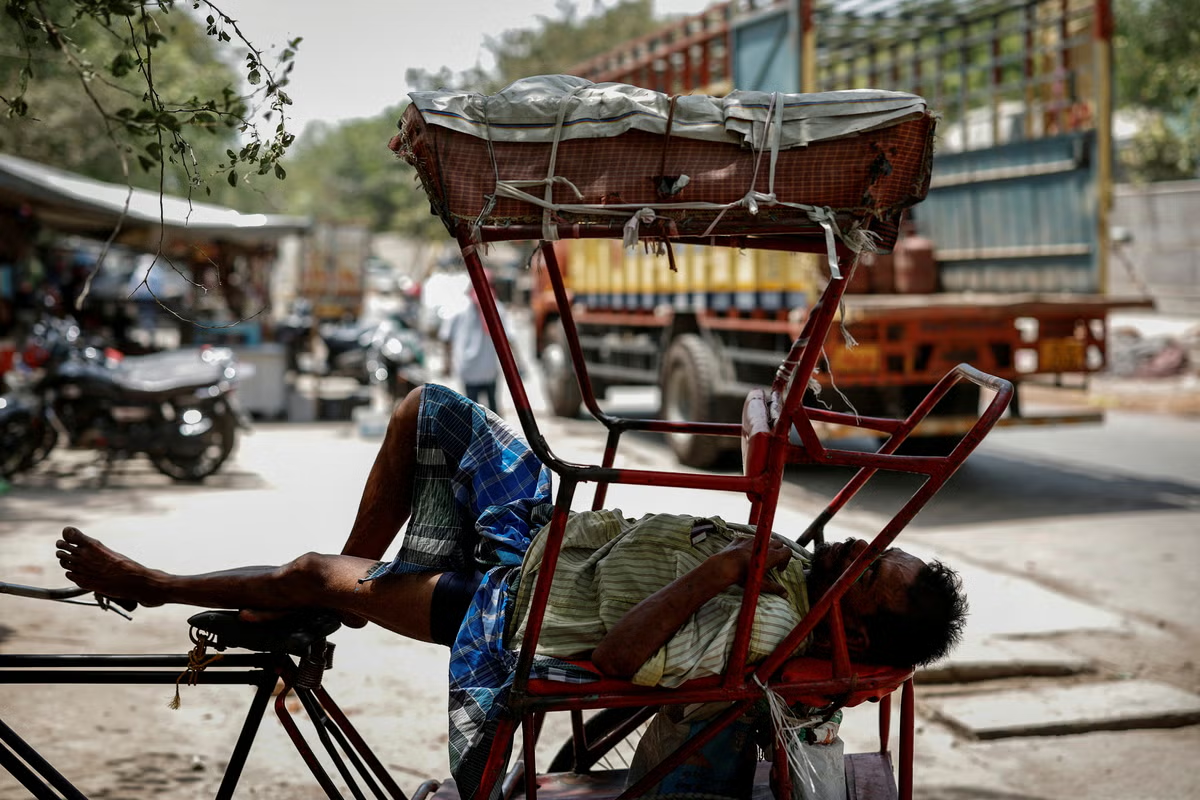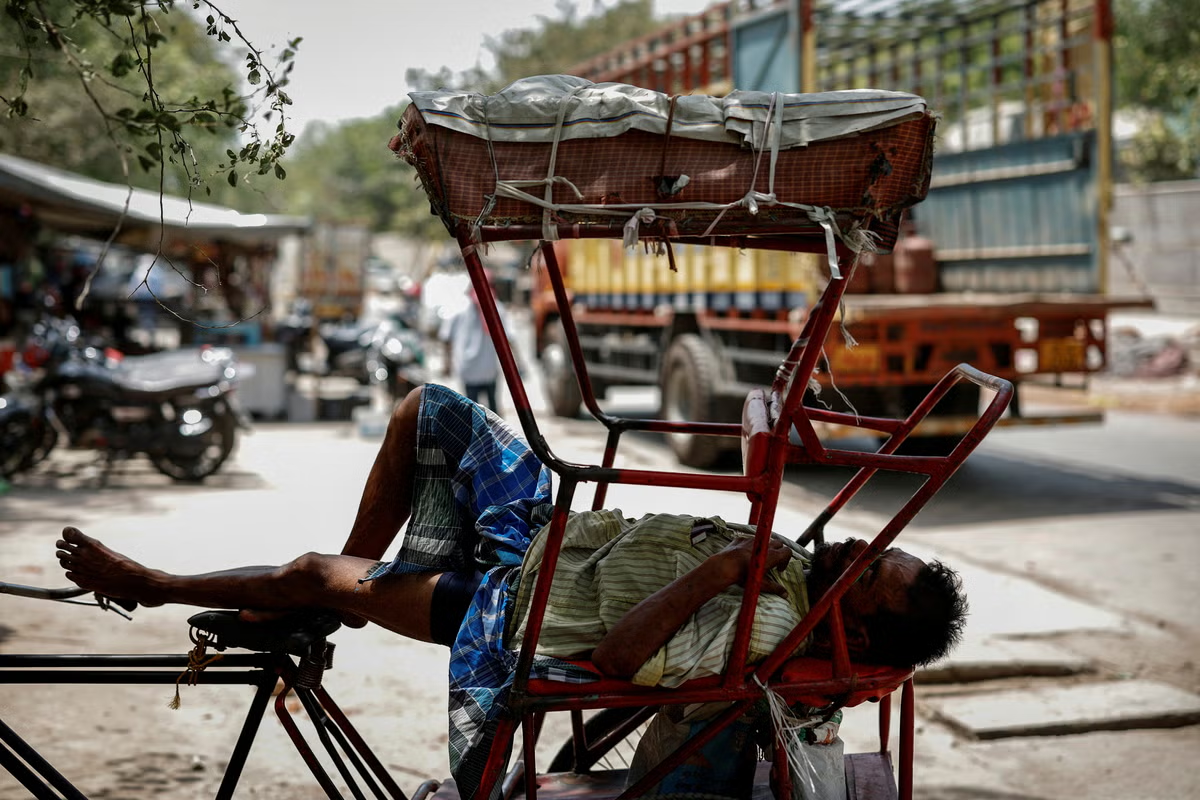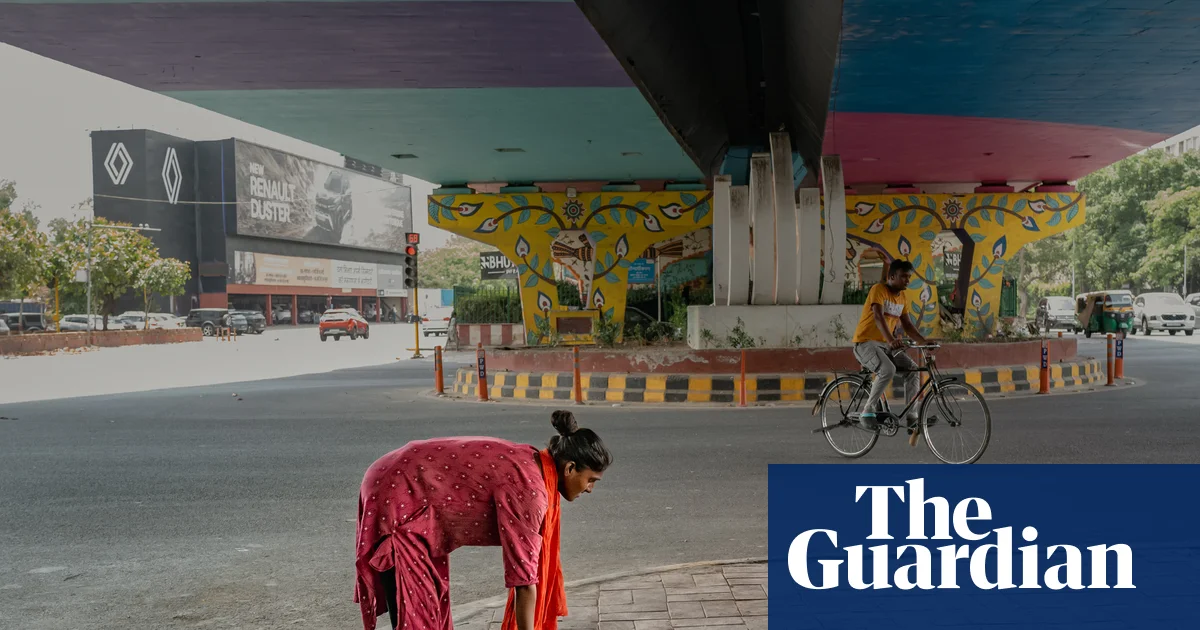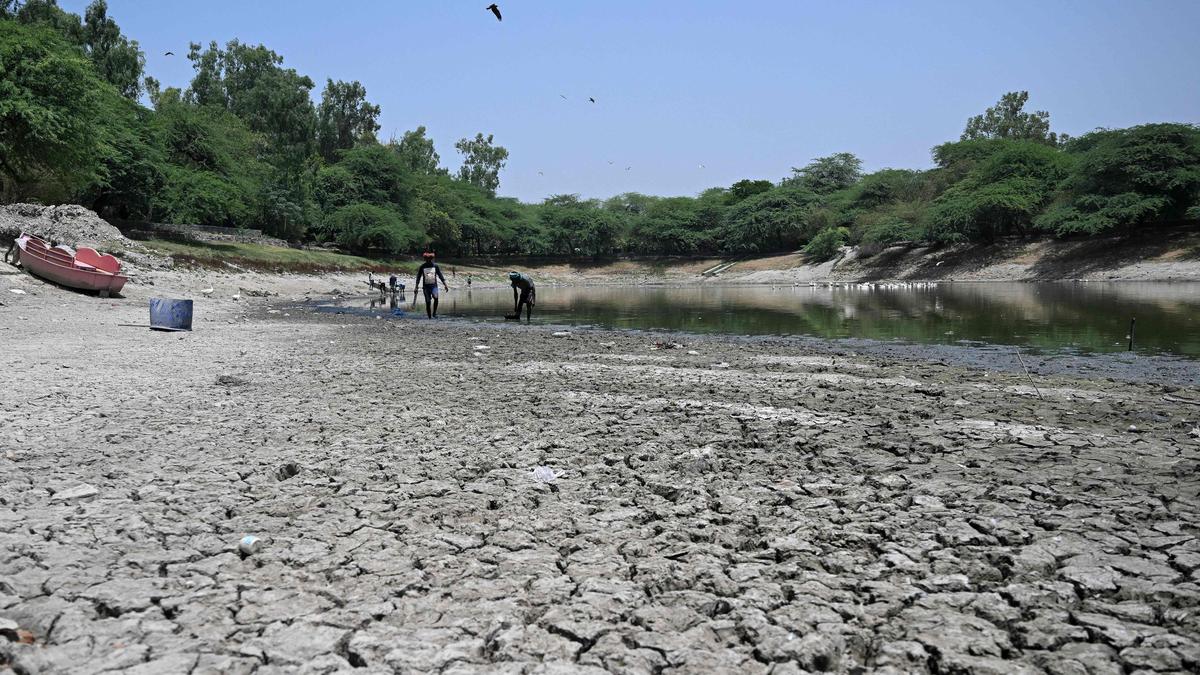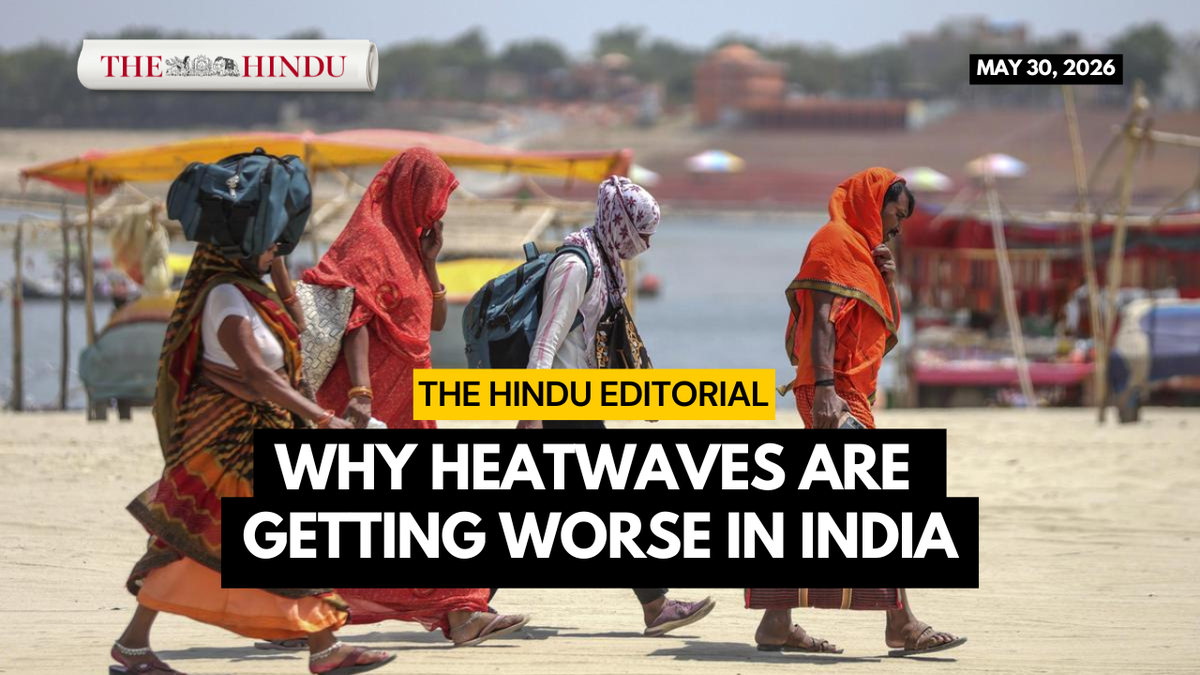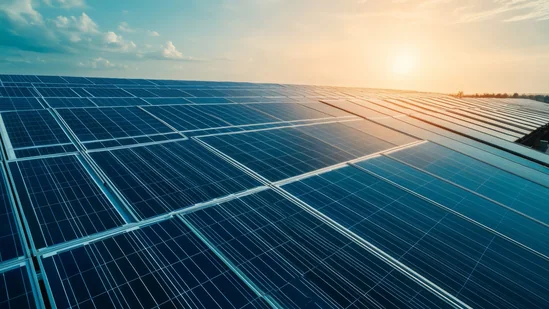
Near Patna, on May 30, 2024, Satendra Kumar, a carpenter, forced himself to ride his bicycle to work despite feeling unwell. He had a loan to repay for his daughter's marriage. Temperatures that day breached 45°C and night temperature ranged from 35˚C to 40˚C. His family's one-room shanty had no cooler; the roof baked all day and through the night. He had no shade at his worksite. On his way home, he lost consciousness and fell off his bicycle less than a kilometre from his home. His family found him that evening at a government health centre. He did not survive due to limited diagnostic capacity in rural areas. His only safety net was a government scheme that pays for the ICU after the heatstroke. Satendra Kumar did not need a better SMS alert. He needed a cooler roof.Solar Power (Stock.adobe.com)We call this a health crisis. It is not. It is an infrastructure design failure, and we are rebuilding it every monsoon season.About 57% of Indian districts, home to 75% of the population, are now classified at high to very high heat risk. Concrete and metal roofs, asphalt roads, rail yards, parking lots and glass-heavy urban facades absorb sunlight all day, then release it long after sunset, keeping neighbourhoods dangerously hot through the night. The real danger is nighttime temperature. When night’s stay hot, the body cannot recover from heat stress accumulated during the day.In many Indian cities, the urban heat island effect keeps night temperatures 4 to 6°C hotter than nearby rural areas. When this happens across several nights, heat stress compounds and people die. TheInternational Labour Organization estimates India loses 5.8% of total working hours every year to heat, one of the highest rates in the world. The situation will get worse before it gets better.A preprint study published in March 2026 by Dey Munshi et al. tracked heat mortality data across 67 Indian cities from 1970 to 2023, then projected two future scenarios. One under moderate emissions, when deaths rise but remain preventable. The other under a high-emission scenario, when deaths increase sharply, several times larger, arriving faster and hitting the cities that are already among the hottest in the world. Hyderabad, Nagpur, Ahmedabad, Rajkot, Jodhpur, and the dense northern belt of Delhi, Patna, Lucknow, Varanasi and Kanpur all at highest risk. The reason is not temperature alone. These cities are defined by dense informal housing and severely limited access to cooling among low-income populations, turning heat from a seasonal danger into a permanent public health emergency. We treat this with advisories, SMS alerts and emergency responses. We should be treating it with infrastructure.India has not seen solar power as a cooling technology. Dark rooftops left exposed to sun absorb intense heat all day. When solar panels are installed above them, they act as a canopy and roof temperatures fall by 30 to 40%, keeping rooms measurably cooler without a cooler or a unit of air conditioning. The surrounding air heats up more slowly. Electricity and cooling are generated simultaneously from the same investment. Indian Railways, the largest concentration of heat-absorbing surface in the country, manages approximately 68,000 kilometres of dark ballast, metal rolling stock and concrete platforms baking under summer sun. Solar canopies above platforms and rail yards would cut surface temperatures by 20 to 30% while generating power for the Railways itself. The technology exists. The surface area exists. The will does not.France Agrivoltaics field trials conducted by TSE and INRAE in 2025 demonstrated significant cooling effects that could be life-saving in the Indian context. Agrivoltaics just not provide green energy but also protects crops, saves water, and reduces the lethal heat burden on agricultural labourers with an average temperature reduction of 1.4°C on the hottest days, reaching as much as 7°C during extreme heatwaves. India does not need a new programme. The PM Surya Ghar Muft Bijli Yojana has already installed rooftop solar across millions of systems. PM-KUSUM scheme carries a 10-gigawatt agrivoltaic target for solar setups to help farmers generate solar energy on their land. The framework exists. The funding exists. What is missing is a single instruction to act with urgency and use these schemes to reduce heat, not only to generate power.In health terms, a 1°C reduction during a heatwave lowers hospitalisation risk for cardiac patients, the elderly and outdoor workers. A 7°C reduction is the difference between distress and safety for millions of farmers and agricultural labourers working in exposed fields across the hottest districts of India.The economics are already positive. India spends ₹86,000 crore annually on health. Heat-stroke hospitalisation is covered under Ayushman Bharat at ₹1,800 per day under the general medicine package, scaling up to intensive care, all within the scheme's ₹5 lakh annual cover per family. Prevention through cooler homes and cooler cities is cheaper than paying for emergency treatment later. A rooftop solar installation costs ₹78,000 in government subsidy under the PM Surya Ghar Scheme for a 3-kilowatt residential system that pays back in just three to 3.5 years. The cooling benefit is uncounted and entirely free for the remaining 20-plus years of the solar panel's life, keeping a top-floor room 4°C cooler throughout.Spending on prevention early is always cheaper than paying for the hospital later. So why has this not happened at scale? The answer lies in how ministries account for outcomes. Solar programmes measure generation. Health programmes measure hospitalisations. Neither has been asked to measure rooftop temperatures or to avoid cooling demand. When no ministry owns the co-benefit, no ministry chases it. The fix is administrative, not financial.Solar policy and heat policy are now the same policy. Here is what the government can do now. First, add heat-reduction metrics to every solar programme. We measure megawatts installed; we should also measure temperatures reduced and cooling demand avoided. Second, make solar canopies and cool roofs standard wherever public agencies build or upgrade: railway stations, bus and metro depots, highway rest stops, labour chowks, street markets and large new buildings in high-heat cities. Third, direct the agrivoltaic push under PM-KUSUM at the peri-urban belt around the highest-risk cities, not only as an income supplement for farmers, but as a heat buffer for the zones around Delhi, Patna and Hyderabad, where risk is highest. The scheme is there. The money is there. What is missing is the instruction to use them for cooling.Every bare concrete roof built today, every unshaded parking lot approved, every dark industrial surface added to the urban landscape becomes tomorrow's heat burden. Every rooftop solar installation, every cool roof, every shaded transit corridor is part of the solution. The country does not lack schemes, capital or technology. It lacks the right framing.Families like Satendra Kumar's still live in that one-room shanty where the roof still bakes and they cannot afford a cooler. Nothing about that will change with another advisory. But a solar canopy above that roof, or above the labour chowk where he worked, or above the railway platform or bus depot he may have passed each morning, would have made the city a few degrees cooler, providing shelter for every street vendor under large umbrellas and tarpaulin sheets, and safety for every labourer with no shade. (The views expressed are personal)This article is authored by Indu Bhushan, vice chairperson and Shipra Agarwal, senior analyst, Health Disparities and Meta Evidence, Advanced Study Institute of Asia.
India is a heat tinderbox and the fire extinguisher is already on our rooftops
Authored by - Indu Bhushan, vice chairperson and Shipra Agarwal, senior analyst, Health Disparities and Meta Evidence, Advanced Study Institute of Asia.
1,223 words~6 min read