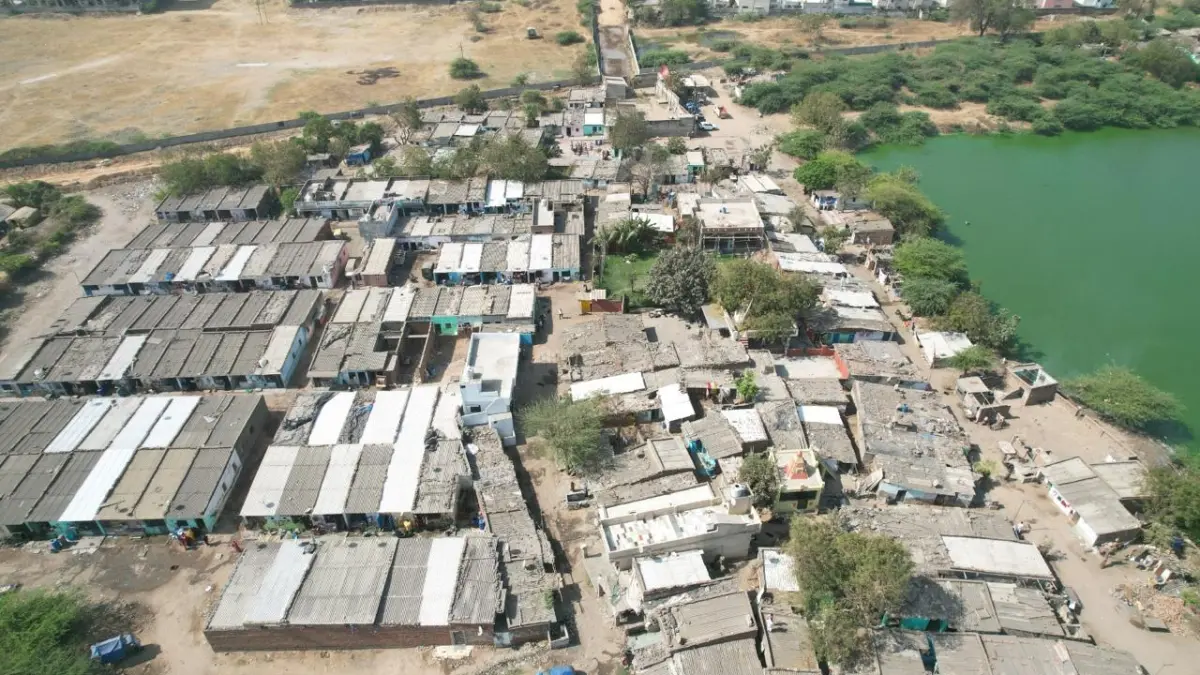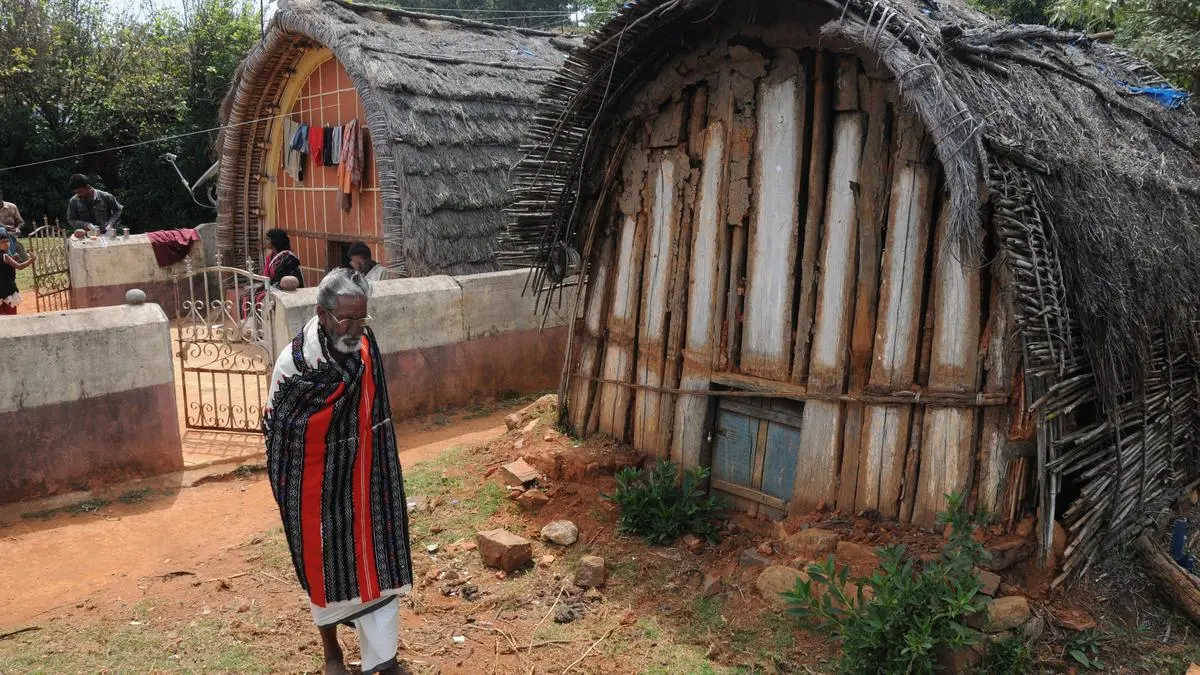
Under PMAY, the government can provide incentives and make the use of certain construction materials mandatory
| Photo Credit:
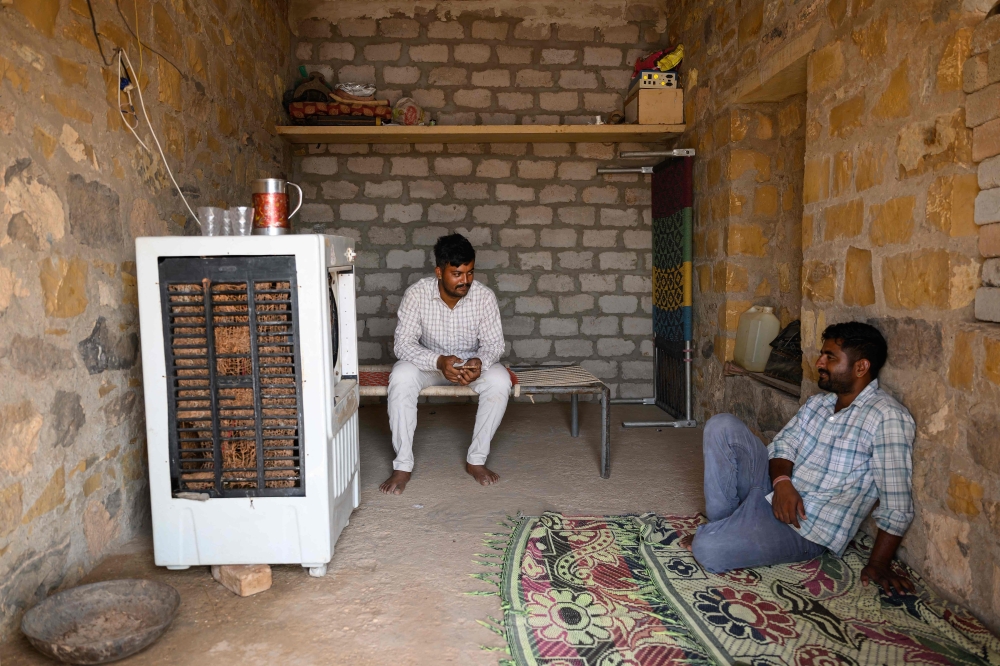
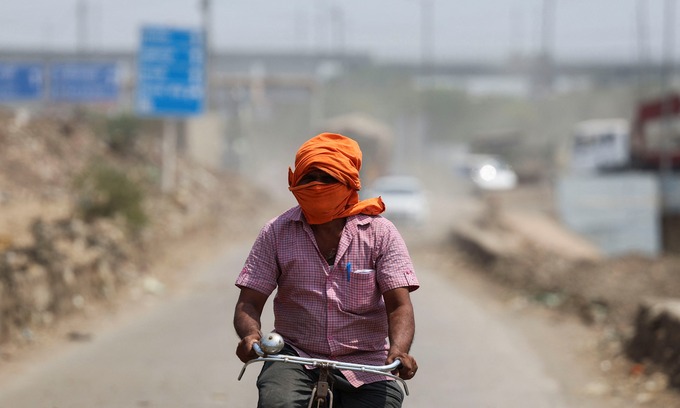
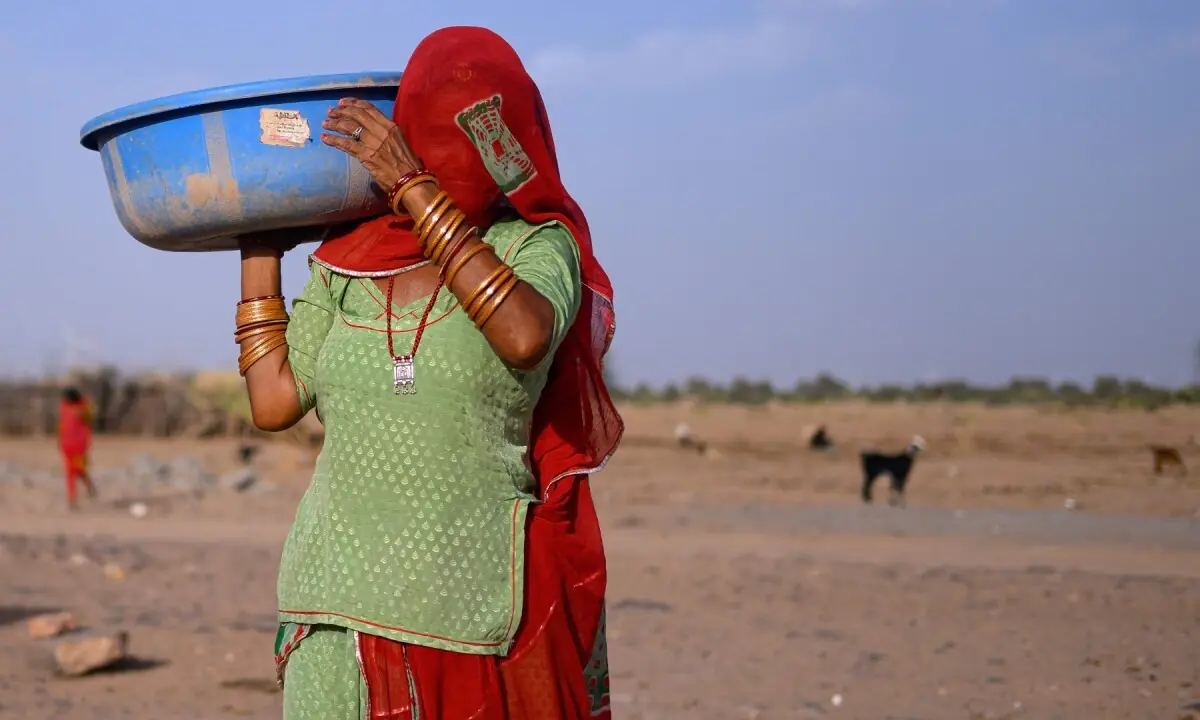
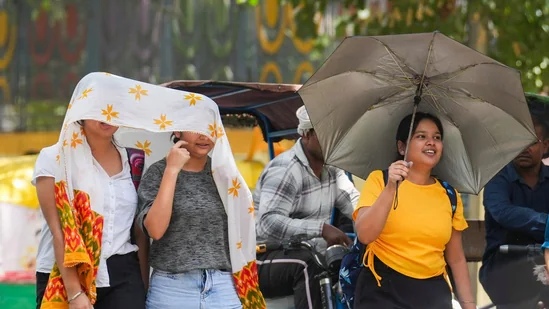
The year 2025 was the eighth-warmest on record for India since 1901. Rising temperatures, frequently exceeding 45 degrees Celsius, combined with increased humidity, are causing severe hardships across India. A HeatWatch dataset recorded 2300+ cases of heat-related illness across the country during Summer 2025, while cautioning that this is an under-reported number. While outdoor temperature management is a herculean task, the efforts to address indoor cooling, which are often ignored in public debates, need attention.People spend a long time indoors — at home, school, work and other commercial spaces. Not all such places have air-conditioning. There are two ways indoor comfort can be achieved:First, incorporating solar passive architecture, as per green building design codes, can reduce indoor temperature fluctuations to extreme highs or lows. Housing design customised for locational characteristics, climatic patterns and future town planning developments can make a significant contribution towards indoor thermal comfort. In addition, roof, window, and door retrofits can help maintain a temperature differential between the outdoors and indoors in existing houses.Second, the use of appropriate construction materials can facilitate all-year indoor comfort at relatively low cost. Building materials, such as aerated autoclaved concrete blocks (AAC), compressed stabilised earth blocks, and polyurethane materials, can be used in the construction of new houses to achieve and maintain, for long durations, the temperature differential between the outdoors and indoors.However, there are challenges with the availability of these building materials in the local market and with limited awareness of them among builders in small towns and villages.Financial challengesAccess to finance and financing terms are critical challenges for the mass-scale adoption of thermal-comfort solutions. Modern cooling solutions remain unaffordable for a large section of society even as there are inherent financial incentives to infuse thermal comfort in buildings. For example, the energy savings from reduced temperatures over time can exceed incremental investment.However, owners or builders don’t want to incur this incremental cost due to split incentives — users of the building benefit from lower temperatures, not the owner. Second, incremental investment is not affordable for the marginal class, who often heavily rely on “Pradhan Mantri Awas Yojana” for new houses. This is more complex for buildings built solely for industrial or commercial purposes.How can the govt interveneThermal comfort has become a necessity, like electricity or utilities, for maintaining a good quality of life. The State has an obligation to offer financial incentives to vulnerable sections to build houses that naturally reduce temperatures, without the need for cooling appliances.Under the PMAY scheme, the Government can provide specific additional incentives and make the use of certain construction materials mandatory. People who avail of PMAY but build new houses with materials that help maintain interior temperatures at a cooler level should be able to get a loan at a subsidised rate supported by the Government. The same rule applies to renovations of new houses.The Government can push the adoption of the above-mentioned building materials through supply push (offering incentives) and demand pull (through public procurement). The rapid adoption of these materials can also cut down the cost of manufacturing them on a large scale.The Government’s Building Materials Technology Promotion Council (BMTPC) has the mandate to encourage the use of these building materials for national-level implementation. The BMTPC can run awareness campaigns to encourage the use of these materials for house construction.Cooling MSME workplaceSCooling solutions are also expensive for MSMEs; both upfront and operating costs (energy) are high. The cooling-as-a-service (CaaS) business model can address this challenge, as the service provider can provide cooling services without upfront payment from users, and the cost of using CaaS is lower because it uses the most efficient cooling technology.These are Energy Services Companies (ESCOs) who are ready to offer CaaS but are not very comfortable entering into service agreements with MSMEs due to the latter’s financial vulnerability.The Government can incentivise CaaS for MSMEs, which is cost-effective and affordable for them. The Government, through an appropriate institution, can act as a third-party guarantor for ESCOs, just as the Credit Guarantee Fund Trust for Micro and Small Enterprises does for MSMEs. A guarantee from a credible institution can reassure ESCOs. In addition, concessional capital and blended financing can support ESCOs who struggle to raise external capital to scale up operations in the MSMEs segment.In tandem with green-rated structures designed for thermal comfort as mentioned earlier, these cooling services can provide a sustainable, cost-effective, comfortable and lasting solution for the MSME workers as the temperature differential between outdoors and indoors is retained for long.It is important to note that people in the MSME sector are typically unorganised and vulnerable — they deserve decent working conditions as much as white-collar professionals.The use of BMTPC’s Data Resource cum Monitoring Centre, paired with a digitally smart electricity grid and artificial intelligence, can help governments and facility operators identify hotspots (residential areas, buildings, factory sheds, etc) that are unable to provide thermal comfort. These insights can further help improve PMAY and other schemes.Jena is Director, Climate and Sustainability Initiative, and Visiting Senior Fellow, London School of Economics and Political Science; Thakur is an alumnus of IIT Bombay and IIM AhmedabadLabanya_Prakash_Jena