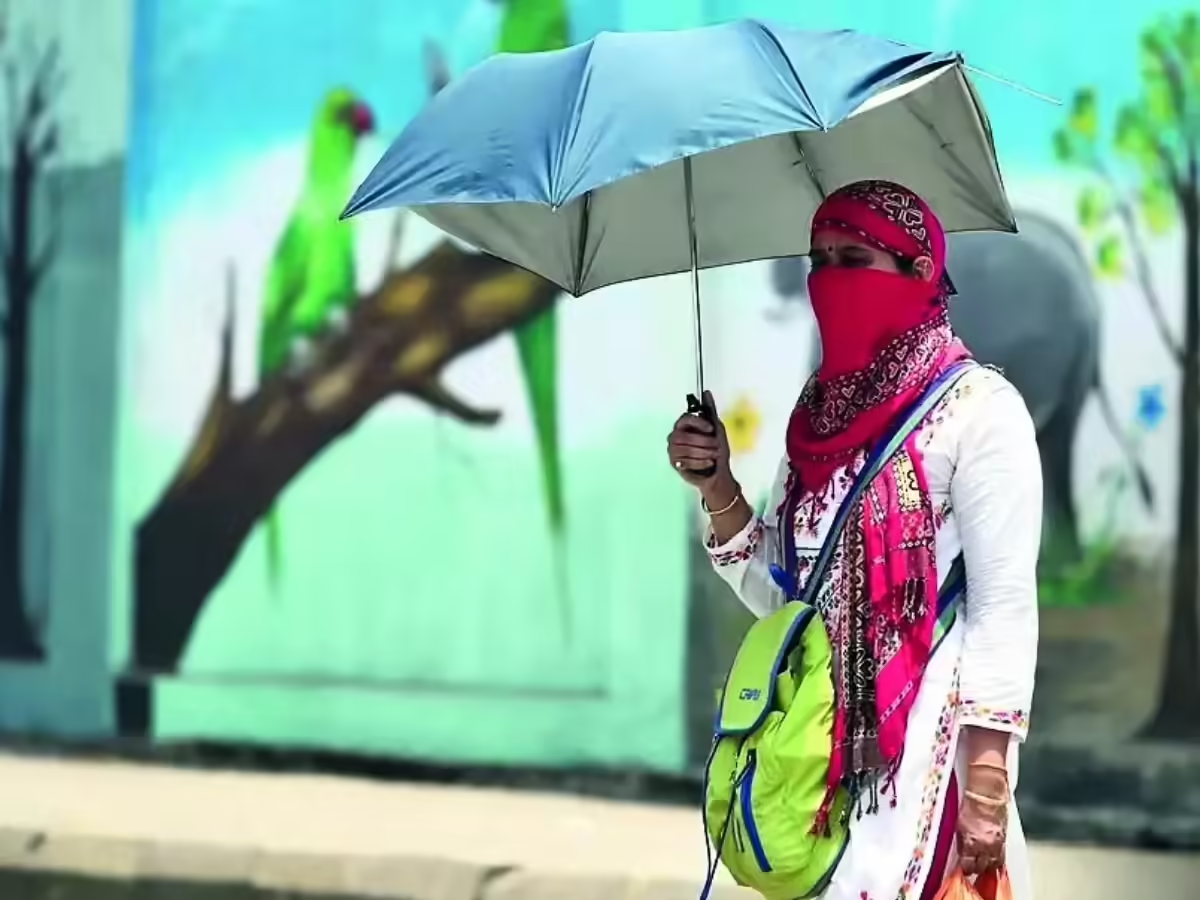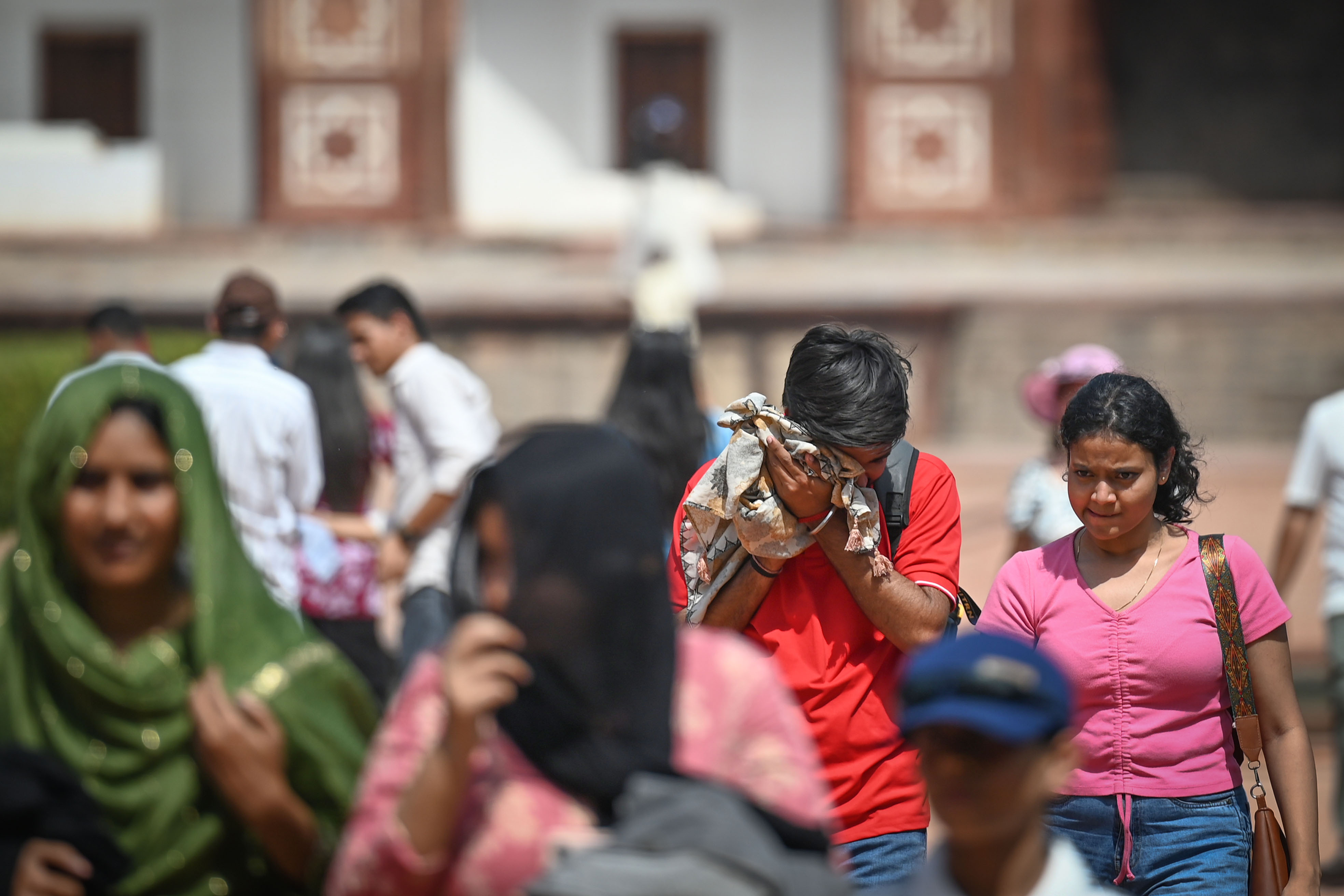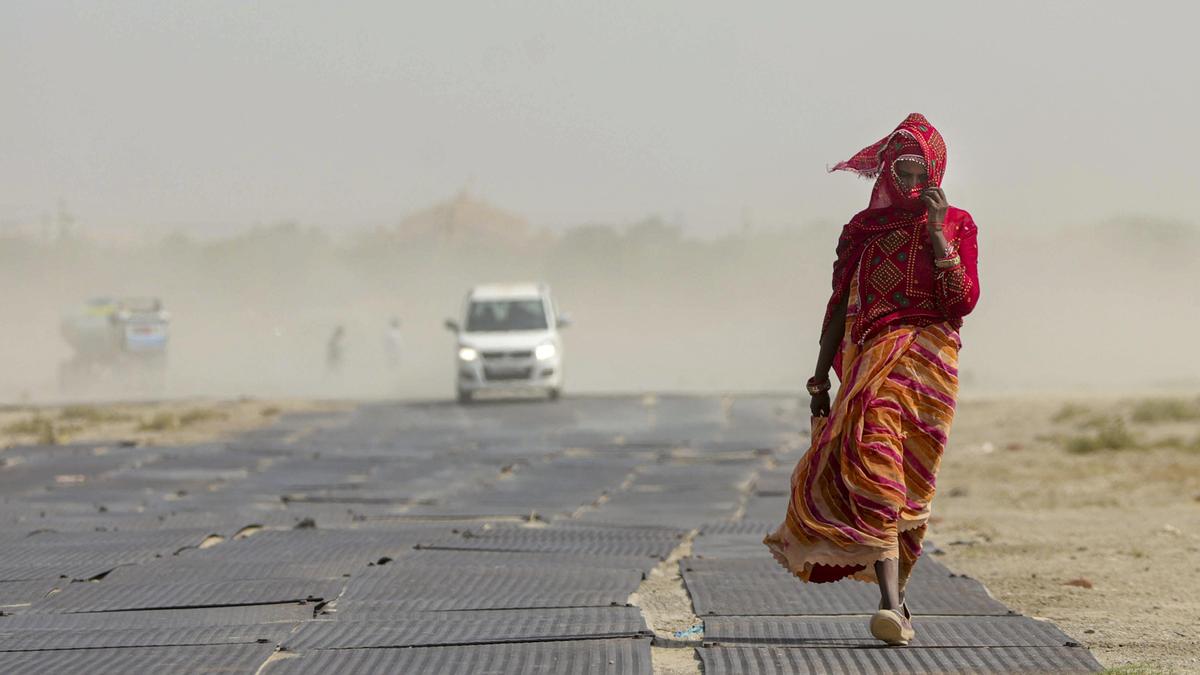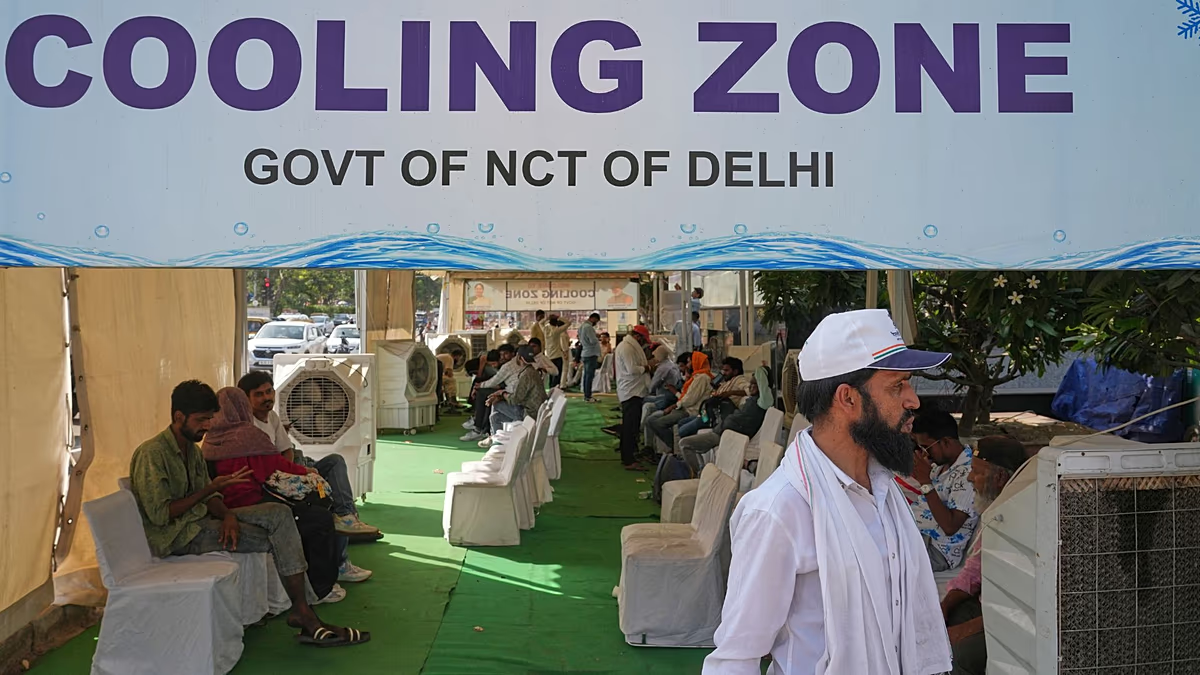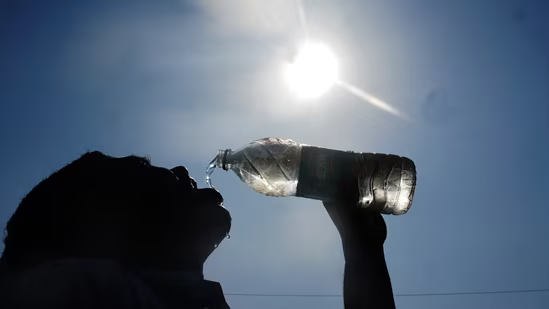
It’s not every day that Banda in Uttar Pradesh, Akola in Maharashtra and Balangir in Odisha make national headlines. This May, however, these three cities featured among the hottest places on Earth, with temperatures soaring above 48° C.Heat (Praful Gangurde /HT Photo)The most alarming feature of India's heat crisis is not the temperature itself; it is our persistent tendency to treat extreme heat as a seasonal emergency rather than a permanent urban condition. India has experienced successive years of record-breaking temperatures, with heatwaves arriving earlier, lasting longer and affecting larger parts of the country. Yet our public systems, policies and conversations remain largely focused on coping with heat rather than building resilience for a hotter future.A recent analysis by the Climate Narrative Hub (CNH) of over 370 English, Hindi, and Marathi media articles found that 94% of heat-related coverage was episodic and reactive. Heat alerts dominate the news cycle: References to the Indian Meteorological Department (IMD) appeared in 145 out of 291 English-language articles analysed, while 73% of coverage remained informational, focused on how temperature will rise further. What is largely missing from the conversation is why extreme heat is intensifying, who bears the greatest burden and most importantly, what needs to be done differently. How we talk about the challenge and its solutions influences how we act on it. Heat is not merely a climatic phenomenon but an outcome of interconnected urban systems. Decisions around road widening, redevelopment, housing and infrastructure frequently reduce green cover, permeable surfaces and access to natural shade, increasing heat exposure for pedestrians and communities. Women, children and older adults often spend longer periods indoors, in poorly ventilated homes and schools where temperatures and humidity levels can be higher than outdoors, which has can have long-lasting impacts. In informal settlements, heat-absorbing roofing materials and inadequate ventilation result in prolonged night time heat exposure that disrupts sleep and adversely affects health, productivity and livelihoods. Understanding heat through this systemic lens is critical in designing effective responses. When heat is framed as a temporary weather event rather than a permanent urban challenge, emergency response becomes the default, and long-term investment in cooling infrastructure is deferred. Even within solution-focused reporting (analysed by the Climate Narrative Hub), the emphasis remained on individual action. Nearly 47% focused only on personal measures or advisories, while systemic solutions accounted for just 6%. The dominant public advice of staying indoors, avoiding exposure between 12 pm to 4 pm and staying hydrated fails to account for the challenges faced by delivery workers, daily wage labourers, and domestic workers, for whom stepping indoors means losing the day's income. Heat vulnerability in Indian cities cannot be attributed to global warming alone. It is the direct consequence of how we plan our urban landscapes. Rapid urbanisation has led to the loss of green cover, widespread concretisation, shrinking access to public shade, and the proliferation of dense settlements where homes trap heat rather than dissipate it. Together, these factors intensify heat exposure and make cities increasingly vulnerable to extreme temperatures.The solutions are neither distant nor abstract. Across India, cities are already piloting innovative approaches to building resilience and the results are encouraging.Under the Mumbai Climate Action Plan, the Marol Industrial Estate in Mumbai-- identified as one of Mumbai’s hottest urban heat island zones --has been transformed with the development of a 3.2-acre urban forest and Nature Conservancy Park using native vegetation, ecological restoration and incorporating principles of water circularity. The intervention has led to a 3-4°C drop in temperature in the area.Similarly, WRI India, along with YUVA and TISS, identified high heat-risk zones across Mumbai, including M-E Ward, and initiated community-led greening interventions in neighbourhoods such as Lallubhai Compound and Cheetah Camp, demonstrating how local stewardship can transform concretised spaces into meaningful ecological infrastructure. Examples from cities in India and across the globe show that green roofs can reduce indoor temperatures by 4–5°C.In cities like Jodhpur, public cooling stations for outdoor workers use vetiver curtain and bison panels, wind tower which uses natural airflow to expel hot air, combined with sprinklers. As a part of the Ahmedabad Heat Action Plan, the city launched a Cool Bus Stop at Lal Darwaja to improve thermal comfort for commuters. Using khus (vetiver grass) and electricity-saving high-pressure misting systems, the intervention reduced temperatures by 6-7°C.These interventions point toward a different vocabulary of urban cooling. Moving away from individual -air conditioners and emergency advisories, these solutions show us how cooling can be a shared, city-wide, climate-responsive public good. Blue-green infrastructure like urban forests, restored wetlands, shaded green corridors, permeable surfaces addresses heat while simultaneously improving flood resilience, groundwater recharge, and biodiversity. Despite their potential, the adoption of nature-based solutions in India remains limited due to gaps in awareness, technical expertise, and financing mechanisms. Bridging that gap requires not just funding but changes in governance. Local bodies need planners who can embed heat action in the city’s master plans, health departments need to treat chronic heat exposure as a public health priority and communities need to be empowered to participate in identifying risks and shaping local solutions.Several Indian states have created Heat Action Plans, including Maharashtra, which has expanded the provisions to high-risk districts in Vidarbha, and Tamil Nadu, which has declared heatwaves a state-specific hazard. More recently, the ministry of housing and urban affairs, with support from the National Institute of Urban Affairs, has initiated the development of Heat Resilience Plans in 12 cities, signalling a shift from emergency response towards longer-term urban cooling and adaptation. This first-of-a-kind initiative moves beyond planning to create a pipeline of projects ready for implementation. To maximise its impact and long-term resilience, it should be complemented with stronger public visibility, community participation and stewardship to support implementation. Additionally, mainstreaming heat resilience across policies, research and governance requires sustained coordination across departments and sectors, including urban planning, public health, environmental science, labour policy and climate communication.Cities that will remain liveable through this century are not the ones that issue the most alerts and have citizens stay indoors. They are the ones that build the most shade, restore green cover, protect their most exposed workers, and treat cooling as essential infrastructure.Our imperative now is to actively choose to build resilience and stop expecting urban citizens to cope and endure. (The views expressed are personal)This article is authored by Aditi Agrawal, lead, narrative building, Dasra and Deepti Talpade, programme lead, urban development & resilience, WRI India.
Addressing extreme urban heat in Indian cities
This article is authored by Aditi Agrawal, lead, narrative building, Dasra and Deepti Talpade, programme lead, urban development & resilience, WRI India.
TL;DRAI
Three Indian cities hit 48°C; 94% coverage is episodic, not systemic. Blue-green pilots (parks, roofs, passive cooling) cut temps 3-7°C. For tech leaders: climate impacts infrastructure budgets on India's talent hubs—plan now, not emergency response later.
1,066 words~5 min read