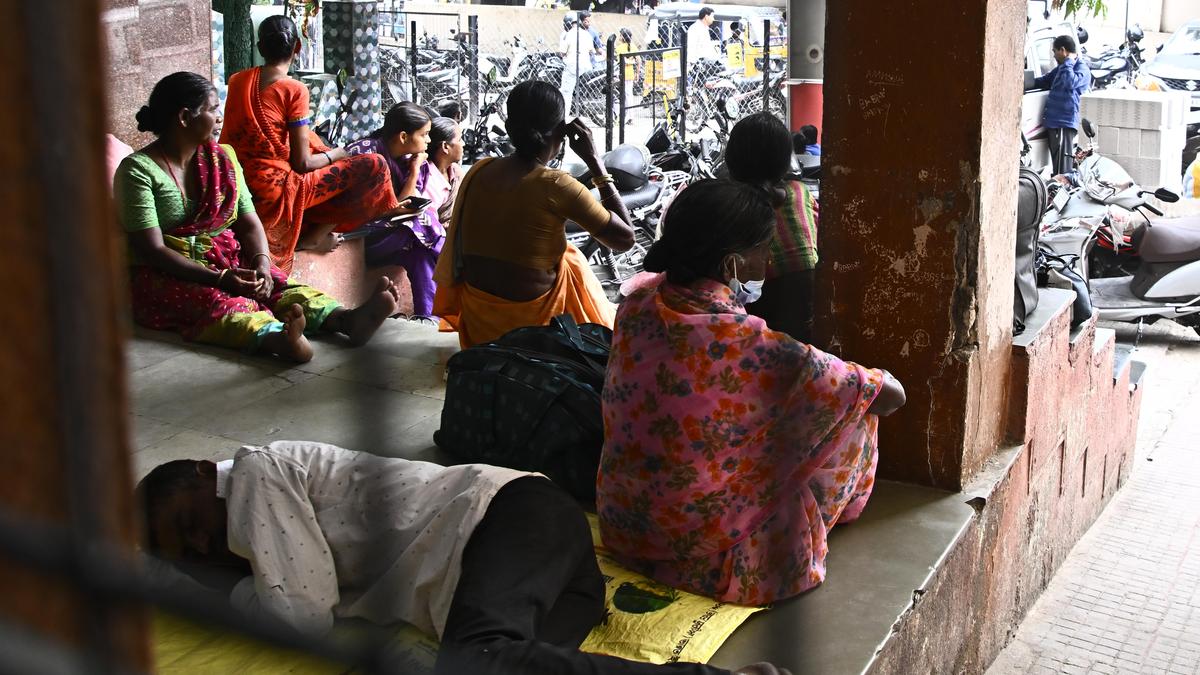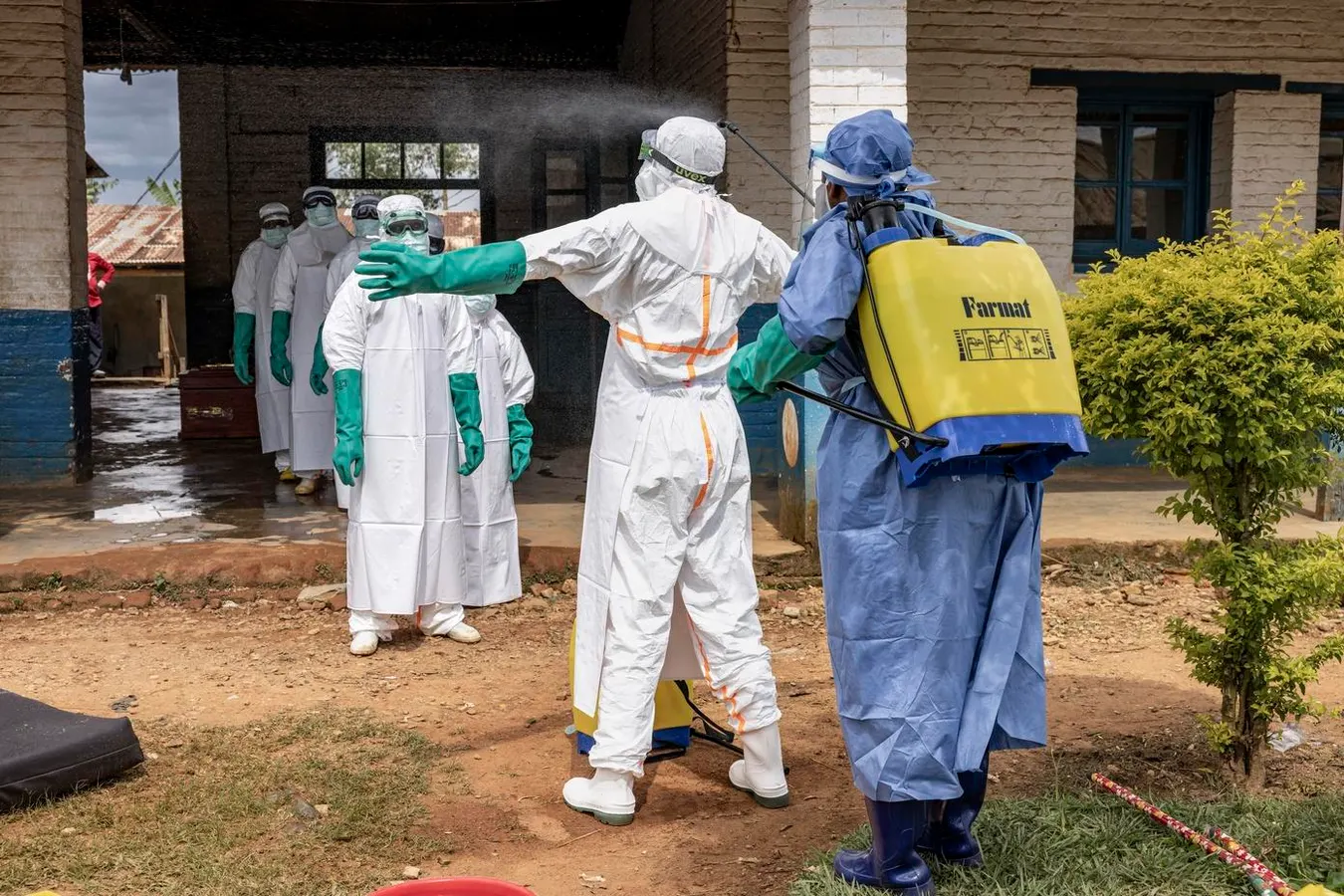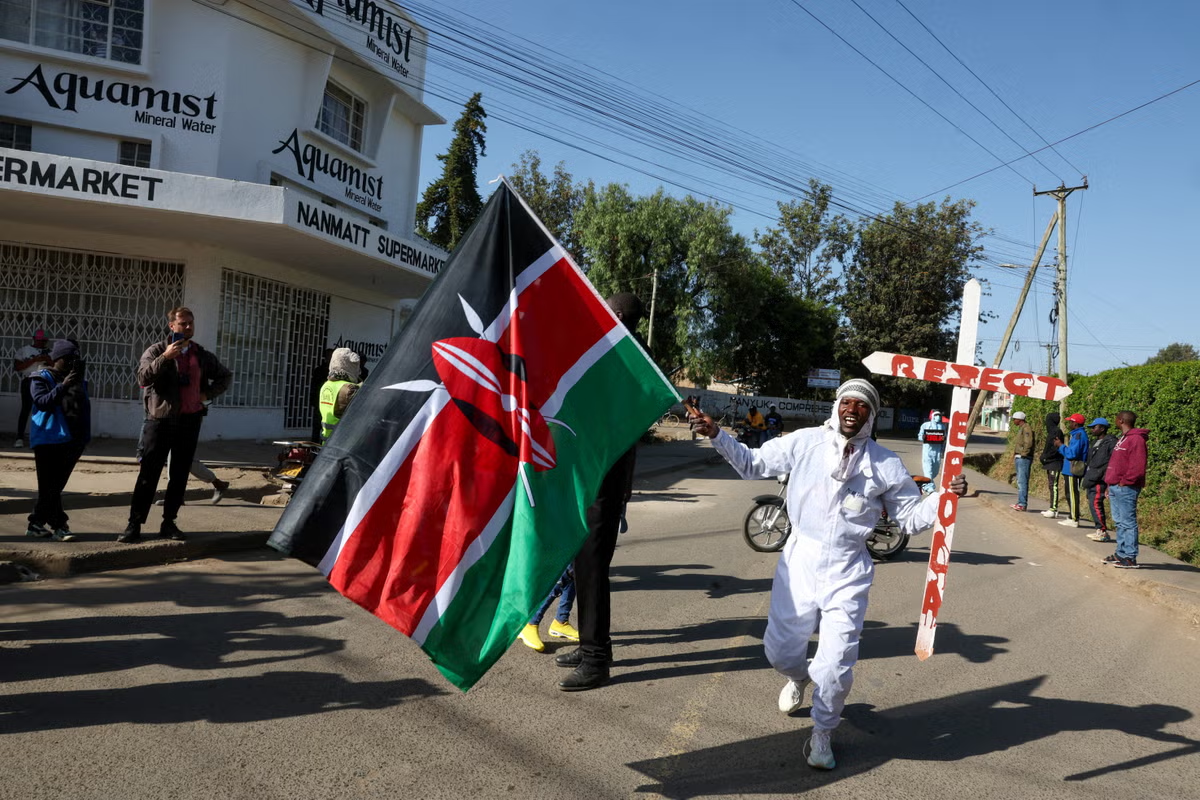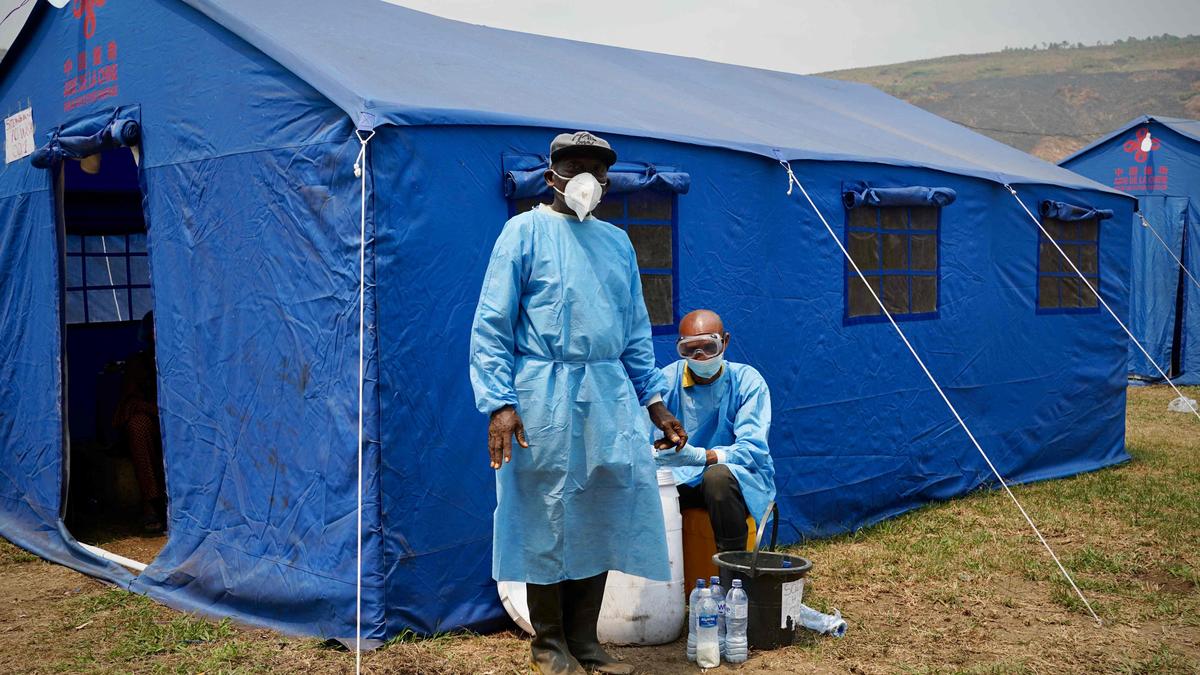
On the Ebola crisis in the DRC, the H1N1 situation in India, eye health, what’s new and what’s missing in the field of genetics, and moreThis past week, the top health story, without any doubt, is the huge crisis that is brewing out of proportions in Africa - the Ebola outbreak in the Democratic Republic of Congo. It was first announced as an outbreak on May 15, this year.As per latest data, it has reached over 5,000 cases, making this the one of the worst Ebola outbreaks in history. The outbreak has clearly outpaced response efforts. Data from Congo’s Ministry of Health showed the outbreak had so far recorded 5,021 cases, including 2,378 deaths as of August 16, 2026, as it rages in some of the most challenging conditions imaginable fuelled by insecurity, displacement and intense population movements. It has officially infected and killed more people at a greater speed than any other outbreak in history. Starting from the first detected case, it has spread about three times faster than an outbreak from 2014 to 2016 across West Africa, which was the deadliest Ebola outbreak on record with more than 11,000 deaths.The dire situation was underlined as World Health Organization Director-General Tedros Adhanom Ghebreyesus announced: “We must be frank: the epidemic is far from being under control.” Safety concerns have limited the response as health workers are targeted, particularly in Ituri, the province that has been hit the worst by the outbreak. Residents recently attacked a health team in the territory of Aru after a suspected case was reported there. A mob set fire to an ambulance and damaged two other vehicles, according to Michael Wani, president of the Union of Cultural Associations for the Development of Ituri.Meanwhile, more than 16,000 doses of the new Ebola vaccine Ervebo arrived in the DRC. WHO experts still do not know whether Ervebo protects humans against the Bundibugyo strain, but early data, notably from animal trials, suggest it could offer some protection.The Ervebo vaccine “has already been used several times, and in particular on a very large scale during the 2018-2020 outbreak”, Samuel Roger Kamba, the DRC’s Minister of Health, told the press.The other big story in India was also about an infectious disease - H1N1. As the cases continue to surge, experts assure that there is no cause for alarm yet. However they do advise that a large number of children were being affected, and that children with asthma and other chronic conditions might require special intervention.The H1N1 virus, commonly known as swine flu, is a subtype of influenza A, and can cause respiratory illness, with symptoms including fever or chills, cough, sore throat, a runny or blocked nose, headache, tiredness, and muscle or body aches. In some cases, patients may also experience vomiting and diarrhoea. Cases have been rising in Delhi, Mumbai, Chennai, Bengaluru and Kerala, and while there are a number of respiratory-like illnesses also about during this season, doctors have warned that early testing is key. Bindu Shajan Perappadan reports that union Health Minister J.P. Nadda reviewed the H1N1 situation, healthcare preparedness in Delhi.With National Eye Donation Fortnight being observed across India every year from August 25 to September 8 to raise awareness about eye donation we did our bit to highlight issues relating to eye health a little ahead of schedule.Athira Elssa Johnson writes about the Lazy eye in children, and about squints. In the former, she focuses on how many parents may miss lazy eye among their children. Often called lazy eye, amblyopia may have no obvious signs and can remain undetected during early childhood. Screening, timely treatment and sustained follow-up are important because visual development is time-sensitive. Squints are another condition that impact the development of vision, and therefore need to be addressed on time. Squint, medically known as strabismus, is a condition in which the two eyes do not align properly. It can affect children and adults and, when it develops during childhood, can interfere with the normal development of visionIn the modern age, the field of ophthalmology is among the earliest adopters of AI systems in health care, so here is an article on using AI systems in smartphones to help detect eye diseases. Kathleen Sherwin and Rishi Raj Borah make an impassioned case for more women to lead eye health care systems.This week we looked at some little explored aspects of cancer care too. Shrabana Chatterjee writes an interesting story on a hardly-spoken about aspect- Navigating the challenges of fertility and breastfeeding after surviving cancer. This story has a positive message for women in this position - that with careful management and supervision, it can be done. After a cancer diagnosis, women who have not yet started their families, must be given the option for fertility preservation, say doctors. Options such as embryo freezing before cancer treatment is begun may be considered under medical guidance. Other fertility preservations techniques including oocyte and ovarian-tissue cryopreservation may also be explored before treatment begins. When it comes to breastfeeding, doctors say that after surviving cancer it may pose difficulties, but it can be done under the right medical conditions and with guidance from doctors. Dr. Siddharth Turkar turns the spotlight on sarcomas: Many soft-tissue sarcomas, which are rare types of cancers that form in fat, muscles and blood vessels, initially look like ordinary lumps. However, when a suspicious mass of this sort is removed without appropriate imaging, tissue diagnosis or oncological planning, the opportunity for the simplest and best-planned first operation may already have been lost.This is by far the most important gene-based analysis that pertains to us, in India. Rupsy Khurana writes the truth: South Asians are missing from global health databases, and why this matters and what needs to change in this scenario. When scientists try to understand why diseases such as diabetes and cardiovascular disease affect South Asians differently, they often have to rely on genetic data drawn from European populations. Advances in artificial intelligence and machine learning are allowing scientists to mine vast amounts of genomic and health data to detect disease earlier, predict risk, monitor patients and tailor treatments to individuals. But at the heart of this changing landscape lies an old, constant problem – the data used to build these tools lack diversity, she points out.Further, looking the genetic pool, I write about new research that establishes that natural sugar along with meat consumption powered brain development in early humans. It probably explains the human craving for sweets, today. Read Sugar power: the full story of brain development in humans for more.And more:Dr. Shriram Krishnamoorthy has a word of advice: Working out at home is commendable. But injuries need to be avoided. Here’s how.The National Medical Commission proposes a single licence for doctors to practise across India - this is likely to have far-reaching ramifications if and when implemented.Dr. C. Aravinda writes on mankind’s deadly enemy - the mosquito. And how it has shaped healthcare and town planning.So many studies study coffee and it’s health benefits, here D. Balasubramanian discusses new studies that pursue the ‘perfect’ blend for coffee and health Dr. Rajesh Shinde explains that smoking isn’t the only risk factor: busting myths around lung cancerWhy India has restricted chlorpheniramine, phenylephrine medicines for children under 4 | ExplainedMany TB prescriptions outside national programme do not follow treatment guidelines, study findsZubeda Hamid, in this podcast, asks why the Parliamentary committee called for mandatory testing for chronic kidney diseaseC. Maya records how Shigellosis cases have opened up a new AMR challenge in KeralamDo watch this Health Wrap video where Dr. Nanditha Ramachandran explains about the continuous glucose monitoring device.Watch this space for more on this: Tamil Nadu government to formulate ‘Peri-Menopausal Care Policy’There is, of course, much more on offer, do head to our health page and subscribe to the health newsletter here.
Health Matters Newsletter Tackling Ebola, head on, and other stories
Health Matters Newsletter Tackling Ebola, head on, and other stories
1,302 words~6 min read