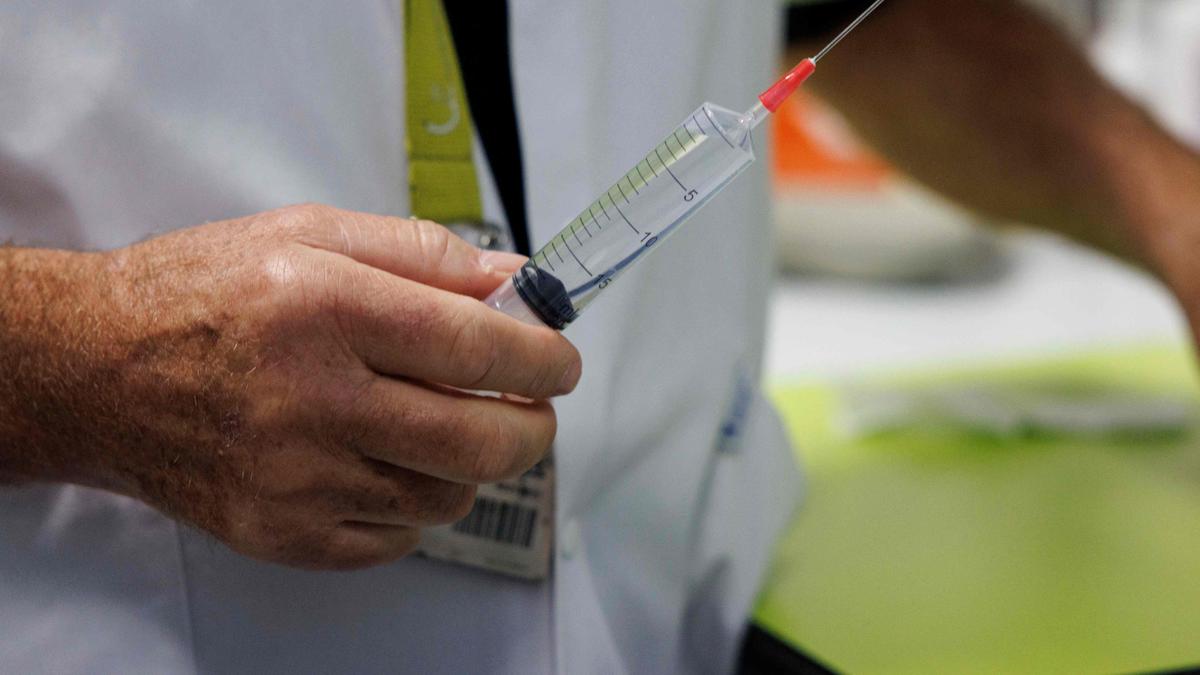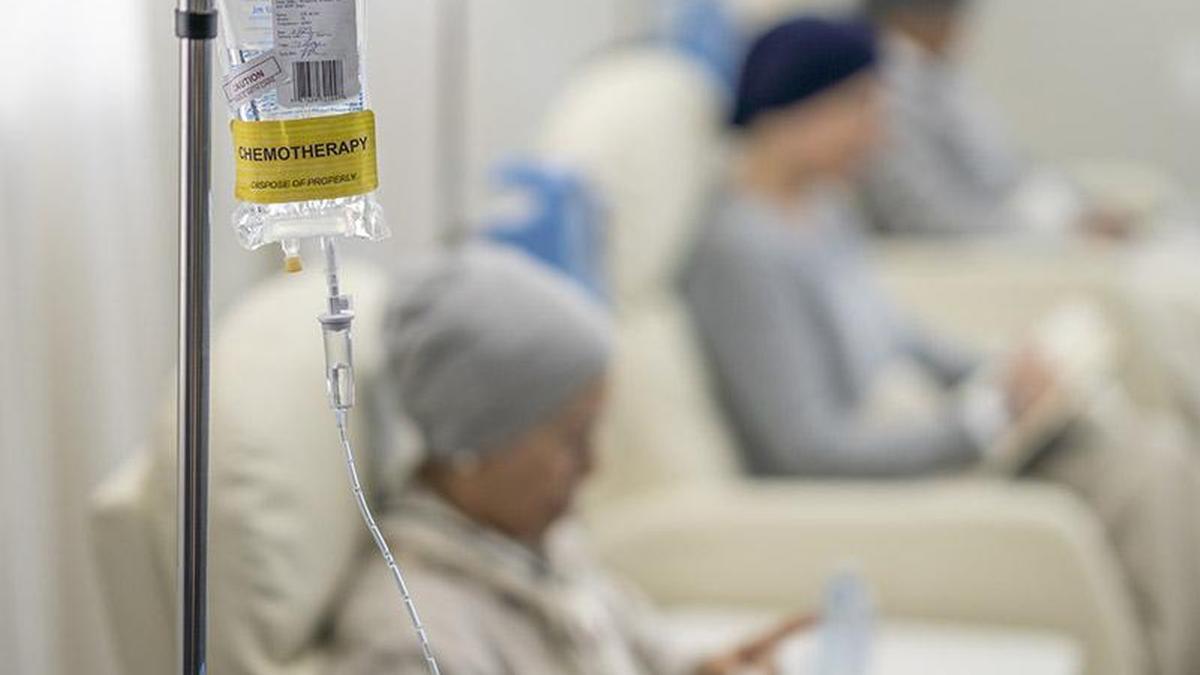
On Ebola preparedness, cancer detection, maternal health, access to care, new approaches to antibiotic resistance, and moreHealth can be affected by many things -- an outbreak or a missed diagnosis, food insecurity or gaps in the healthcare system. This week’s stories look at some of these challenges, and at what can make prevention and care work better in everyday life. And, as part of our continuing World Breastfeeding Week coverage, watchRamya Kannan speak to experts at a kangaroo mother care unit about how the approach supports newborns.Preventing diseaseContaining an outbreak depends on timely detection and an effective public-health response. The Bundibugyo outbreak has prompted new vaccine research and continued case monitoring. Moderna has begun the first human trial of a vaccine against the virus, potentially expanding vaccine options against the strain. Meanwhile, a separate update from the country offered some reassurance, with no Ebola cases detected among people quarantined on a river boat.The cost of an outbreak goes beyond the number of people infected. A study in the U.S. estimates that a single measles outbreak can cost millions of dollars when healthcare and public-health response costs are taken into account.Elsewhere, attention turned to strengthening preparedness and developing new tools to respond to infectious diseases. A study suggests that a hexavalent vaccine could improve India’s immunisation programme. ICAR has developed an indigenous vaccine against African swine fever, while the U.S. FDA has approved Moderna’s first mRNA influenza vaccine.In India, the Centre has deployed a national joint response team to support States dealing with a Chandipura virus outbreak. C. Maya looks at why Hepatitis A is no longer a simple disease in Kerala. and the rise in chikungunya cases in Kerala and the need to keep vector populations under control.When access affects outcomesHarit K. Chaturvedi argues for greater emphasis on finding cancer earlier. Dr. Jyoti Wadhwa, examines gaps in cancer care and the need to account for gender in treatment and services.Bindu Shajan Perappadan explains the IARC classification of three commonly used medicines as carcinogenic and why patients should not stop treatment on their own. A carcinogenic hazard classification identifies a potential hazard; it does not mean that every person exposed to a substance faces the same level of risk.Dr. Swaroop Gopal looks at new research on vitamin B12-based therapy for brain cancer and what the findings could mean for future treatment.Social conditions and healthMaternal and child health shows how closely health is linked to social conditions.Research reported by The Conversation on preeclampsia in minority communities points to the social factors behind differences in maternal-health outcomes. In India, a study has linked moderate-to-severe anaemia with a 27% higher risk of stillbirth.In Afghanistan, child deaths are rising as food-distribution programmes face cuts.Research from India found that iron- and zinc-fortified millet did not adversely affect toddlers’ gut health, while Rohini Karandikar looks at how traditional diets shape the gut microbes of Indian tribal communities.Mental health is also shaped by circumstances outside the clinic. Shilpa Elizabeth reports on a clinical study that found family conflict may have a greater effect than academic stress on students’ mental health.Siddharth Kumar Singh, reporting from Hyderabad’s Roshni support helpline, looks at the importance of having accessible mental-health support.Systemic challengesThe quality of care also depends on the systems supporting it.AIIMS recalled disposable syringes following quality complaints, with the Health Ministry saying that no patient harm had been reported. The Ministry has also introduced measures against fabricated health data, underlining the importance of reliable information in public-health decision-making.Gaps in diagnosis can have lasting consequences. Dr. Anusha Venkatraman examines how delayed diagnosis can contribute to preventable complications.But timely diagnosis is only one part of the healthcare journey.Access also depends on being able to reach health facilities, communicate with healthcare providers, afford treatment and continue care when needed.This, in turn, depends on a health workforce that is available and adequately supported. Soibam Rocky Singh reports on the uneven implementation of the Nurses Registration and Tracking System across States, with several large States still lagging behind..New ways to treat infectionAntimicrobial resistance is pushing researchers to look beyond conventional antibiotics. I report on research showing how artificial intelligence can be used to design bacteriophages– viruses that infect specific bacteria, with potential applications against antibiotic-resistant infections.The approach is still at the laboratory research stage and is not yet a clinical treatment. It is, however, part of the search for new ways to tackle infections as bacteria become resistant to existing antibiotics.And moreAfshan Yasmeenreports on why “Early initiation of breastfeeding is not enough; mothers need sustained support, say experts.”In “Towards nutritional literacy: navigating food labels, social media feeds and traditional wisdom to arrive at better diets,” Dr. Manjari Chandralooks at making better-informed food choices.Dr. Alok Kulkarni explains why erectile dysfunction deserves medical attentionIn “Can stress cause acne? Experts explain the science behind the skin–mind connection,”Meenakshy S. looks at Okinawa and the evidence behind the blue-zone conceptD.P. Kasbekarexplores new developments in genetics in “If DNA is the instruction manual, we just opened a big second volume.”There is much more on offer too, do head to our health page and subscribe to the health newsletter here.
Health Matters Newsletter: Health, access and the conditions around us
Health Matters Newsletter: Health, access and the conditions around us
847 words~4 min read