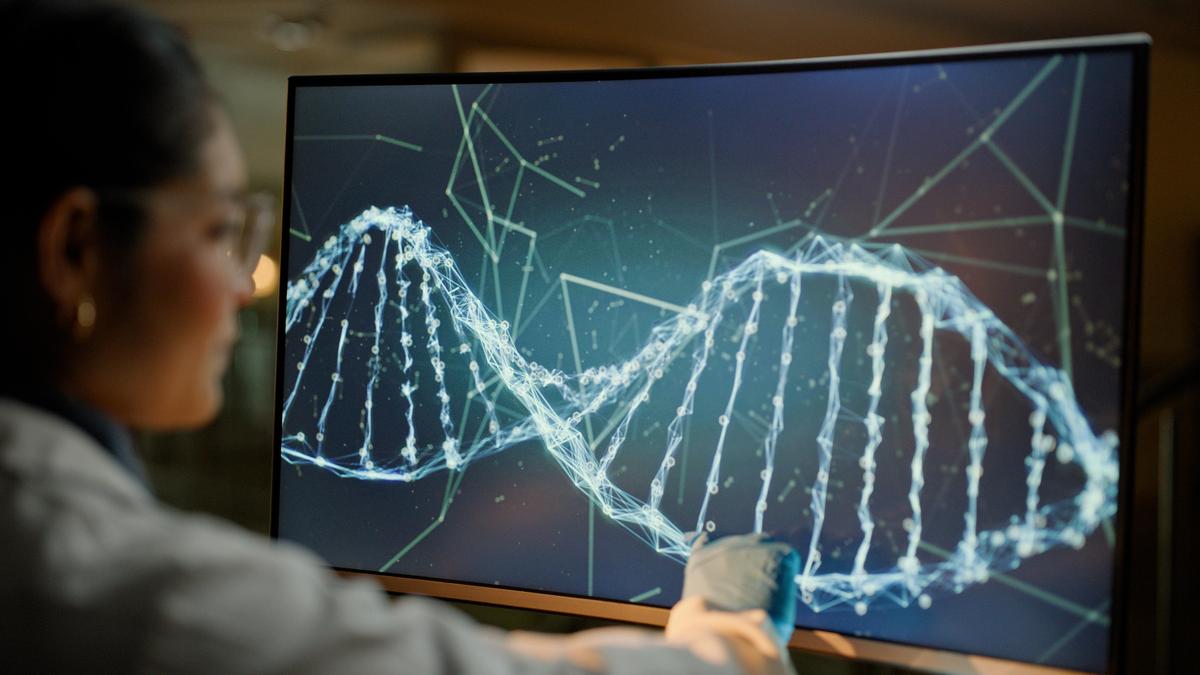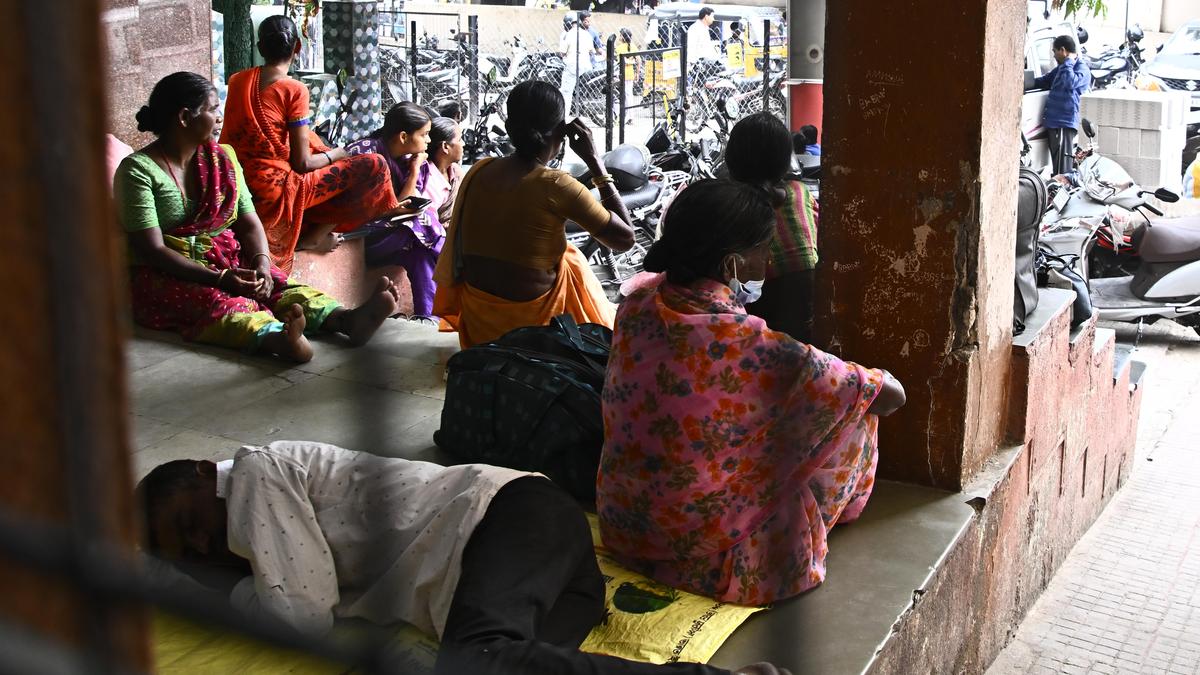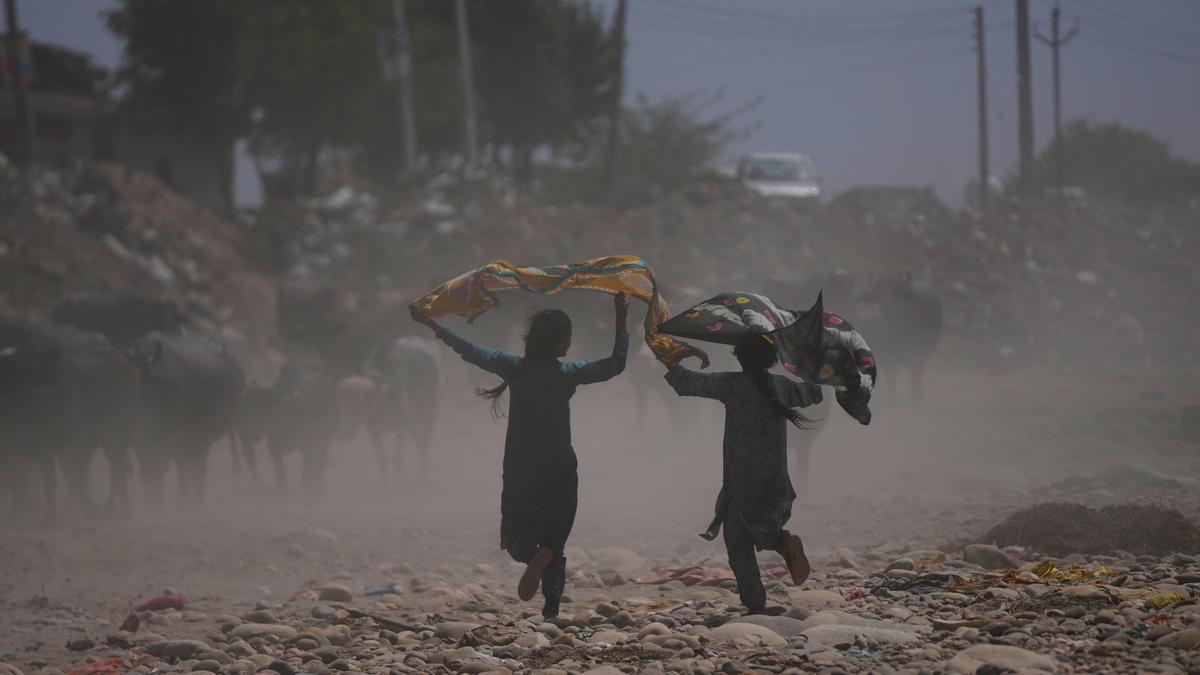
On the growing cancer burden, access to care and evolving treatments, this year’s scorching summer, and moreA WHO report, Global Status Report on Cancer 2026, that was released last week summoned the world’s attention to cancer. These events serve as a way of ensuring that important issues are brought back to the public arena and get the attention that they deserve. The report, as recorded in these columns by Bindu Shajan Perappadan, found that worldwide, cancer remains one of the most financially and socially devastating challenges a household can face. At least 45% of affected people experience financial hardship, more than half report mental health challenges, and nearly all caregivers report strain, including unpaid services and social isolation. Further, the report said that essential cancer medicines remain far out of reach for many — the availability of the top 20 priority cancer medicines ranges from just 9% to 54% in low- and lower-middle-income countries, compared with 68% to 94% in high-income countries. In an explainer, she also recorded: The report notes that there are persistent and widening inequities in access to prevention, diagnosis, treatment, and supportive cancer care worldwide. Analysis showed that while 87% of women with breast cancer survive five years after their diagnosis in high-income countries, only about 42% do so in low-income countries. Additionally, fewer than one in three countries currently include cancer care in their universal health coverage packages. There were a number of other stories that we featured relating to cancer. There was some good news as well: Reliance’s Strand Life Sciences gets patent for blood-based early cancer detection. More than 1.5 million new cancer cases are estimated to occur annually, and unfortunately a large number of patients are still diagnosed at advanced stages, when treatment options are limited and outcomes are significantly poorer. Early detection has the potential to shift diagnoses to earlier stages. The current patented platform can potentially enable early detection at scale without expanding local infrastructure, the firm claimed.Talking about drugs for cancer, Manjeera Gowravaram explained Why FDA approval for vepdegestrant is a major shift in cancer therapy. The approval paves the way for drugs designed to remove harmful proteins from cells, rather than simply block them. This is an advance because these drugs, called PROTACs, can sidestep the barriers to treating diseases that involve hitherto ‘undruggable’ proteins. A decentralised cancer care model and a large-scale early detection programme have helped Assam record a 62% survival rate, the highest in India, the State’s Health Minister Ashok Singhal has said. Dr. M. Gopinathan Decoded the link between autoimmune diseases and blood cancers. Cancer rates are increasing around the world, and this makes understanding the connection between blood disorders, autoimmune blood diseases and cancer, important. Early recognition of warning signs can significantly improve outcomes, and in many cases, saves lives, he argues.Activists have sought to expedite the final hearing involving access to life-saving breast cancer medicine Ribociclib. They have written to the Chief Justice of the Kerala High Court Soumen Sen to end a prolonged delay and ensure timely access for patients who urgently need the life-saving medicine. The case has been pending before the Kerala High Court since June 2022, and the writ petition has been listed 57 times for final hearing without the case being heard since January 21, 2023. Globally, nations across the world are struggling to cope with the extraordinary summer heat. We saw even last week how Europe was undergoing a torrid summer and without access to the implements to cool down, including fans and air conditioners, normally present in tropical regions, the people are suffering. Western Europe records its hottest June as heatwaves surge. Experts have meanwhile urged caution as demand grows for ACs in heatwave-hit U.K. Using air conditioners, they argue, increases electricity demand, energy bills and carbon emissions, while worsening the so-called urban heat island effect by releasing hot air onto city streets. However, residents struggling under the sweltering heat are scarcely willing to listen to this counsel.In other international news, Ebola death toll in Congo reaches 600, with new cases suspected in previously unaffected provinces; and Meera Srinivasan explains that thanks to a dengue surge in Sri Lanka, universities close, and shift to online classes. In the United States, 31 States have reported a widespread cyclosporiasis outbreak as a parasite causing ‘explosive diarrhea’ continues to sicken Americans.We have been publishing articles from The Hindu’s e-book on Pain and Suffering - Demystifying the science of suffering for a while now. Dr. R. Thara and Shruti Rao write on Understanding the mind’s role in pain perceptionDr. Sabitha Binu Ninan on Healing little lives: understanding and managing pain in childrenDr. Nagarajan Ramakrishnan and Dr. Jayashree Rajasekaran dwell on the topic: Sleep and pain: an intimate, complicated relationship Dr. Rama R. and Dr. Parvathi K. explore if a healthy diet can be a bulwark against painAn alarm went up last week after two persons who died tested positive for COVID-19 in Andhra Pradesh, and some cases of COVID-19 also came up in Kadapa and Annamaya district. In an attempt to temper that alarm, the Tamil Nadu government clarified that there was No evidence of highly virulent COVID-19 variant in T.N.One story that did exceedingly well on our website was Dr. Sudheer Kumar Shukla, Dr. Neha Tyagi’s article: One body, multiple pathways: where India is going wrong in regulating pesticide exposure. They take a comprehensive view of the many ways in which humans are being exposed to pesticides and what is going wrong with how it is regulated in the country. Brad Reisfeld, in The Conversation, also write on a similar topic: Exposure to everyday chemicals can add up – a toxicologist offers simple steps to reduce your dose. Novo Nordisk launches weekly insulin shot Awiqli in India, and it is designed to reduce the number of injections from 365 per year to 52, company representatives said. A once-weekly dose of 70 insulin units of Awiqli is priced at ₹261 ($2.74). On the same subject of diabetes drugs, N. Ravi Kumar reported that Dr. Reddy’s has had to delay semaglutide supplies due to quality issues.Remodelling of immune system by TB vaccine may explain its link with lower Alzheimer’s risk: Study In our explainers section for the week we have the following articles:Dr. C. Aravinda, Dr. T. B. Pritish Baskaran talk about How does India count its health spending Chirantan Chatterjee writes of the Link between women’s incomes and healthcareDr. Richika Sahay Shukla looks at Why more Indian couples are being diagnosed with secondary infertility I explain the significance of the recent Multi-centric study to contain antimicrobial resistant neonatal sepsis that began in India and look at the culprit behind the deaths after C-section deliveries in Kota hospitals - fake oxytocin.Nine in ten: Why Jammu and Kashmir’s private hospitals have India’s highest C-Section rateOn the occasion of World Population Day, Karan Babbar and Raunak Maitra highlight how, in India, education still moves the needle, when it comes to marriage, not family sizeDr. C. Aravinda and Dr. Om Prakash Bera explain How India counts its deadSome articles you can stop by this week are: Govt. amends rules to strengthen regulation of drug formulations with high alcohol contentAthira Elssa Johnson chronicles Jules Bordet’s Nobel-winning discovery that transformed the understanding of immunityAfshan Yasmeen Over 56,000 in Karnataka unaware of HIV status; dating apps pose new challenge to tracing infectionsSiddharth Kumar Singh Drone sample testing is cutting TB diagnosis costs from ₹9,451 to ₹91 in Telangana’s Yadadri Bhuvanagiri districtHealth WhatsApp chatbot service to be launched on pilot basis at RGGGH in T.N.For many more health stories, head to our health page and subscribe to the health newsletter here.
Health matters newsletter Of iniquitous burdens - cancer and summer
Health matters newsletter Of iniquitous burdens - cancer and summer
1,274 words~6 min read