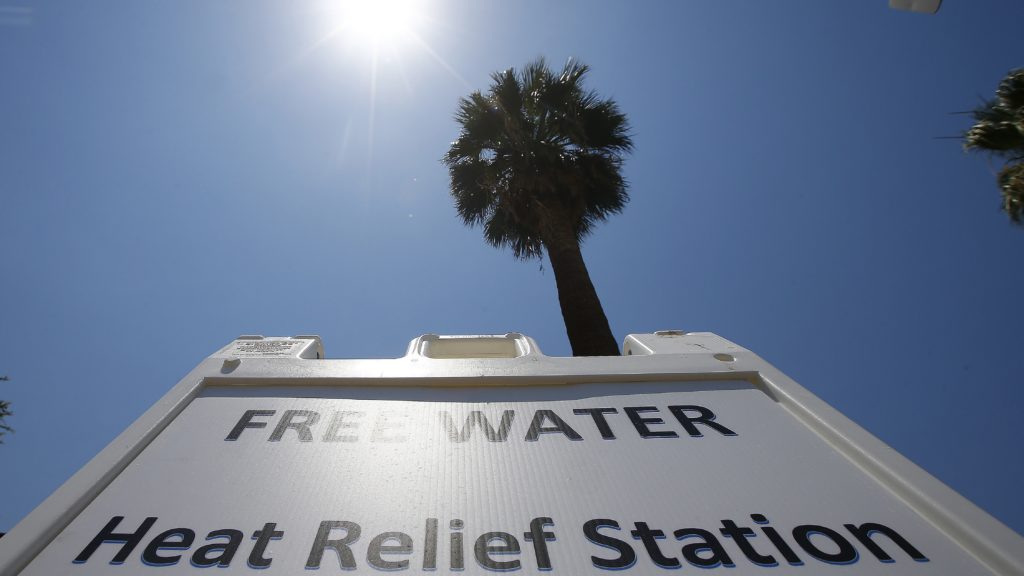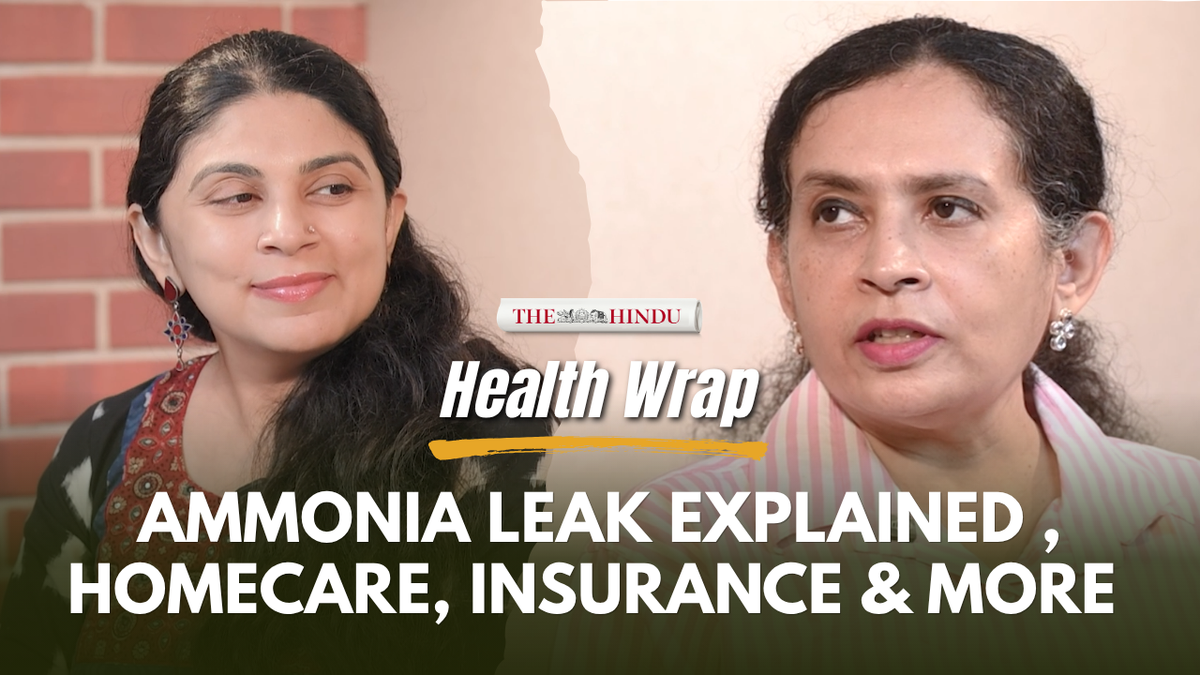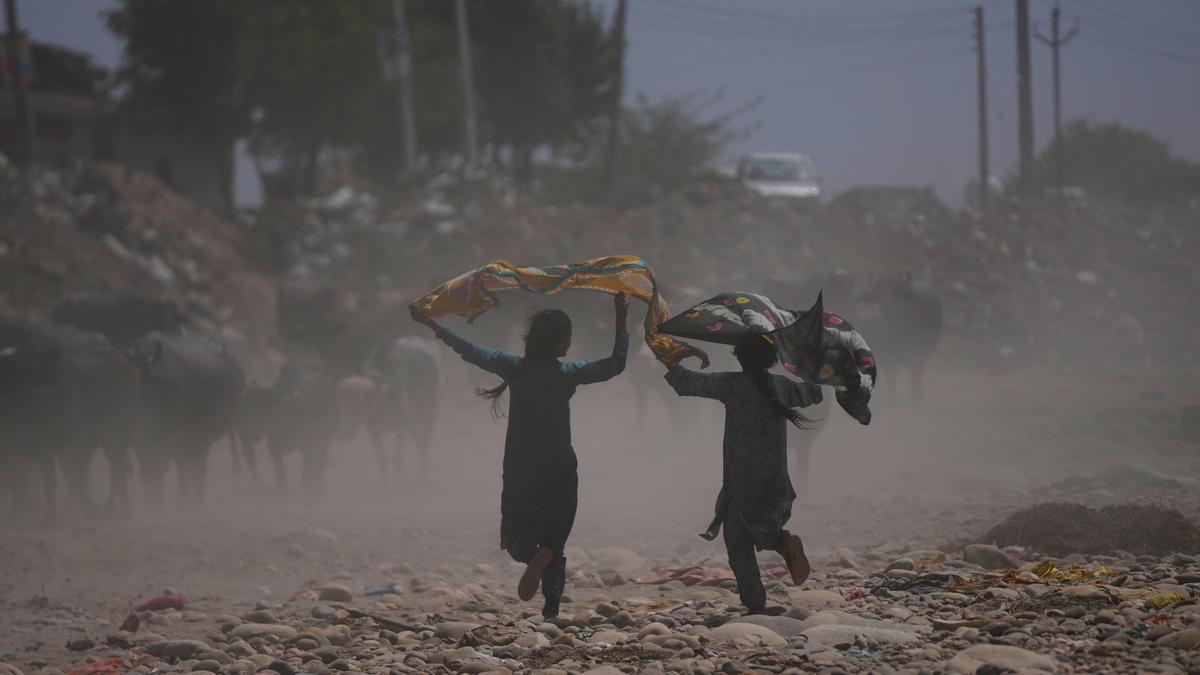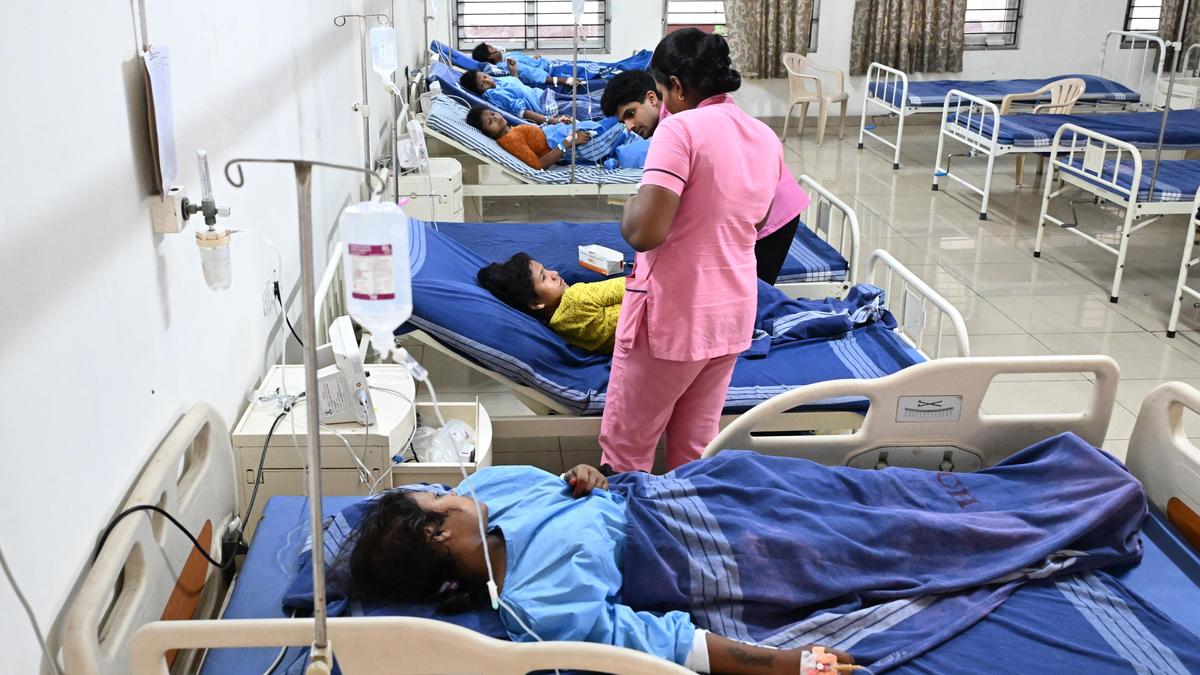
Environmental health hazards, disease outbreaks, healthcare reforms, ageing populations, changing healthcare needs and moreThe week began with a tragedy that reminded us that health is shaped by far more than diseases. An ammonia leak in Tamil Nadu claimed lives and left several others hospitalised, showing that public health emergencies can arise just as easily from environmental and occupational hazards as they can from infectious outbreaks. Our explainer this week unpacks what ammonia poisoning is, how exposure affects the body, and why timely medical intervention can make the difference between life and death.As the week unfolded, it became clear that this was part of a much larger story. Across the world, climate change, extreme weather and infectious diseases continued to test healthcare systems. Europe battled an intense heatwave, with the World Health Organization estimating more than 1,300 excess deaths and urging countries to adapt healthcare systems to rising temperatures. Another study found that one billion more people now experience at least one day of extreme heat stress every year than they did in the 1970s, reinforcing that climate change is no longer simply an environmental issue, it is increasingly a public health emergency.The consequences are being felt in the spread of infectious diseases as well. The Ebola outbreak in the Democratic Republic of Congo has already become the fastest-growing Ebola outbreak in its first month, according to the WHO. Reports from the ground revealed that many gold miners continue working despite the outbreak because survival leaves them with little choice, while France confirmed an Ebola infection in a healthcare worker returning from Congo. The United States also began efforts to develop a vaccine against the Bundibugyo strain of Ebola as the outbreak continued to evolve. Closer home, Meera Srinivasan explains how Sri Lanka’s dengue outbreak has strained the country’s public health system, reminding us that outbreaks are rarely just about pathogens, they expose the strengths and weaknesses of surveillance, healthcare infrastructure and sustained public health investment. Environmental health extended beyond outbreaks. Sambavi Parthasarathy analyses the rise in food poisoning cases across India, highlighting persistent lapses in food safety, while Siddharth Kumar Singh reports how a Hyderabad activist’s four-year campaign led to an FSSAI order against rusted food-cutting equipment, reinforcing the importance of basic food safety measures.Back home, the week’s biggest developments centred on strengthening India’s healthcare system, not through one sweeping reform, but through several policy measures that together signal the direction health governance is taking. Bindu Shajan Perappadan reports on the expansion of QR code-based drug traceability to vaccines, antimicrobials and cancer medicines; proposals to simplify procedures for importing drugs meant for examination and testing; enhanced CGHS financial powers to expedite cashless treatment; the government’s expanded fight against anaemia; affordable digital health management systems for small clinics; new maternal and child health initiatives, including the PM Family Care Tracker; and proposed amendments to the Medical Devices Rules. She also explains why more fixed-dose combination medicines are being banned, reports on the revocation of a pharmaceutical company’s licence following postpartum deaths in Kota, and unpacks the National Medical Commission’s decision to phase out postgraduate diploma courses from 2027, making MD (Doctor of Medicine) and MS (Master of Surgery) degree programmes the sole pathway for specialist training. Our editorial, Buyer Beware, argues that expanding drug traceability could become one of India’s most important patient safety initiatives.Medical education also remained in focus. Rajeev Kumar argues that the concerns surrounding NEET extend well beyond paper leaks, pointing instead to deeper structural vulnerabilities that deserve equal attention.Healthcare, however, is ultimately about people, and several stories this week reflected how care is evolving alongside policy. Ramya Kannan reports that India’s decades of experience in diabetes care could provide lessons for other developing countries. She also takes us through this week’s Health Wrap, exploring the science of sleep, common sleep disorders and sleep studies. Dr. Mathew George argues for reconnecting public health with people’s everyday needs, while Piyush Tewari makes the case for strengthening trauma care systems so that timely emergency care becomes the norm rather than the exception.Some of this week’s most compelling stories focused on patients, not just the medicines they receive, but the systems that support them. A.S. Jayanth reports concerns among parents of children with spinal muscular atrophy over Kerala’s proposal to procure generic medicines under its treatment scheme, even as our editorial argues that procurement decisions should continue to be guided by scientific evidence and regulatory approval. Serena Josephine M. reports that Tamil Nadu’s Centre for Persons with Autism has crossed 1,000 enrolments in just 18 months and is preparing to expand its services. Afshan Yasmeen visits Kidwai Memorial Institute’s palliative care ward, where sound therapy is offering moments of comfort beyond treatment, while S. Vijay Kumar reports that hospitals will now publicly disclose post-organ transplant survival data, an important step towards greater transparency and informed patient choice.Rehabilitation and prevention also featured prominently this week. I explore why speech recovery after stroke often continues well beyond the first few months, highlighting the importance of sustained rehabilitation, and in another feature examine the psychological burden of living with coeliac disease, showing why treatment extends beyond simply adopting a gluten-free diet. New research this week also suggests that taking just a five-minute walking break every hour can significantly reduce many of the harmful effects of prolonged sitting. Our tail piece, drawing on reports from bureaus across the country, examines how an ageing population is driving demand for home-based healthcare, why insurance products are struggling to keep pace with these evolving needs, and why more patients are increasingly opting for cashless health insurance claims.Here are our explainers and expert columns this week:Dr. Jyoti Wadhwa explores navigating stomach cancer risks and early detection in women,while Dr. Kshitij Mody explains what players should do immediately after a sports injuryGeetha Srimathi breaks down Fragile X syndrome, and Kavithaa Sri answers period questions you’re afraid to ask.Biju Dharmapalan looks at why the cholesterol debate is about much more than ‘good’ versus ‘bad’,while Dr. Harshini Bhat explains how iron deficiency in pre-adolescent children can affect learningAmarendu Nandy reflects on what India’s low-fertility future means for the country’s demographic and healthcare landscape.Meenakshy S. examines the mental health ramifications of the Trans Amendment Act, and Dr. Vasanth KattalaiKailasam traces how our understanding of pain has evolved over centuries.For many more health stories, head to our health page and subscribe to the health newsletter here.
Health matters newsletter Enviornmental hazards and health reforms
Health matters newsletter Enviornmental hazards and health reforms
1,062 words~5 min read