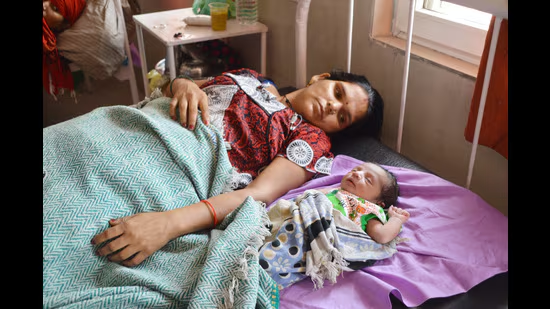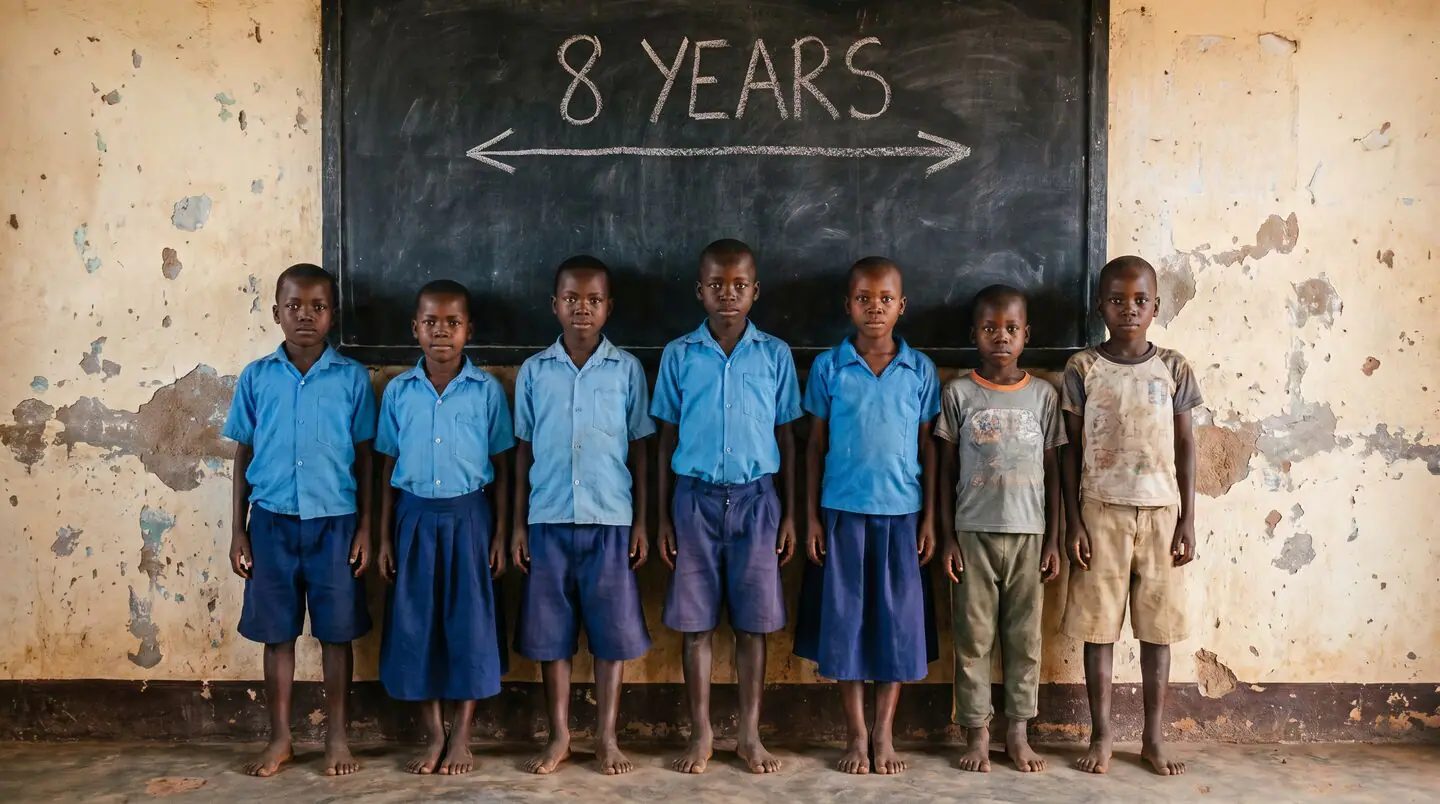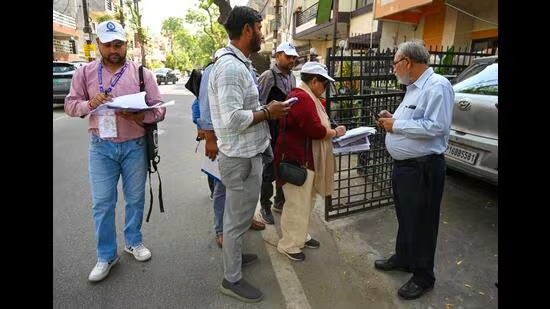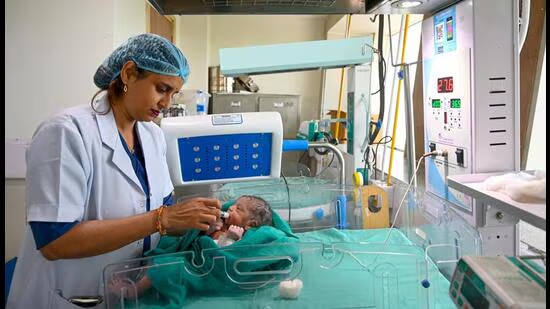
When triumph and disaster arrive at the same time, it is important to celebrate, but also, to take stock, assess, and pivot to address the lacuna. The recently released National Family Health Survey (NFHS)-6 data offer such an opportunity. The data for 2023-24 revealed some remarkable gains for India, but also exposed some unguarded pathways that will become disastrous if not attended to. The greatest of the gains came in the sector of child health — stunting is down by 17%; severe wasting is down 32%; institutional deliveries are at over 90%; and full immunisation coverage for children aged 12-23 months rose to over 87%. Additionally, the figures show that India’s Total Fertility Rate (TFR) had stabilised at 2.0, below the replacement level of 2.1 Unequivocally, these are gains; ones that India has been working on for decades. It is an encouraging sign that the needle has finally moved, in these crucial sectors. These gains will have to be built upon, without any drop in service delivery, while remaining uncompromising on access or quality of services in the public sector. However, health managers need to heed the other side of the paradigm as well. NFHS-6 indicates a ‘dual public health burden’ — obesity (in three years, it had grown from 22.9% to 27.3% among men, while among women, from 24% to 30.7%) remains problematic while some level of malnutrition continues, besides the onslaught of lifestyle diseases. The survey also showed a decline in exclusive breastfeeding among children under six months, from 63.7% in NFHS-5 to 55.8% in NFHS-6. Breast feeding is essential to prevent infant malnutrition.The NFHS, one of the largest cross-sectional household surveys in the world, could easily be considered the primary tool to define public policy, and evidence-based governance, besides tracking development indicators. The data it generates are crucial. Other India-level data from similar periods indicate similar trends; the SRS and the National Health Accounts Survey reveal the lack of focus or funds for lifestyle diseases, and metabolic disorders. The danger of letting this continue will be known sooner rather than later, as India progresses through a demographic transition to a greyer nation. At this stage, transformations are still possible. Setting up comprehensive screening programmes for NCDs, stressing on nation-wide behaviour change communication on diet and exercise, and ensuring higher taxes on sugared beverages and packaged foods are all techniques that will help reduce, and limit the burden, of NCDs. Bolstering health systems to tackle these NCDs, once they set in, at every level — village, town and city — is also critical. Published - June 02, 2026 12:10 am IST
Joy and pain: on the NFHS-6 data
The National Family Health Survey (NFHS)-6 data has shown some remarkable gains for India, but have also exposed some pathways that will become disastrous if not attended to
433 words~2 min read