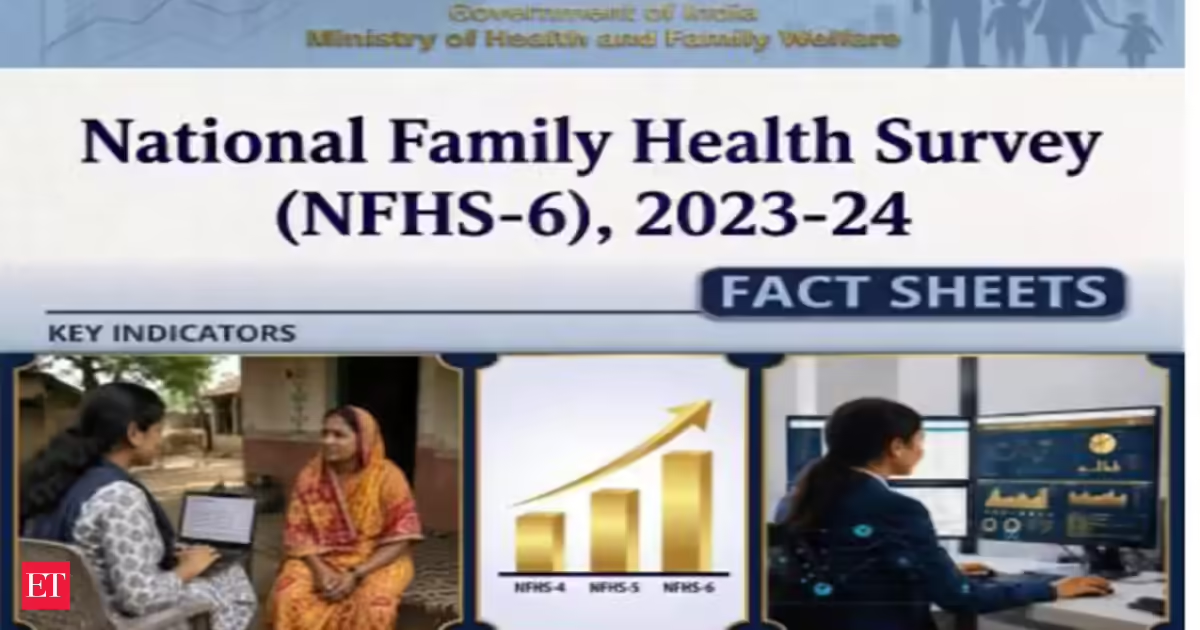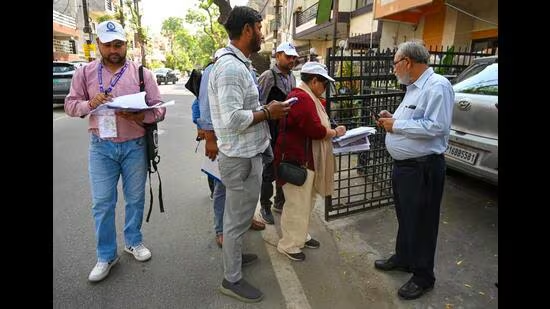
The National Family Health Survey-6 is the most comprehensive picture of India’s health in four years. And if you read only the government’s press release, you would conclude that India’s health story is largely one of progress. That reading is not wrong. It is incomplete.
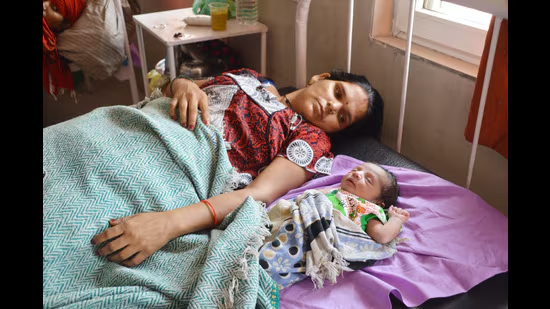
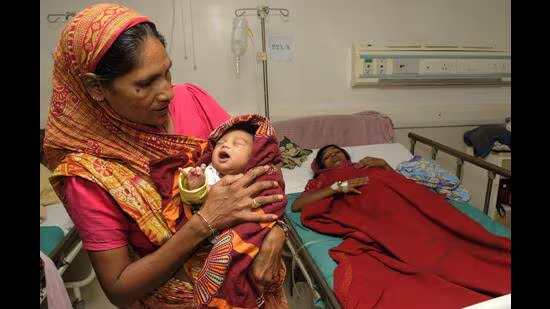
The gains are genuine and significant. Institutional deliveries have risen to 90.6 per cent. Antenatal care coverage is at 95.9 per cent. Stunting in children under five has declined substantially from 35.5 per cent to 29.3 per cent. Breastfeeding within one hour of birth has improved by more than eight percentage points. Hypertension has declined nationally among both women and men. These reflect years of sustained investment in maternal and child health — and they are working. The question NFHS-6 forces is what happens to that woman after she safely delivers and turns 35.
NFHS-6 records a sharp and accelerating rise in NCD (non-communicable disease) risk factors among working-age adults. Nearly one in three women aged 15-49 is now overweight or obese — up from one in four in NFHS-5. In urban areas, the figure reaches 42.8 per cent. Among men, the rise is from 22.9 per cent to 27.3 per cent. High blood sugar in men has risen from 15.6 per cent to 20.9 per cent in four years. In women, from 13.5 per cent to 17.8 per cent.