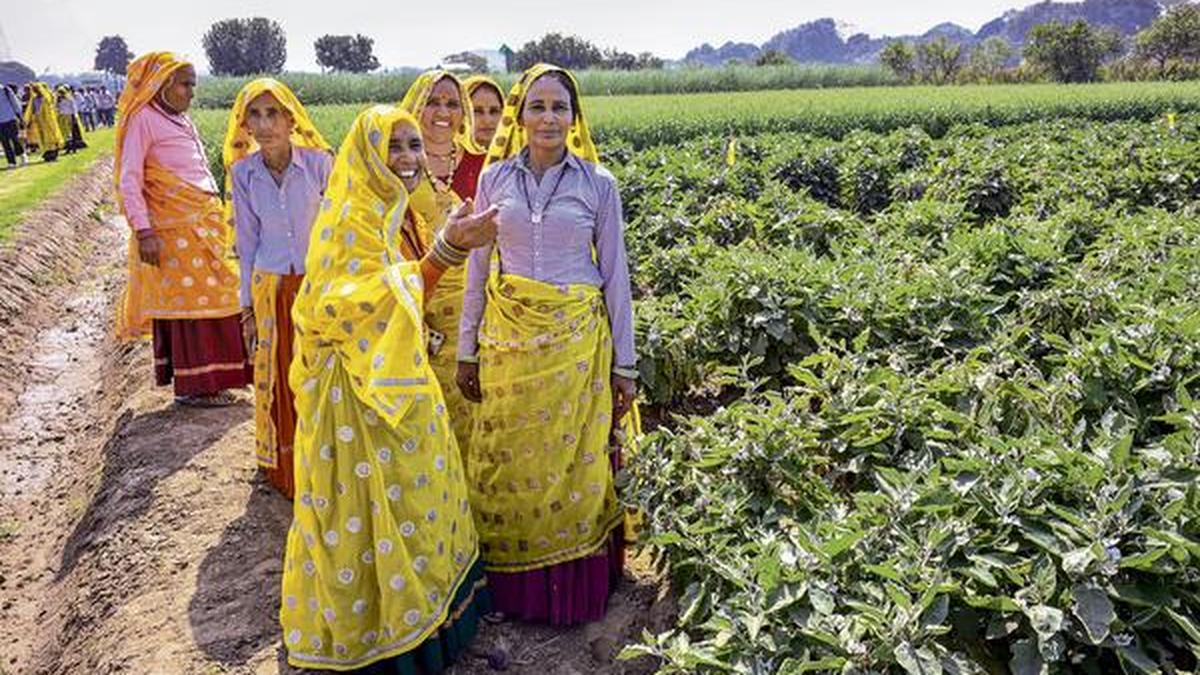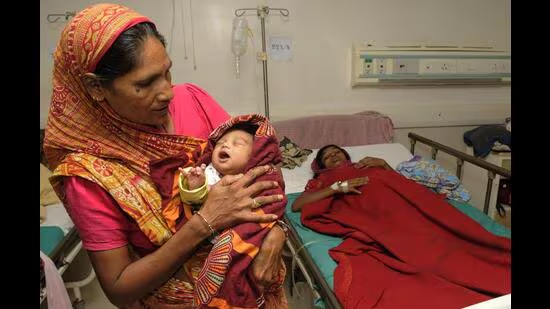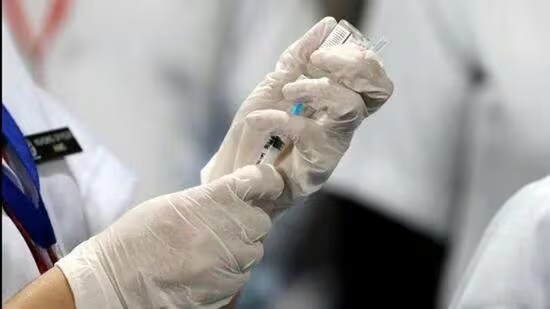
Even as Haryana’s women are far more connected, financially aware, and socially empowered than they were a few years ago, many deep-rooted social challenges, such as child marriage, gender-based violence, and limited economic participation, remain major concerns in the state, according to the latest National Family Health Survey (NFHS-6).The report suggests that nearly three out of four women in Haryana have used the internet, with the figure rising from 48.4% in 2019–21 to 74% in 2023–24, compared to 87% of males. (HT Photo for representation)The survey, conducted during 2023–24 and compared with the NFHS-5 survey of 2019–21, captures a major social transformation in women’s empowerment. With access to mobile phones, internet services, and banking facilities expanding sharply, the trend reflects the growing reach of smartphones, digital payments, online education, and welfare schemes.The report suggests that nearly three out of four women in Haryana have used the internet, with the figure rising from 48.4% in 2019–21 to 74% in 2023–24, compared to 87% of males. Women’s financial inclusion has also improved considerably. The percentage of women with bank accounts increased sharply from 73.6% to 85.2%, while mobile phone ownership rose from 50.4% to 64.9%. More than 91% of women now participate in key household decisions, compared to 87.5% in 2019–21.However, the survey also exposes the limits of women empowerment as only 25.1% women reported earning cash income through work, though the figure improved from 18.8% in the previous survey. The data points to a major contradiction as women are gaining access to technology and financial systems, but economic participation continues to lag significantly.The survey further reveals that traditional social challenges persist despite gradual improvements. Eliminating child marriage remains a hurdle, with the rate among women aged 20–24 decreasing only slightly to 11.9%, compared to 12.5% in 2019–21.Meanwhile, early marriage among men aged 25–29 fell from 16% to 13.3%. While Haryana’s Total Fertility Rate remained stable at 2.0, teenage pregnancy and motherhood increased from 3.9% to 4.7%, highlighting continuing gaps in adolescent reproductive health awareness.The survey also presents mixed trends regarding gender-based violence. Spousal violence among ever-married women aged 18–49 declined from 17.9% to 13.6%. Meanwhile, incidents of sexual violence before the age of 18 among young women reduced from 0.4% to 0.1%.Further indicating male dominance and gender bias within families, violence during pregnancy increased from 1.6% to 2.6%. The survey also underlines how reproductive responsibilities remain heavily skewed towards women in Haryana. While the unmet need for family planning declined from 7.6% to 6%, male sterilisation remained stagnant at just 0.9%. In contrast, female sterilisation continues to dominate contraceptive practices at 28.5%, down from 32.2% in 2019–21.The report shows that women with high or very high blood sugar levels, or taking medication for diabetes, rose from 11.9% to 16.7% during this period, while the figure among men increased from 13.5% to 18.5%. The rise was more pronounced in urban areas, indicating the growing influence of sedentary lifestyles and reduced physical activity.Whereas, the survey recorded an improvement in hypertension levels. Among women, elevated blood pressure or use of medication for hypertension declined from 21% to 16.7%, while among men it fell from 25.1% to 19.6%. Despite the improvement, nearly one in five men and around one in six women in Haryana continue to suffer from high blood pressure indicating cardiac diseases, a major public health concern.The survey also exposed a widening urban-rural divide, with urban Haryana continues to perform significantly better in education, internet access and mobile ownership with about 84.9% urban women reported using the internet compared to 67.3% in rural areas, while women with 10 or more years of schooling stood at 63.9% in urban Haryana against 49.9% in rural regions.Rising obesity among women Another biggest concern flagged by the survey is the sharp rise in obesity and diabetes. Among women, the proportion who are overweight or obese increased from 33.1% in 2019-21 to 37.3% in 2023-24, while among men the figure rose sharply from 28.3% to 33.9%. At the same time, undernutrition also persists, with 17.2% women and 16.7% men still found underweight, highlighting the state’s growing “double burden” of malnutrition.The survey also shows that tobacco and alcohol consumption in Haryana remains significantly higher among men than women. About 27.5% of men aged 15 years and above reported using some form of tobacco, compared to just 2.2% of women, while alcohol consumption was reported by 17.5% of men against only 0.2% of women.
National family health survey: Digital access surges for Haryana women, yet economic participation lags
The survey, conducted during 2023–24 and compared with the NFHS-5 survey of 2019–21, captures a major social transformation in women’s empowerment
734 words~3 min read