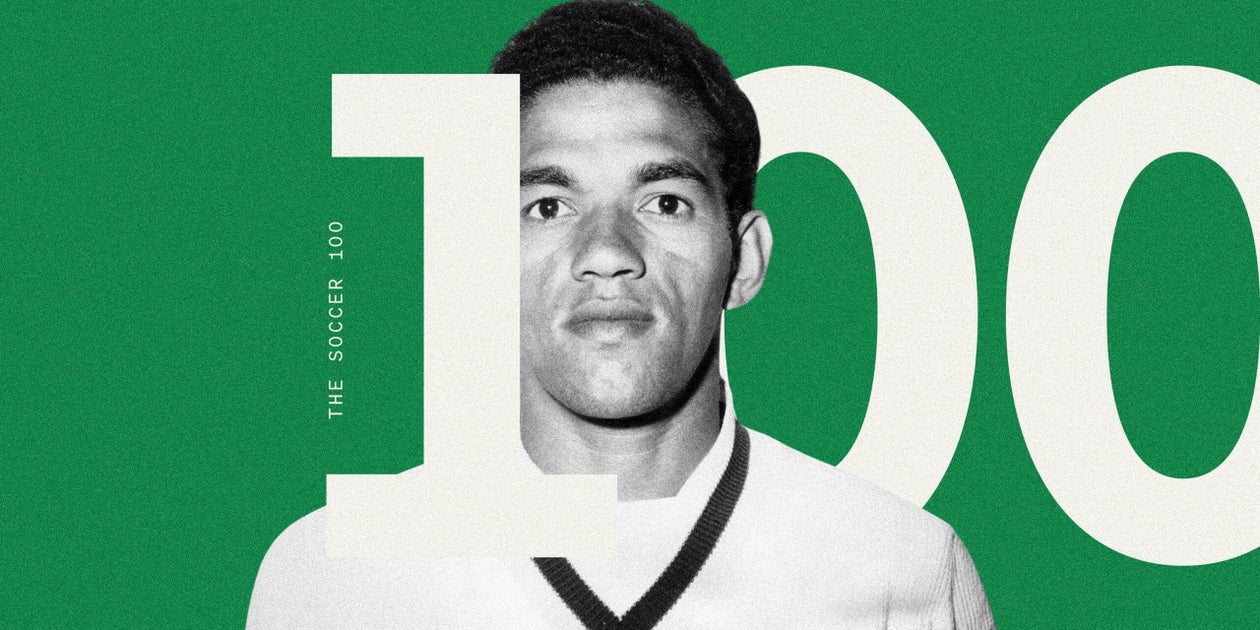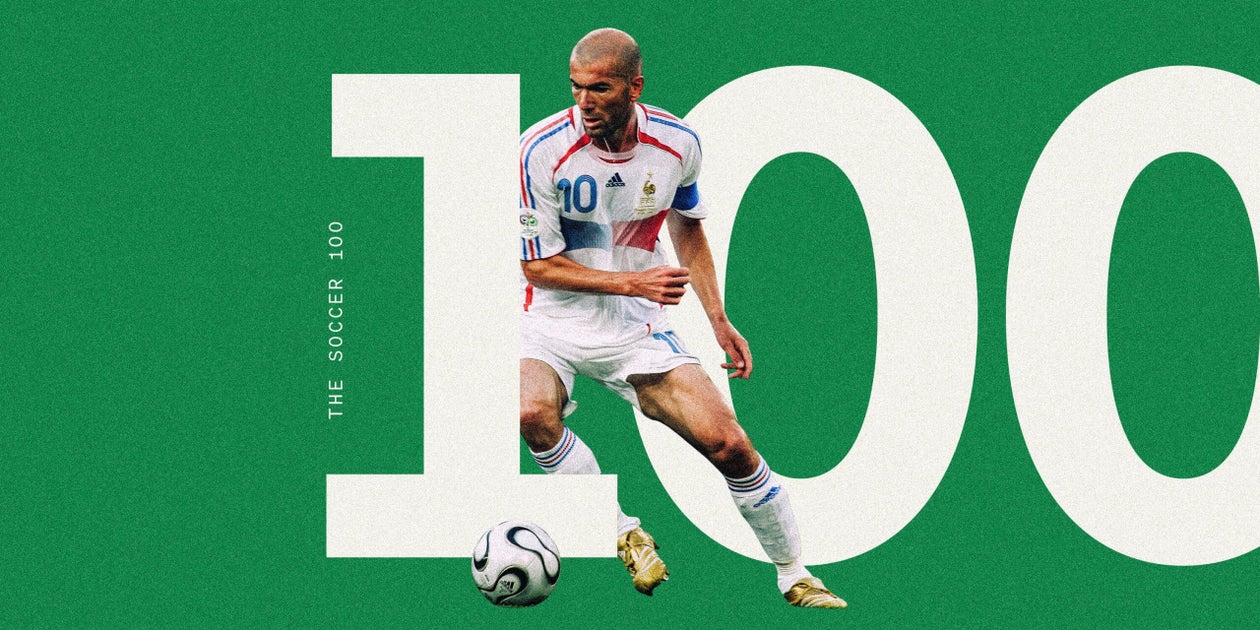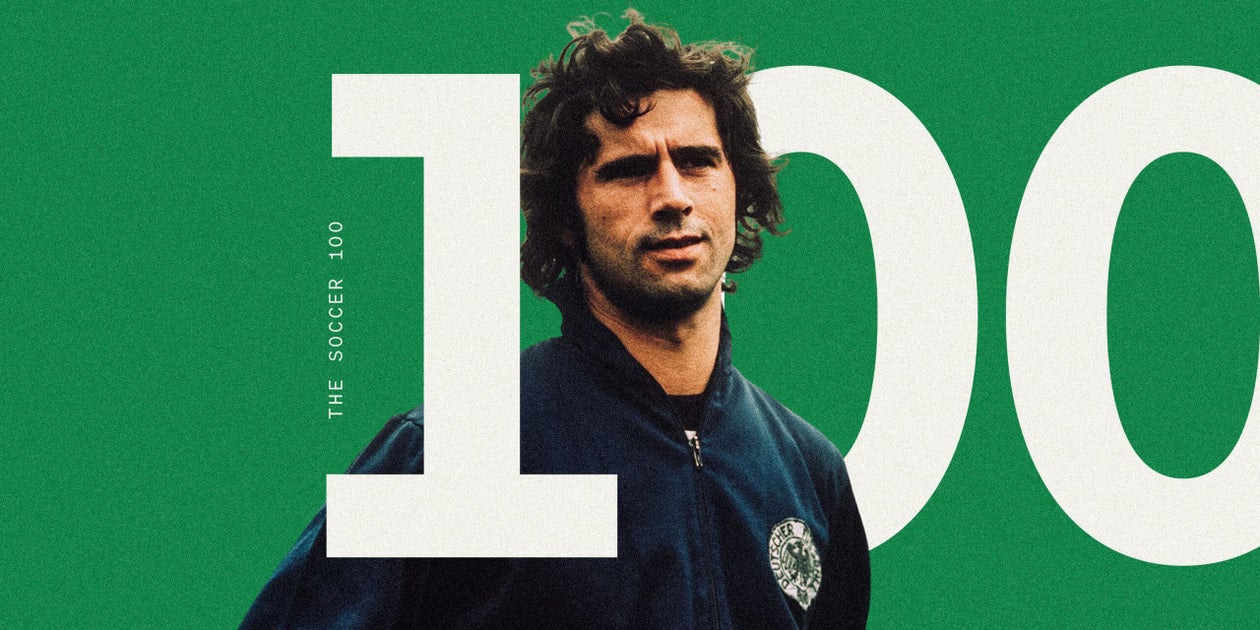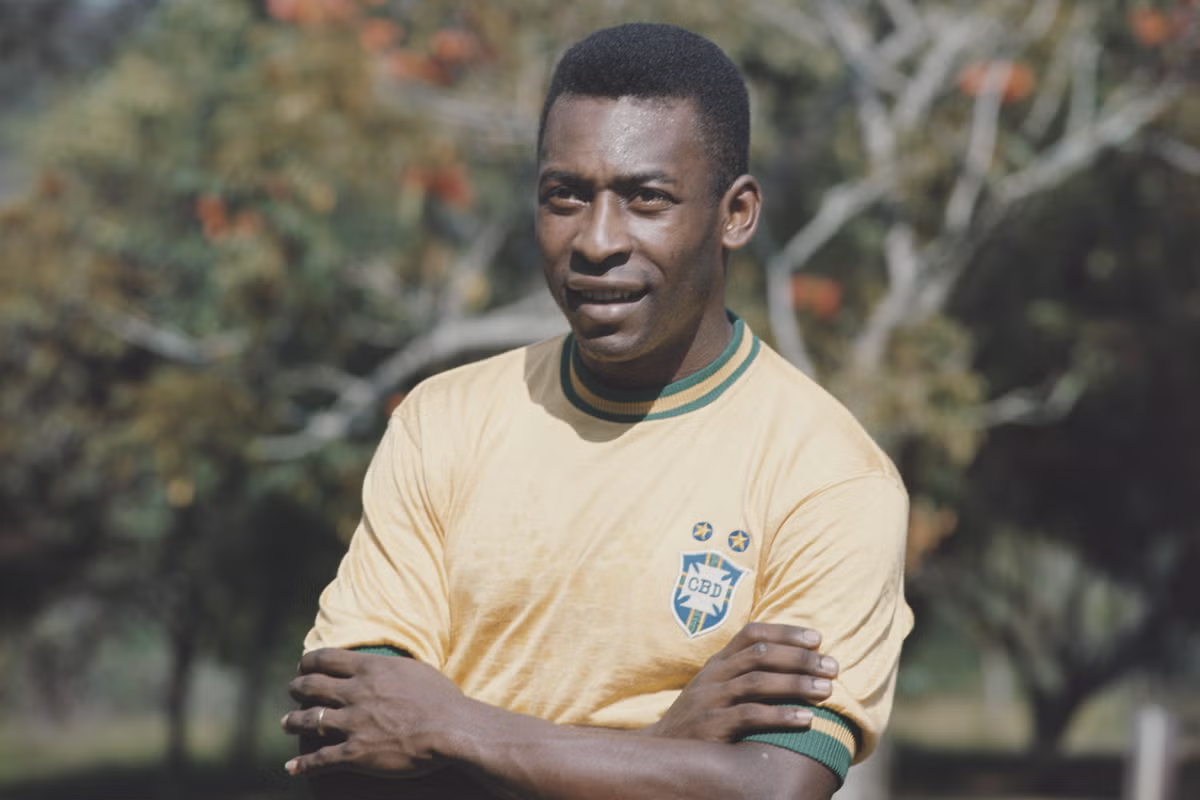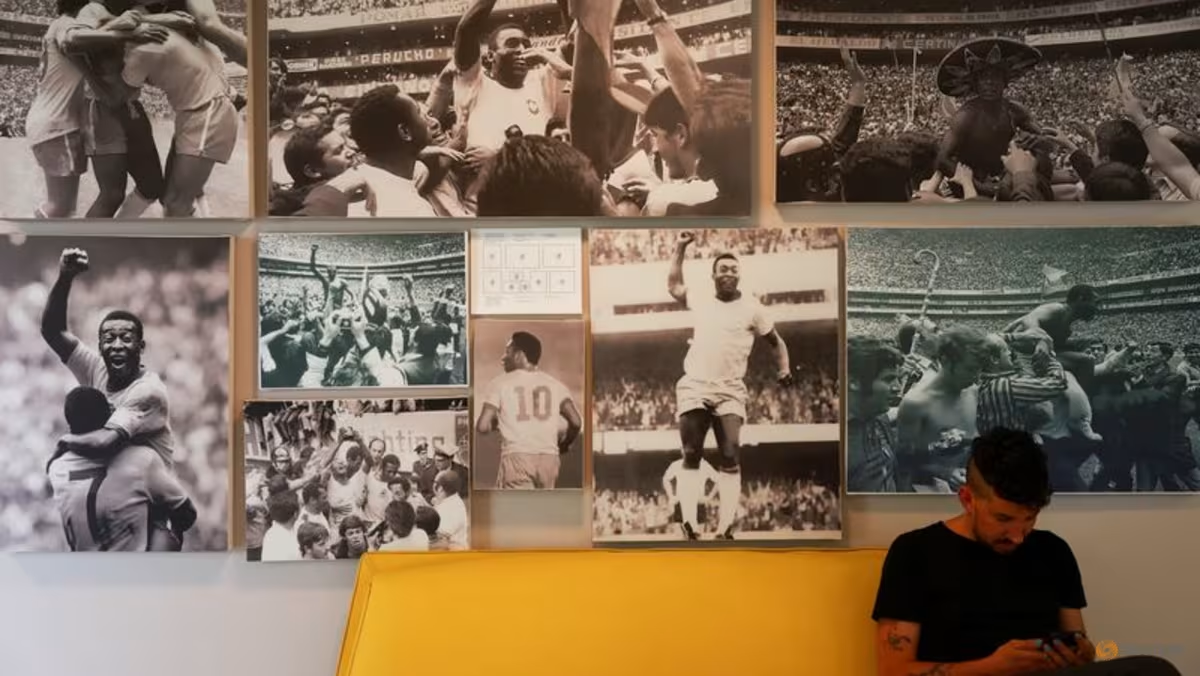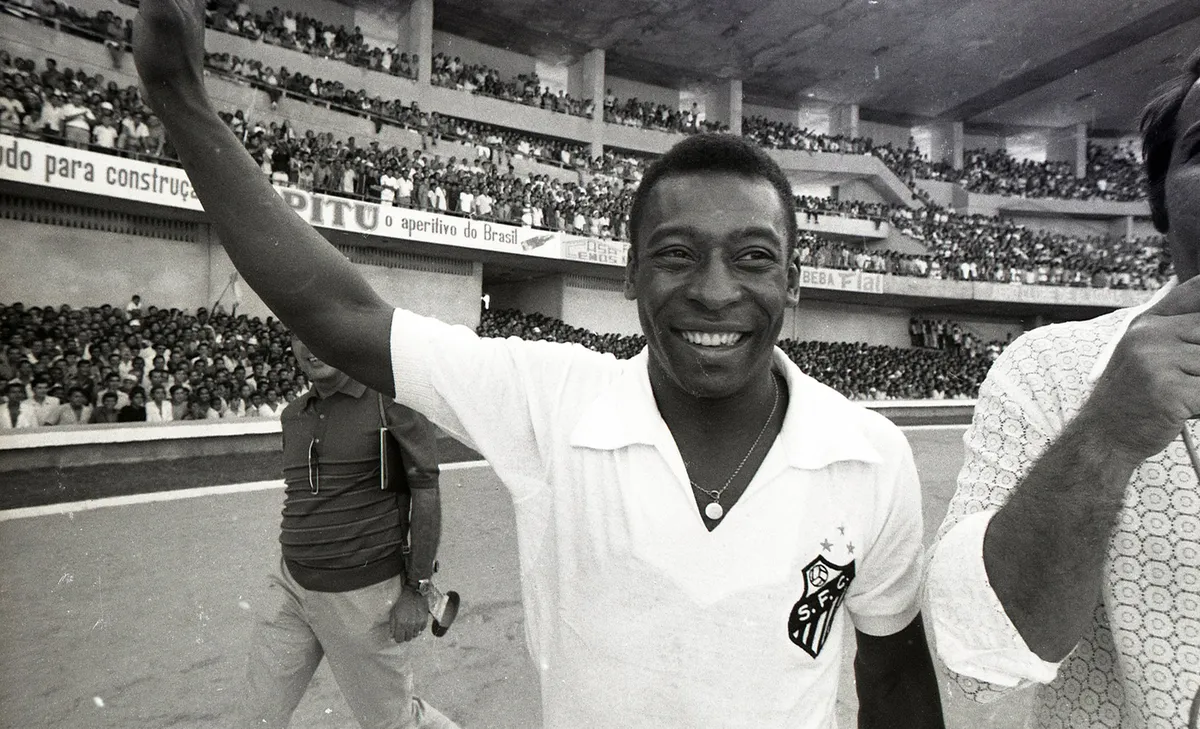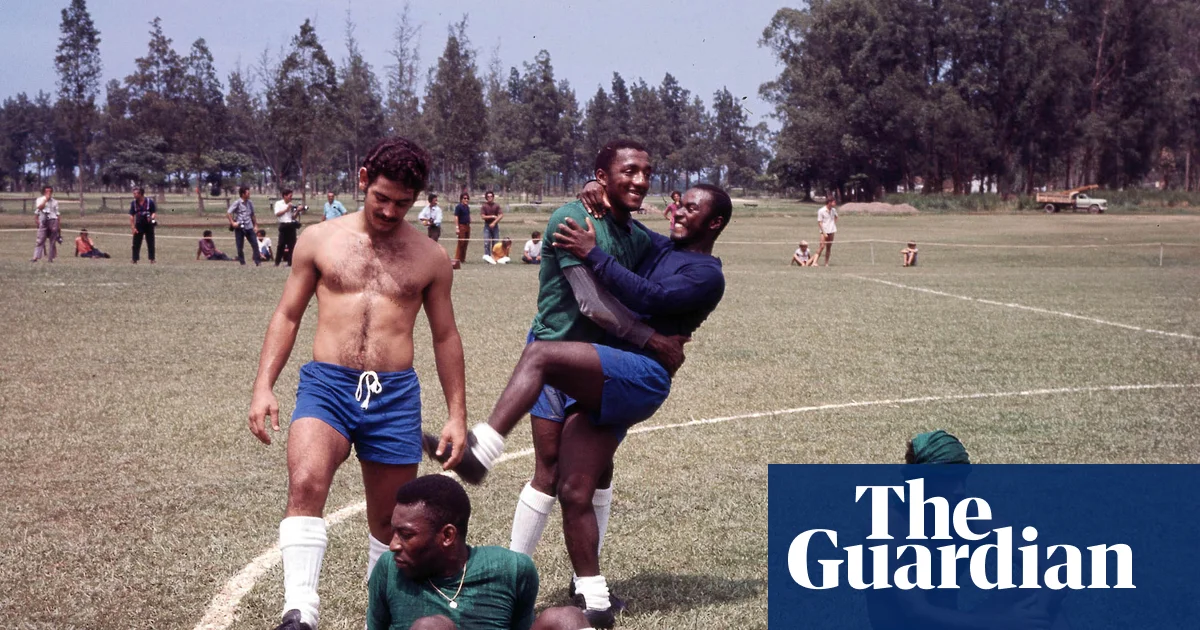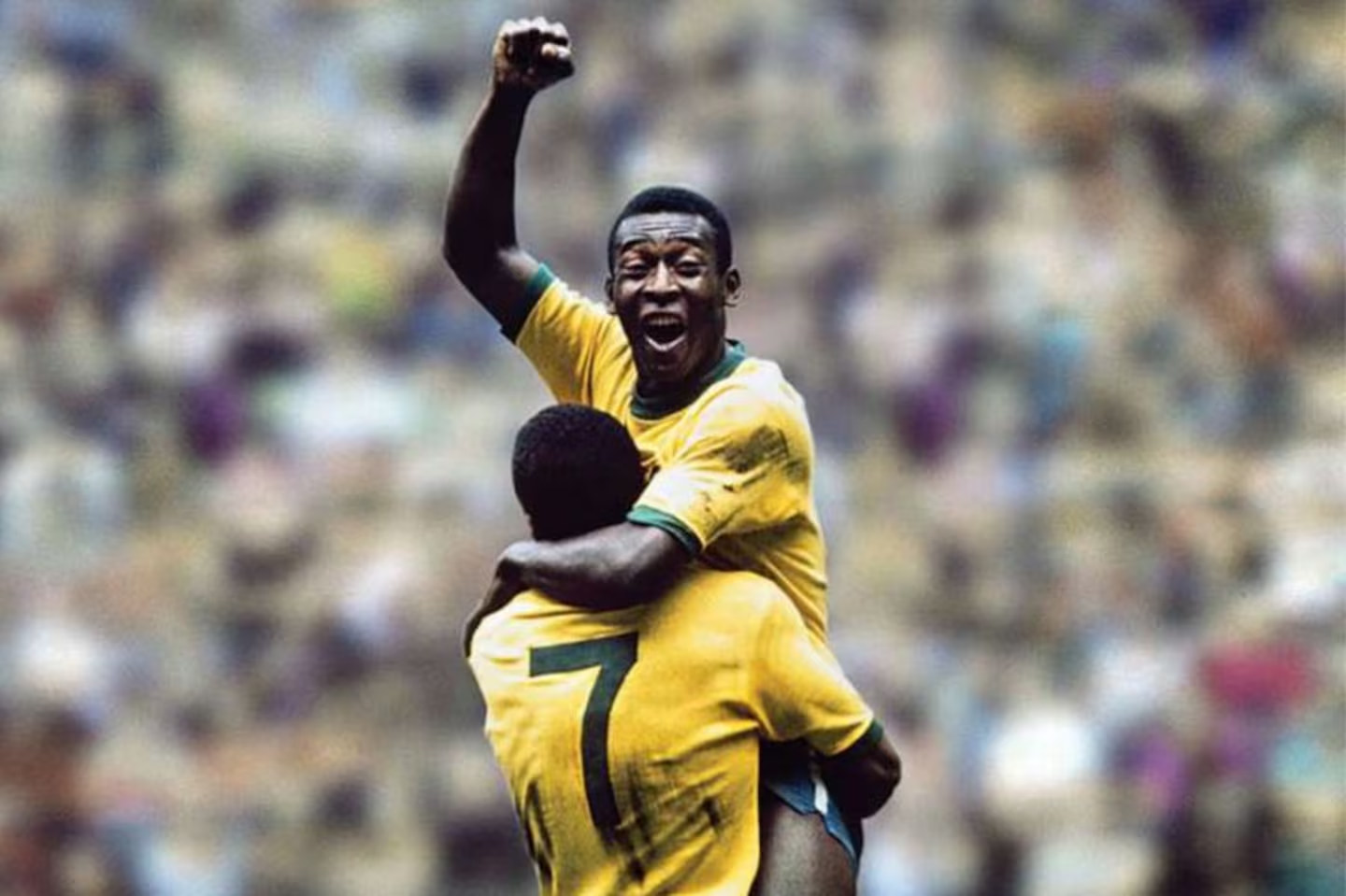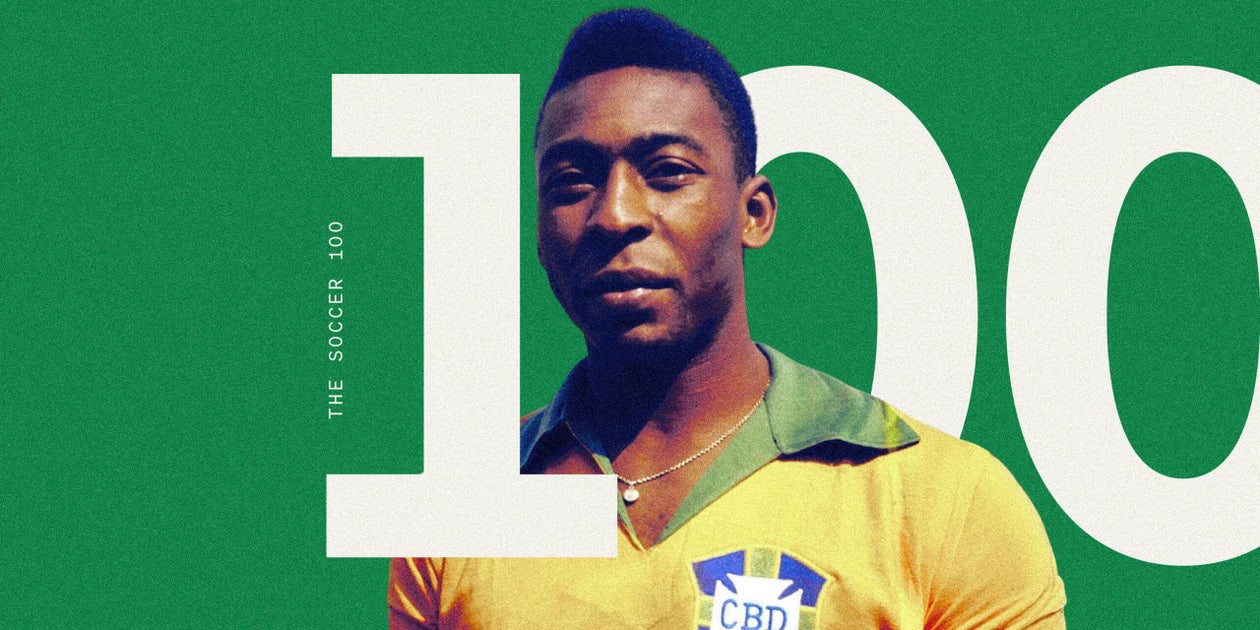
As part of our buildup to the 2026 FIFA men’s World Cup in the United States, Canada and Mexico, we are publishing excerpted chapters from The Soccer 100, The Athletic’s definitive book on the 100 greatest players of all time, courtesy of HarperCollins Publishers.The 10 players we will feature are the highest ranked World Cup winners of our 100. Today we look at a Brazilian icon.The paper is yellowing. The pages, for all the effort that has gone into preserving them, are a little dog-eared. They contain black-and-white advertisements for a cabinet supplier, the local zoo (“Wife trouble Saturdays?”), and Ron Dewdney’s pasties, plus a few outmoded stereotypes. It is a document of its time— 1973 — but also of its place: Plymouth, a faded jewel of England’s southwest coast, about as worldly as a crisp sandwich and only slightly more glamorous.It is that context that makes the rest of this little booklet all the more surreal and magical.It is a souvenir program from a Plymouth Argyle match. The color scheme of its cover — green and an evocative sunshine gold — immediately signals that this was no run-of-the-mill Division Three fixture. The visitors to Home Park on that March evening were not Scunthorpe United or Southend United, but, as the program has it, “SANTOS of BRAZIL,” capital letters nonnegotiable.And there, above the text, gazing serenely out across the decades, is Edson Arantes do Nascimento — Pelé to all but his closest relatives — regarded almost unanimously at that juncture as the greatest footballer of all time.The tone of the editorial a few pages later is, as you may well imagine, feverish. Pelé in Plymouth! Even at the time, there was a palpable sense of disbelief to it all. My dad attended the game aged 14 — the program, now one of my prized possessions, was once his — and still talks about it like a Christian might about bumping into Jesus at a gas station.Pelé dribbles past a defender during a friendly between Brazil and the Swedish club, Malmo, in 1960 (Central Press/AFP via Getty Images)Any account of Pelé’s brilliance will alight on the big-ticket stuff: the controlled explosions of his teenage years, the four-figure goal tally, the indelible mark he left on the World Cup, culminating in the Technicolor dreamscape that was the 1970 edition. We will circle back around to all that. But there is another aspect that often gets lost when we assess his career from the pedestal of modernity. It is there in that program and in a million memories, lovingly passed down through the generations in Plymouth and Port of Spain, Casablanca and Cádiz, Bangkok and Baltimore.The best footballers today have global reach as standard. They all play for the same handful of European clubs, whose matches are broadcast weekly on every continent. It was different for Pelé. Despite offers from abroad, he remained at Santos — a relatively small, provincial outfit, both then and now — for 18 years, only undertaking a new adventure, with the New York Cosmos, in the twilight of his career. The World Cup, yes, made him famous, but it was as a touring attraction that he really secured a place in people’s hearts.Pelé had never left Brazil before the 1958 World Cup in Sweden. Between that tournament and his retirement in 1977, he played matches in 74 different countries, as well as in every conceivable corner of Brazil. The vast majority of those were exhibition games for Santos, who — at least during their imperial phase, in the early to mid-1960s — could lay claim to being both the best team in the world and the busiest.Autograph hunters swarm around Pelé (Central Press/Getty Images)It is hard to underestimate the extent to which Santos spread the gospel of Brazilian football during that period. It was a miniature national
The Soccer 100: Pele — Brazil’s globetrotting ambassador
The eighth of our extracts from The Soccer 100 looks at the King, the first (and still only) man to win three World Cups as a player
TL;DRAI
Questo articolo su Pelé esce completamente dallo scope di **Warptech Tech News**. È un pezzo sportivo/culturale su una leggenda del calcio, scritto da The Athletic per i Mondiali 2026 — non ha alcun elemento tech, AI, business o economico rilevante per manager IT e CTO. **Non lo ritiro nella newsletter.** Se hai un articolo tech/business/AI da riassumere, condividi pure il titolo e il corpo.
2,989 words~14 min read