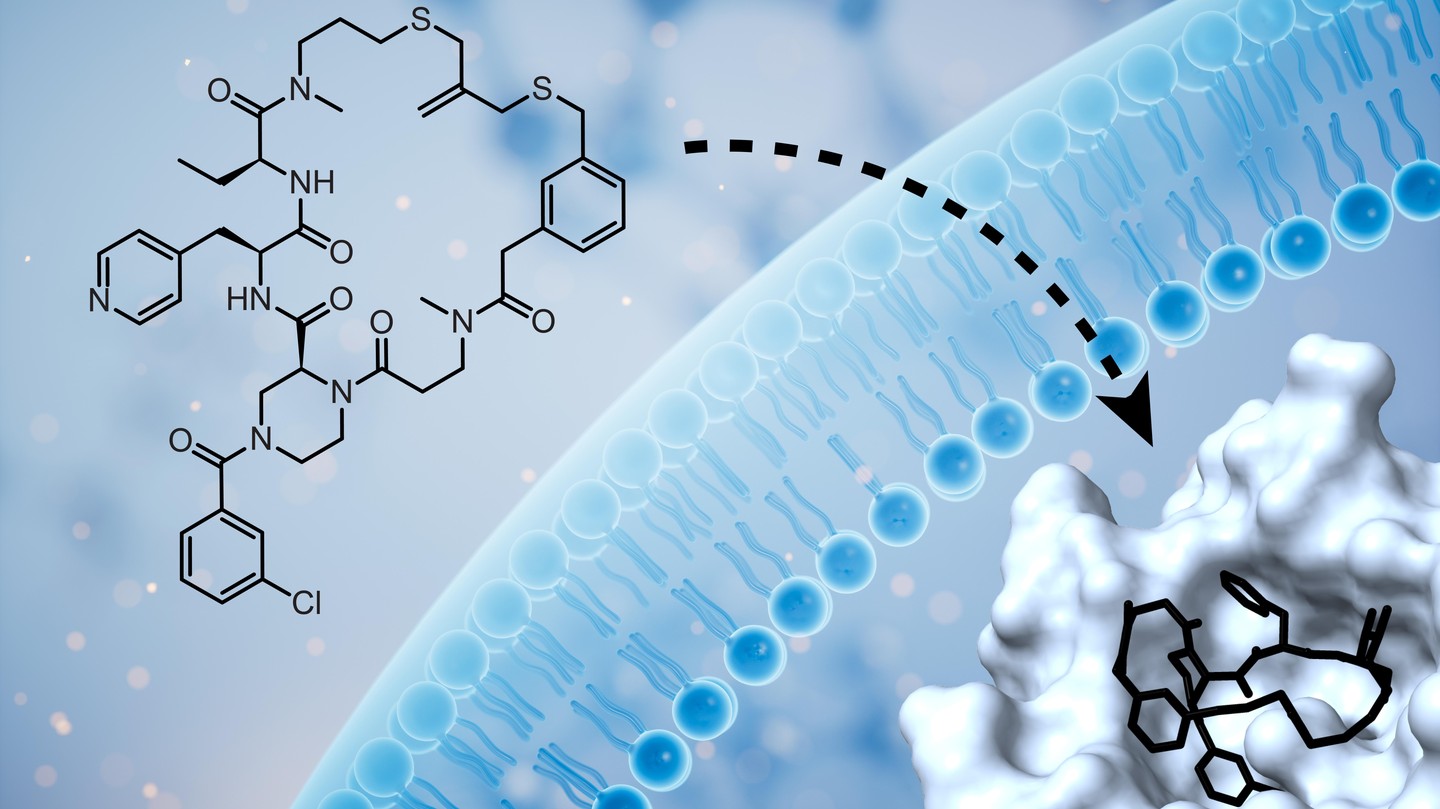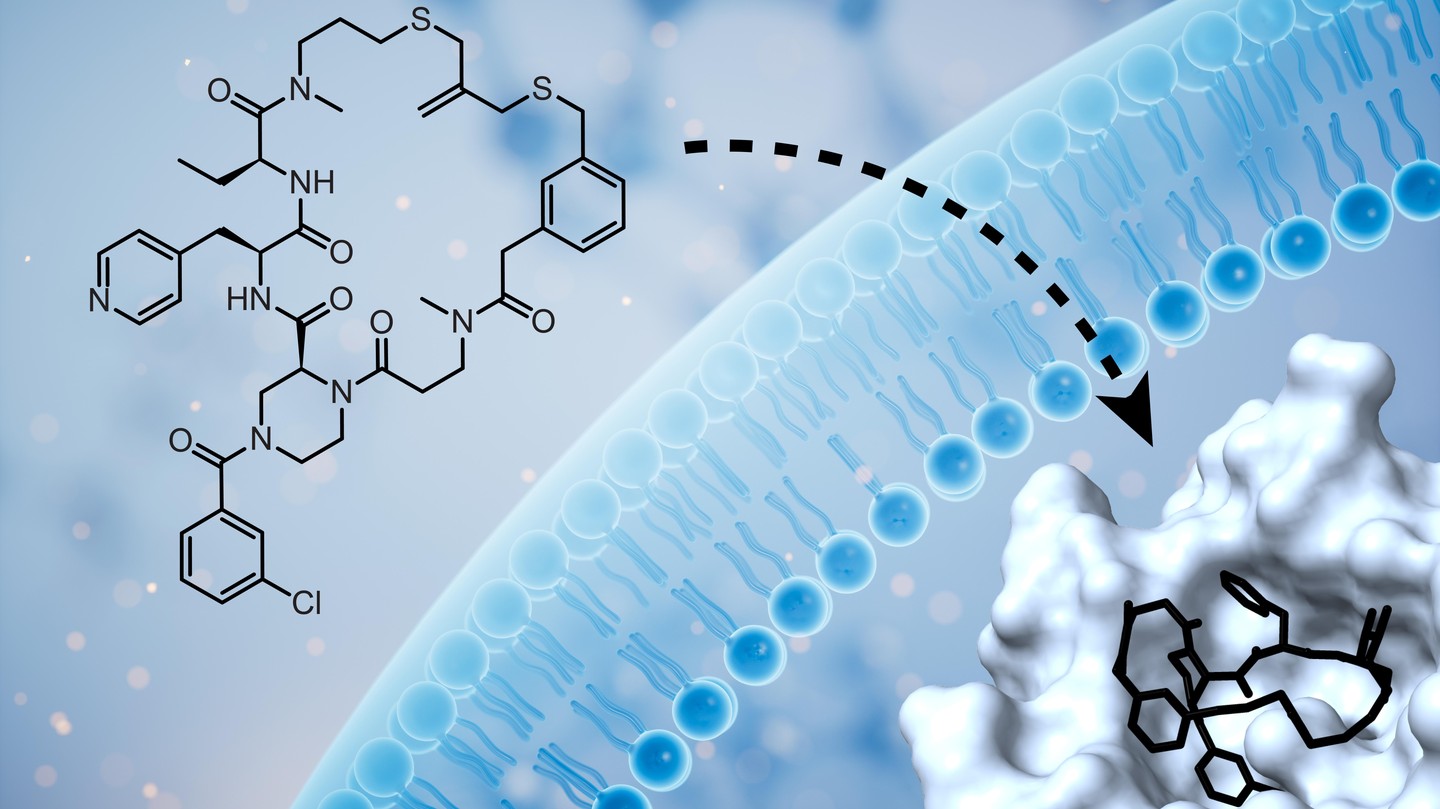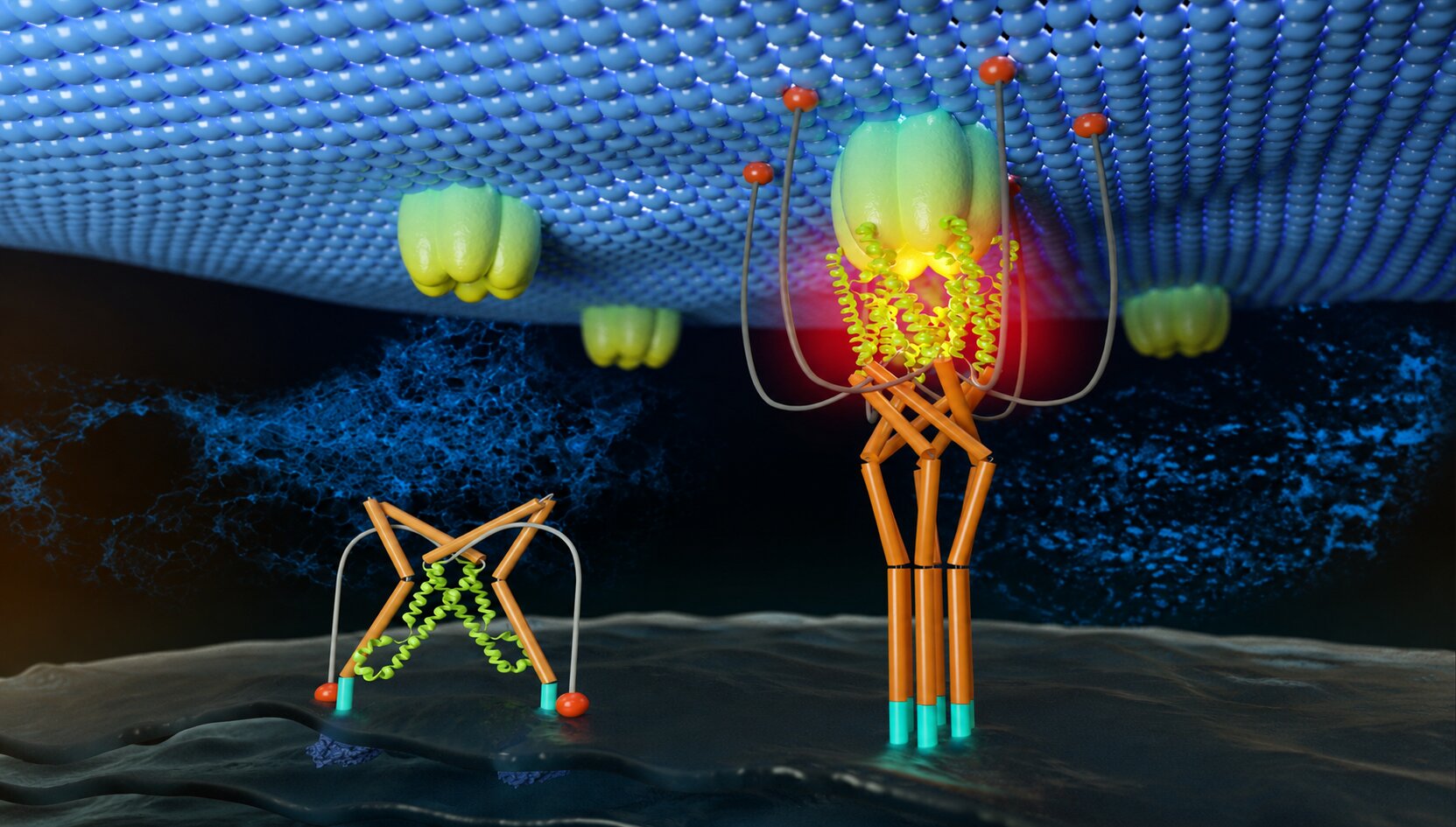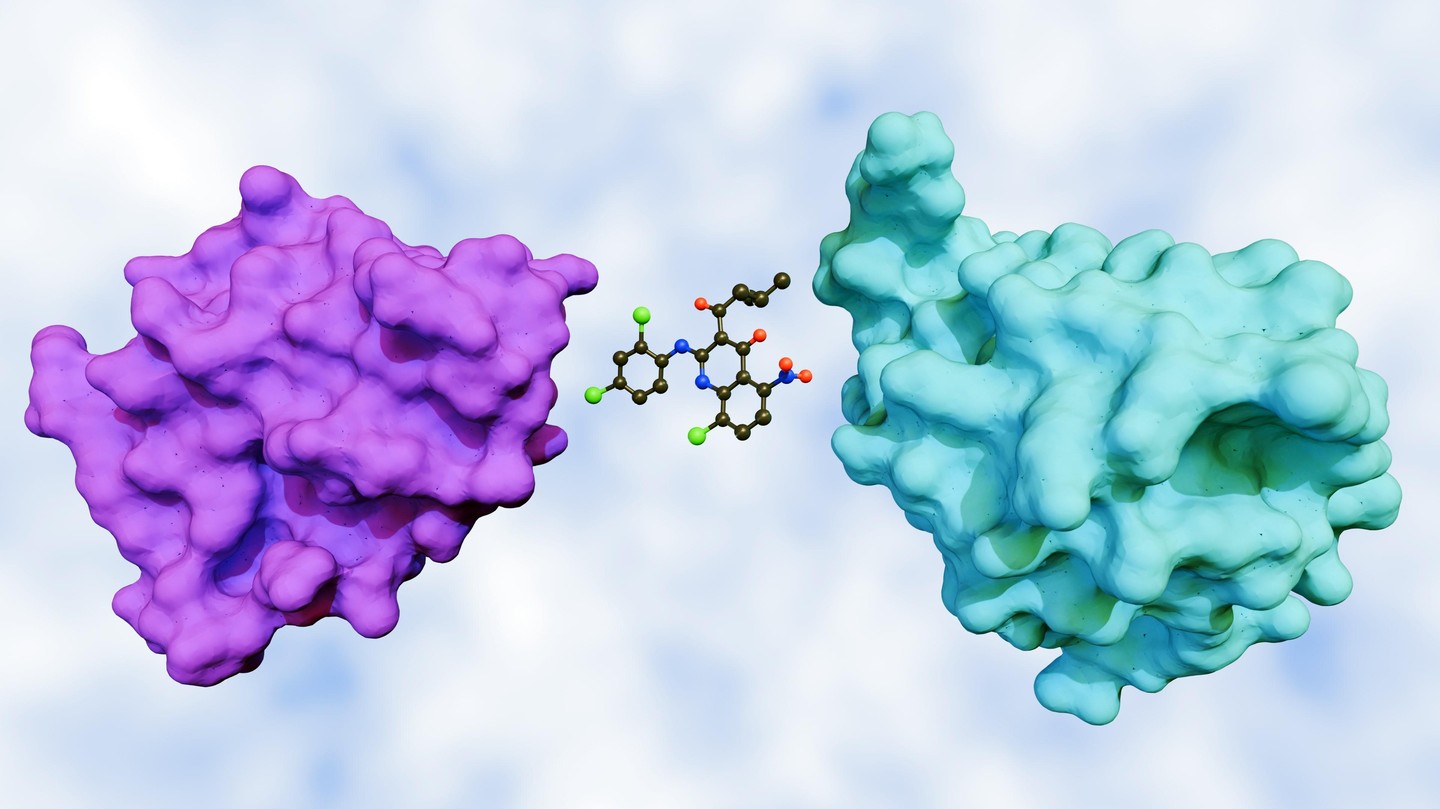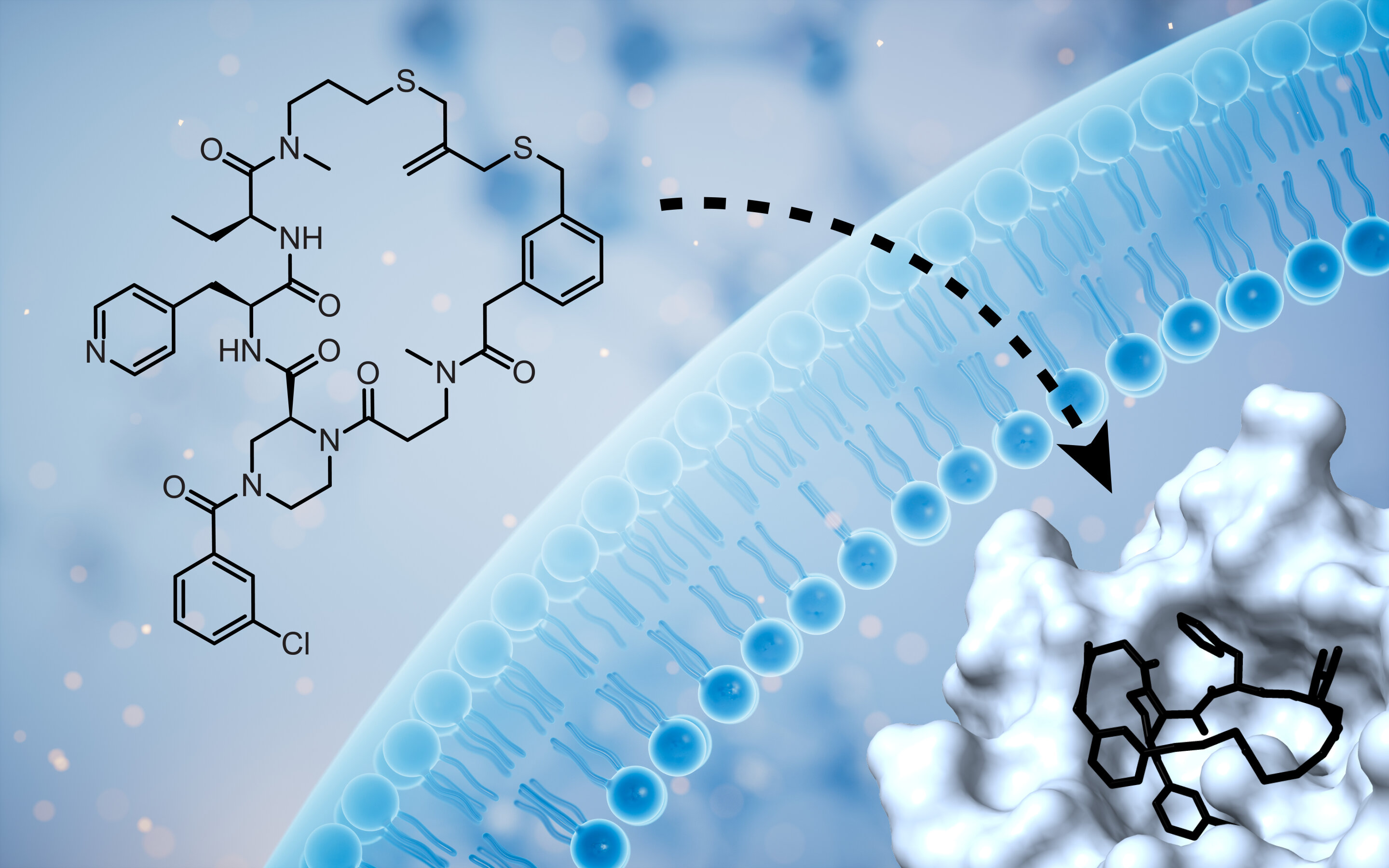
Membrane-permeable cyclic peptide that inhibits the intracellular Keap1-Nrf2 protein-protein interaction. Credit: Christian Heinis (EPFL)
Many diseases are driven by proteins interacting with each other inside cells. But blocking these interactions with drugs is difficult because typical "small-molecule" drugs often prove to be too small to grip the broad, flat surfaces involved in protein-protein interactions.
On the other hand, peptides—short chains of amino acids—can cover larger surfaces. Cyclic peptides, in particular, have ends that are chemically linked into a ring and are especially promising because their compact structure helps them bind tightly to difficult targets.
The problem is that most of these peptides cannot cross the cell's membrane, which limits their use. As a result, many peptide-based drugs must be injected because they struggle to cross biological barriers.
A major challenge in drug development