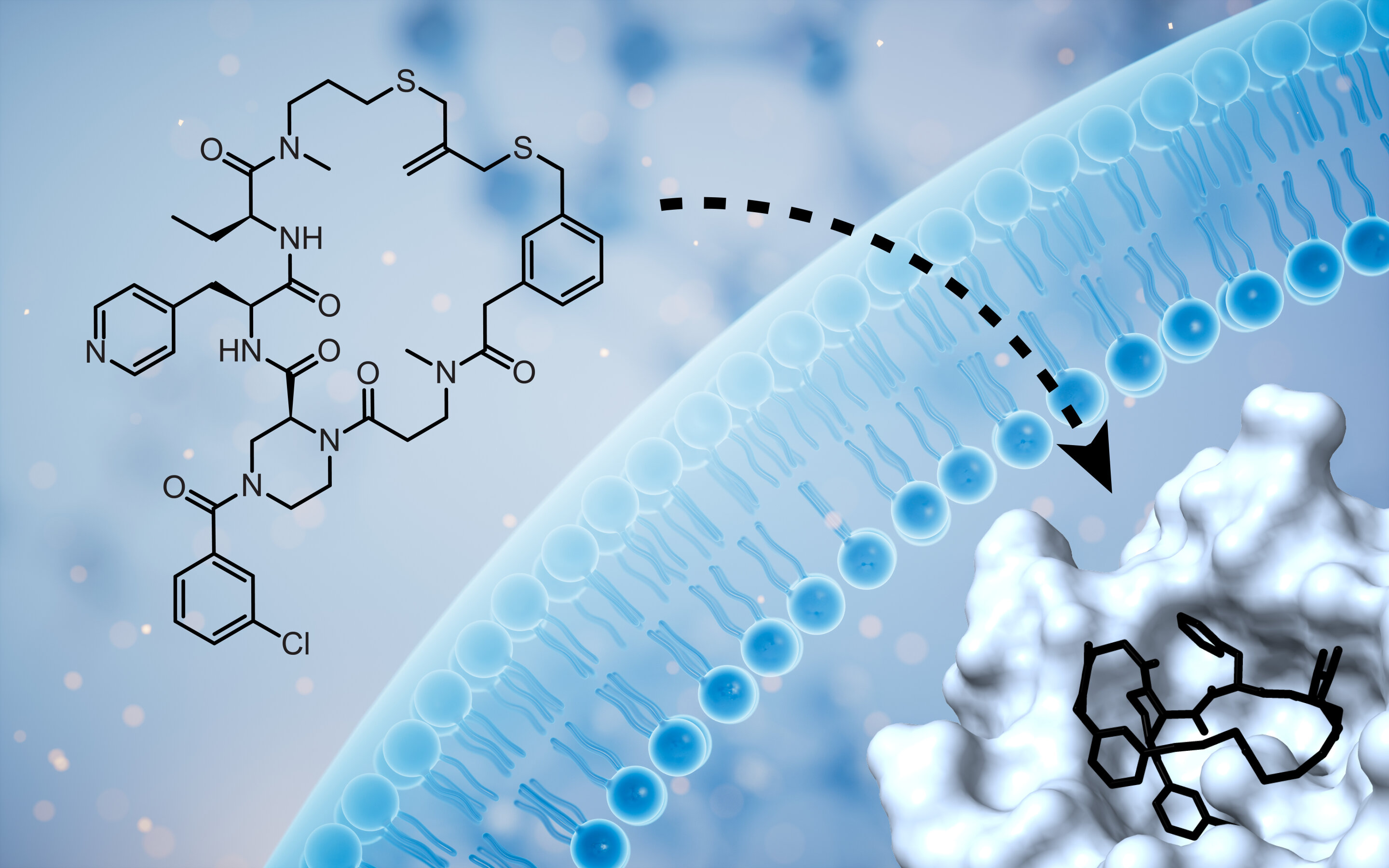
Computationally designed peptide inhibitors engineered by Texas A&M Health researchers block calcium channel activation, enabling precision and programmable control of cellular signaling, immune function and rare diseases caused by ion channel dysfunction. Credit: Zhou Lab
Calcium is widely known for its role in maintaining strong bones and teeth, but it is also one of the body's most important cellular messengers. Calcium signals help regulate muscle contraction, neural function, immune cell activation and many other physiological processes. Because cells rely on calcium signals to decide when and how strongly to respond, the movement of calcium must be tightly controlled.
How SOCE and CRAC channels work
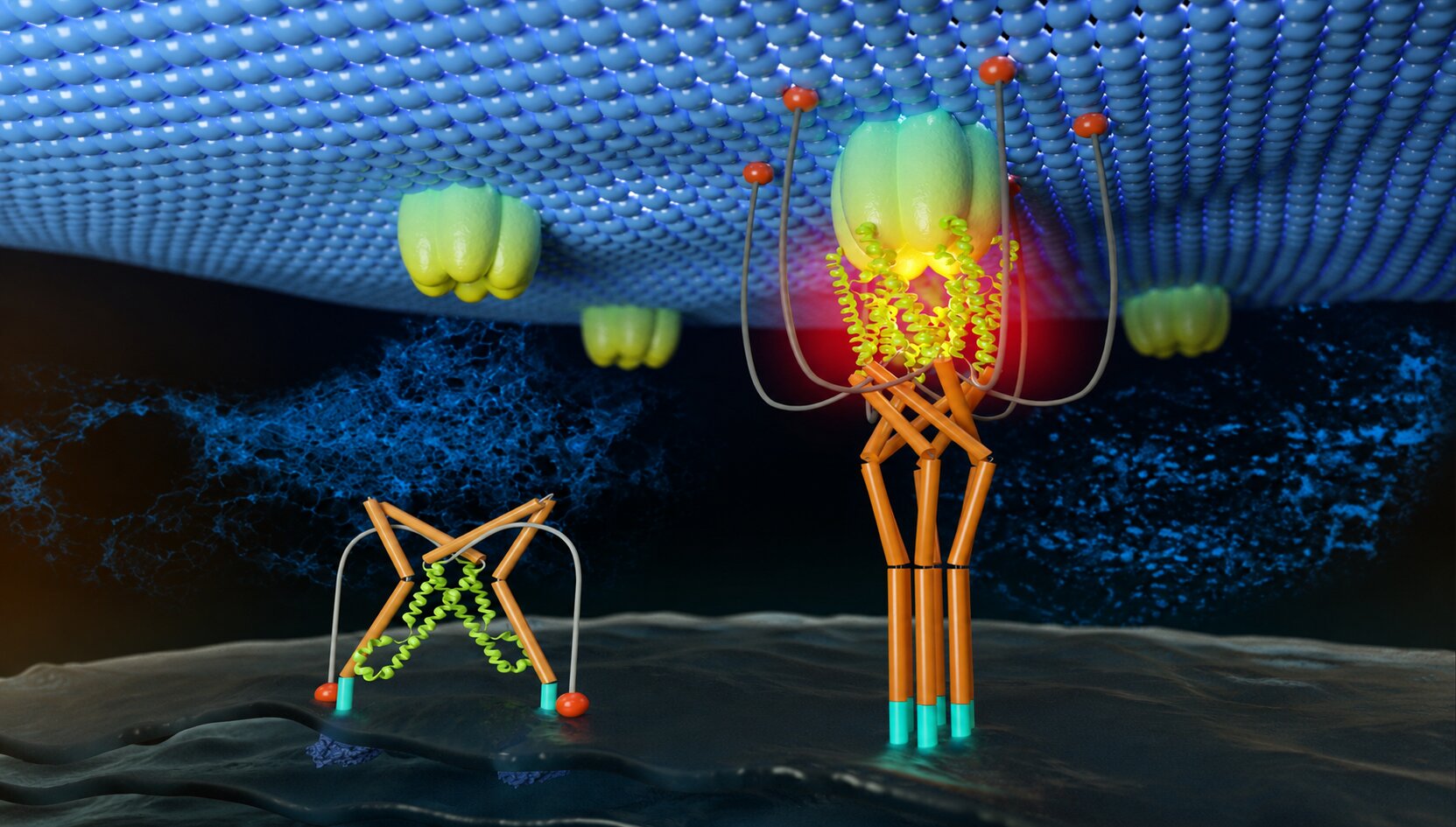
At the cellular level, one major calcium signaling pathway is known as store-operated calcium entry, or SOCE. In this pathway, the endoplasmic reticulum—a major intracellular calcium store—acts like a sensor-and-supply system.
When calcium levels inside the endoplasmic reticulum fall, the protein stromal interaction molecule 1 (STIM1) detects the change and activates ORAI channels in the plasma membrane. ORAI1 forms the pore of the calcium release-activated calcium channel, or CRAC channel, allowing calcium from outside the cell to enter the cytosol and trigger downstream signaling.