There’s no disputing the potency of peptides. The last 100 years have proven that these short chains of amino acids – naturally present in the body and foods, as the building blocks of proteins like collagen – are, when used correctly, peerless. From penicillin to GLP-1s, some of the most significant innovations in medical science owe their efficacy to peptides.
In the body, peptides have a role as essential building blocks and as signalling molecules, making their role in cellular function vital for good health. According to Dr Ahmed El Muntasar, GP, Aesthetics Doctor, and owner of The Aesthetics Doctor they are a little like “WhatsApp messages between cells, telling them what to do”.
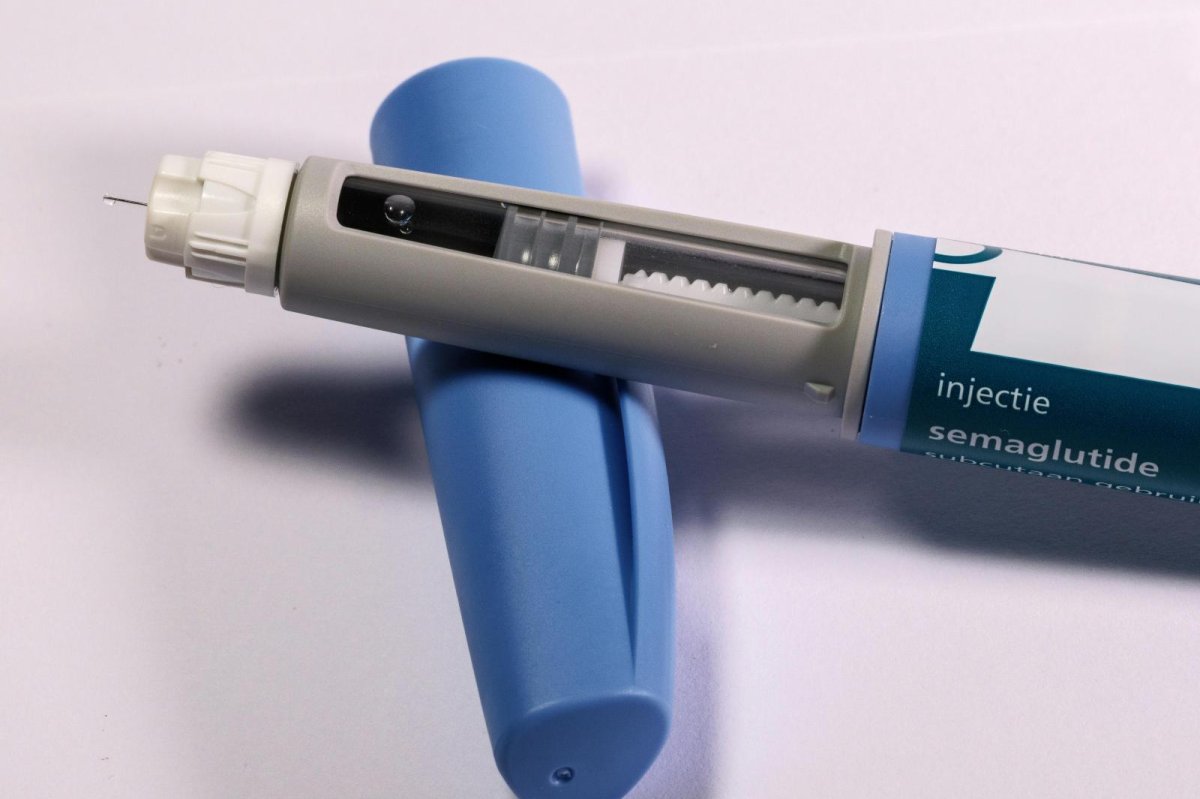
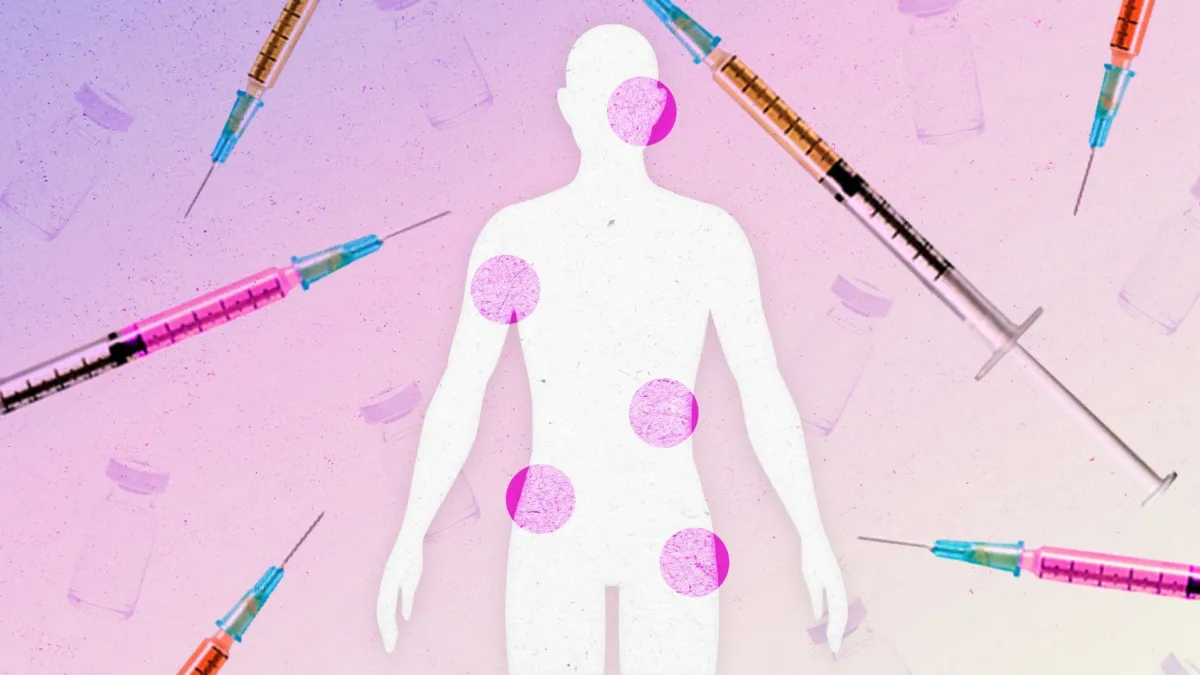
But now, ever-evolving online trends have alighted on a potentially groundbreaking or, depending on how it’s administered, dangerous incarnation: injectable peptides.
Proponents – primarily on social media and most vociferously on TikTok, where the hashtag peptide has accumulated well over 235 million views – promise myriad benefits. They can supposedly (deep breath…) heal the gut, fix shoulder issues, melt fat, reverse ageing, boost libido, improve sleep, tighten skin, increase muscle, reduce inflammation, grow hair, and improve focus. Essentially, there seems to be a peptide for anything awry.