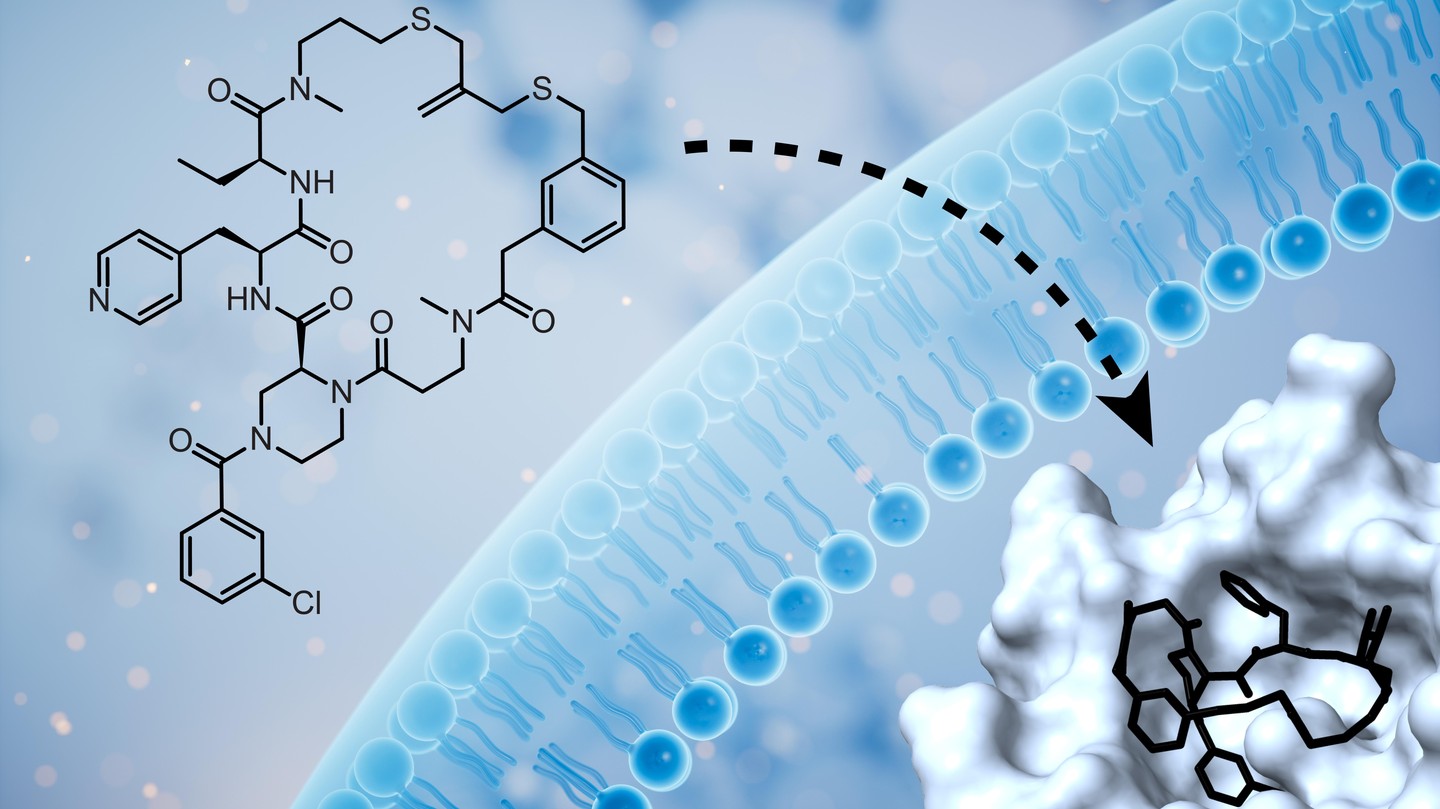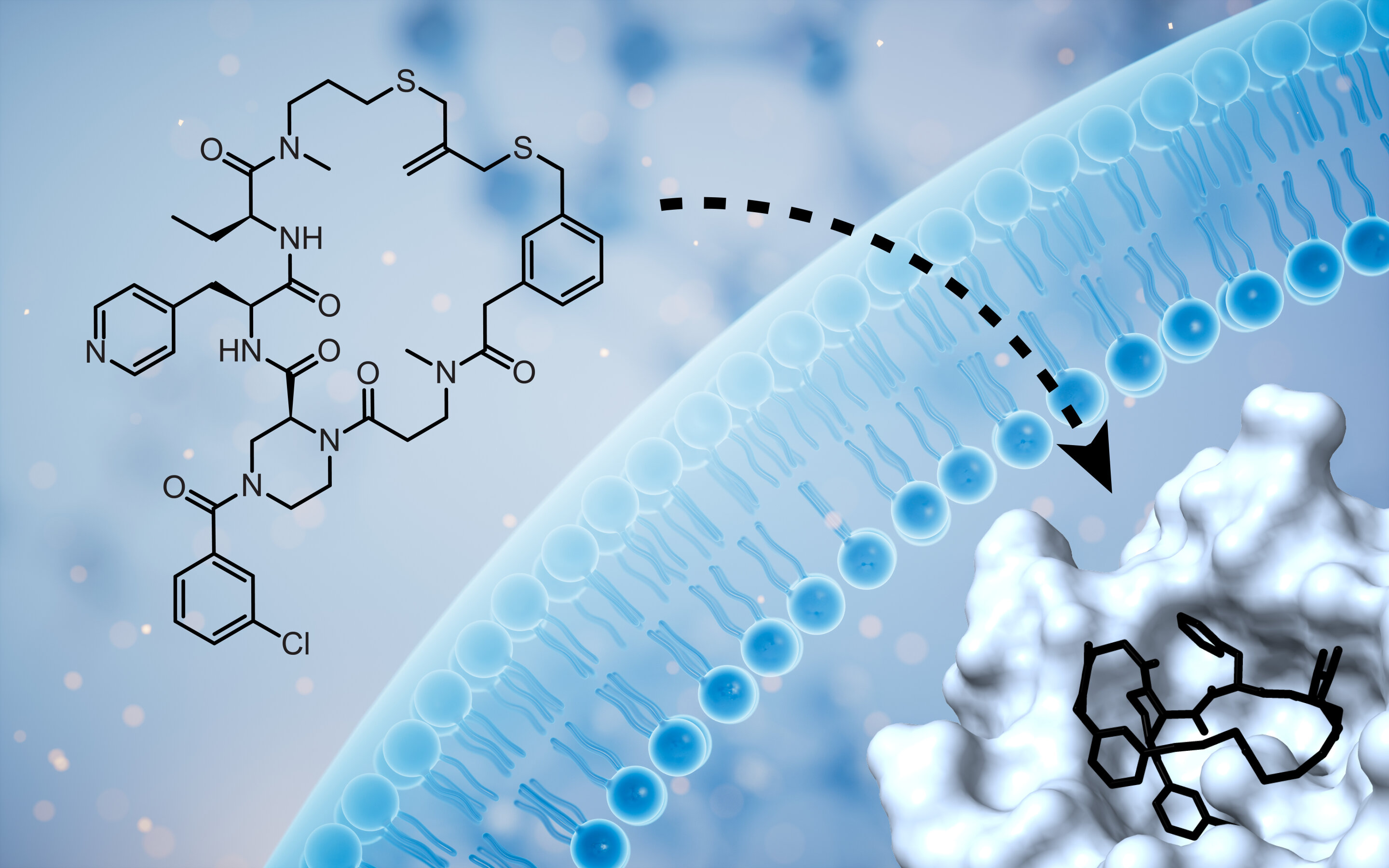
Peptide-based drug discovery has gained currency in the past decade. This branch of pharmaceuticals promises solutions to tricky health issues such as cancer. Now, two researchers from IIT-Bombay and one from the Technical University of Darmstadt, Germany, have reported work that suggests ways to improve peptide-based drug discovery.Inside every living cell, thousands of proteins constantly interact with one another, switching genes on and off, repairing damage, carrying signals and deciding whether a cell should live or die. Many diseases, including cancer, arise when some of these protein–protein interactions go wrong.One such interaction involves two proteins called p53 and MDM2. Normally these two proteins function together in a checks-and-balance manner. The p53 protein is a sort of sentinel — it triggers the destruction of cells that have gone bad, such as with cancer. Excess of p53 can be a problem. MDM2 comes in and suppresses p53. This is fine but sometimes p53 is less or MDM2 is more; when this happens, MDM2 prevents p53 — the guardian angel — from doing its job. Keeping track of such happenings in cells has given rise to the study of ‘protein-protein interaction’.Precise staplingScientists have discovered that stapled peptides (see box) can bind themselves to MDM2 and prevent it from suppressing p53. This is because scientists have engineered the stapled peptides to resemble p53, and MDM2 attaches to them. This leaves p53 free to do its job, without hindrance from MDM2.Drug discovery is about making the right kind of stapled peptide.In a paper, the three researchers have used computer simulations to demonstrate that medical researchers should look not just at protein combinations but also the behaviour of the molecules in the solvent in which the proteins are immersed. In their study, the researchers focused on the behaviour of water molecules — the solvent — in the presence of stapled peptides.
The protein-peptide bonds that heal
IIT-Bombay researchers engineer stapled peptides to enhance cancer treatment through improved peptide-based drug discovery and protein interactions.
711 words~3 min read