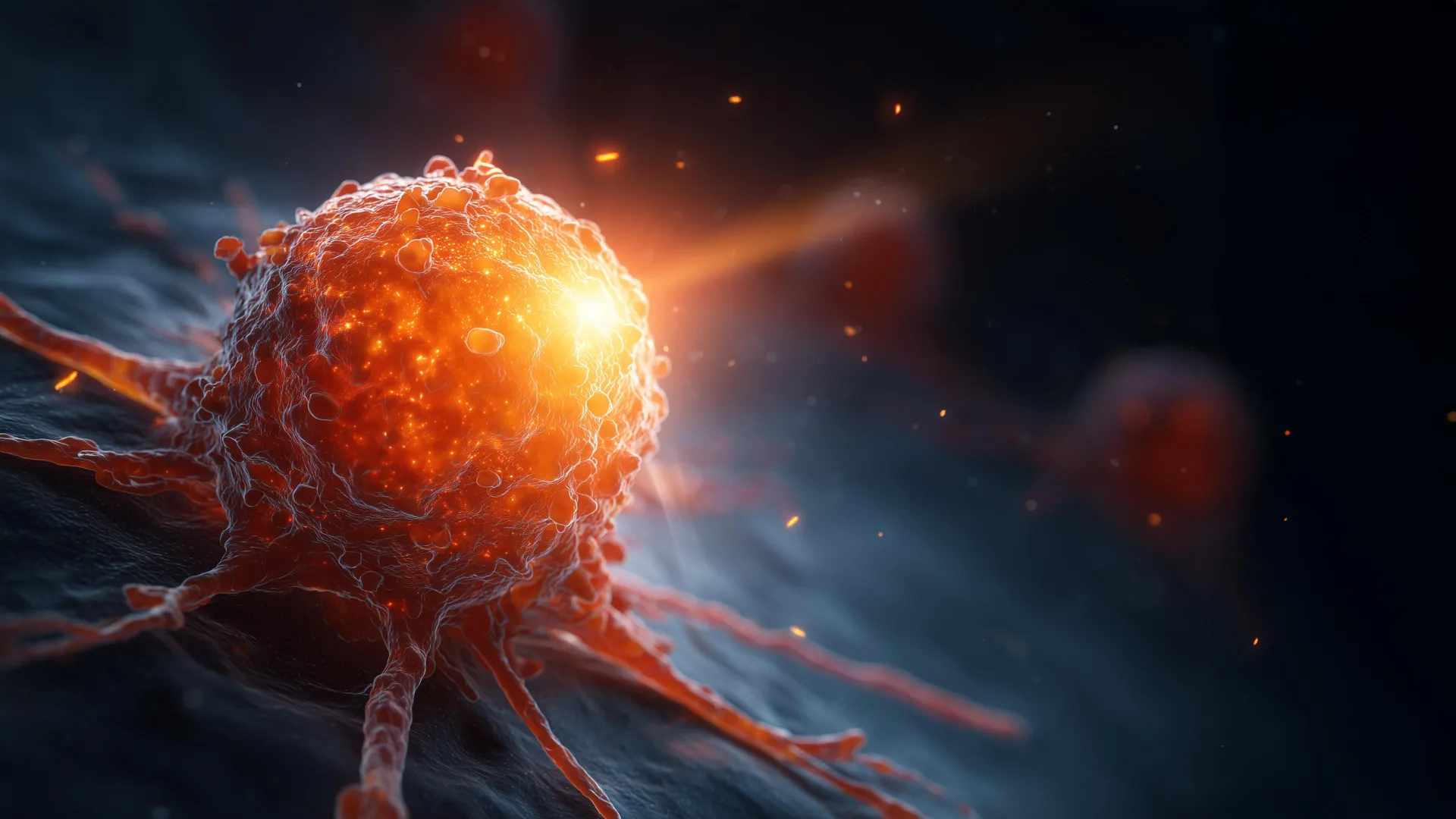
Researchers at the University of Illinois Chicago (UIC) have created an experimental cancer treatment based on bacteria that naturally live inside tumors.
In preclinical studies involving prostate cancer, the therapy delivered striking results when paired with radiation treatment. The approach halted tumor growth by targeting the cancer cells' energy supply. The treatment is built from a small fragment of a bacterial protein called aurB. According to findings published in the journal Signal Transduction and Targeted Therapy, aurB disrupted energy production within tumor cell mitochondria, effectively depriving tumors of the fuel they need to grow.
"The mitochondria are very important for a cell to survive; they are the energy factories," said Tohru Yamada, senior author of the study, associate professor in the departments of surgery and biomedical engineering at UIC and a member of the University of Illinois Cancer Center. "Many cancer cells exhibit altered mitochondrial number and activity, because a cancer cell has to grow aggressively and rapidly. Therefore, the mitochondria would be an ideal target for cancer therapy."
Looking Beyond the p53 Gene
Scientists have known for years that tumors are home to communities of bacteria that exist within what is known as the tumor microenvironment. More recently, researchers have begun exploring whether those bacteria might provide compounds that can be turned into cancer treatments.