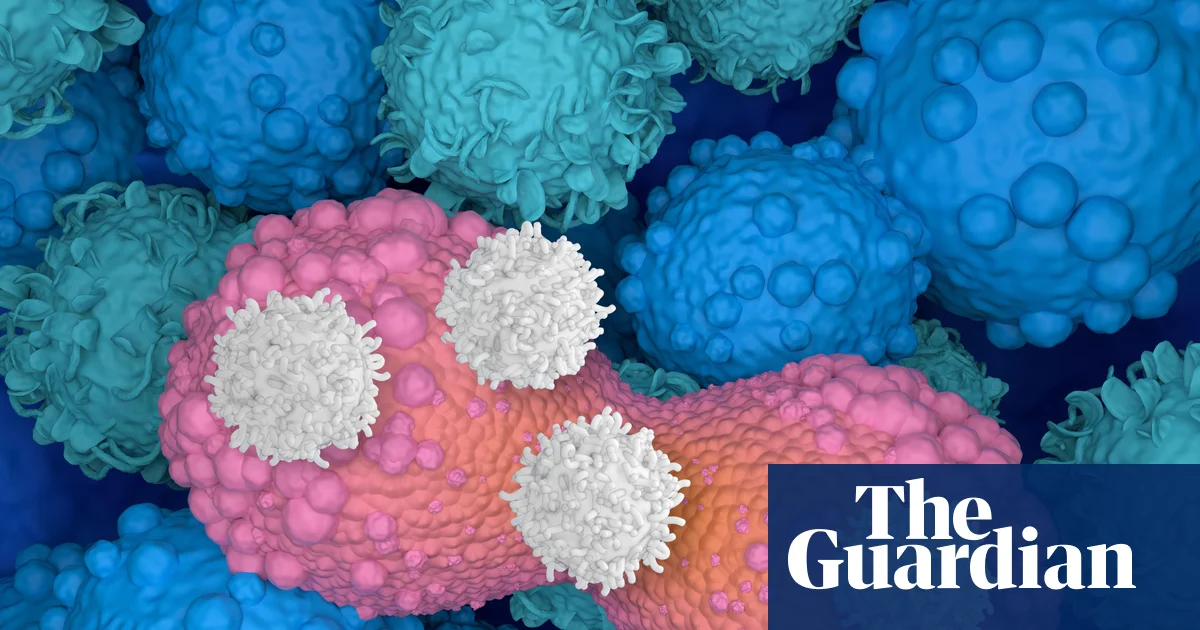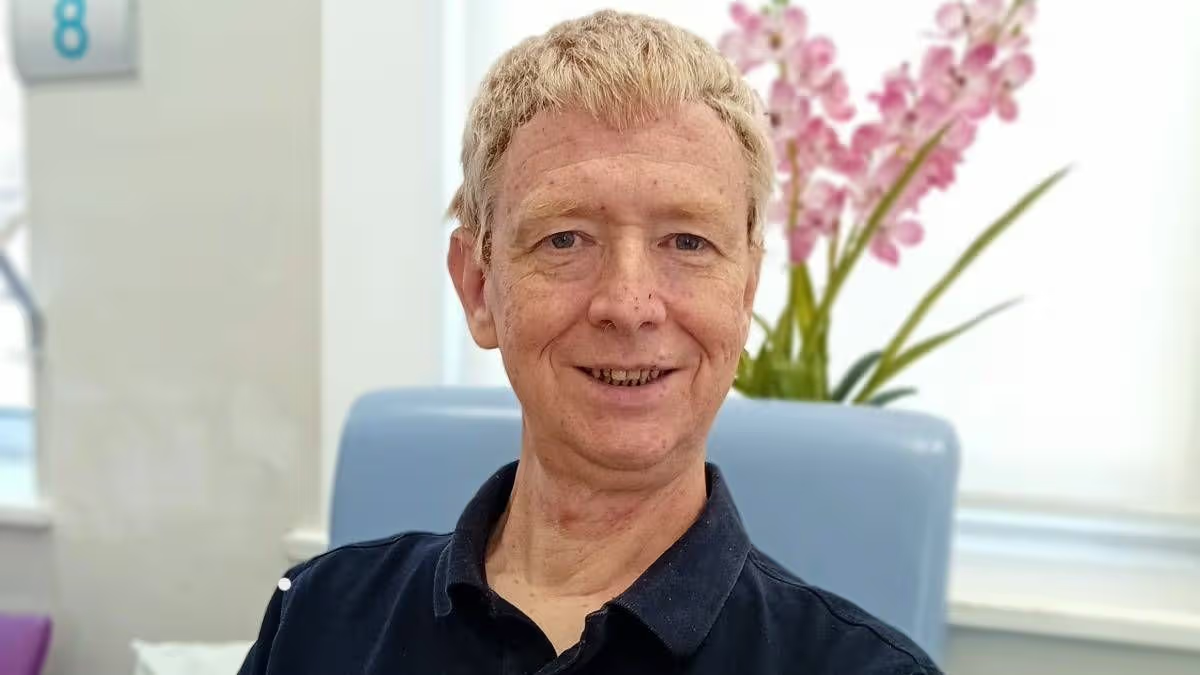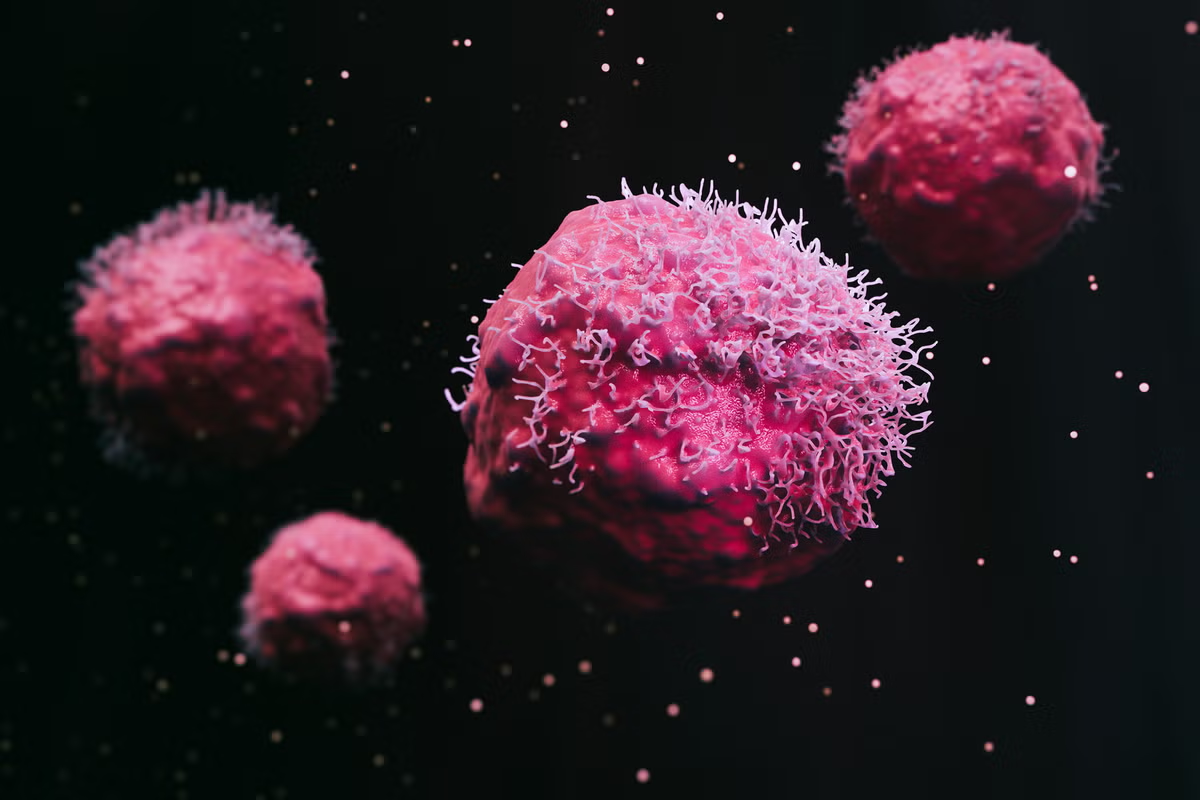
A new drug has been found to cause tumours to shrink by at least 30 per cent across six different cancer types, giving new hope to patients who have run out of treatment options. The pill was studied in patients at the Christie cancer research centre in Manchester, who were diagnosed with cervical, liver, bladder, non-small cell lung cancer, squamous cell carcinoma of the head and neck, and a type of bowel cancer.In a trial of 83 patients conducted at 28 cancer centres, including Manchester, across four countries, the tumours shrank in 26, with 15 patients seeing a shrink of at least 30 per cent. The research, which was presented at the American Society of Clinical Oncology (ASCO_ annual meeting in Chicago, has been hailed as a cause for “genuine optimism” in the field. The drug, which was developed by scientists at Oxford and called GRWD5769, is taken in cycles with three weeks on the drug, followed by three weeks off. It is given alongside an IV infusion of the immunotherapy drug cemiplimab, every three weeks. Immunotherapy is a life-saving therapy that that helps the body’s own immune system fight cancerous tumours, yet it doesn’t work in two-thirds of patients. This is due to an enzyme on the surface of the tumour making it invisible to the immunotherapy drugs. Researchers have hailed the trial as a cause for ‘genuine optimism’ (stock image) (Getty/iStock)However, the GRWD5769 drug binds to the ERAP1 enzyme to ensure the tumour becomes visible, which helps the treatment find the cancer and kill it. The trial found particular promise in patients who had been diagnosed with a particular type of bowel cancer, with 51 per cent of patients seeing their cancer stop progressing for six months. Similar results were found in other cancer types, with 55 per cent of non-small cell lung cancer patients and 38 per cent of head and neck cancer patients seeing the progression of the disease halted for a similar length of time. Professor Stefan Symeonides, consultant medical oncologist at the Edinburgh Cancer Centre, and chief UK investigator, said: “This exciting new type of immunotherapy reveals hidden aspects of the cancer to the immune system to renew the immune response and then keep it refreshed and active.“It is fantastic to have been able to bring this promising new immunotherapy approach through to clinical trials and to see our patients benefiting.”Dr Samuel Godfrey, of Cancer Research UK, said: “Immunotherapy has transformed treatment for some cancers, but it doesn’t yet work for everyone. This trial seems to show how this new drug could make immunotherapy more effective, including in some cases where immunotherapy had previously failed.“It is unusual to see such outcomes in patients whose cancers have already stopped responding to treatment, particularly across several hard‑to‑treat cancer types, so these results are encouraging. However, this is still an early‑stage study, and larger trials will be needed to determine whether this approach can deliver lasting benefits for patients.”
‘Wonder pill’ found to reduce tumours by 30% in six cancer types
The drug makes tumours visible to the immune system and enables patients to respond to immunotherapy treatments
492 words~2 min read