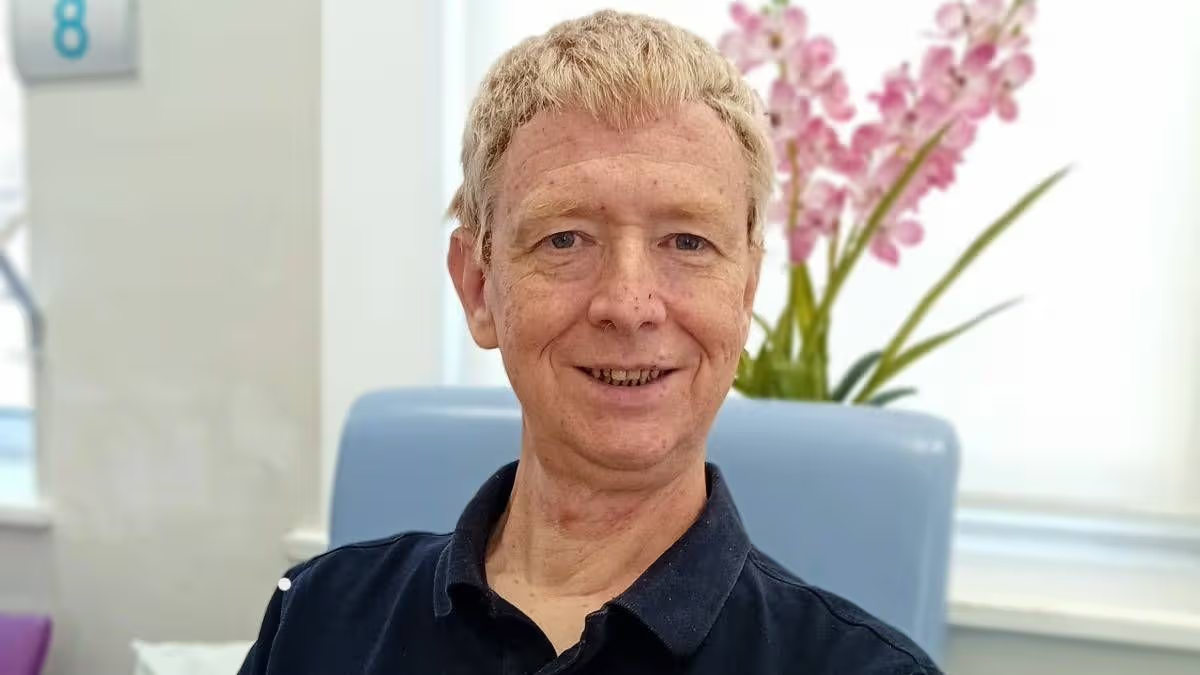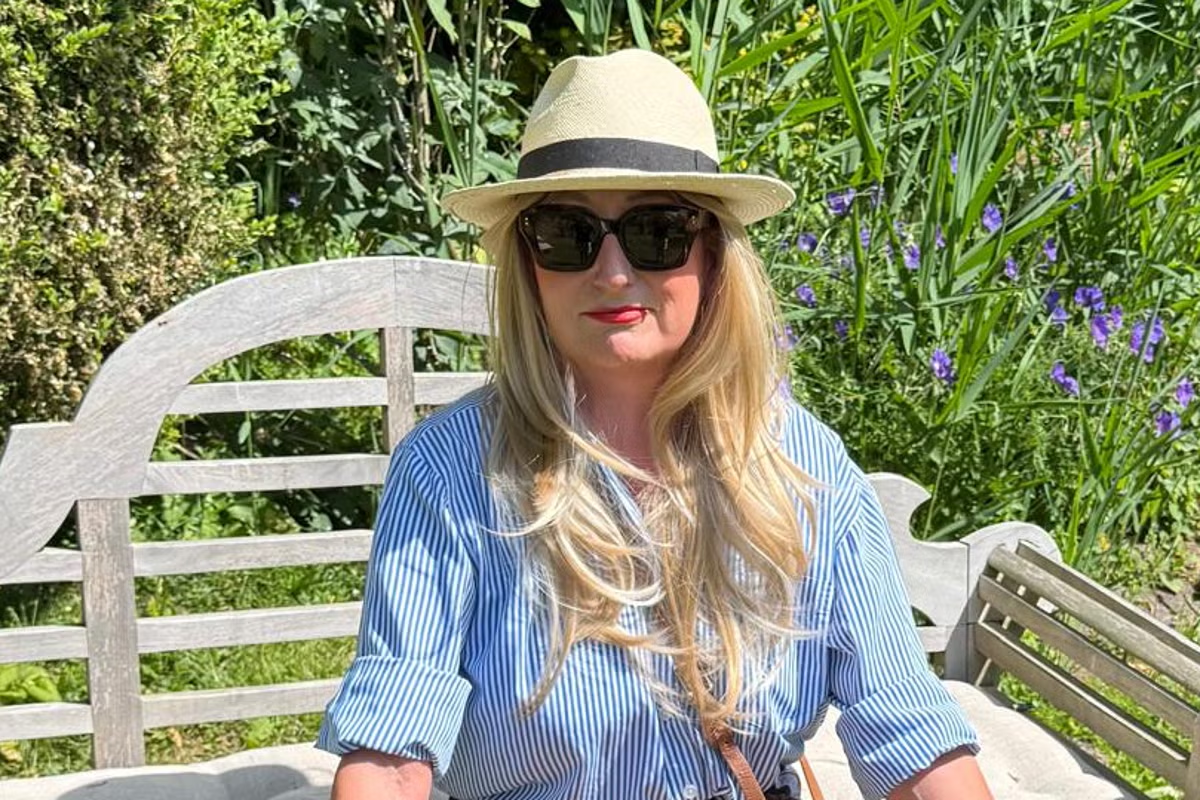
A targeted treatment that triggers the death of cancer cells has shown promise for patients with advanced bowel cancer when used alongside chemotherapy, an early trial has found.The combination shrank tumours in some patients and stopped cancer from progressing in others, researchers said.One patient taking part in the trial said the therapy has given her a “new lease of life”.Amanda Burgess, 59, from East Sussex was diagnosed with colorectal cancer in April 2024 and joined the trial at The Royal Marsden in July last year (Amanda Burgess/PA)Ozekibart mimics a natural protein in the body to bind to specific receptors on cancer cells, triggering their “death” while minimising harm to healthy tissue.The phase I trial, led by the Royal Marsden NHS Foundation Trust, included 45 people with advanced bowel cancer whose disease had progressed after two or three treatments, and were not eligible for surgery.They were given ozekibart alongside Folfiri chemotherapy, a standard treatment for advanced bowel cancer.The trial found that tumours shrank in 20% of patients following the treatment.The cancer also stopped growing in almost nine in 10 (87%) people.For one patient, there was no visible tumour on their follow-up scan.Dr Hazel Lote, consultant medical oncologist at the Royal Marsden NHS Foundation Trust and honorary appointee at the Institute of Cancer Research, London, said: “These early results are promising for patients with advanced colorectal cancer who have very few treatment options left.“The combination of ozekibart plus Folfiri not only shrank tumours in some patients, but stopped the cancer from worsening in many others, suggesting this treatment combination could offer a promising new treatment option.”Amanda Burgess, 59, from East Sussex, joined the trial last July.She was diagnosed with bowel cancer in April 2024 and had surgery to remove the tumour, but was later told the cancer had spread.“Chemotherapy and immunotherapy followed, but unfortunately they weren’t successful,” Mrs Burgess said.“This new treatment has given me a new lease of life.“Since starting the trial, I’ve had two significant reductions in the size of my tumour and things are now stable.“The chemotherapy has been hard at times, but I’ve had no side effects from the trial drug itself.“My energy has returned, and I’m back to doing the things I love.“I walk my black Labs Cromwell and Pip every day, I’m playing tennis, attending Pilates classes and spending time with my husband, David, and our children.“I feel incredibly fortunate to be on the trial.”Dr Lote said the findings, which are being presented at the American Society of Clinical Oncology annual meeting in Chicago, “are really encouraging” and support further research.Bowel cancer is the fourth most common cancer in the UK, with more than 48,000 new cases diagnosed each year.It is the second biggest cause of cancer deaths, claiming around 17,700 lives annually.The trial is being supported by the Bowelbabe Fund for Cancer Research UK, which was set up by Dame Deborah James.Dame Deborah died in June 2022 at the age of 40.
Targeted drug shows promise for people with advanced bowel cancer in early trial
One patient taking part in the trial said the therapy has given her a ‘new lease of life’.
487 words~2 min read