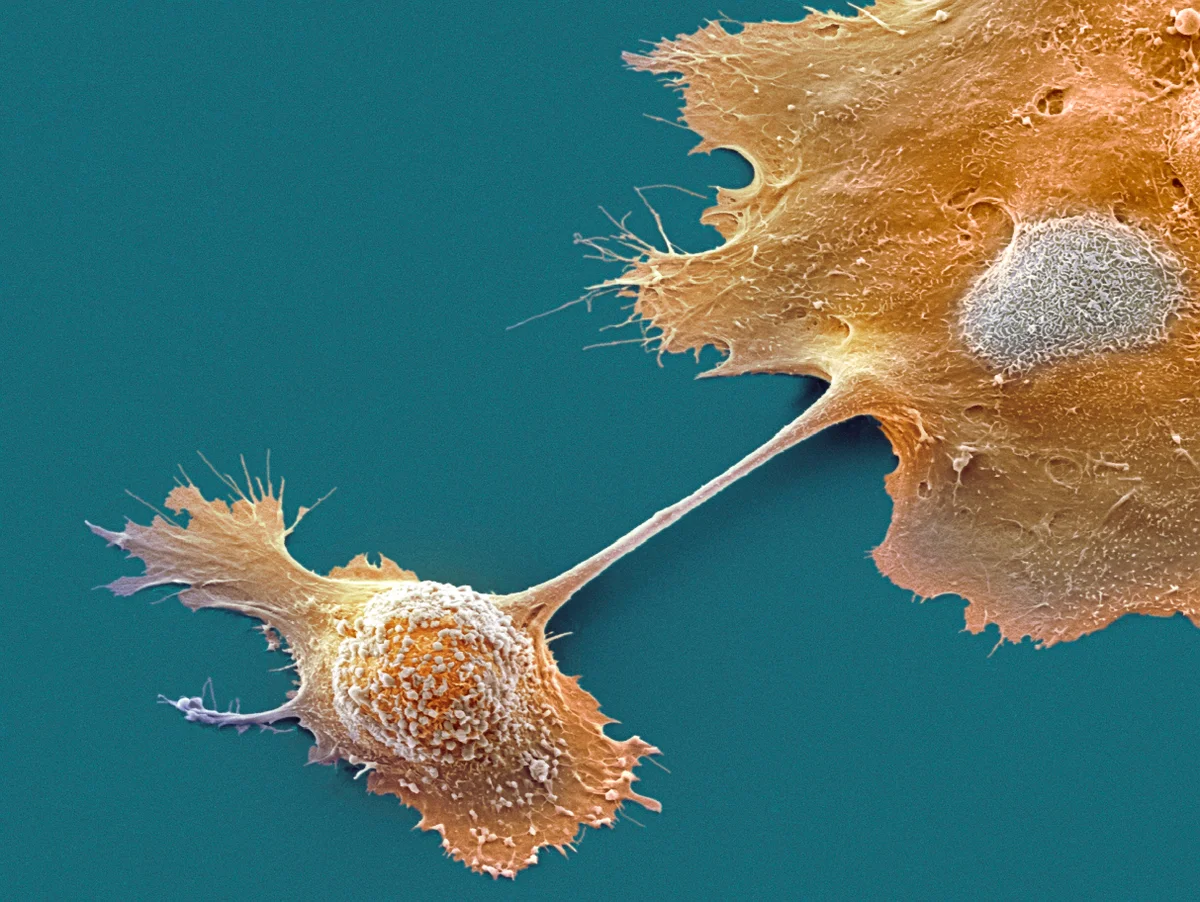
Switching off an enzyme that plays an important role in sugar metabolism, glycolysis, would normally be expected to cause serious problems for cells. Surprisingly, the opposite is also true: Cells can become highly resistant to a specific form of cell death known as ferroptosis.⮐
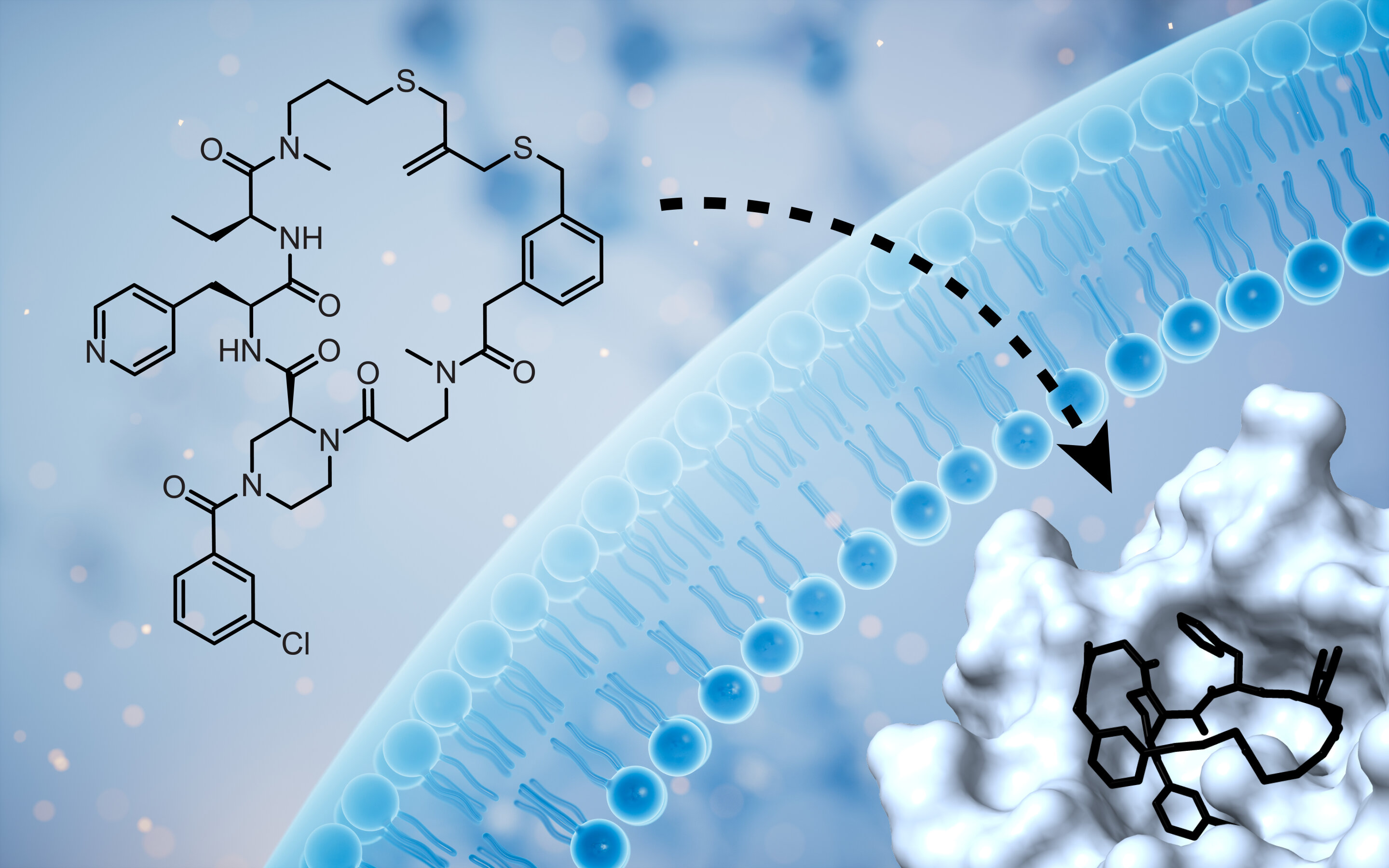
Unexpectedly, however, pharmacological inhibition of this enzyme using a special inhibitor produces the exact opposite effect: The intervention makes the cells more susceptible to cell death. The reason is that the inhibitor acts as a pharmacological "double agent." While it blocks the enzyme on the one hand, it simultaneously attacks another important protective protein. As a result, the cell loses one of its key defense mechanisms and dies.
These are the central findings of a new study conducted by researchers at Julius-Maximilians-Universität Würzburg. The study was led by Antje Gohla, professor of biochemical pharmacology at the Chair of Pharmacology and Toxicology. The team has now published its findings in the journal Science Advances.
An important player in neurodegenerative diseases and cancer
In medical research, ferroptosis has increasingly moved into the spotlight in recent years. Ferroptosis is an iron-dependent, oxidative process that destroys cellular stability. Since several tumors, particularly highly aggressive, therapy-resistant tumors, are sensitive to this mechanism, ferroptosis is regarded as a promising target for new therapeutic approaches. In neurodegenerative diseases or tissue damage, however, the opposite strategy applies: In these cases, ferroptosis causes excessive damage, and the goal is to prevent this type of cell death to better protect the cells.