The MPC's recent decision to raise the repo rate to 7.0% amid ongoing US-Iran tensions has sparked debates about its timing and impact on the Rand and inflation. Explore how these factors are shaping South Africa's economic landscape.
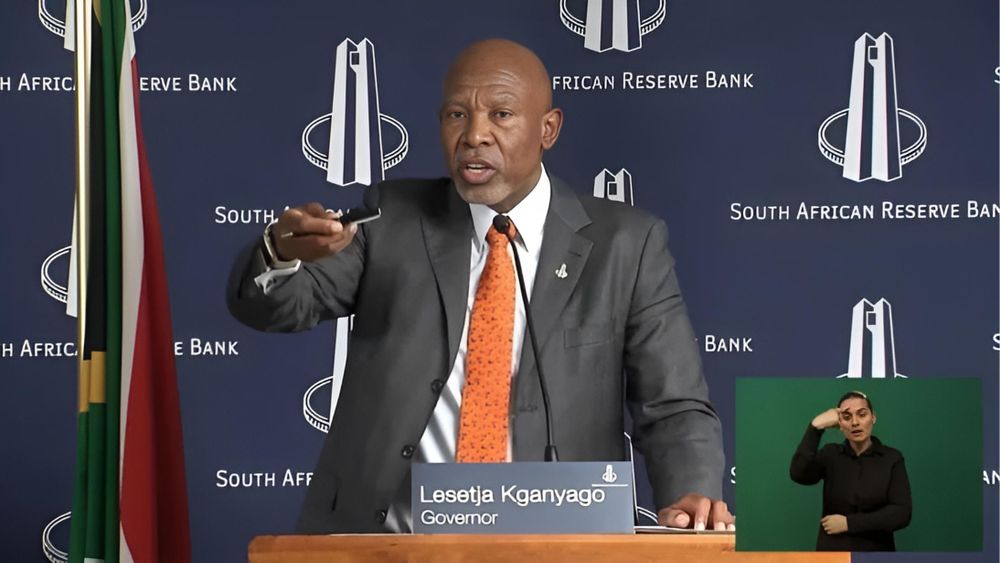
The decision by the Reserve Bank's Monetary Policy Committee (MPC) to increase the repo rate by 25 basis points to 7.0% was widely expected.
The MPC argued in its press release that the US-Iran conflict is unlikely to be resolved quickly and used two scenarios to support its decision to hike the repo rate: “The first scenario assumes that the conflict lasts another two months or so, with oil prices averaging nearly US$100 per barrel for this period and the rand about 5% weaker against the dollar. The second, more extreme scenario has the war lasting over a year, with oil prices staying above US$100 per barrel and the rand 10% weaker”.
Based on these scenarios, the MPC, using the Reserve Bank's Quarterly Projection Model, forecast that headline inflation: "will soon accelerate to around 4%, with fuel inflation over 18% for the second quarter. Our baseline forecast then has a gradual unwinding of the shock, taking inflation back to 3% late next year.”
Given these expectations, the MPC took a conservative approach to stay ahead of the anticipated upward interest rate cycle expected in many countries and increased the repo rate sooner rather than later.