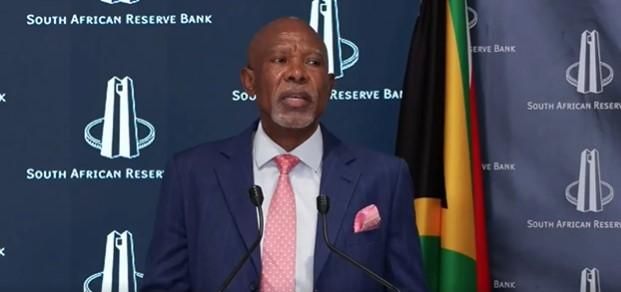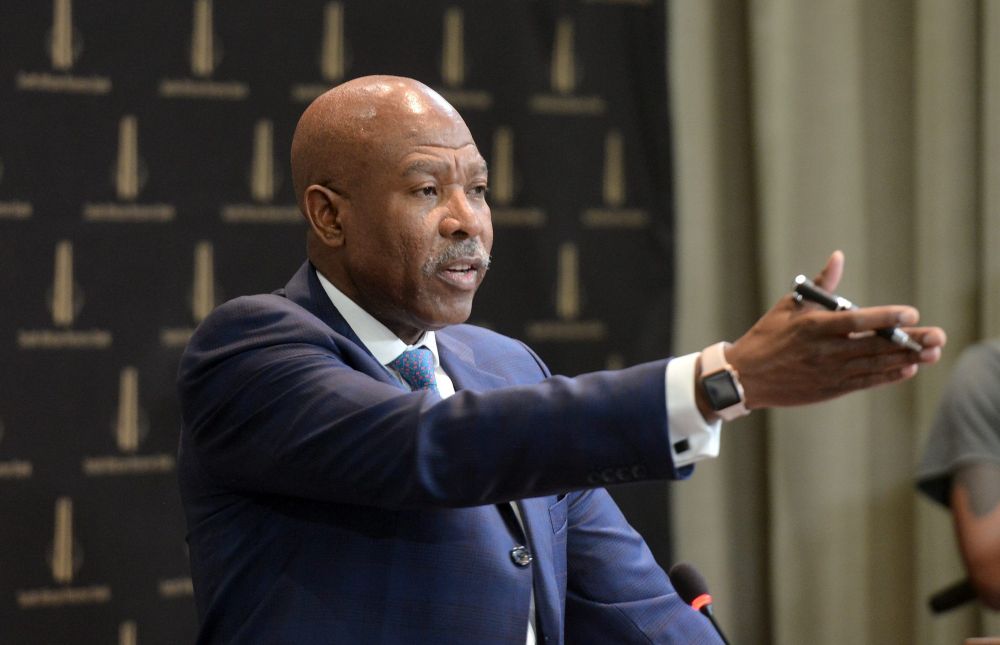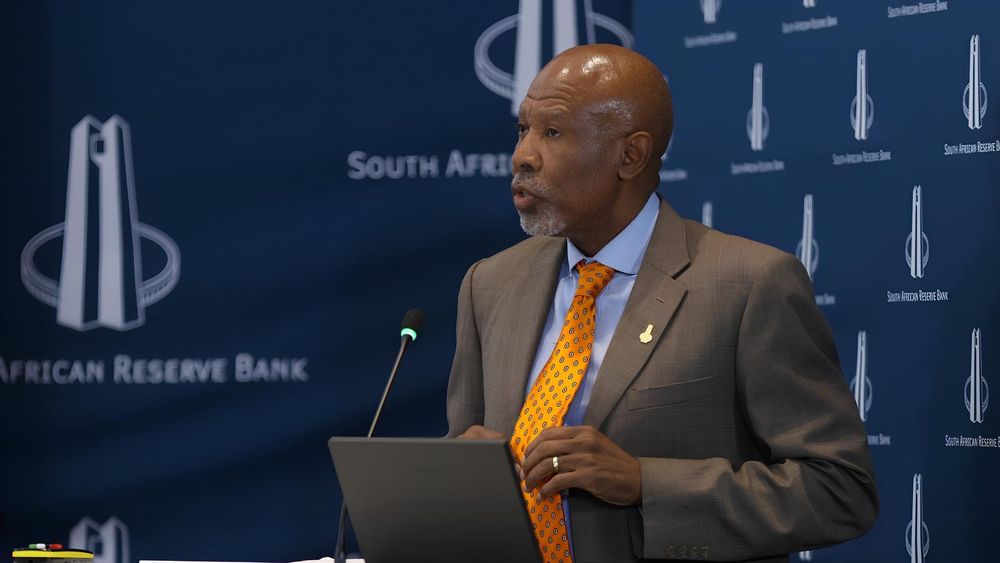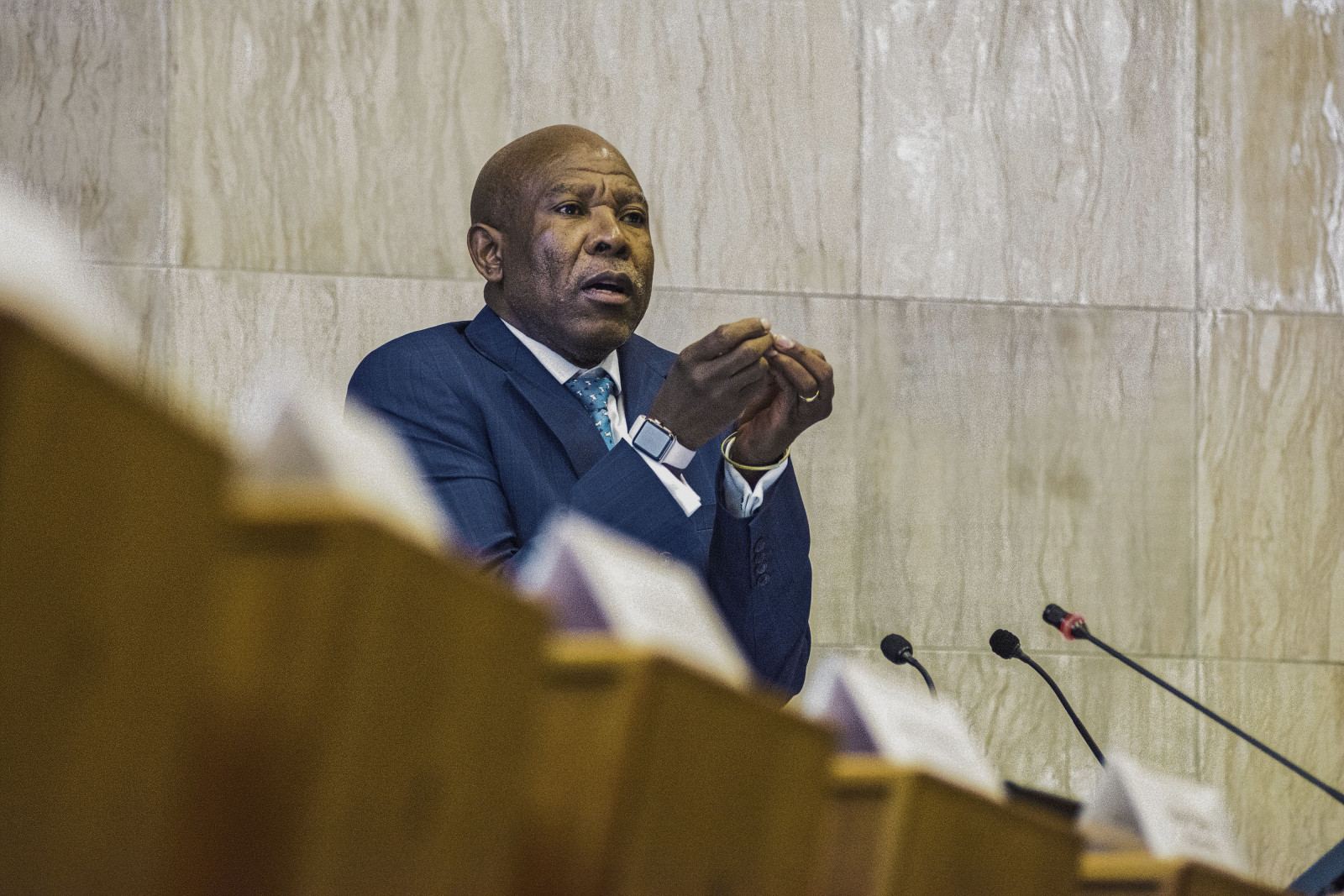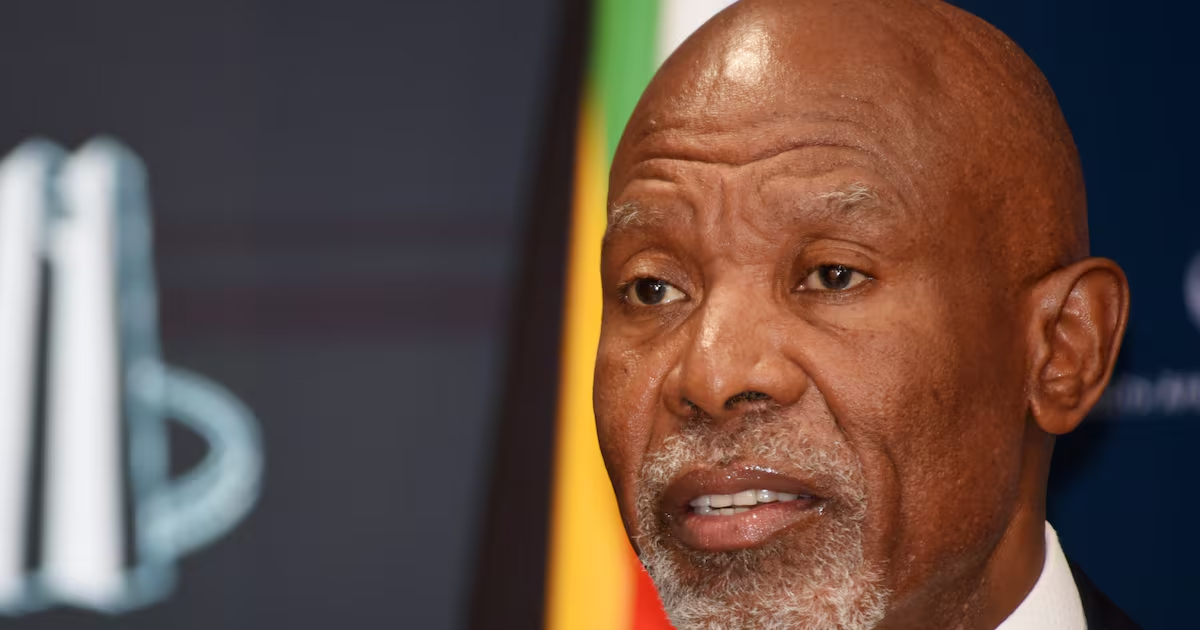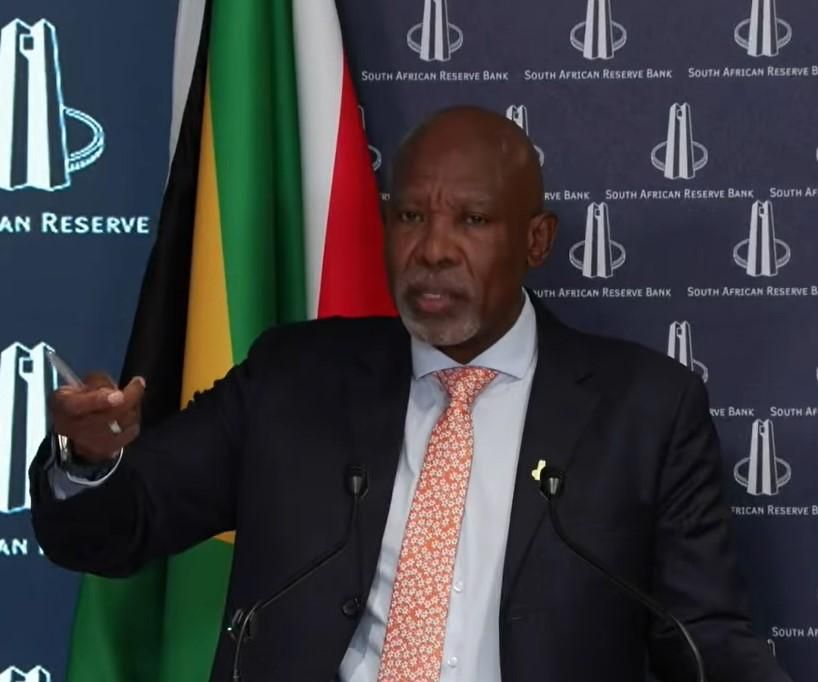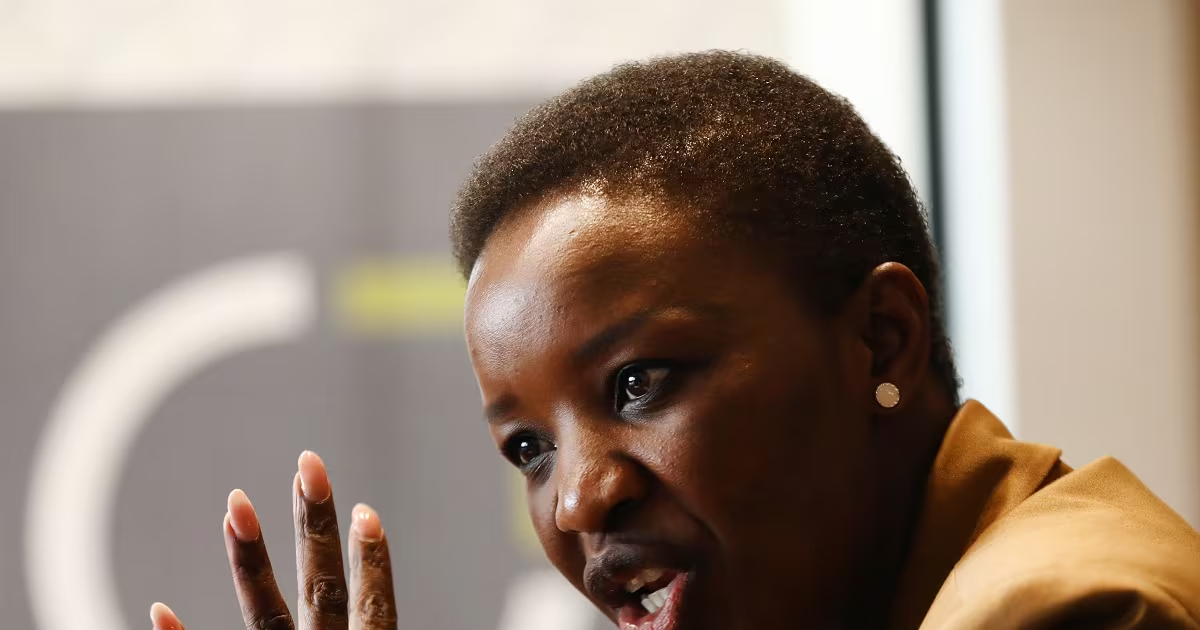
Business Leadership SA (BLSA) CEO Busi Mavuso has rallied behind the SA Reserve Bank’s (Sarb’s) decision to hike the repo rate by 25 basis points to 7%, saying the Sarb’s monetary policy committee (MPC) acted to defend price stability, “the foundation on which businesses plan, invest and create jobs”. This comes after consumer price inflation for April surged to 4% amid geopolitical tension and related shocks. Sarb governor Lesetja Kganyago said the MPC sought to manage risks and ensure that inflation recedes to the 3% target. Briefing reporters after the MPC meeting in Pretoria on Thursday, Kganyago said while a hike was coming, the policy stance was less restrictive than it was in March. “The committee decided to increase the policy rate by 25 basis points to 7%, effective from May 29. Four members preferred this action, while two favoured no change. The committee agreed that inflation risks had intensified and that the challenge of large and overlapping shocks would likely trigger second-round effects, requiring a monetary policy response,” Kganyago said. Labour criticised the decision, with Cosatu saying it was untimely and that home loans and other debt linked to the repo rate “will now become more expensive and difficult to service for millions of workers and their families. It will squeeze workers’ overstretched wages further. It will take money out of an already weak economy”. In her weekly newsletter on Monday, however, Mavuso said the Sarb made the right call: “With inflation at 4% in April and the Sarb projecting it will average 4.4% for the year, above its 3% target, the decisive response was essential. “Price stability is critical to businesses’ ability to plan and invest. It also protects consumers, particularly the poor, who are most exposed when prices rise. Economists now expect further hikes this year. That may be uncomfortable in the short term, but it is important for long-term stability.” Mavuso said what struck her about this moment, with wars in the Middle East and Ukraine while the global rules-based system is being challenged, “is how different it feels here compared to previous global crises”. “South Africa is facing these headwinds from a position of relative strength, with public finances in better shape than they have been in over a decade, and structural reforms that are beginning to show real results. Six years ago, when the Covid-19 shock struck, our national debt was in genuine trouble and a sovereign crisis was a real risk. We are not in that position today,” she said. “That improvement is reflected in last week’s ratings actions. Moody’s assigned a positive outlook; S&P affirmed that it maintains its positive outlook on our credit rating. Both could become outright upgrades if finance minister Enoch Godongwana holds course through to the October medium-term budget policy statement. The minister has shown the discipline and credibility to do so. The ratings agencies are watching. So are investors.” Despite the global turmoil, Mavuso said the rand has held up relatively well, as have South African bonds and equities. “We are benefitting from high global commodity prices — industrial metals, gold and platinum – which are providing meaningful support. And an independent Reserve Bank, free of political interference, remains one of our most powerful signals to global investors. South Africa is behaving like a safe haven in the current environment. That is what years of reform and institutional discipline have bought us.” Mavuso said both the government and business had committed to a reform programme over the last eight years, “and now we are seeing the payoff. That must reinforce, not undermine, our resolve to continue”. “On the things we can control: I have been consistent in BLSA’s engagements with government that the reform agenda must not slow down.” Mavuso said, “Transnet and the ports must be opened further to private investment; the reform of our rail network and port concessions must move from policy commitment to operational reality. Second, electricity: we need a competitive electricity market with an independent transmission system operator – the delay on the TSO is a vulnerability we cannot afford. Third, a capable state: the quality of public services and accountability that has delivered the improved fiscal position must be extended across the public sector.” She added that BLSA would continue pressing the government to hold the fiscal line, accelerate reforms, and deliver the capable state the economy needs. “The rewards of doing so are not abstract — they show up in the rand, in bond yields, in investor confidence. We have earned that position and we must not squander it.”
Bank made right decision to raise repo rate, says BLSA head Mavuso
The move protects price stability and long-term economic growth but labour is angry
759 words~3 min read