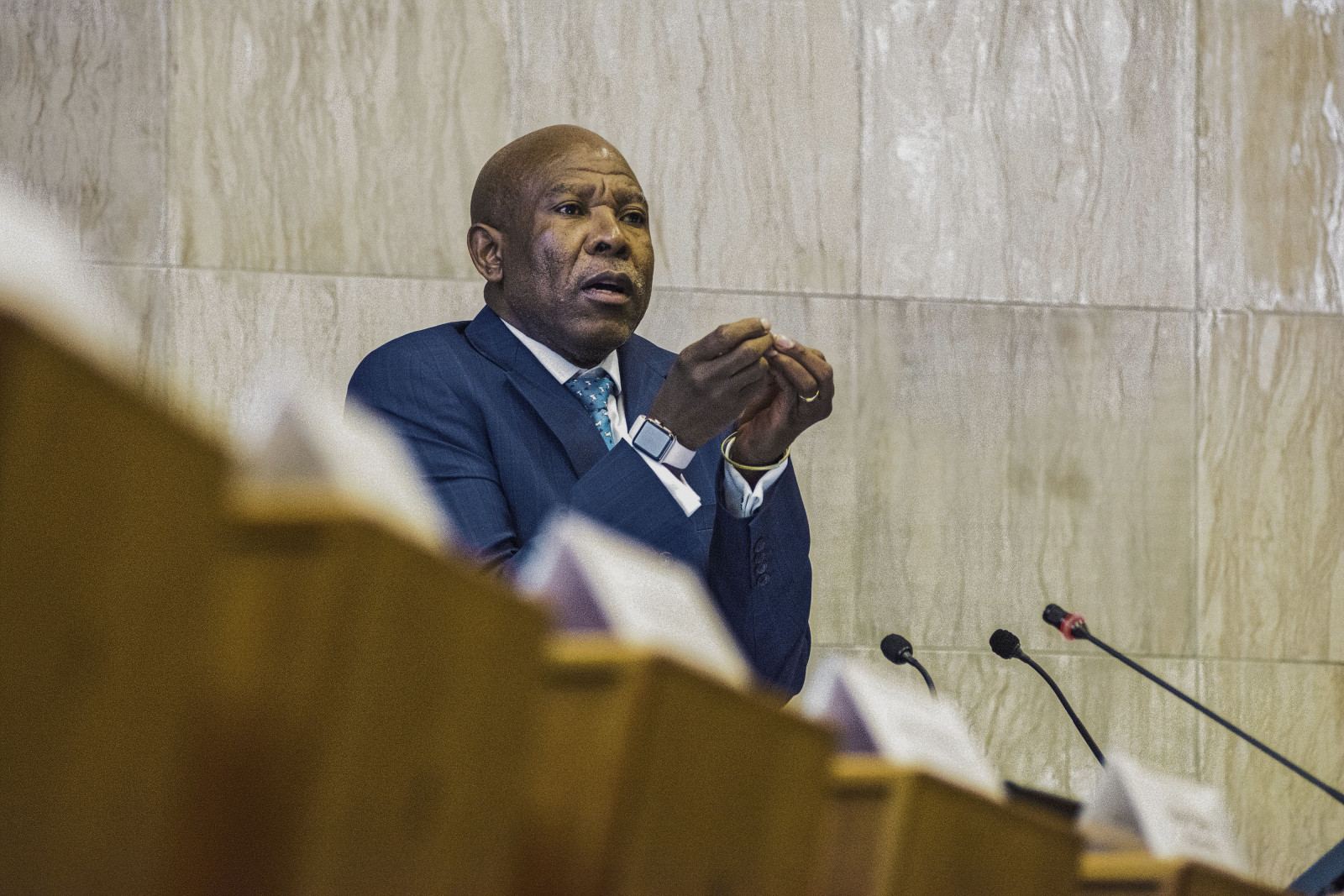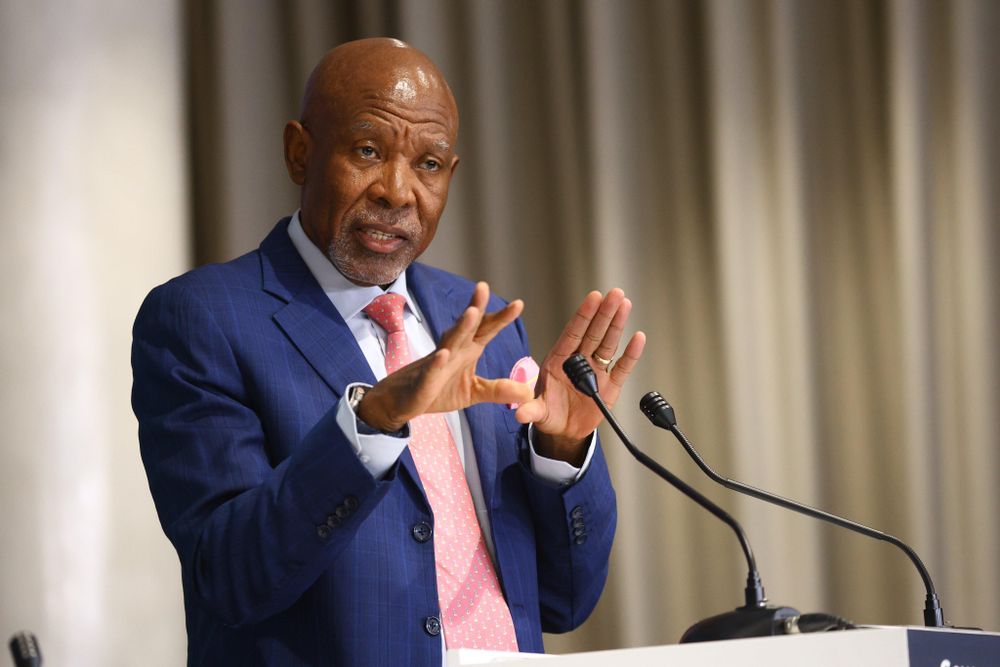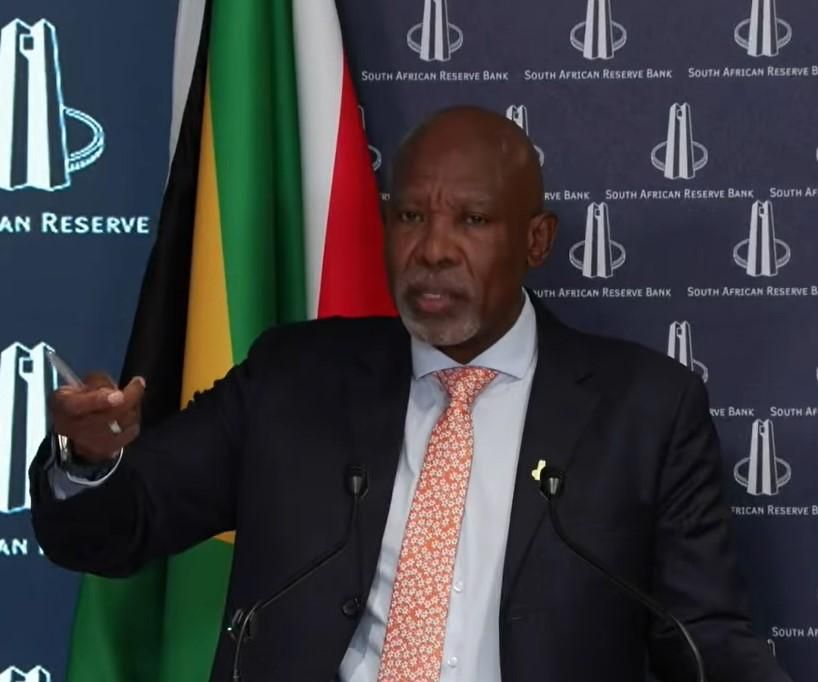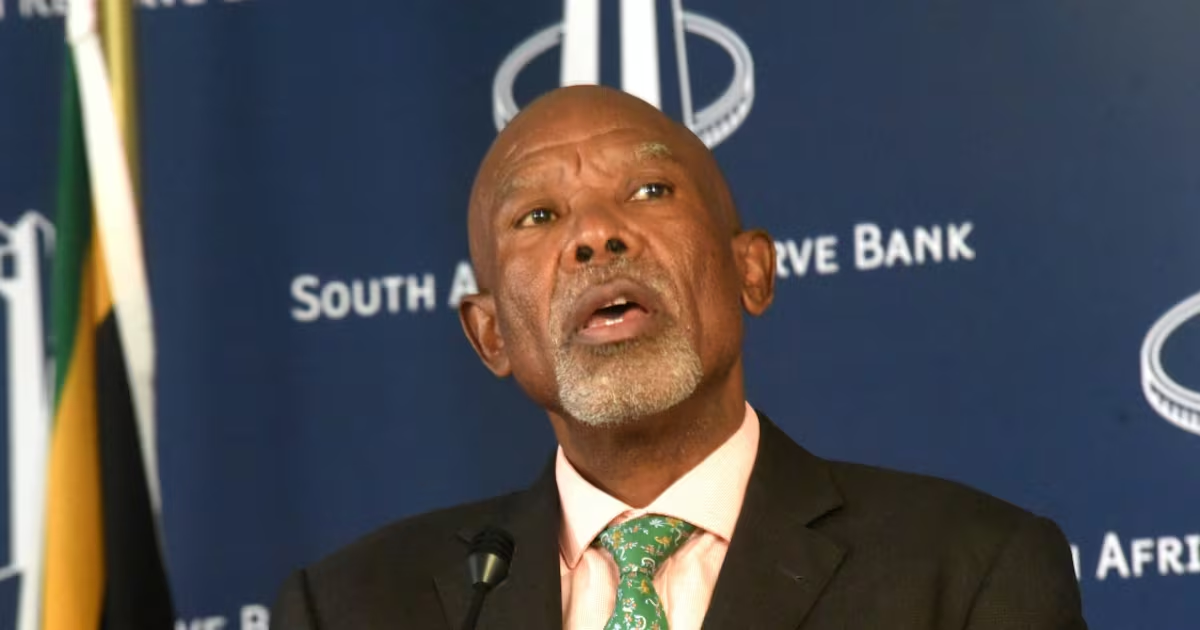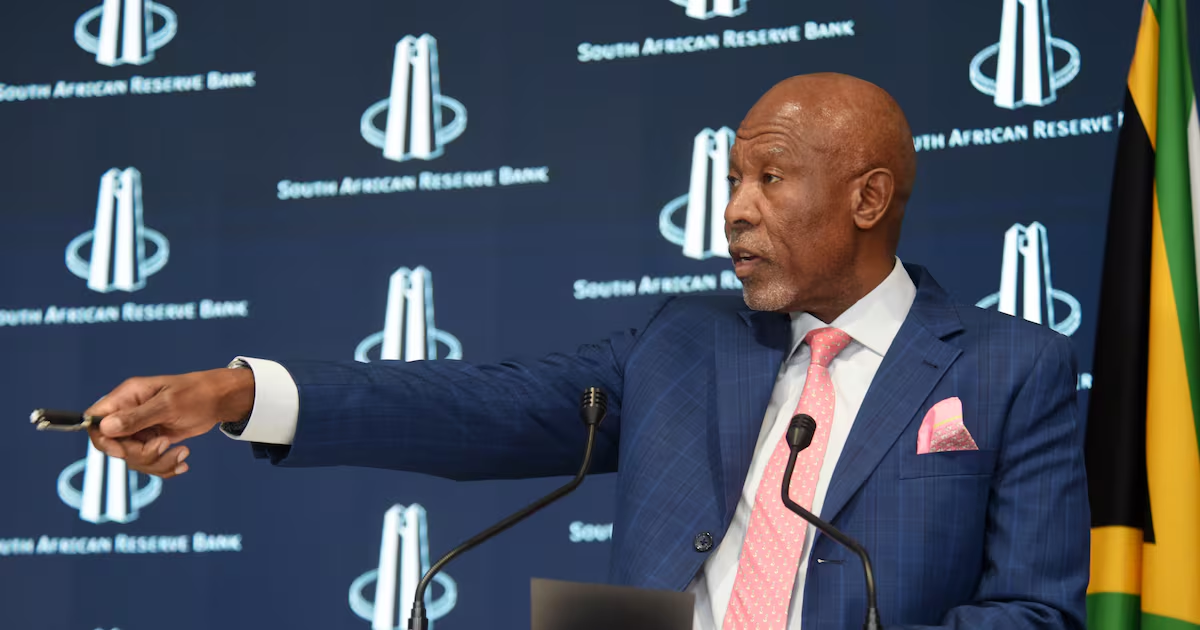
The South African Reserve Bank’s (Sarb) monetary policy committee (MPC) has agreed to a 25 basis point repo rate hike to 7%.This comes after consumer price inflation for April surged to 4% amid geopolitical tensions and related shocks.Sarb governor Lesetja Kganyago said the MPC sought to manage risks and ensure that inflation recedes to the 3% target. Briefing reporters after the MPC meeting in Pretoria on Thursday, Kganyago said while a hike was coming, the policy stance was less restrictive than it was in March.“The committee decided to increase the policy rate by 25 basis points to 7%, effective from the 29th of May. Four members preferred this action, while two favoured no change. The committee agreed that inflation risks had intensified and that the challenge of large and overlapping shocks would likely trigger second-round effects, requiring a monetary policy response.”While central banks are broadly keeping rates on hold, Kganyago said, rate hikes were expected in the year ahead as geopolitical tensions and their resultant supply side shocks and price pressures continued.“This rate path remains a broad policy guide. Our decisions will continue to be taken on a meeting-by-meeting basis, with careful attention to the outlook, data outcomes, and balance of risks to the forecast.”The central bank has lowered its growth forecast for the next two years due to continued global economic volatility and pressure on incomes. While downside risks to growth were present, Kganyago said the fundamentals of the economy remained intact.“Global growth forecasts have been marked down, while inflation forecasts have been revised higher. Some countries have been grappling with energy shortages, especially South Asian economies that depend on Gulf producers. “Elsewhere, supplies are intact, supported by large pre-existing inventories, but prices are still up sharply. Households are being squeezed, with consumer prices in the US, for example, rising 3.8% in April, and euro-area inflation at 3%.”Kganyago said the MPC forecast now has headline inflation averaging 4.4% this year and 3.7% next year, before returning to the 3% target in 2028. Core inflation is also higher, peaking early next year, he said. — Business Times
‘A balance of risks’: Why Reserve Bank is hiking repo rate by 25bps
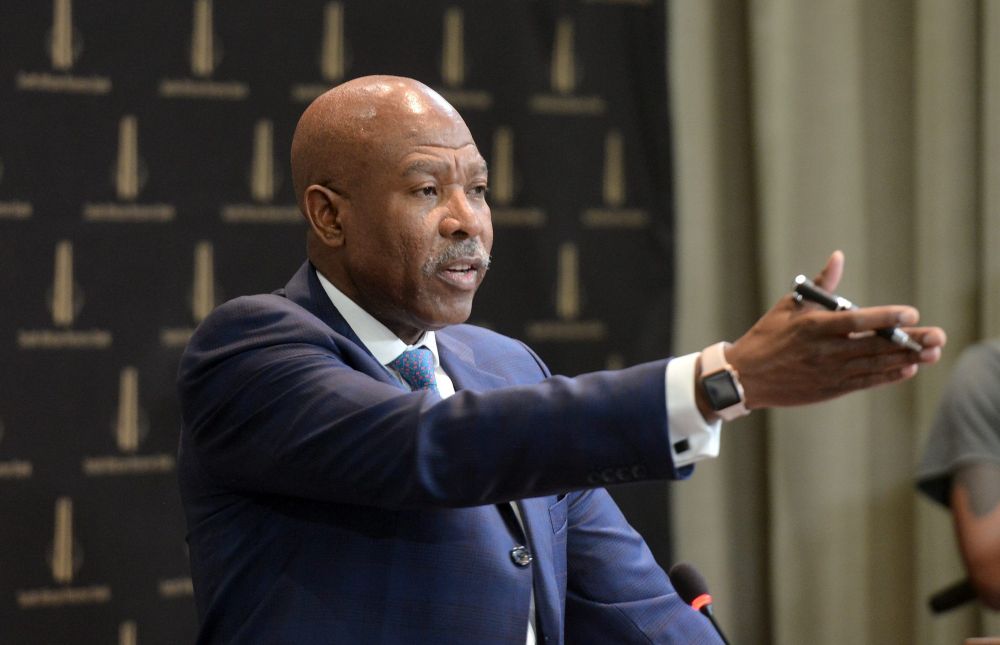
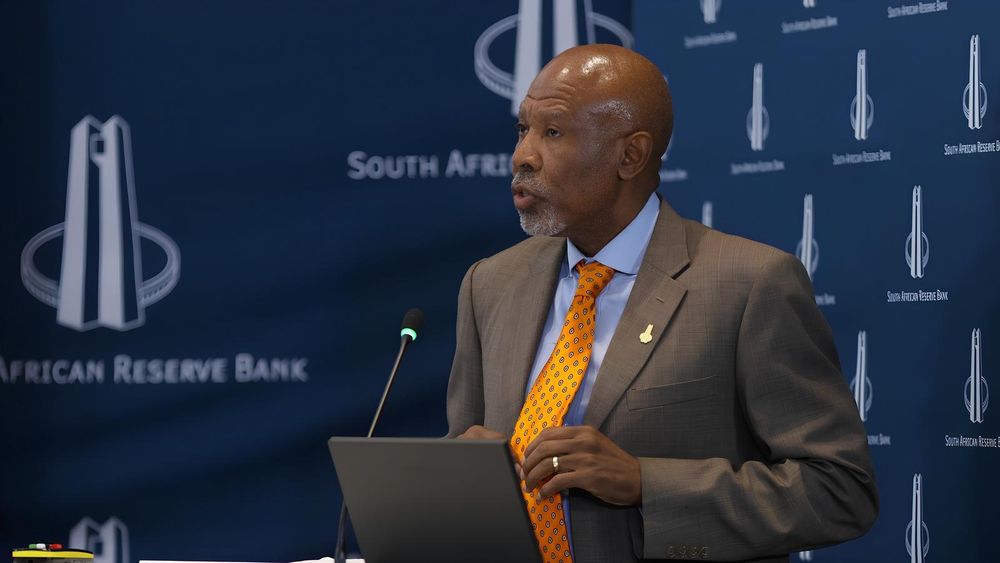
While downside risks to growth are present, Sarb governor Lesetja Kganyago said the fundamentals of the economy remain intact.
347 words~2 min read