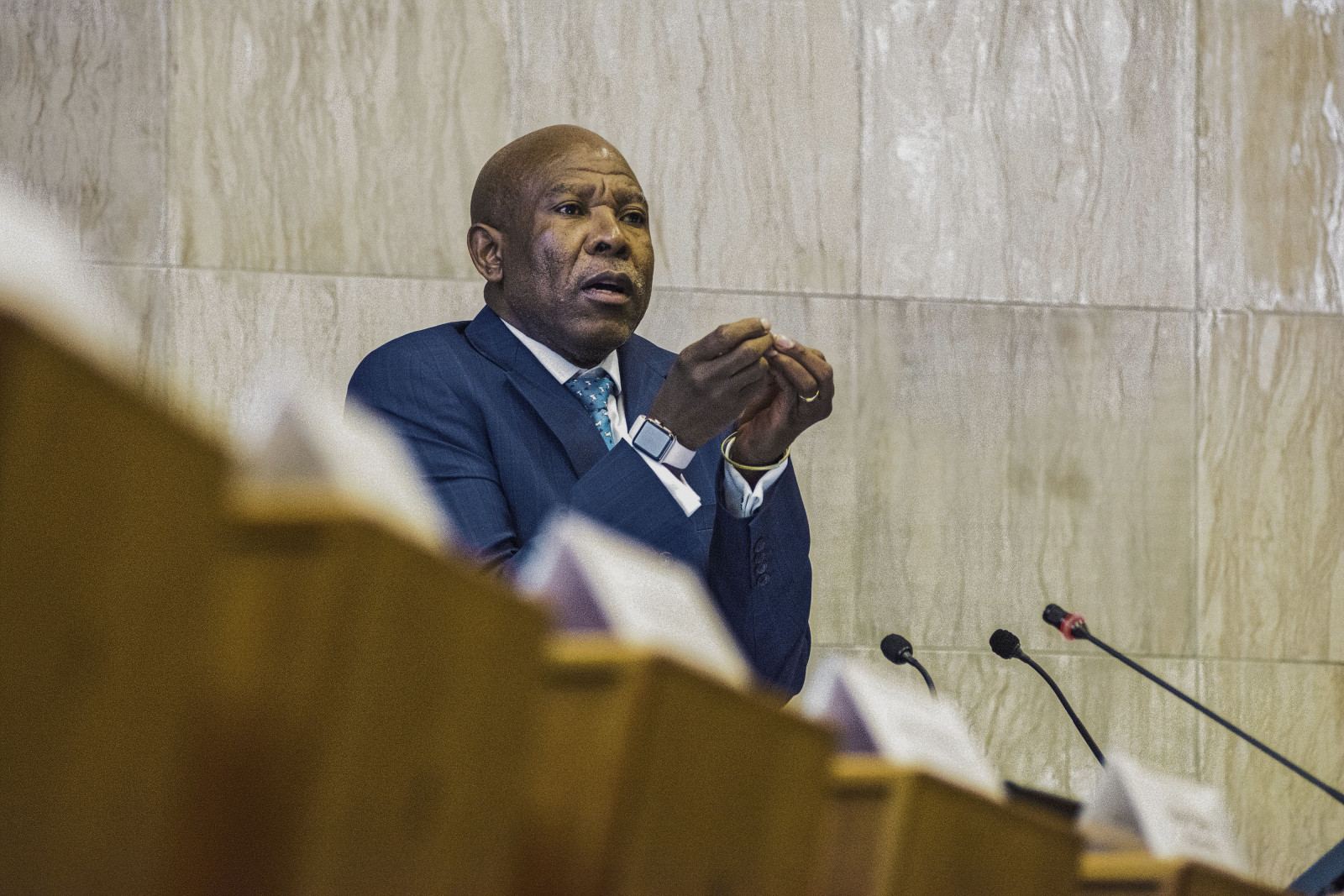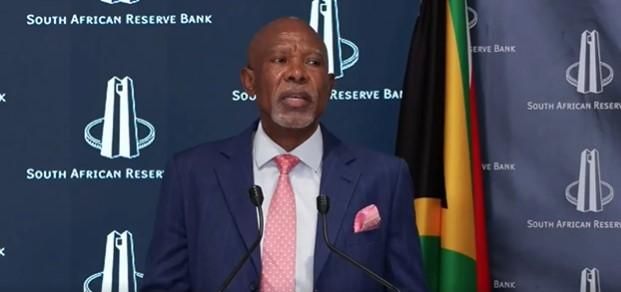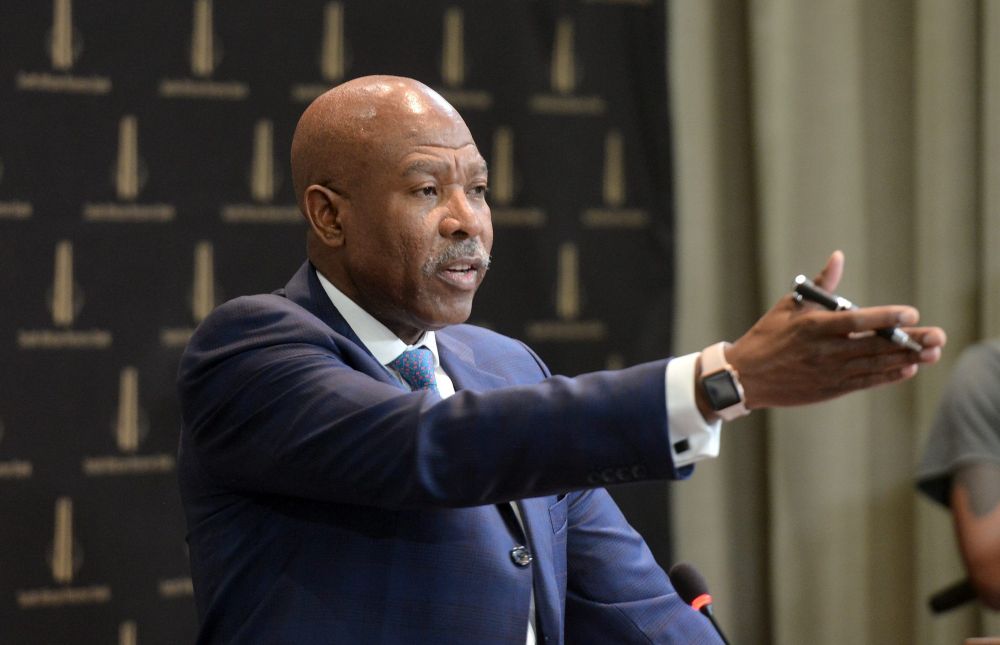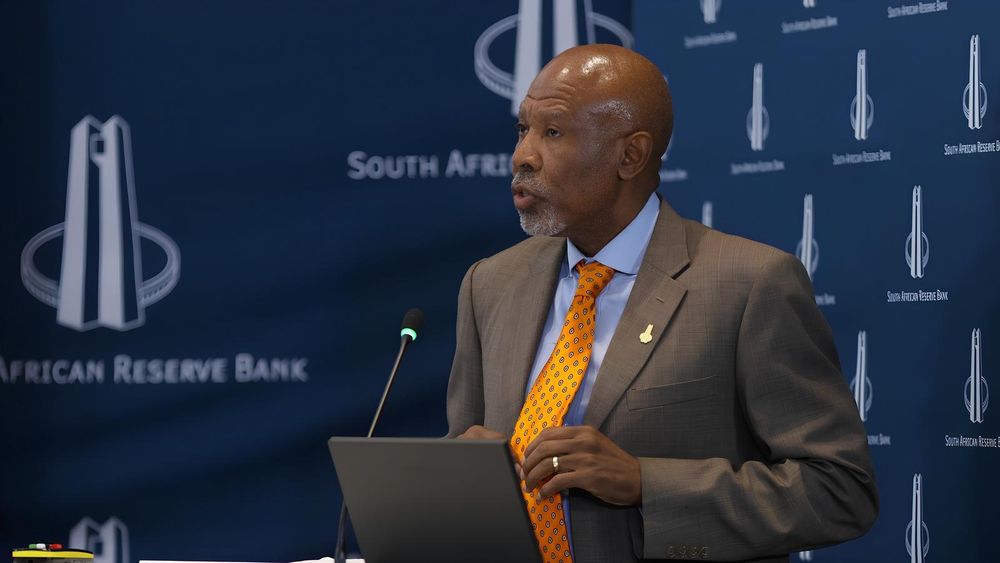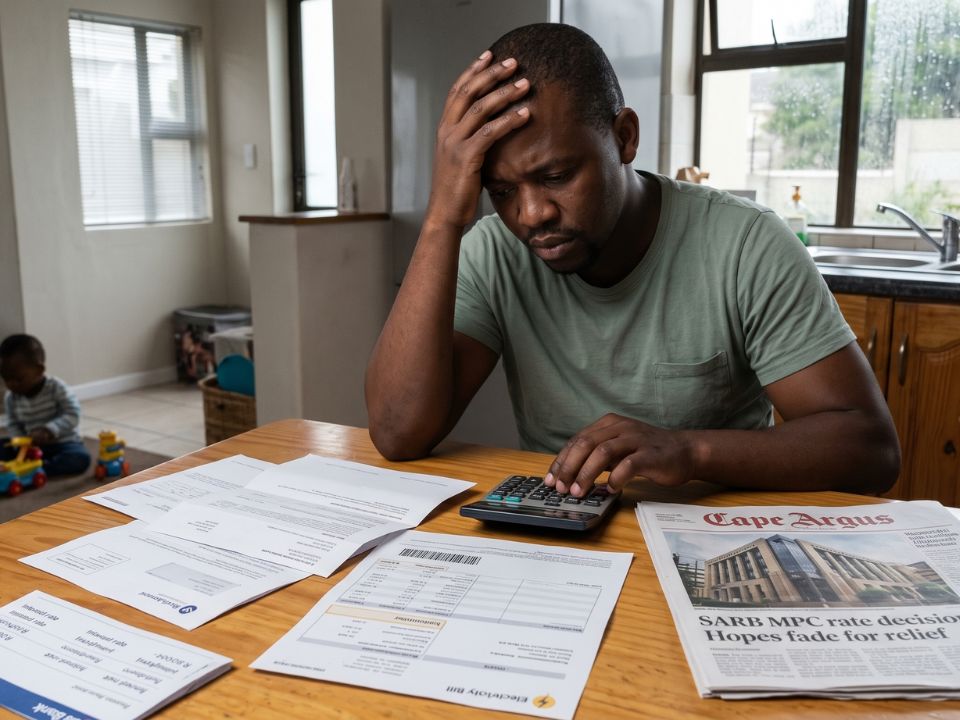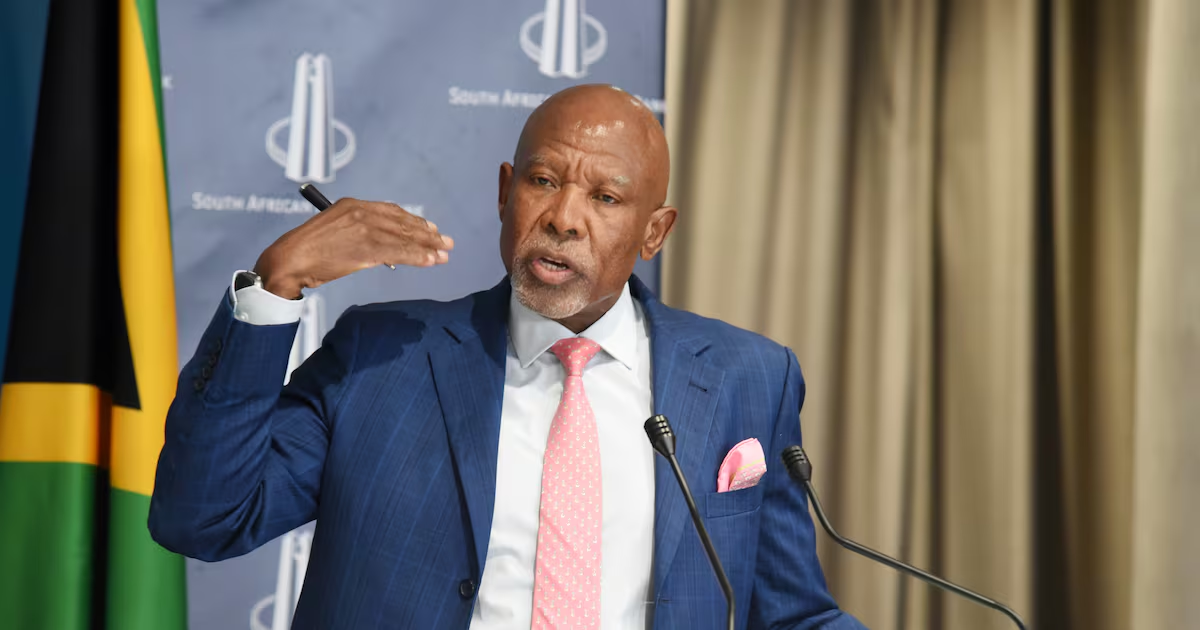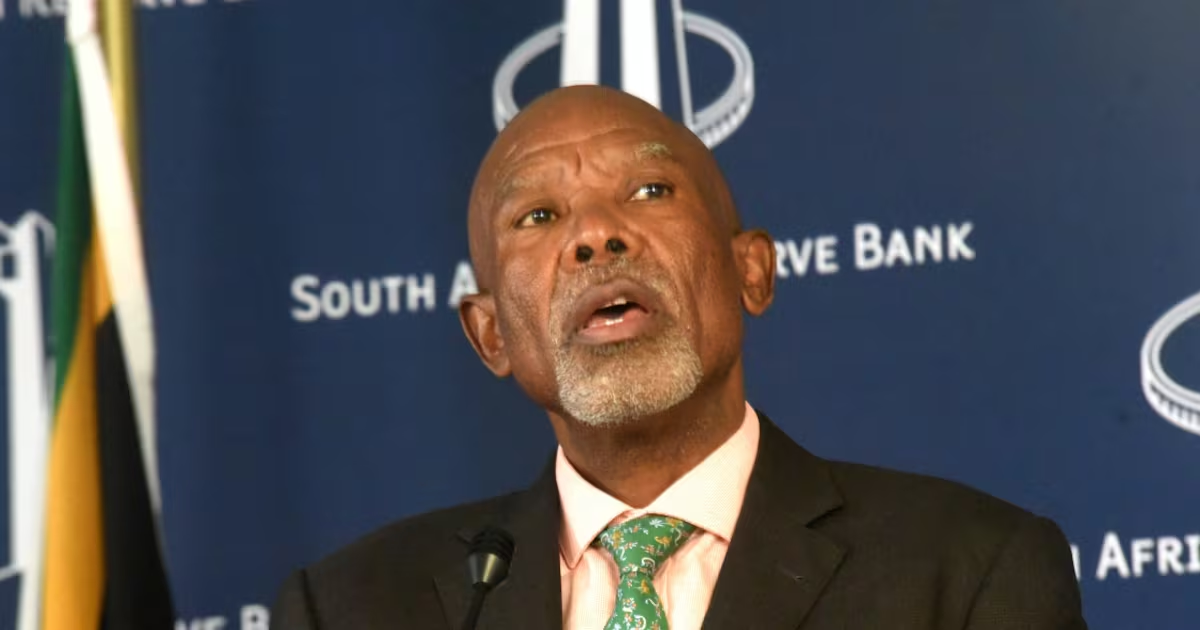
The South African Reserve bank (SARB) raised its main policy rate by 25 basis points to 7% on Thursday, saying inflation risks stemming from higher oil prices had intensified and the challenge of large and overlapping shocks would likely trigger second round effects.SARB governor Lesetja Kganyago said hopes for a quick end to the Middle East crisis which has strangled the flow of oil through the Strait of Hormuz had faded since the previous meeting of the monetary policy committee (MPC) in March.“Oil prices have fluctuated around $100 per barrel. In this context, global growth forecasts have been marked down, while inflation forecasts have been revised higher,” Kganyago told a media conference.“Looking forward, we have raised our oil price assumptions. In addition, we see renewed pressure on food prices, with the agricultural sector facing higher costs for both diesel and fertiliser.”He said the SARB’s forecast now has headline inflation averaging 4.4% this year and 3.7% next year, before returning to the 3% target in 2028. Core inflation is also higher, peaking early next year.“These projections entail some second-round effects, as the shock broadens out into wages and inflation expectations,” the governor said.“Given the forecasts, we see upside risks to inflation. Against this backdrop, the committee decided to increase the policy rate by 25 basis points to 7%, effective from 29 May.”Four members of the MPC preferred a rate increase, while two favoured keeping the policy rate at 6.75%.“We see downside risks to growth. That said, the fundamentals of South Africa’s recovery remain intact — as reflected in the recent decision by Moody’s to assign a positive outlook to the sovereign credit rating. The macroeconomy is demonstrating resilience to global challenges,” Kganyago said.
Reserve Bank hikes key interest rate to 7% as inflation risks intensify
MPC divided as rising oil and food costs threaten inflation targets
282 words~1 min read