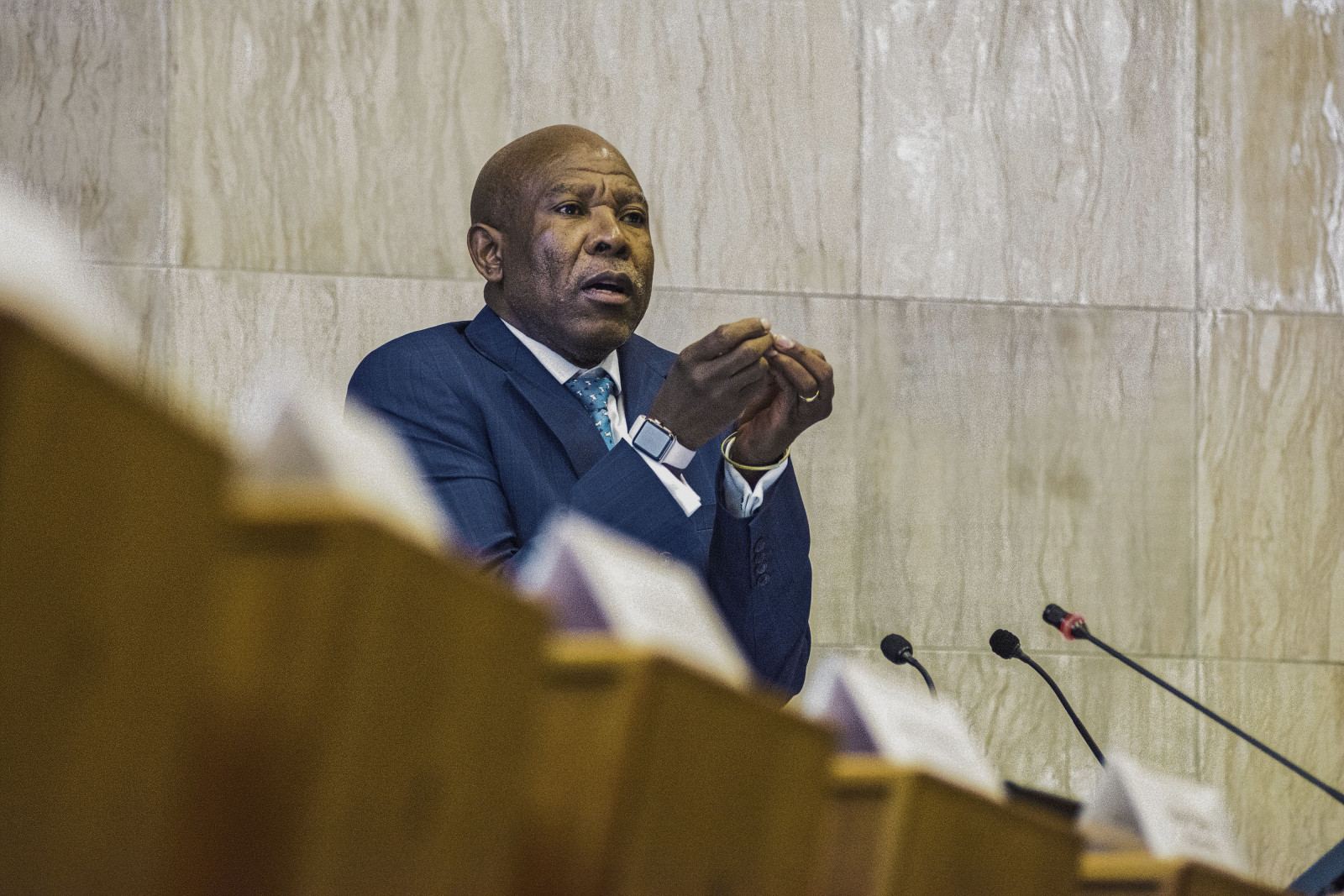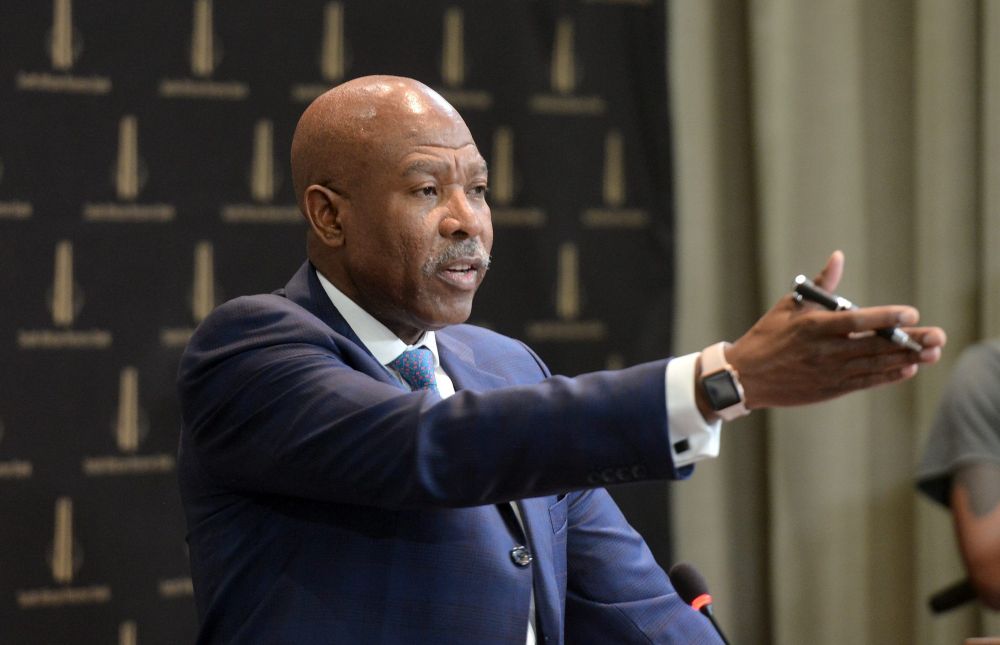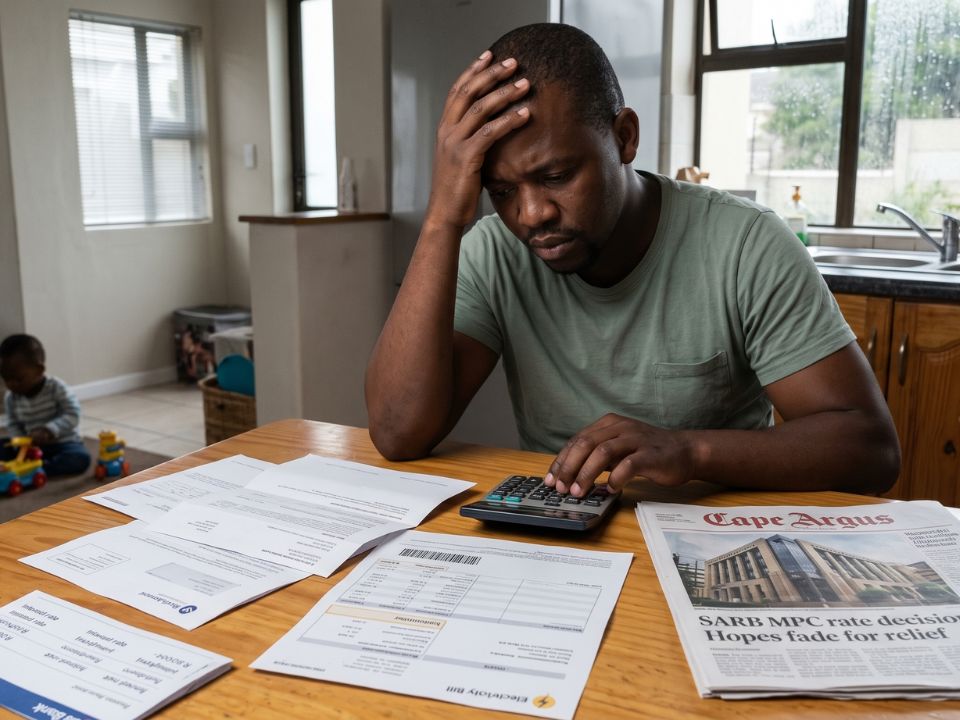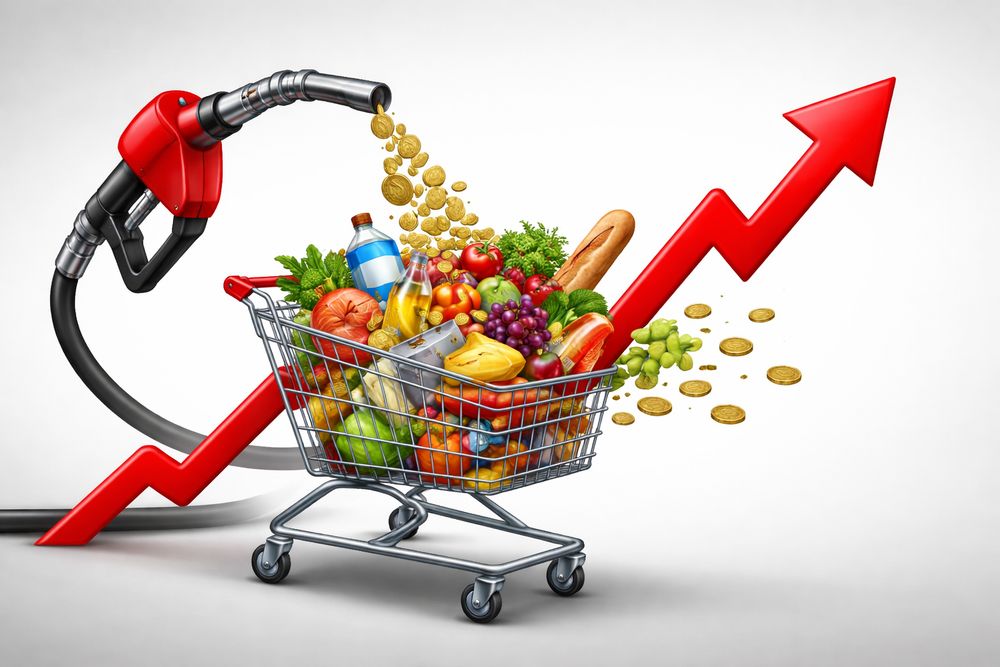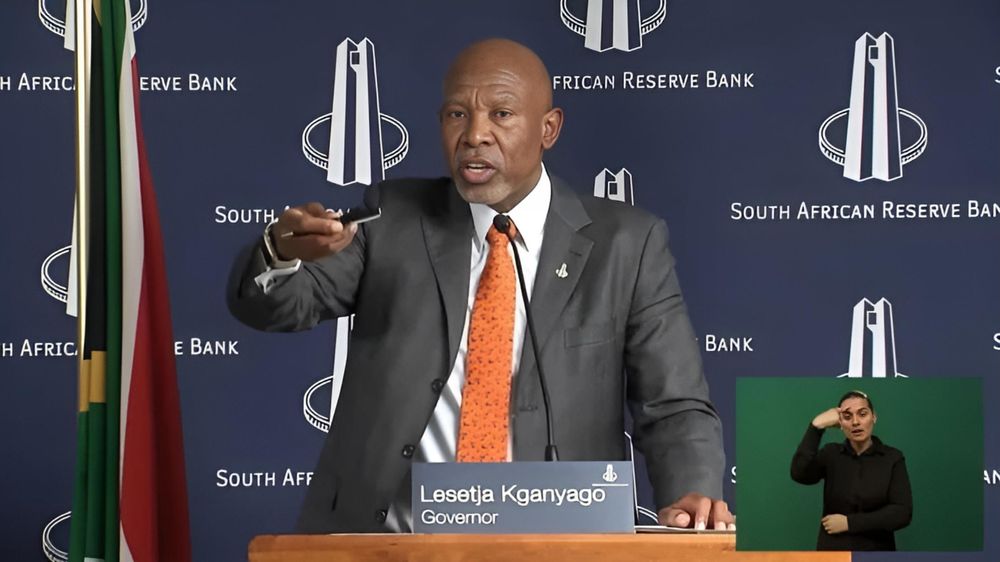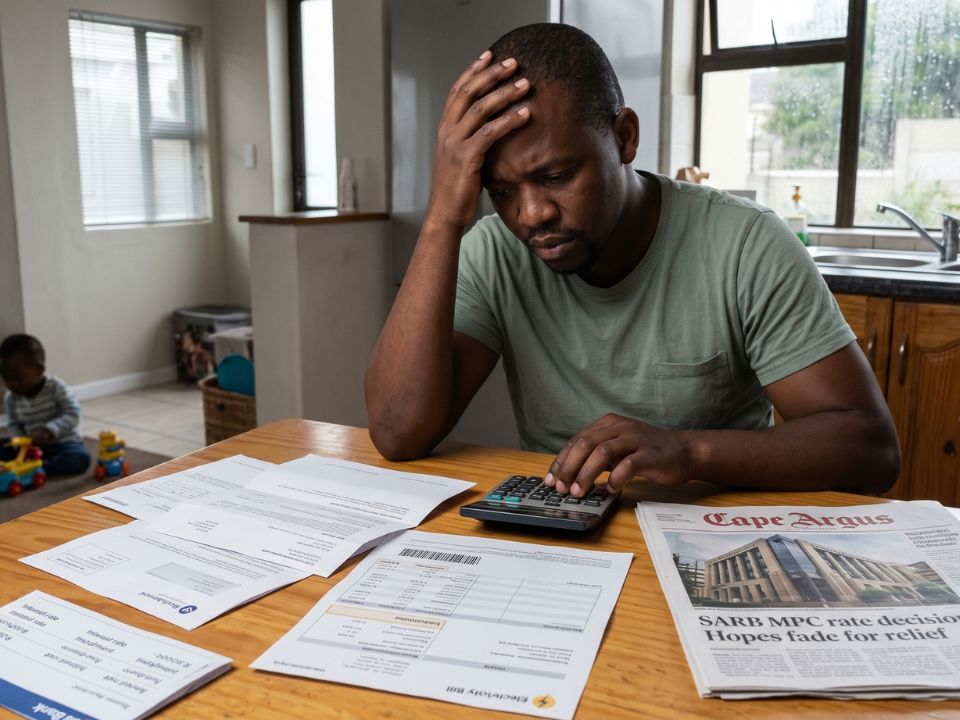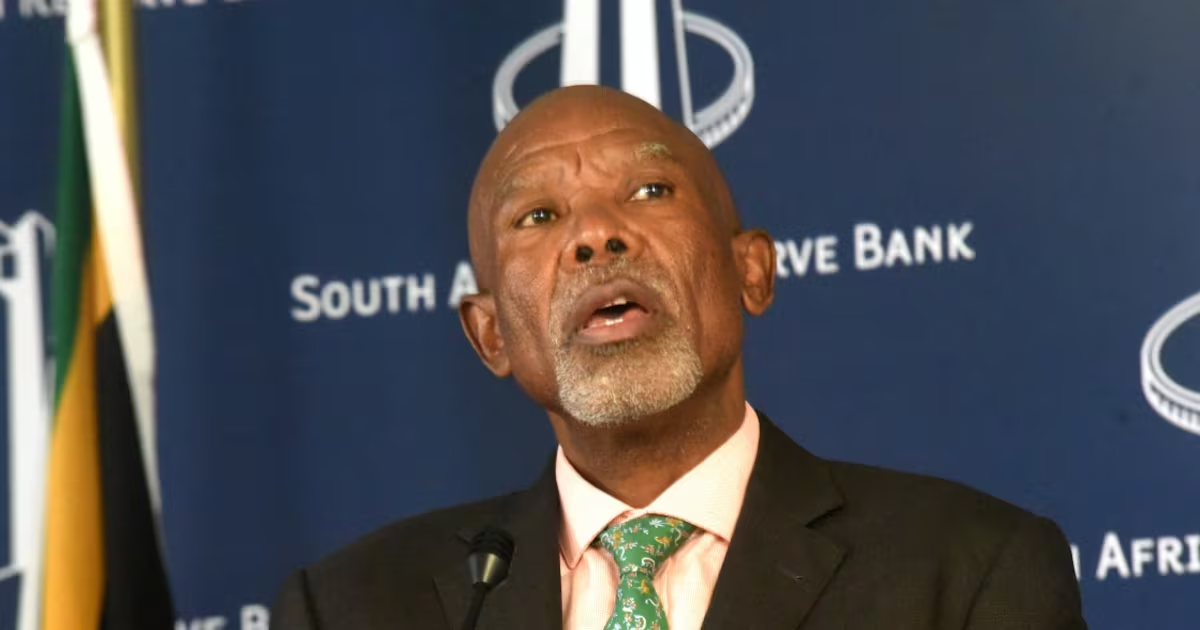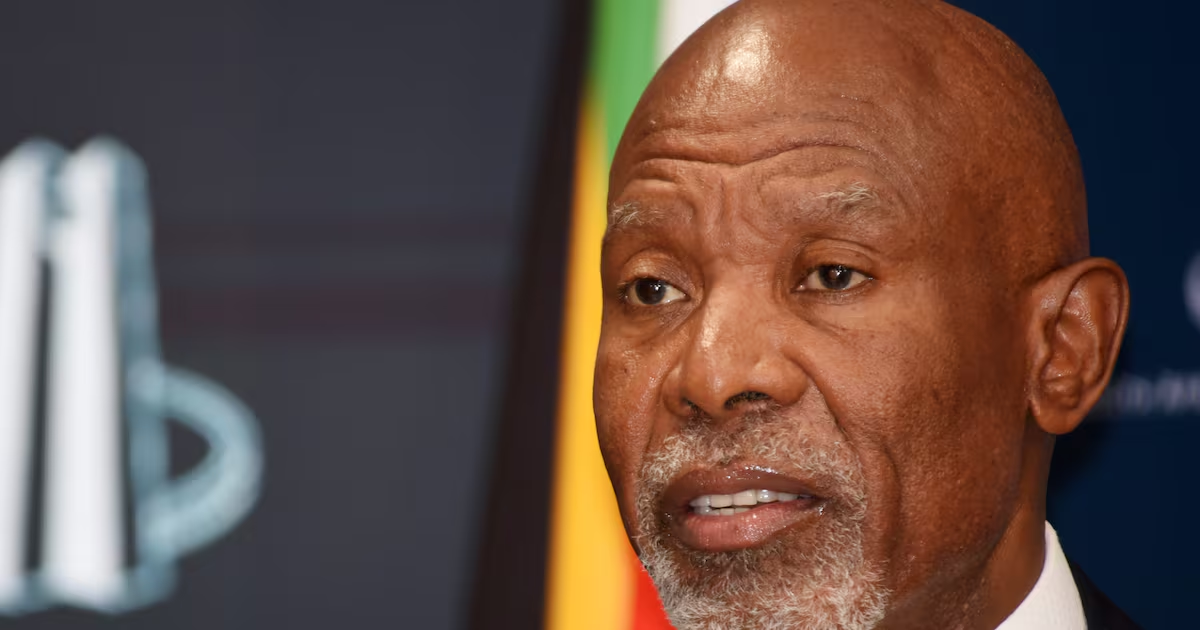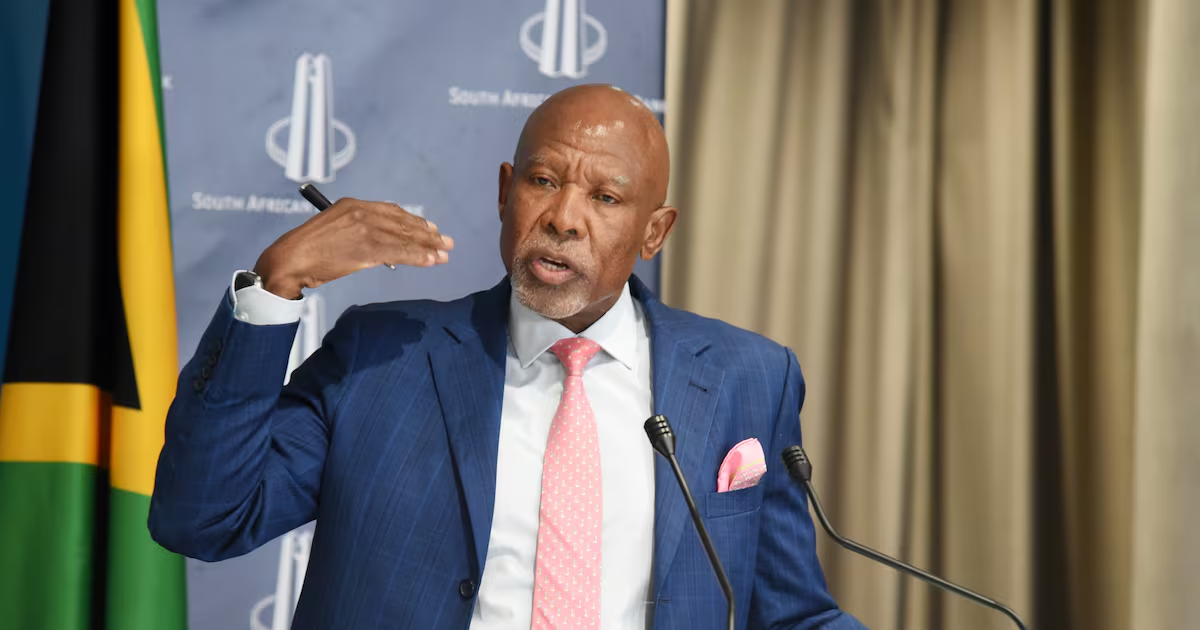
Indebted South African consumers, whose spending is a key driver of economic growth, will have to tighten their belts after the Reserve Bank raised interest rates, citing intensified inflation risks stemming from higher oil prices linked to the Middle East war.Announcing a 25 basis-point increase in the key policy rate to 7% on Thursday, governor Lesetja Kganyago said the Bank’s six-member monetary policy committee (MPC) agreed that the challenge of large and overlapping shocks is likely to trigger second-round effects, requiring a policy response. “We have already had one global inflation surge this decade, and we may well be starting another. In such adverse conditions, it is crucial that central banks maintain their credibility and prevent higher inflation from becoming entrenched,” he said.“Though we do not have the tools to prevent the initial effects of supply shocks, monetary policy is responsible for longer-run inflation. We take this duty seriously and reiterate our commitment to bringing inflation back to 3% over time.”The announcement came hours after Stats SA reported that the annual rate of producer inflation more than doubled to 4.8% in April from 2.3% in March, in the latest sign that the surge in oil prices is pushing input costs sharply higher.Last week, Stats SA published data that shows consumer inflation accelerated to 4% year on year in April from 3.1% in March, the highest print since August 2024 and at the top end of the 2%-4% tolerance band of the central bank’s 3% target.Kganyago said hopes for a quick end to the conflict, which has strangled the flow of oil through the Strait of Hormuz, have faded since the previous meeting of the MPC in March.“Oil prices have fluctuated around $100 per barrel. In this context, global growth forecasts have been marked down, while inflation forecasts have been revised higher,” he said.“Looking forward, we have raised our oil price assumptions. In addition, we see renewed pressure on food prices, with the agricultural sector facing higher costs for diesel and fertiliser.” (Karen Moolman) He said the Bank’s forecast now has headline inflation averaging 4.4% this year and 3.7% in 2027, before returning to the 3% target in 2028. Core inflation was also revised higher, peaking early next year.“These projections entail some second-round effects as the shock broadens out into wages and inflation expectations,” Kganyago said. “Given the forecasts, we see upside risks to inflation.”Four members of the MPC preferred a rate increase, while two favoured keeping the policy rate at 6.75%.At the March MPC meeting, the Reserve Bank had forecast inflation peaking at 4% in the second quarter of the year before easing to the 3% target by late 2027.GDP was seen at 1.4% this year and 1.9% in 2027, before edging up to about 2% over the next few years. The Bank has now cut its 2026 growth forecast to 1.2% and to 1.7% for next year.“We see downside risks to growth. That said, the fundamentals of South Africa’s recovery remain intact — as reflected in the recent decision by Moody’s to assign a positive outlook to the sovereign credit rating. The macroeconomy is demonstrating resilience to global challenges,” Kganyago said.The Institute for Economic Justice, a progressive economic policy think-tank, said the economy, which grew just 1.1% in 2026, is too weak to absorb monetary tightening.“[The rate hike] indicates a restrictive stance in an economy where unemployment, including discouraged workers, rose to 43.7% in the first quarter of 2026, employment fell by 345,000 jobs, and youth unemployment reached 60.9% for ages 15-24 and 40.6% for ages 25-34,” it said.Thursday’s rate hike will intensify an already unsustainable financial situation for many households, said Neil Roets, CEO of debt counselling firm Debt Rescue.“Our own consumer survey findings show that South Africans are already at breaking point financially. Nine out of ten respondents told us they are under serious financial strain, while more than half said they do not know how they are going to cope,” Roets said.Kganyago acknowledged that South Africa faces a “painful combination of higher global uncertainty and reduced disposable income”, which will hit investment and household consumption, the main drivers of economic growth. He also noted that other central banks are still mostly on hold.“Our decision was aimed at managing risks and ensuring that inflation returns to target,” he said.Raymond Parsons, a professor at the North West University School of Business & Governance, says South Africa has economic buffers that could have allowed the Reserve Bank to keep rates on hold while navigating what remains a highly uncertain outlook. “It would still have been possible for the MPC statement to convey a hawkish message to business and consumers about likely ‘higher-for-longer’ interest rate prospects, but combined with another pause in rates for now,” Parsons said.“That would have made the MPC majority view appear less of an outlier compared to most other central banks who, like the Reserve Bank, enjoy high credibility and have overwhelmingly decided to ‘wait and see’.”
Households brace for pain as Reserve Bank comes down hard on inflation
Bank raises rate 25 basis points, citing rising risks driven by higher oil prices
821 words~4 min read