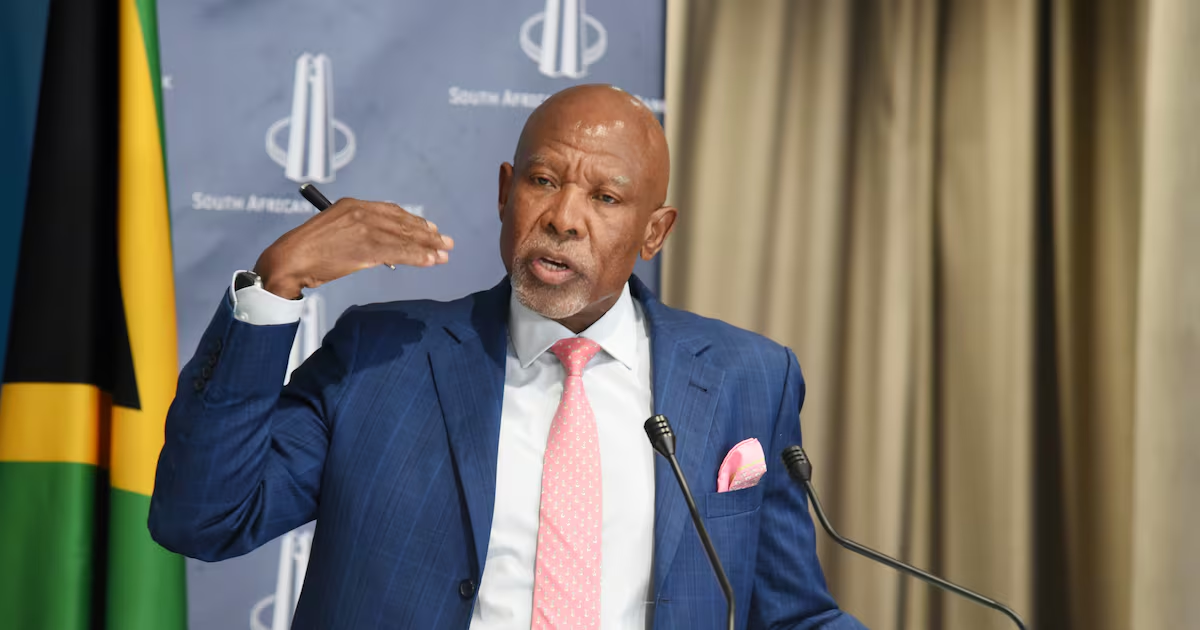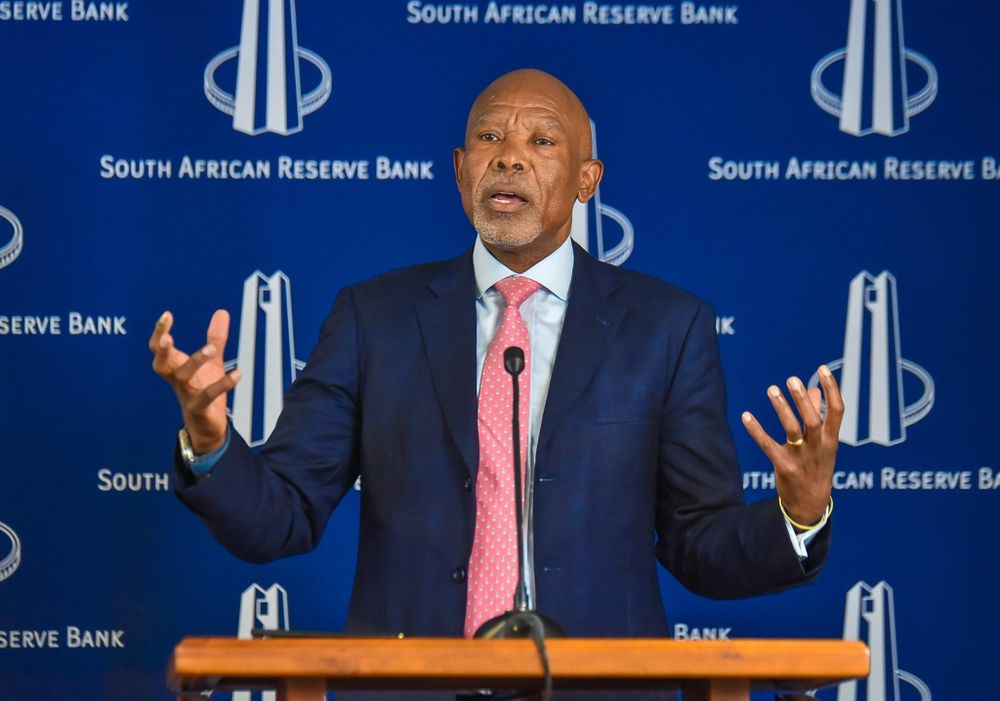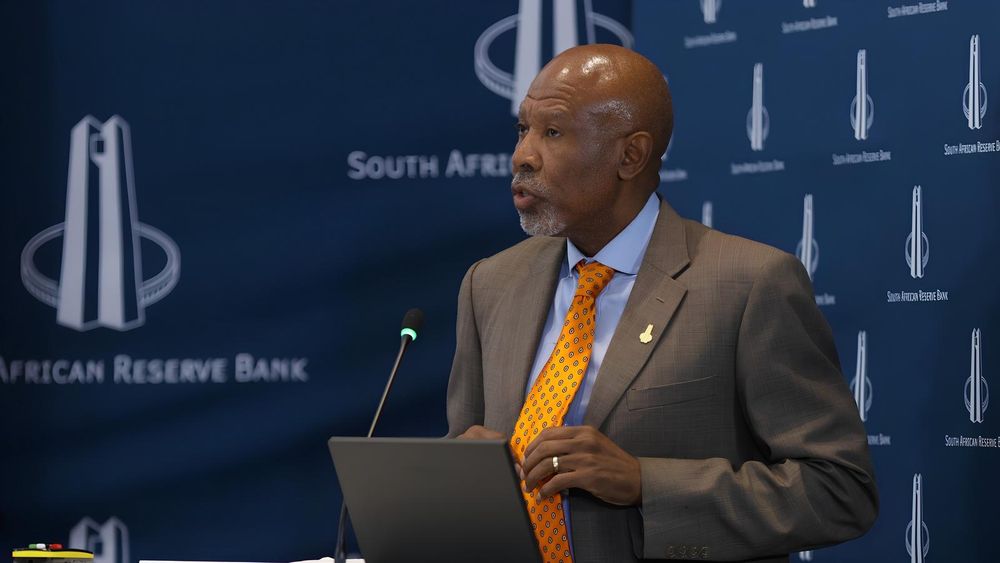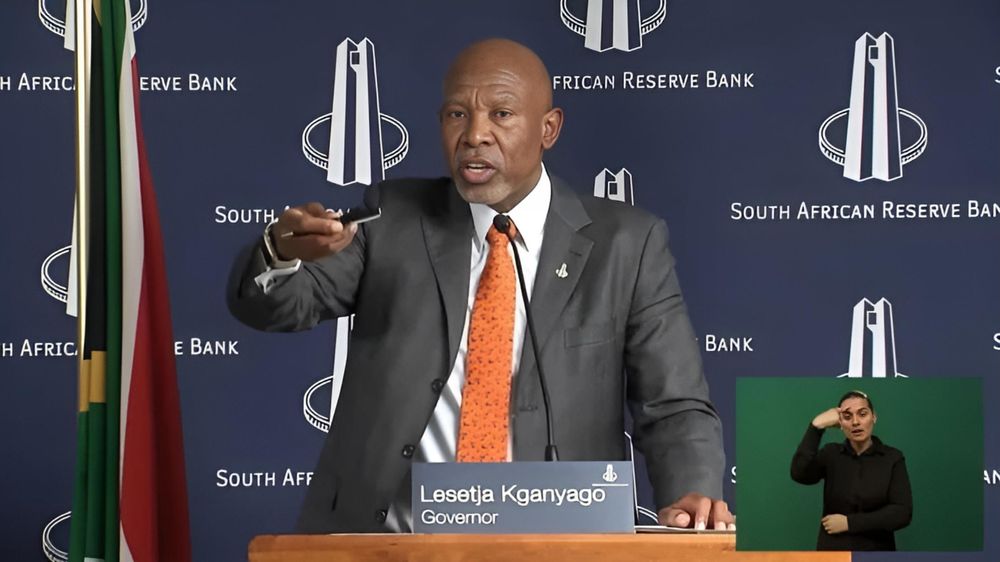
South African Reserve Bank governor Lesetja Kganyago. The Sarb already warned in March that the ongoing Middle East conflict is a clear instance of a supply shock, which raises prices while weakening demand.
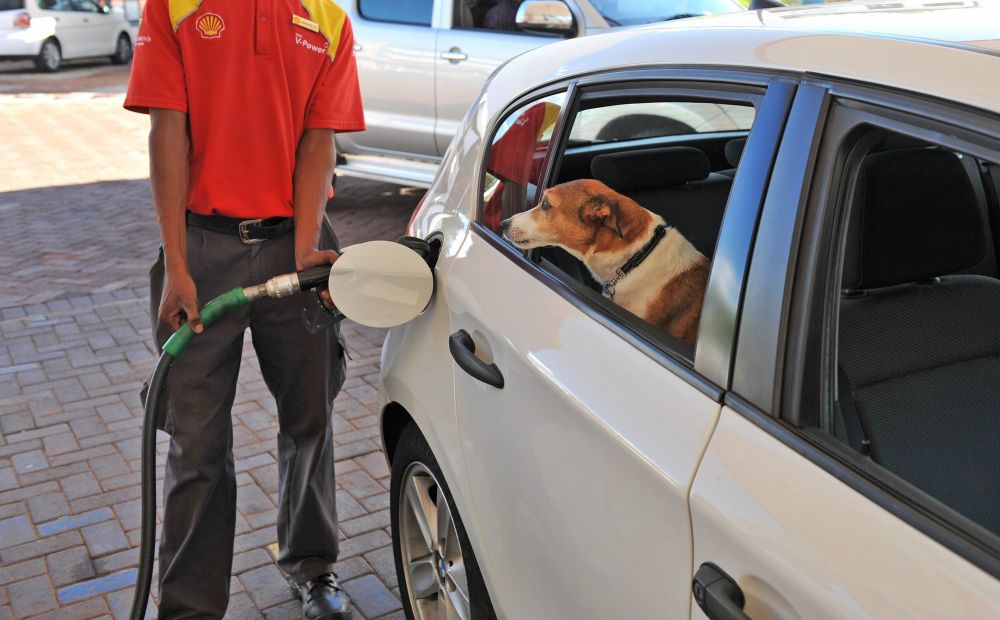
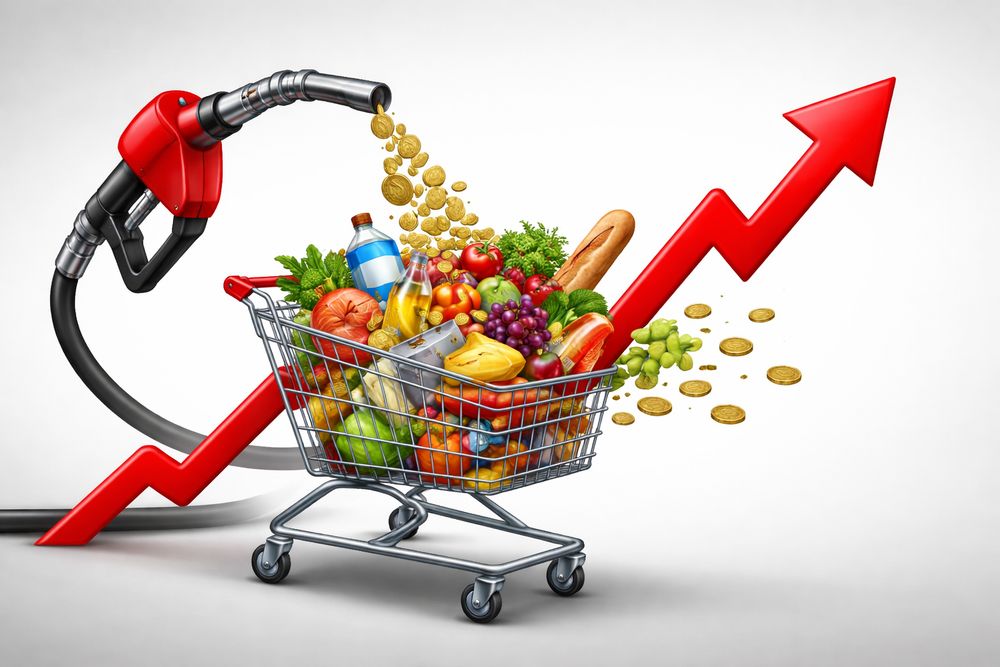
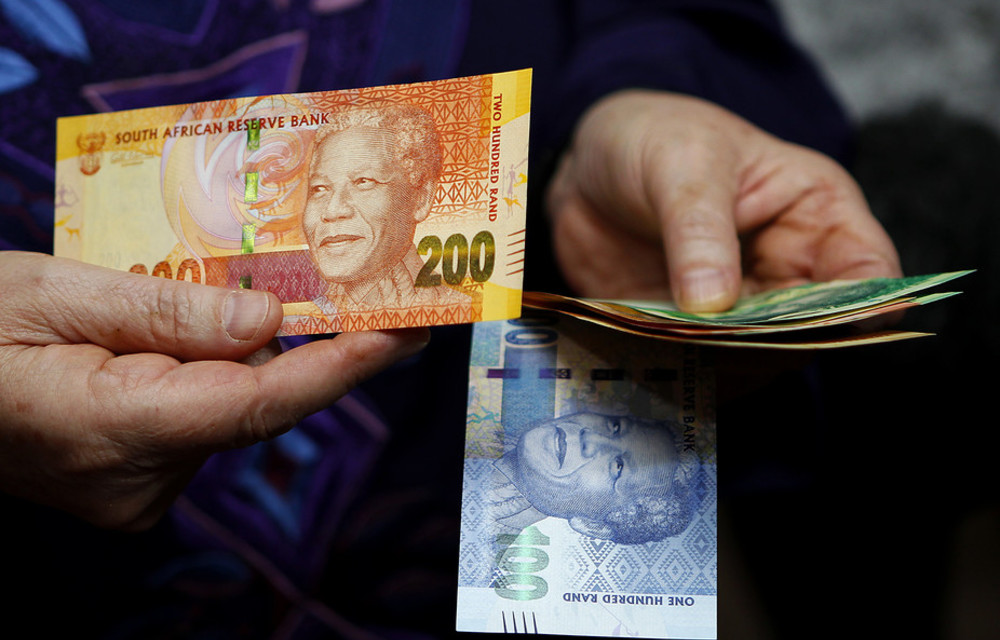
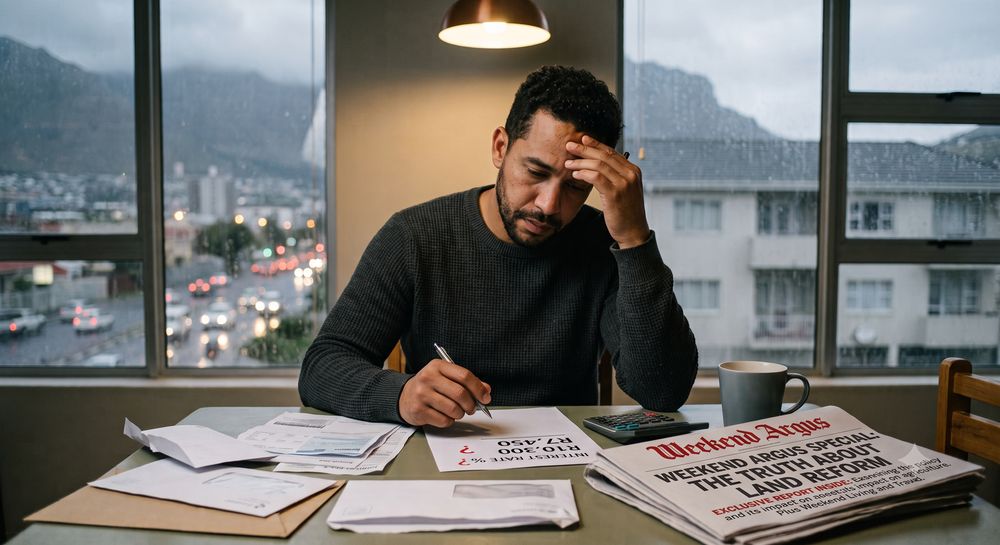
South African consumers could face a painful double blow in June as economists increasingly expect the South African Reserve Bank (Sarb) to raise interest rates while government phases out the R3-per-litre fuel levy relief that has temporarily cushioned motorists from surging global oil prices.
The Sarb’s Monetary Policy Committee (MPC) is widely expected to keep a hawkish stance on Thursday after inflation accelerated sharply to 4.0% in April from 3.1% in March, driven mainly by soaring fuel costs linked to the ongoing Middle East conflict.
Several economists now warn that inflation could climb closer to 5% in the coming months, increasing pressure on the Sarb to act pre-emptively to prevent higher prices from becoming entrenched in the economy.
The Sarb already warned in March that the ongoing Middle East conflict is a clear instance of a supply shock, which raises prices while weakening demand. The central bank said waiting for clear evidence risks leaving the policy response too late.