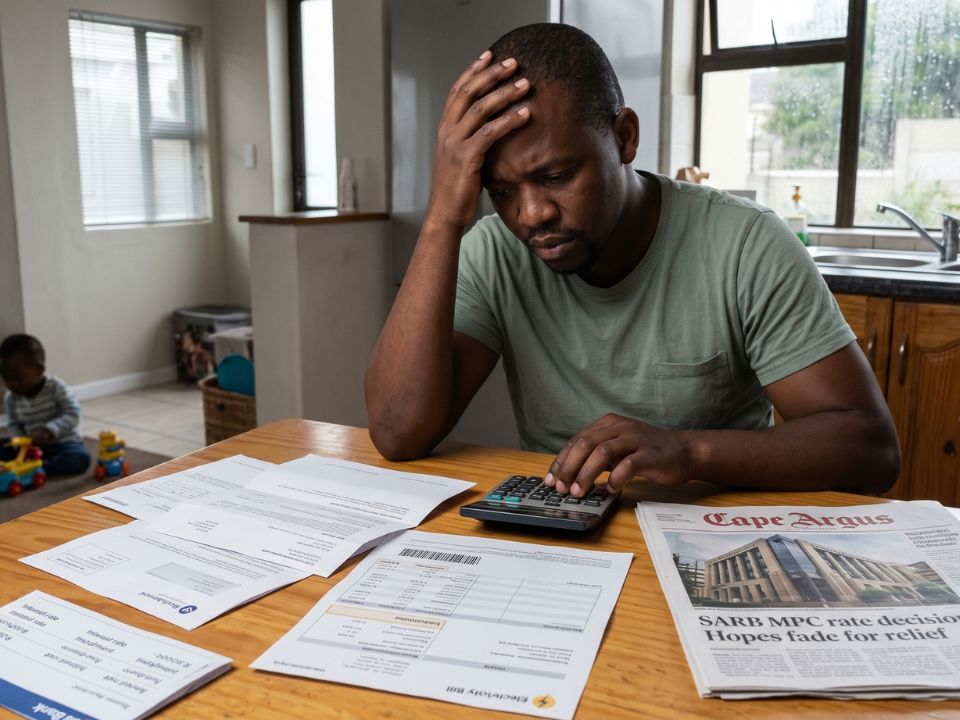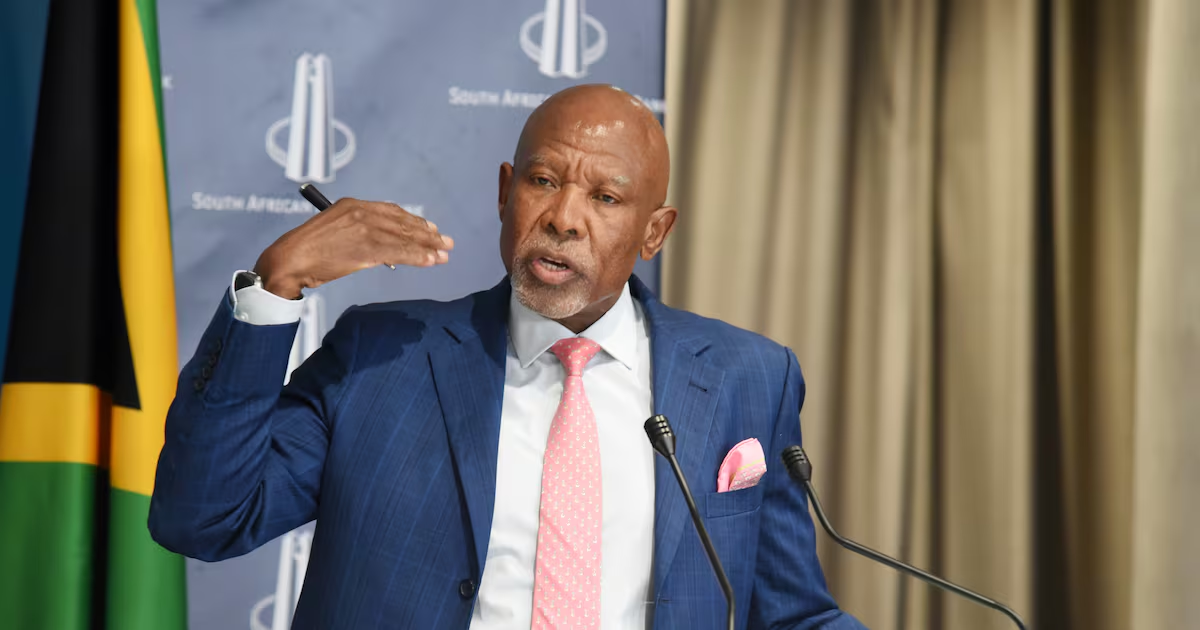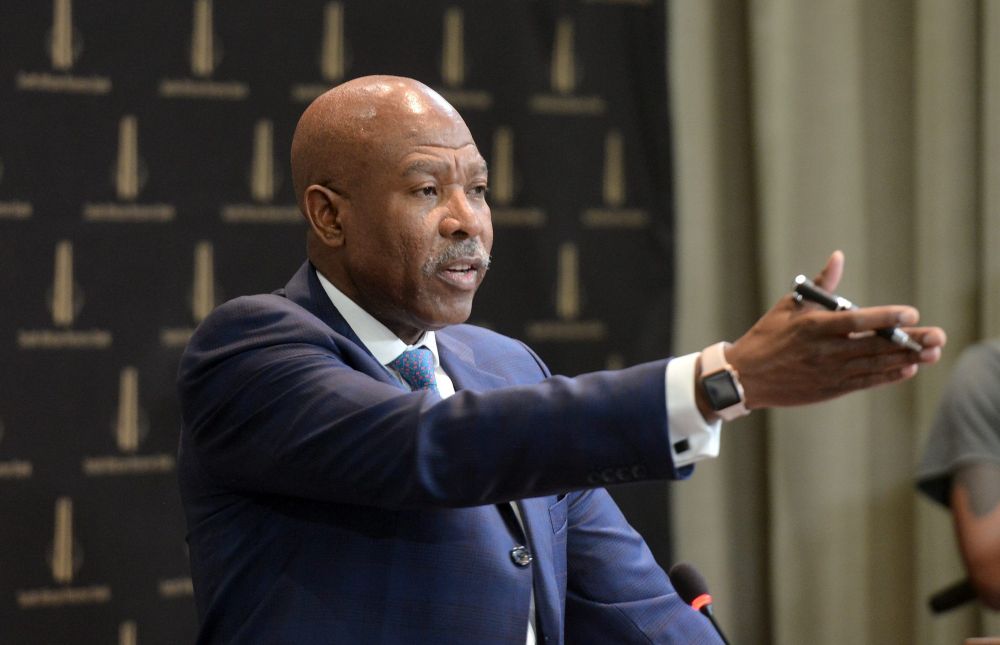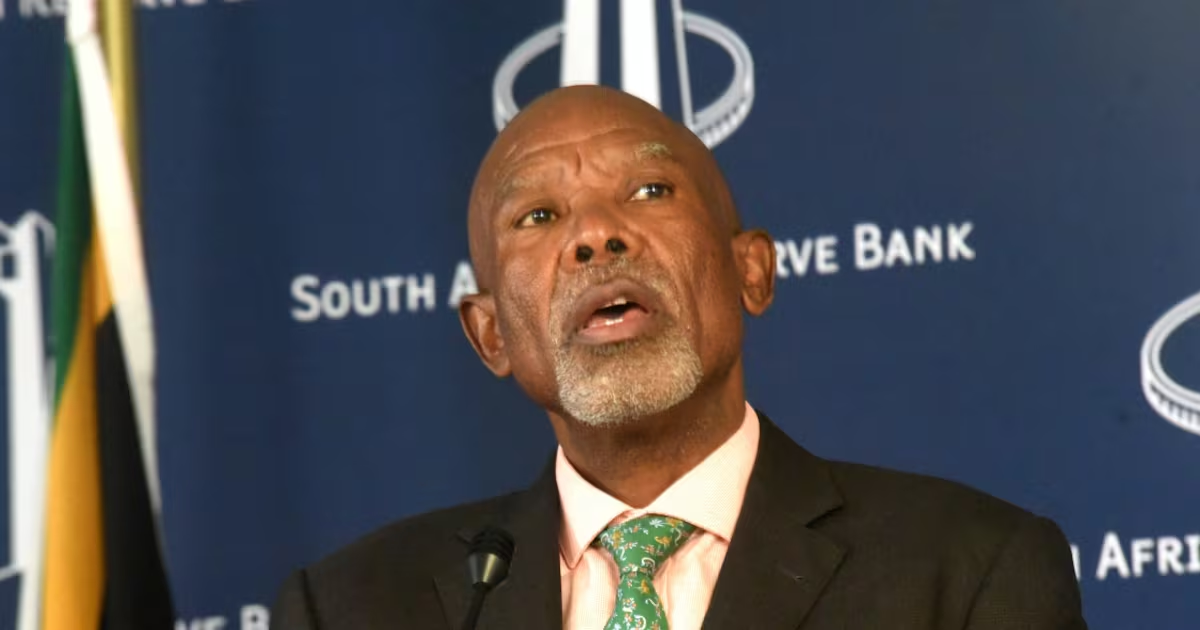
South Africa’s central bank is about to do something it hasn’t done in three years: make borrowing more expensive.
The South African Reserve Bank is widely expected to raise its benchmark interest rate by 25 basis points to 7% at its Monetary Policy Committee meeting on May 28. If confirmed, this would mark the first rate increase since May 2023, ending a period of monetary easing that had brought the policy rate down to 6.75% by March 2026.
The culprit is familiar. Rising oil prices, fueled by the escalating Iran conflict, have pushed inflation higher and forced the SARB’s hand.
Inflation flipped the script
South Africa’s headline inflation jumped to 4.0% in April 2026, up sharply from 3.1% in March. That’s a meaningful move in a single month, and the primary drivers, transport and energy costs, point directly to the geopolitical turmoil roiling global oil markets.