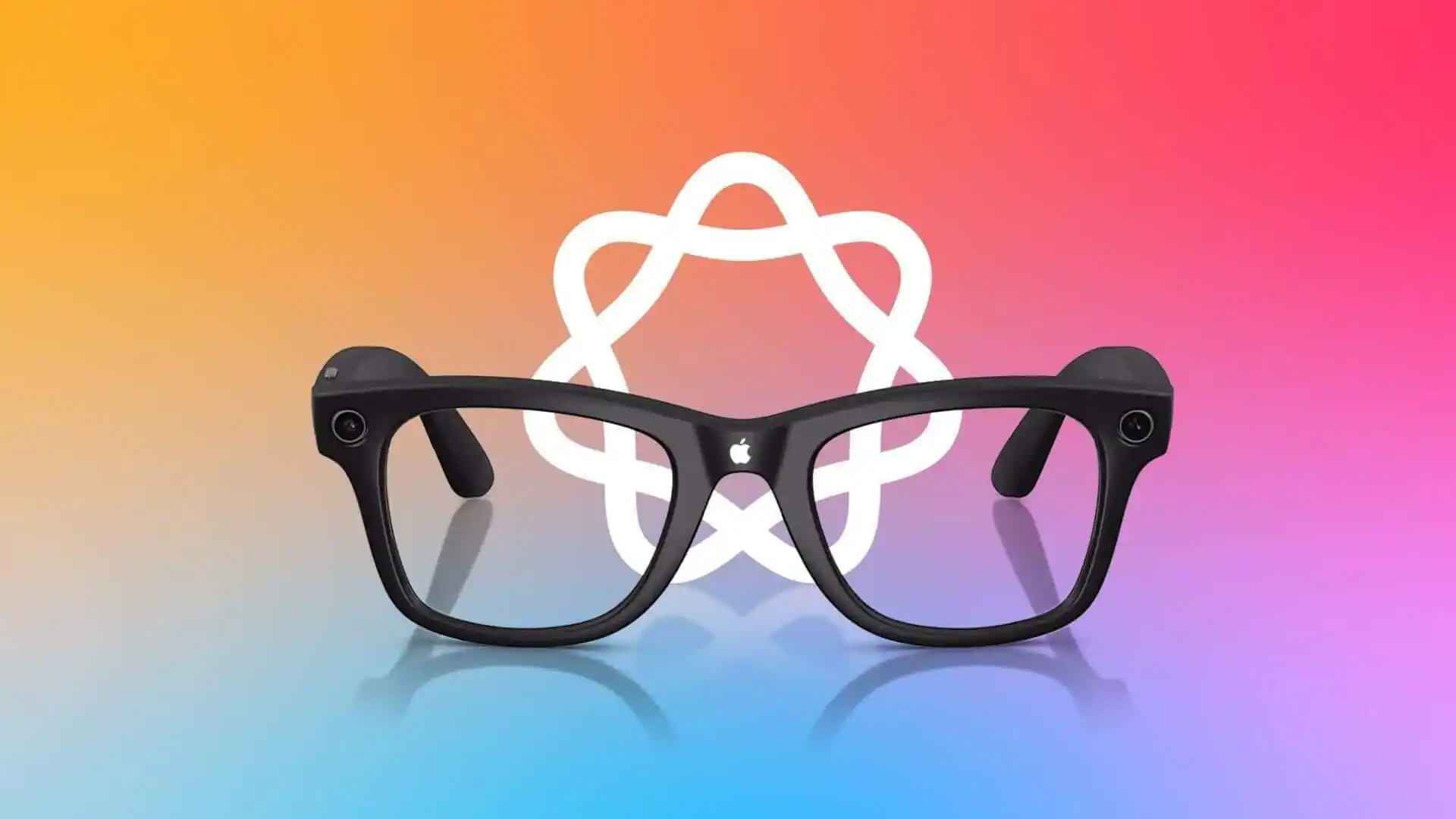
TL;DRApple plans to disrupt the $200B eyewear market the way it disrupted watches. Swatch fell 28%, Fossil 70%. Smart glasses are targeting late 2027.
When Apple launched the Apple Watch in 2015, the mid-tier wristwatch market had a handful of dominant companies. Swatch Group sold watches under Tissot, Hamilton, and Longines. Fossil Group sold under Michael Kors, Armani, and Kate Spade. Movado sold under Coach, Hugo Boss, and Tommy Hilfiger.
Ten years later, the damage is quantifiable. Swatch’s revenue is 28% lower in 2025 than it was in 2014. Fossil’s sales dropped roughly 70%. Apple became the world’s largest watchmaker by unit volume within a few years and last year overtook Rolex as the number one watch brand by revenue. The Apple Watch now generates an estimated $17 billion annually.
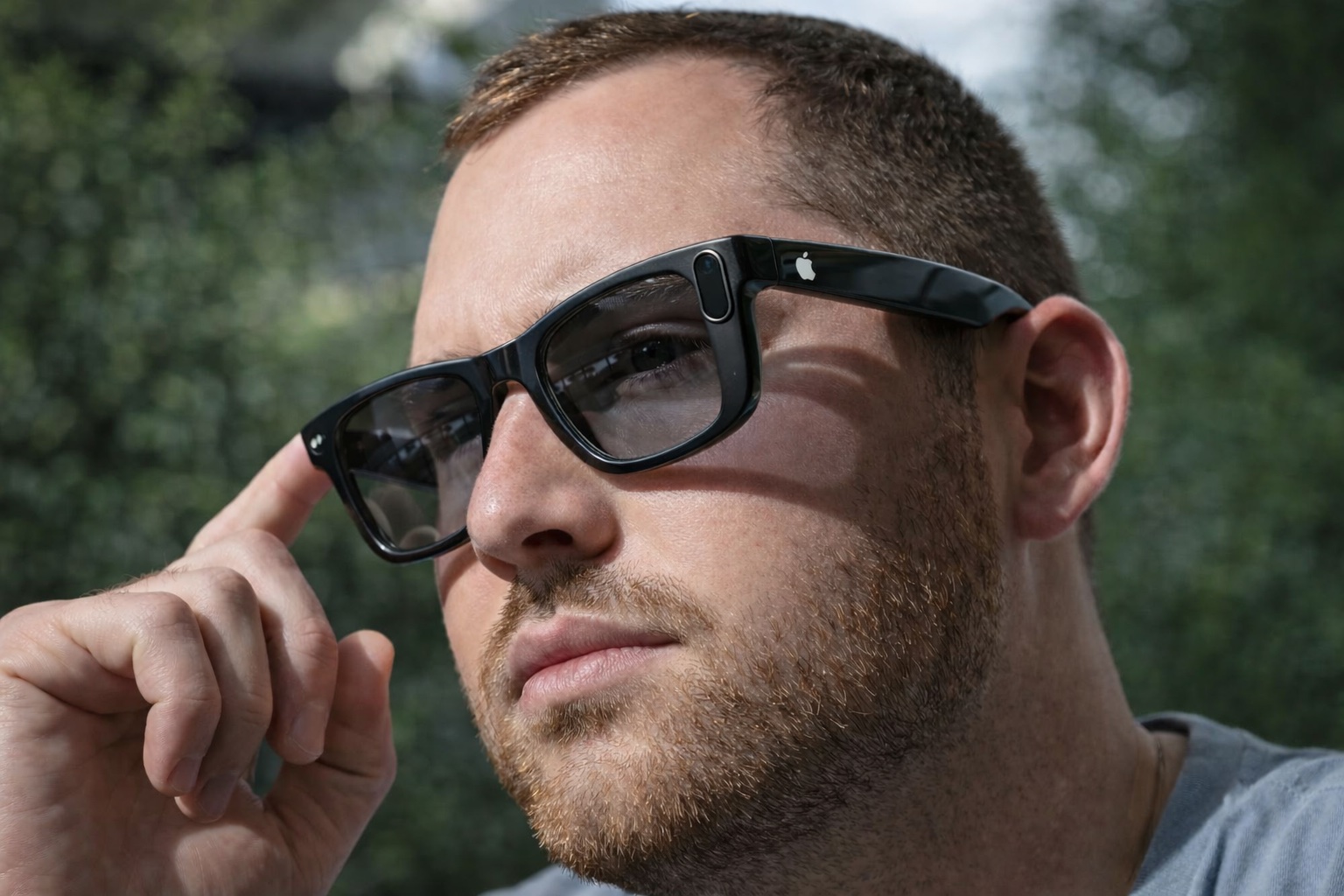
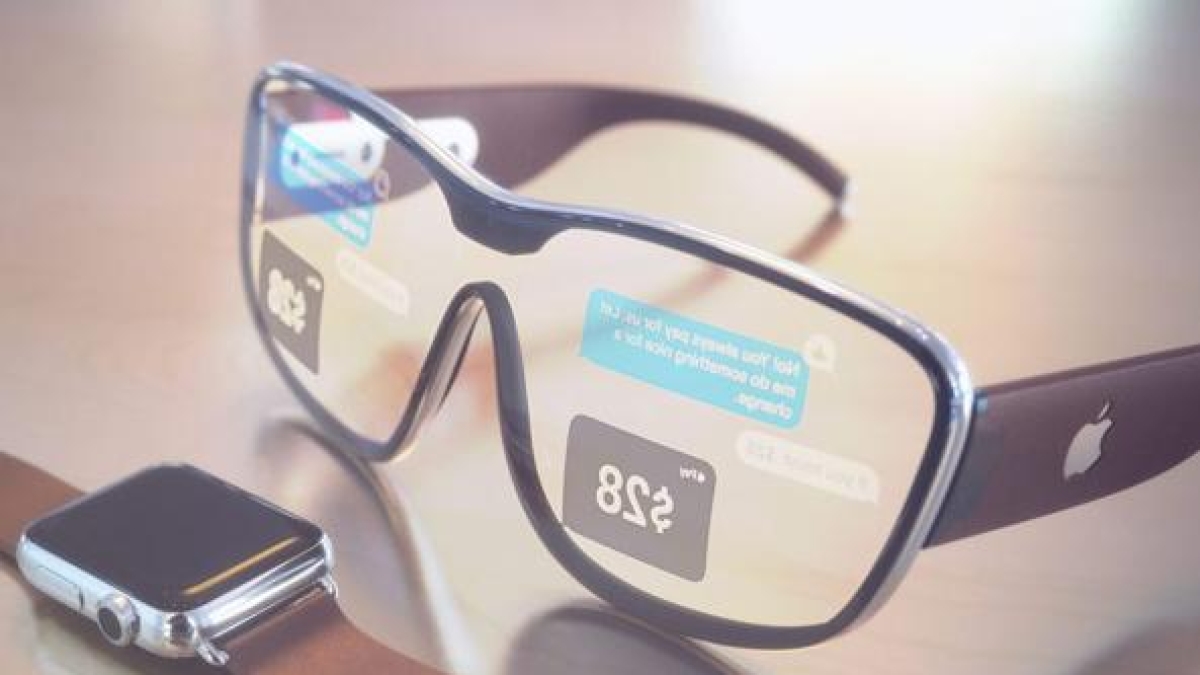
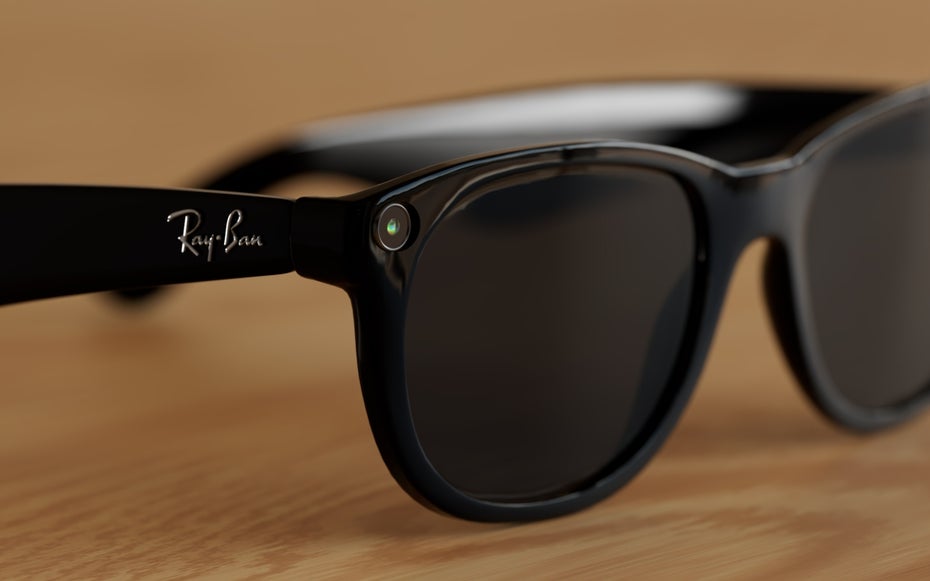
Bloomberg’s Mark Gurman reports that Apple is planning the same playbook for glasses. The company sees the $200 billion global eyewear market as a bigger opportunity than watches and intends to compete directly with products sold between $200 and $500, a segment dominated by EssilorLuxottica (Ray-Ban, Oakley, Persol, Oliver Peoples), Safilo Group (Tommy Hilfiger, Hugo Boss), and Warby Parker.
The addressable market is staggering. The WHO estimates 2.2 billion people globally have some form of vision impairment. Hundreds of millions of pairs of glasses are sold each year. Apple believes its brand, industrial design, iPhone integration, and AI features will lead people seeking new regular glasses to buy an Apple pair instead.