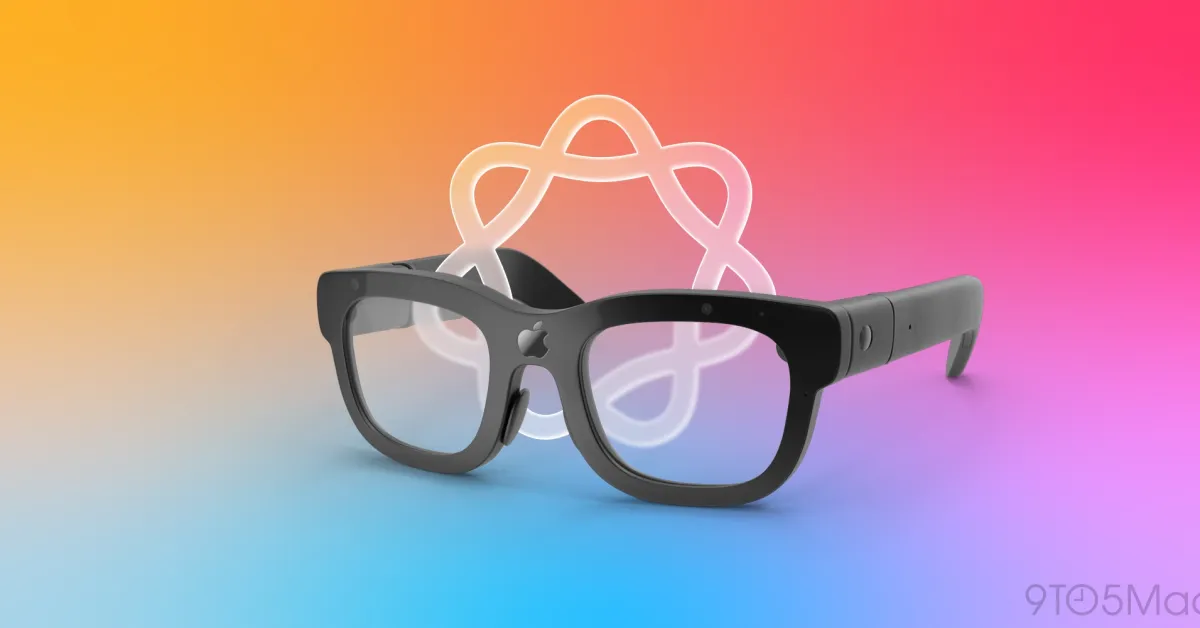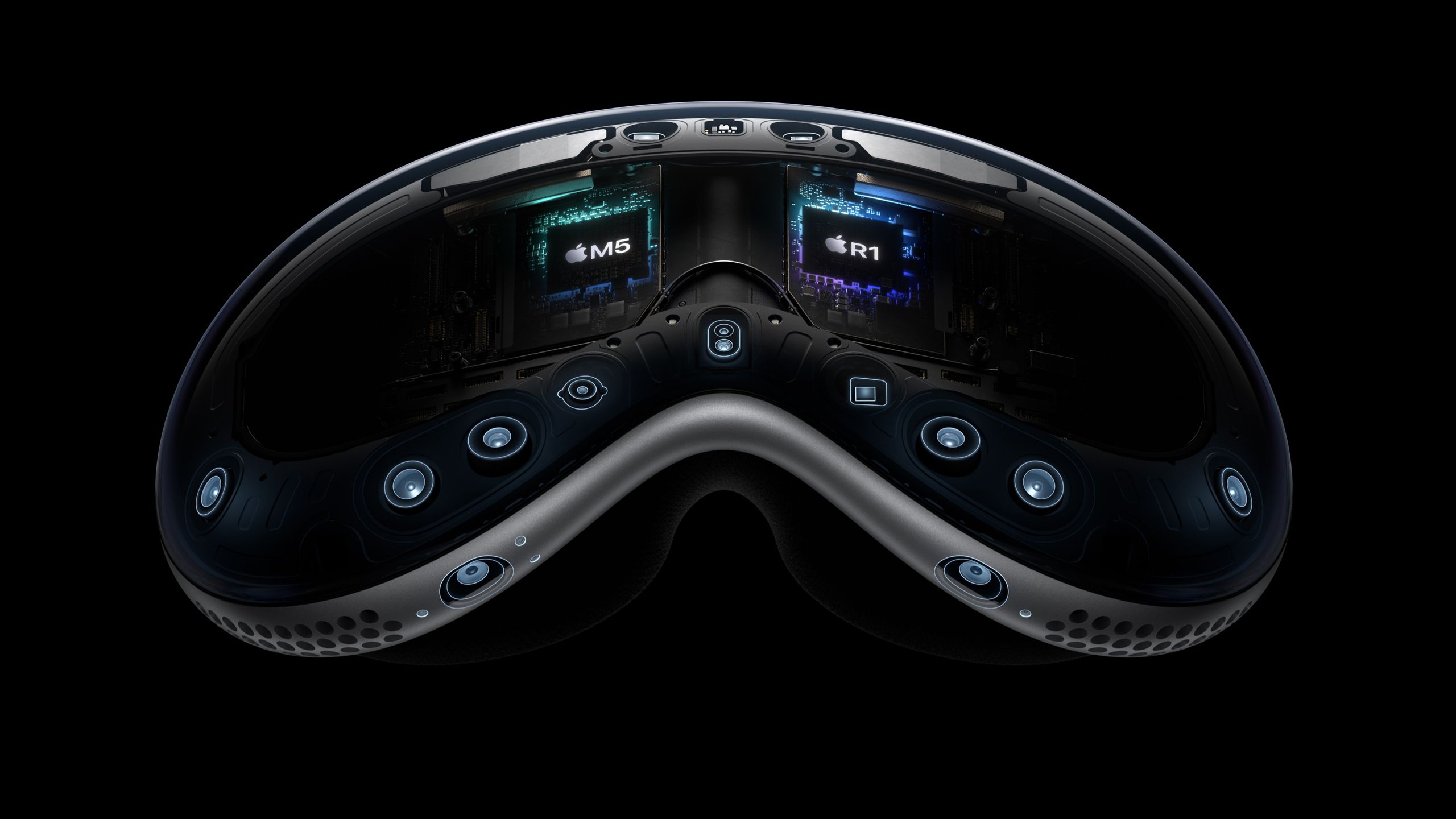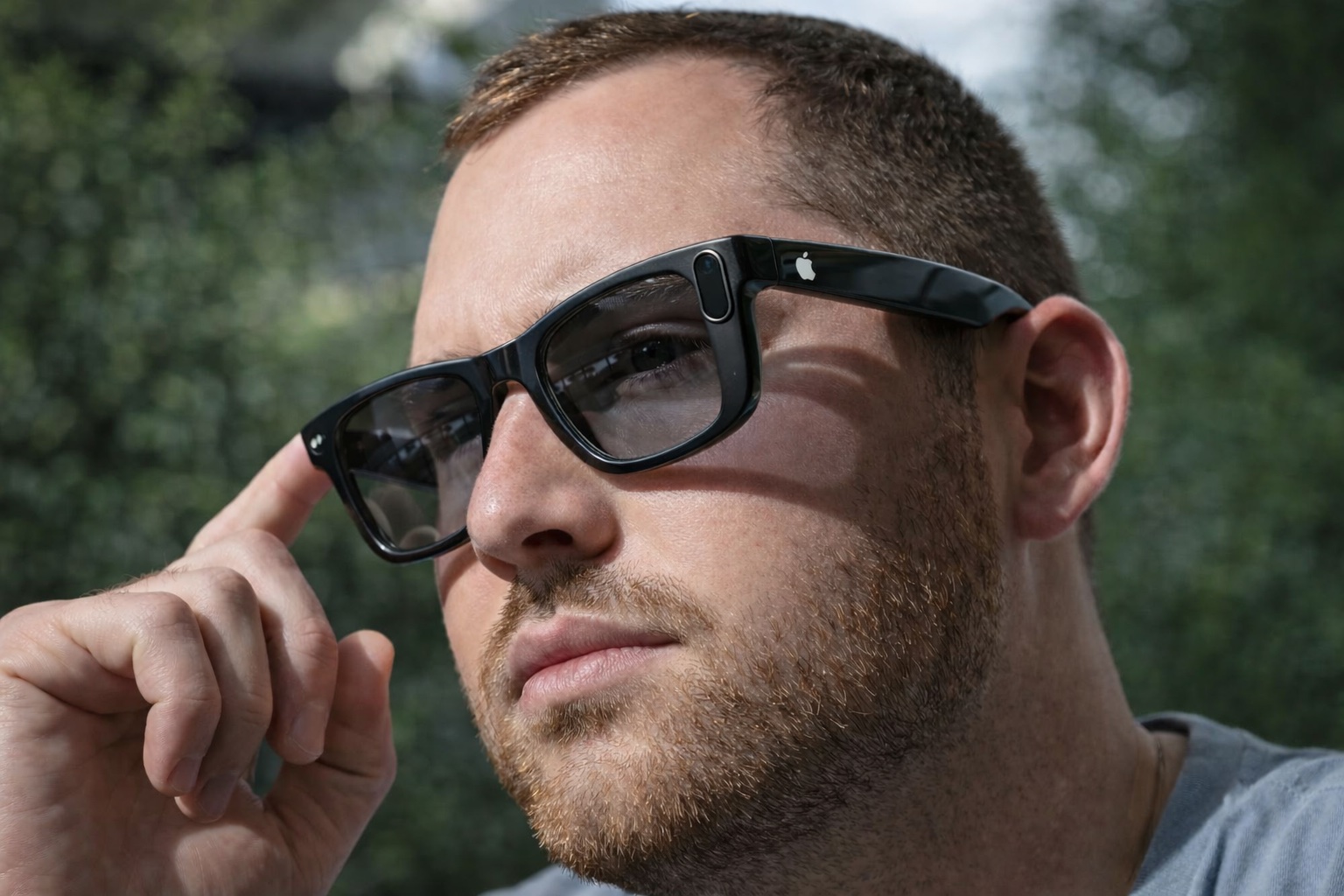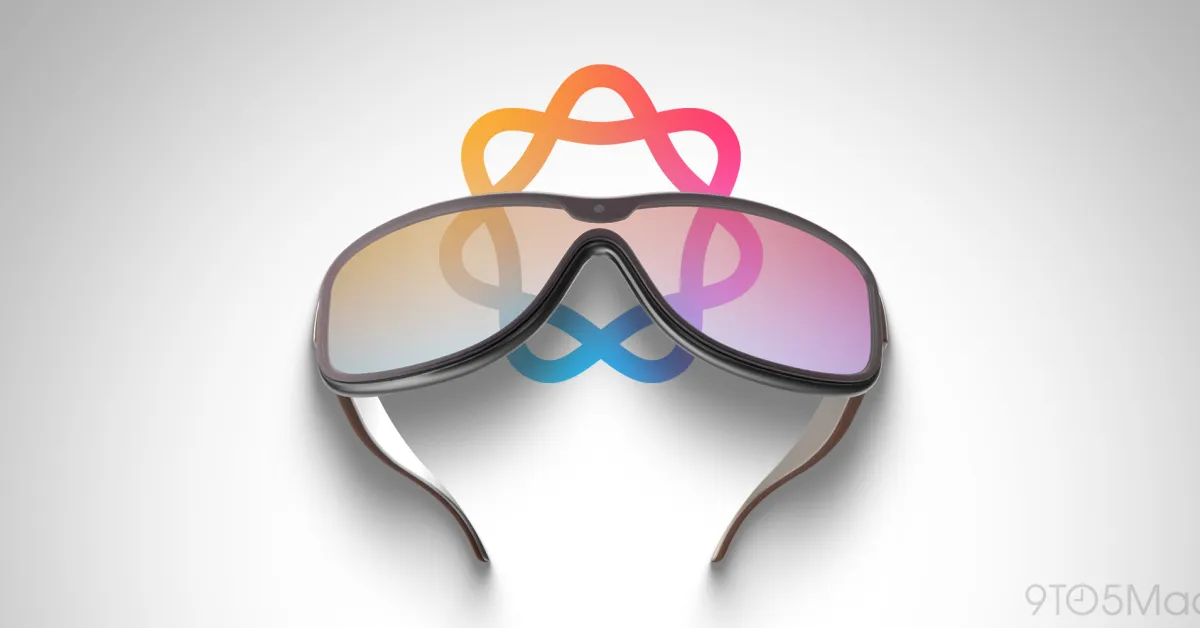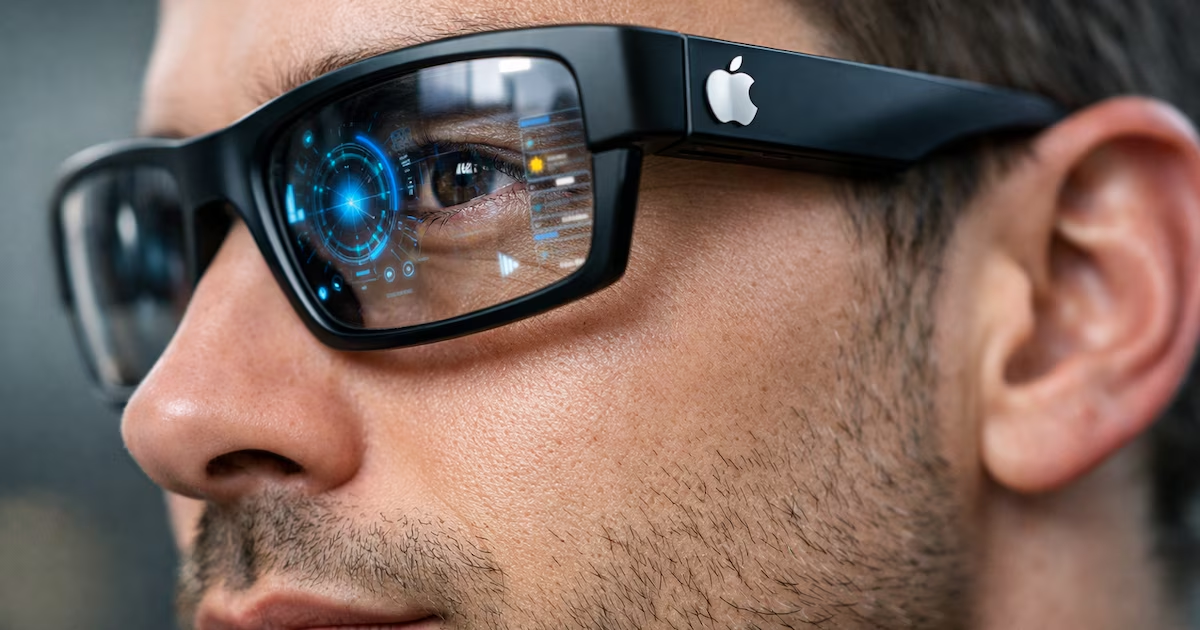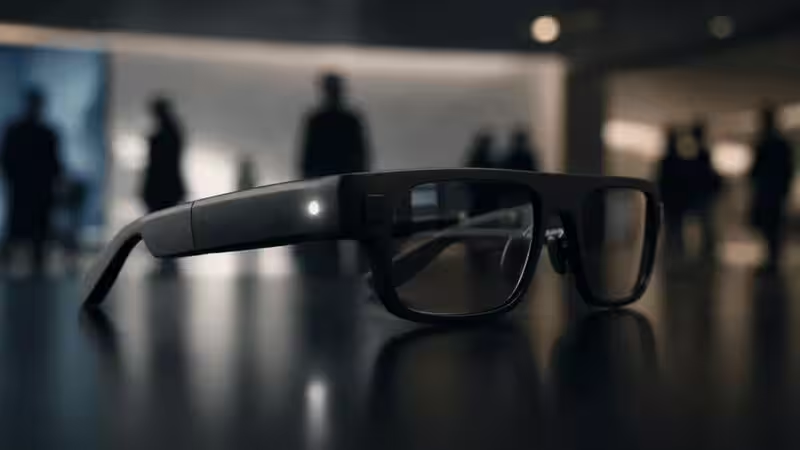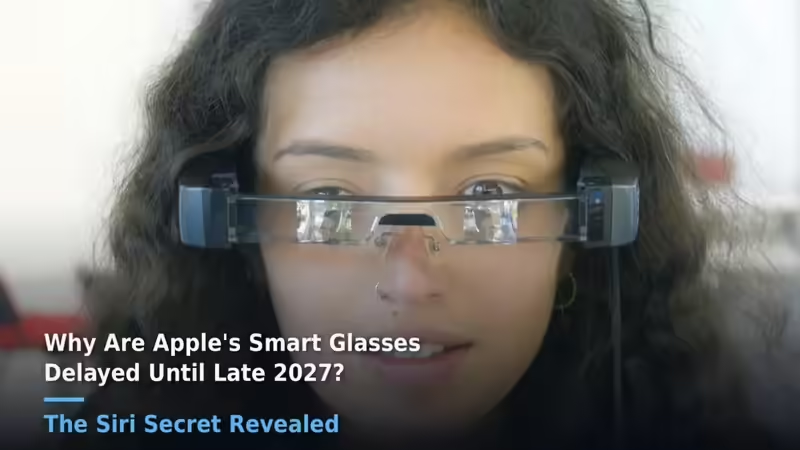
Apple just moved its first smart glasses to late 2027, a full year later than the early-2027 ship date it chased through 2025. Bloomberg's Mark Gurman delivered the slip on 31 May, and the cause sits one product away from the glasses themselves: Siri. The wearable that Tim Cook calls his top priority before he hands Apple to John Ternus on 1 September depends on a revamped assistant that keeps falling behind. Meta has spent more than two years selling the exact product Apple wants to build — cameras, audio, an AI you talk to, all packed into a normal-looking pair of glasses. It already sells that product in India with Hindi support and a Deepika Padukone voice. Apple arrives last, and arrives display-free.The delay every Apple watcher saw comingThe product carries the internal codename N50, and its timeline has been sliding for a while. Apple began researching the category with employee focus groups in late 2024. A year later, in October 2025, it shelved a planned Vision Pro redesign and pushed those engineers toward the glasses. The plan firmed into a late-2026 reveal with an early-2027 ship. Gurman's latest word stretches that to a late-2027 launch, and he is careful to say launch rather than release, which leaves room for the glasses to reach buyers even later than that.Here is the engineering reality underneath the calendar. The N50 sits closer to AirPods or the Apple Watch than to the Vision Pro. It hangs off your iPhone, borrows the phone's compute, and offers cameras, speakers and microphones rather than a screen on the lens. The hard part was always the brain, and the brain is Siri.Apple smart glasses (N50) — what we knowDetailCodenameN50Launch windowLate 2027 (was early 2027)In-lens displayLeft for a later generation, around 2028CamerasOval-shaped, several frame styles testedAudioOpen-ear speakers and microphonesBrainApple Intelligence and the revamped SiriMaterialsPremium acetate; four frame styles (two rectangular, two oval)ColoursBlack, ocean blue, light brownEstimated price$299–$499Projected first-year units3–5 million (Ming-Chi Kuo)Why this is a Siri delay wearing a glasses costumeStrip the glasses down and the bill of materials looks almost humble. Acetate frames, a camera module, a pair of speakers, a battery sized to last a day. EssilorLuxottica and Qualcomm have shown the world that this hardware works; the Ray-Ban Meta line runs a Snapdragon AR1 and ships by the million. Apple can build the object. What Apple keeps failing to build on schedule is the assistant that makes the object worth wearing.A display-free pair of glasses lives or dies on voice. You talk to it, it answers, it sees what you see and tells you something useful about it. That loop demands a Siri that handles multi-turn conversation, holds context and reaches into your apps with confidence. Apple has promised that Siri for two years and delivered slices of it. Gurman names the assistant as the single most consistent source of delay across Apple's entire roadmap, and the glasses inherit every day of that slippage.There is a sharper twist. Reports through 2026 point to Apple leaning on Google's Gemini models to power the rebuilt Siri. The company that sells privacy as a product feature is reportedly renting intelligence from the company whose business is data. WWDC opens on 8 June, and the keynote — Cook's last before Ternus takes over — is expected to centre on exactly this Siri. Whether Apple convinces developers that the new assistant is real will tell you more about the 2027 glasses than any leaked render of an oval camera.The delay also has to be read against what Apple gave up to reach this point. The company cancelled a cheaper Vision headset codenamed N100, parked any Vision Pro sequel until 2028 at the earliest, broke up the Vision Products Group and moved its engineers onto the glasses, the new Siri and a set of camera-equipped AirPods. Apple's whole face-computer effort now orbits the N50. A product this central slipping by a year is the kind of signal that travels through a roadmap.What a day with Apple's glasses looks likePicture the loop Apple is selling. You glance at a restaurant and ask what people make of it; the cameras read the signage and Siri pulls the reviews. You face a menu in a language you struggle with and the glasses translate it in your ear. You walk an unfamiliar lane and turn-by-turn directions arrive as quiet audio rather than a phone held at arm's length. A call comes in and you take it through the open-ear speakers while your hands stay free. Music, messages, reminders, and a camera for the photo your phone would have missed — the glasses become the slice of the iPhone you wear on your face.Apple has a name for the seeing-and-answering trick: Visual Intelligence, the camera-fed feature that turns what you look at into something Siri can act on. Point the glasses at a plant and get the species; read a foreign sign and get the meaning. Google showed the same idea with Gemini at I/O, and Meta AI already runs a version of it on Ray-Ban glasses today. The demo looks identical across all three. The winner will be whoever's assistant answers fastest and gets it right most often, which points back, once again, at Siri.The party started two years ago, and Meta is hostingTreat the smart-glasses market like a race and Apple arrives last on a grid that has already completed two pit stops. Meta holds 72.2 per cent of the XR market, per IDC's March 2026 tracker. Xiaomi sits at 4.2 per cent, XREAL at 2.3 per cent, Viture at 1.5 per cent. The gap between first and the rest reads less like a leaderboard and more like a margin of victory.Volume backs the share. EssilorLuxottica tripled Ray-Ban Meta sales to more than seven million pairs in 2025. IDC put global XR shipment growth at 44.4 per cent year-on-year for the same year, driven mostly by display-free AI glasses rather than bulky VR headsets. The category Apple plans to enter in 2027 has already turned into a real business, and Meta owns most of it.Then there is the chasing pack. Google and Samsung previewed their Android XR glasses at I/O 2026 with a partner list that doubles as a strategy: Warby Parker for accessible eyewear, Gentle Monster for fashion, XREAL on the technical side. Samsung's first pair, codenamed Jinju, reportedly carries a 12-megapixel Sony sensor, the same Snapdragon AR1 Meta uses, photochromic lenses and a 50-gram frame, priced around $380 to $500. The plan leads with an audio-first pair this autumn — likely alongside the Galaxy Z Fold 8 in July — and follows with a display model later. Gemini does the thinking.The field Apple is joiningStatus (June 2026)DisplayBrainIndicative priceMeta Ray-Ban (Gen 2)Selling worldwide and in IndiaAudio-onlySnapdragon AR1 + Meta AI~$379 / Rs 39,900Meta Ray-Ban DisplaySelling in the USColour waveguideMeta AI$799Samsung "Jinju" (Android XR)Audio pair due this autumnLater modelSnapdragon AR1 + Gemini~$380–500Apple N50Late 2027Audio-only in gen oneApple Intelligence + Siri~$299–499 (estimate)Meta's lead reads commanding, yet it rests on softer ground than the share figure suggests. Early dominance in a young category is a different thing from durable platform control, as IDC's own analysts keep saying. Meta carries regulatory exposure over facial recognition on both sides of the Atlantic, depends on the same Qualcomm silicon its rivals buy, and built its brand on borrowed Ray-Ban heritage rather than its own design language. The whole XR category is forecast to compound at 26.5 per cent a year through 2030, which leaves room for a late entrant carrying the right object. A fast-growing market, a leader with visible cracks, and a product still deciding what it wants to be — that is the kind of gap Apple has walked through before.The case for arriving late, which Apple has made beforeApple has won this exact bet twice. It reached MP3 players after Rio and Creative, smartphones after BlackBerry, smartwatches after Pebble and Fitbit, and it took each category by being patient rather than first. The Apple Watch destroyed the mid-tier watch market it walked into late. Gurman frames the glasses as the same playbook aimed at a bigger target: a $200 billion global eyewear market, hundreds of millions of pairs sold each year, and 2.2 billion people with some form of vision impairment, per the WHO. Even a thin slice of that could outweigh the roughly $17 billion the Apple Watch earns.The form factor flatters Apple too. Glasses are a fashion object before they are a gadget, and Apple has spent a decade becoming a lifestyle brand that happens to sell electronics. Premium acetate, four frame shapes, colours chosen by people who think about colour for a living — that is closer to Apple's comfort zone than to Meta's. The argument writes itself: let Meta teach the world that face computers are acceptable, then sell the version people want to be seen wearing.Gurman adds a longer arc to the pitch. Over time, he reports, Apple believes the glasses could grow into a health device and eventually carry augmented-reality optics that improve how people see — turning a $200 billion fashion-and-correction market into a health and computing one. That second act sits years out, and the first pair has to earn the right to it. Sell enough display-free glasses across 2027 and 2028, and Apple buys itself the runway to put a screen, and then real AR, on your face by the end of the decade. Miss, and the glasses join the Vision Pro as a brilliant object in search of a reason to exist.The lever Apple holds, and the way it might snapPrivacy is the one weapon Apple can swing and the others struggle to copy. Around 47 per cent of would-be smart-glasses buyers cite data concerns, and Meta's plans around facial recognition have drawn fire from regulators and senators in the US and an investigation in the UK. Apple Intelligence was built around on-device compute rather than cloud offload, which hands Apple a story about cameras on your face that Meta and Google can answer only by saying it louder.The Gemini twist is what could blunt the blade. If the smarter Siri that powers the glasses routes queries to Google's models, Apple has to explain where your words go and who sees them. The privacy pitch survives only if Apple keeps the sensitive processing local and treats Gemini as a fallback for the hard questions. That is a fine line to walk while wearing a camera, and Apple will have to walk it in marketing as much as in engineering.India already has its answer, and it speaks HindiWhile Apple finishes its assistant, India has spent a year buying the competition. Meta launched the Ray-Ban Meta Gen 1 here in May 2025 at Rs 29,990, widened distribution to Amazon, Flipkart and Reliance Digital by November, then brought the Gen 2 to market in December at Rs 39,900. In April 2026 it added the Blayzer and Scriber prescription styles from Rs 41,500. Three launches, real shelf presence, and a price ladder that an Indian buyer can read at a glance.Meta also did the local homework Apple has yet to start. The Gen 2 glasses speak Hindi, and Indian wearers can summon a Meta AI voice modelled on Deepika Padukone. That is the kind of localisation that turns a foreign gadget into a domestic product, and it is the work Apple will need to match before a 2027 pair means anything outside metro early-adopter circles. By the time an Apple pair reaches Indian shelves, Meta will have sold here for close to three years, across three glasses generations, a prescription line and Oakley-branded styles. Apple starts that race from the back of the grid.The India contestRay-Ban Meta Gen 2Apple N50 (projected)On sale sinceDecember 2025Late 2027 globally; India laterStarting priceRs 39,900~Rs 35,000–55,000 (post-duty estimate)Where to buyRay-Ban stores, Amazon, Flipkart, Reliance DigitalApple stores and online; eyewear retail still to buildLocal AIHindi support, Deepika Padukone voiceSiri, with Hindi maturity still to proveThe pricing physics deserve a hard look. A $299–$499 product lands in India somewhere around Rs 35,000 to Rs 55,000 once import duty and the Apple premium do their work — sitting directly on top of the Ray-Ban Meta Gen 2. Apple sells phones at the top of the Indian market on brand alone, and it will try the same with glasses. The difference is that a phone is a need and these glasses are a want, and a want priced like a flagship phone meets a smaller audience. Apple also carries a structural disadvantage Meta solved by being born inside an eyewear giant: Apple lacks the optical retail, the prescription-fitting network and the presence in the lens shops where Indians buy spectacles. EssilorLuxottica owns that ground.What to watch over the next 18 monthsThree dates will decide whether late 2027 holds. The first is 8 June, when WWDC shows whether the rebuilt Siri is a shipping product or another promise; the glasses move only once the assistant does. The second is July, when Samsung is expected to put its first Android XR glasses on stage beside the Galaxy Z Fold 8, giving the market a Gemini-powered, display-free pair to buy while Apple is still in the lab. The third is 1 September, when Ternus inherits a roadmap on which Cook has staked his final product priority — and inherits the job of shipping it.Apple is betting that the glasses category in 2027 will look the way the smartwatch category looked when it arrived: messy, early, and waiting for the one company that makes the object people want on their body. That bet has paid off before. The risk this time is that the thing standing between Apple and the win is the same thing that has stood in its way for two years, and it answers to the name Siri.FAQ block When will Apple smart glasses launch?Late 2027, per Bloomberg's Mark Gurman on 31 May 2026. The launch slipped from an earlier target of late 2026 reveal and early 2027 shipping.How much will Apple smart glasses cost?An estimated $299 to $499, which works out to roughly Rs 35,000 to Rs 55,000 in India after import duty. That places them in the same band as Meta's Ray-Ban range.Will Apple smart glasses have a display or AR?The first generation is audio-only, with cameras and Siri rather than an in-lens screen. Apple is expected to add an augmented-reality display in a later model around 2028.Why are Apple's smart glasses delayed?The glasses depend on a rebuilt Siri, which Gurman calls the single most consistent source of delay across Apple's roadmap. The hardware is ready; the assistant holds the timeline.How do Apple glasses compare to Meta Ray-Ban?Both use the camera-and-audio formula without a display. Meta leads with 72.2 per cent of the XR market and already sells in India; Apple's edge is on-device privacy, iPhone integration and design.Are Apple smart glasses available in India?Not at launch. The global release is late 2027, with India arriving later. Meta's Ray-Ban glasses already sell in India from Rs 39,900, with Hindi support and a Deepika Padukone AI voice.What is the codename for Apple's smart glasses?N50. Apple's cancelled cheaper Vision headset carried the codename N100.end of article
Why Are Apple's Smart Glasses Delayed Until Late 2027? The Siri Secret Revealed
Apple's first smart glasses, codenamed N50, are expected to launch in late 2027 — a year later than planned — according to Bloomberg's Mark Gurman. The display-free glasses use cameras, speakers and Siri, with an estimated price of $299–$499. The delay traces to Apple's unfinished Siri overhaul. Meta and Samsung reach the market first.
2,527 words~11 min read