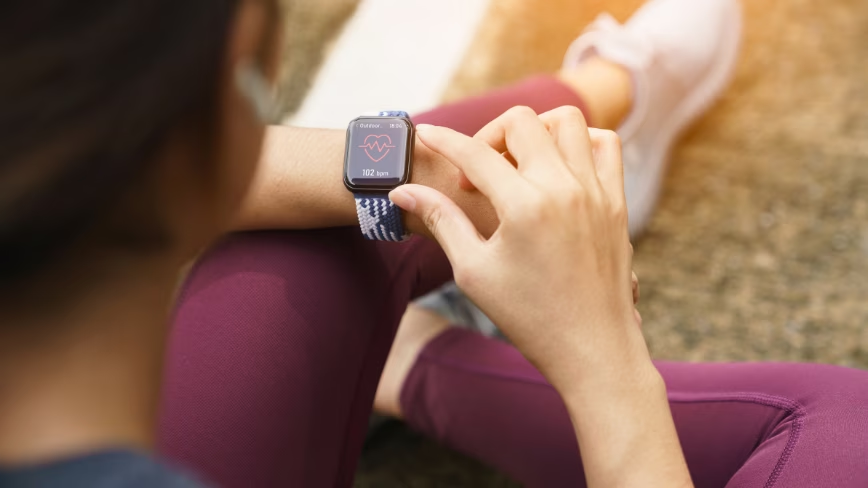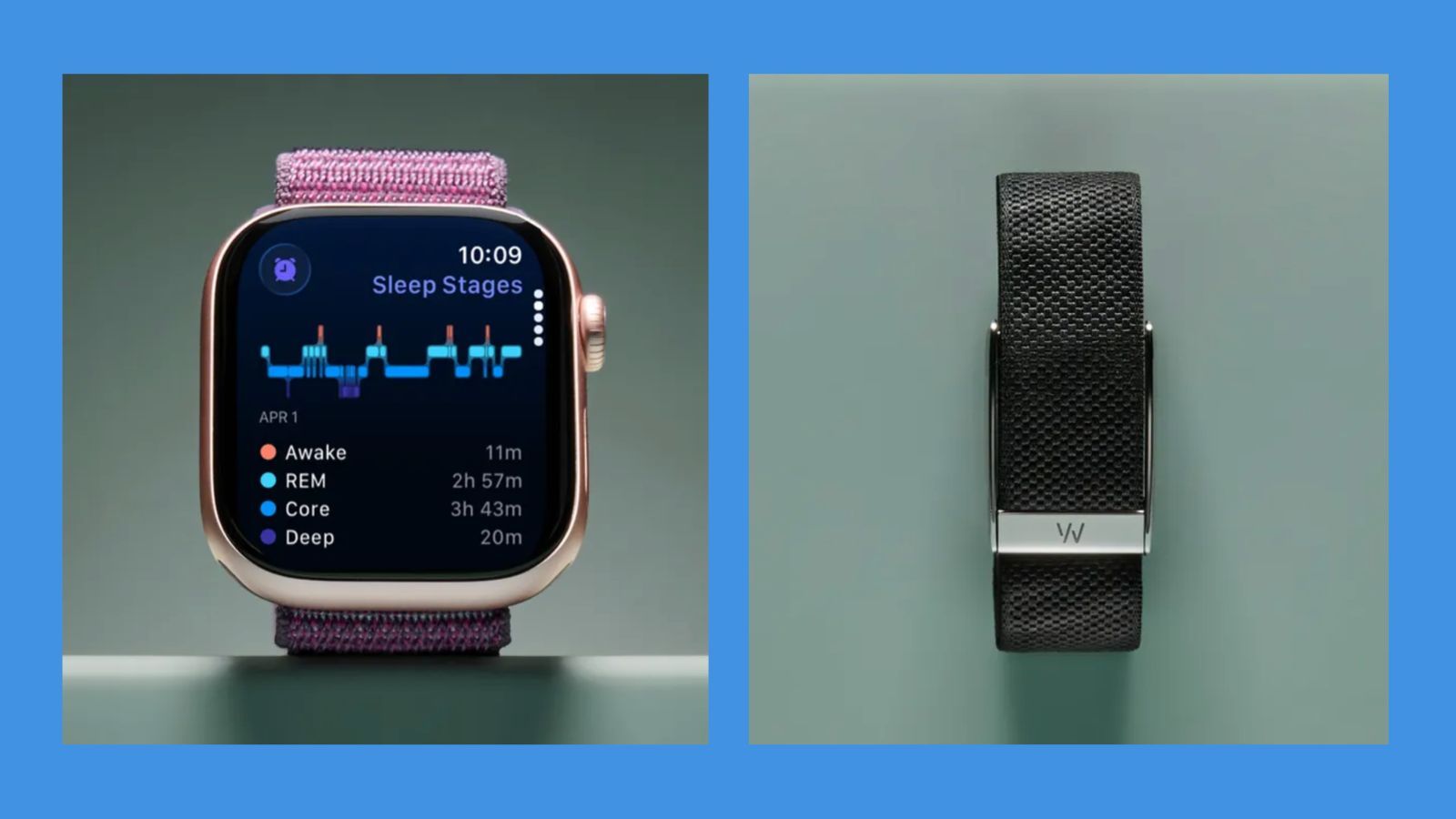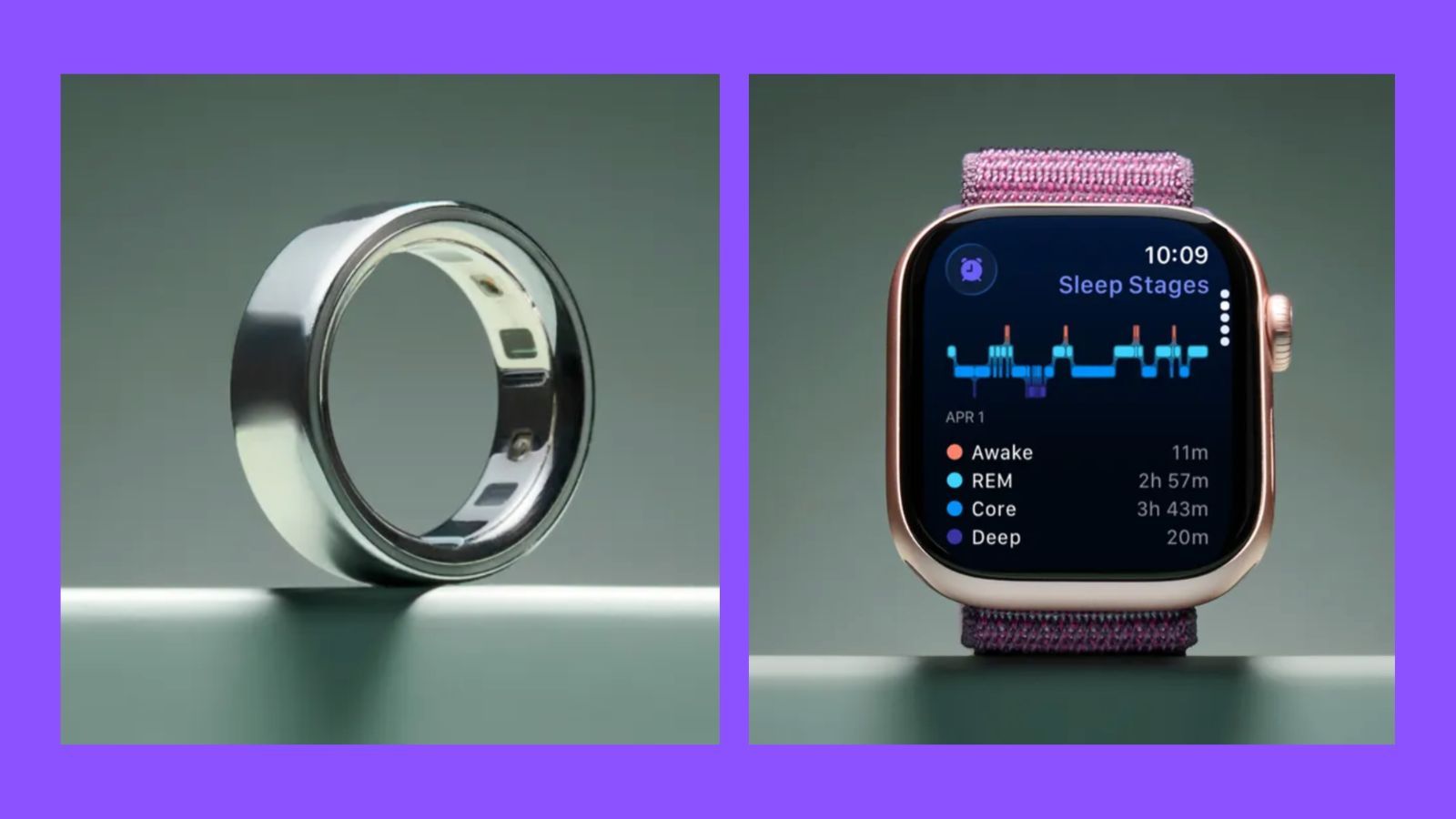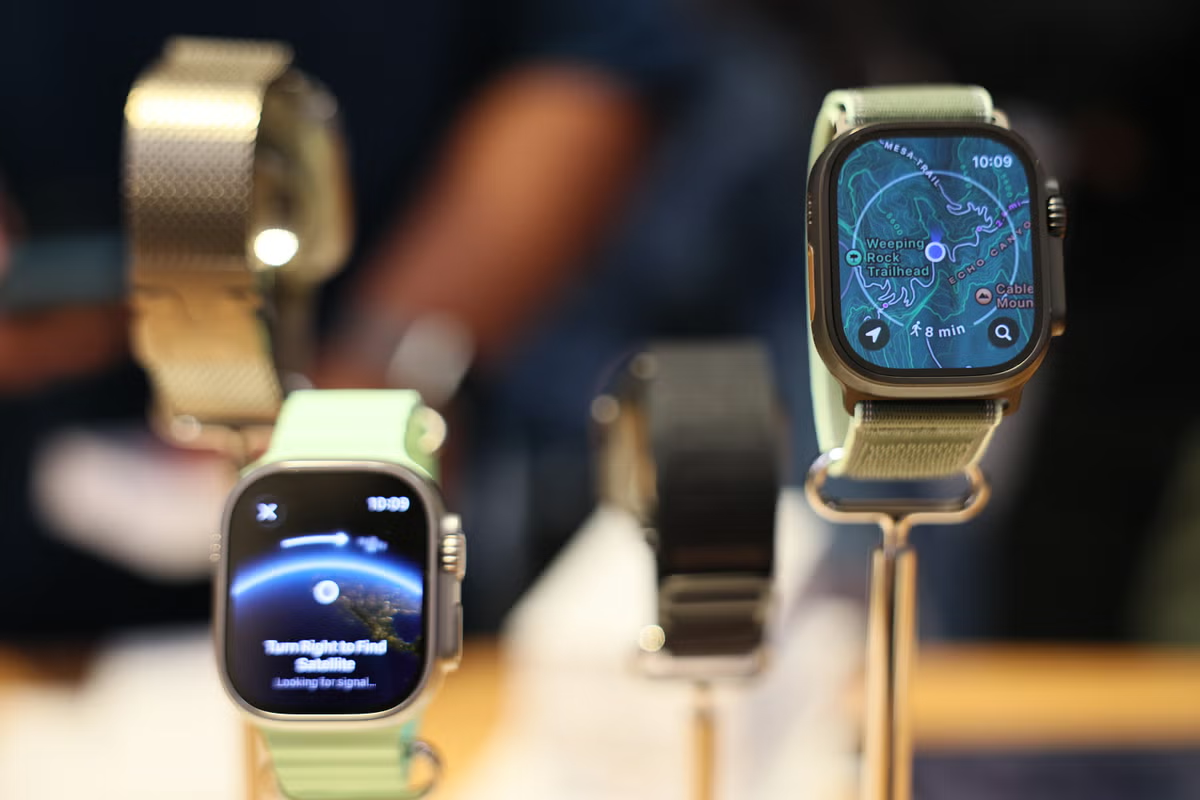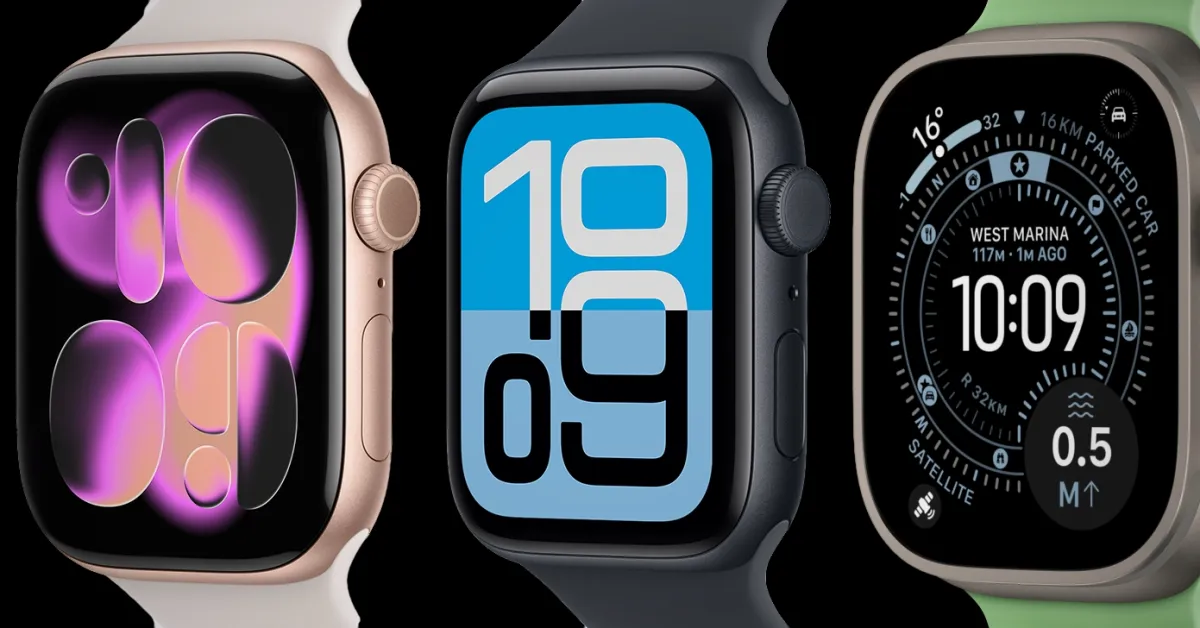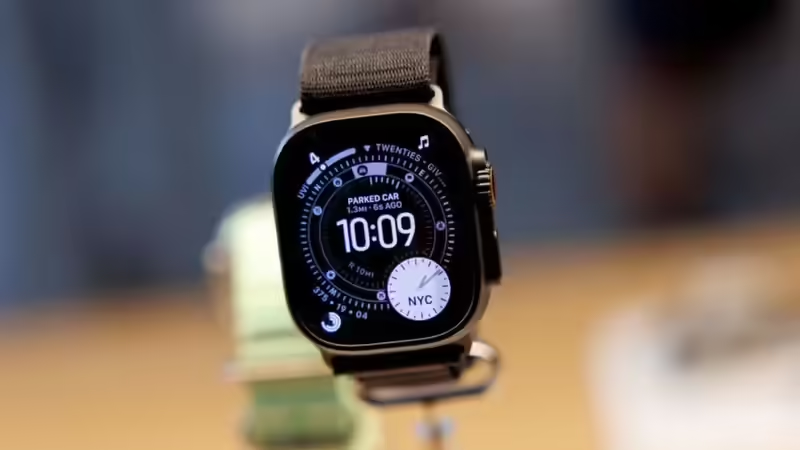
Photo credit: X/@businessApple Watch shipped 33.3 million units in 2025 and led the global smartwatch market by Q4. The category Apple defined is now splitting in two - wrist-computers on one side, screenless sensors on the other. The shelving of Apple's Project Mulberry AI coach in February 2026 has handed Oura and Whoop a window. The next 18 months will decide whether Apple builds the second category itself or watches the smart-ring tier take it from the side.Apple Watch is the most successful wearable ever shipped. The market it leads has started to ask whether a screen on the wrist is the right answer at all.Counterpoint Research data published in February 2026 marked Apple's first annual Apple Watch growth since 2022. The company shipped 33.3 million units during the year, an 8 per cent rise. Apple held roughly 32 per cent of the global smartwatch market in Q4 2025, per Counterpoint. The headline number is fine. The story behind it is more complicated. IDC's full-year data flagged a separate sub-trend - wristbands grew 14.7 per cent in 2025, with the growth driven by recovery-focused, screenless devices "inspired by the success of screen‑less health wearables such as Whoop". That is a polite way of saying the smartwatch's adjacent category is now its competition. IThe wearable category Apple defined is splitting. On one side sits the wrist-computer playbook - apps, notifications, a Retina display, a daily charge. On the other sit sensor-first devices that ask the user to look at them as little as possible. Oura, Whoop and the broader smart-ring tier are running the second playbook. The Apple Watch is still running the first.What is changing in the wearable market? For a decade, the playbook was additive. Bigger displays, more apps, deeper phone pairing, more notifications. Apple ran that playbook better than anyone, and every Wear OS rival tried to copy it. The category grew on the back of that idea.The new category runs the opposite playbook. Oura Ring 4, launched October 2024, has up to eight days of battery life, finger-worn, screenless, with the data surfacing on a paired phone. The Whoop MG and 5.0, launched May 2025, run for more than 14 days on a single charge, both screenless. The Whoop MG is FDA-cleared for ECG and offers Blood Pressure Insights, medical-grade features at the Apple Watch tier, delivered on a band designed to disappear from view.Industry watchers call this "ambient computing" or "invisible computing". The behavioural shift behind it is the more telling part. A consumer wearing four screens at once - laptop, phone, tablet, smartwatch - and ignoring notifications across all of them is at this point willing to buy a fifth device that promises silence. Recovery scores, sleep stages and stress trends land once a day on the phone. The wearable disappears.How does the Apple Watch compare to Oura and Whoop?FeatureApple Watch Series 11Oura Ring 4Whoop MG (Life tier)DisplayAlways-on OLEDNoneNoneBattery lifeUp to 24 hoursUp to 8 days14+ daysCore functionSmartwatch, fitness, health alertsSleep, recovery, readinessStrain, recovery, ECG, blood pressureNotificationsFullNoneNoneForm factorWristwatchSmart ringScreenless bandPricing modelOne-time hardware, from Rs 46,900Hardware purchase plus monthly subscriptionAnnual subscription, hardware includedPrimary buyerMass-market iPhone userWellness-led professionalAthlete, longevity-focused userBattery life and sensor count are surface attributes. The defining axis is philosophy. Apple sold the wrist-computer. The new entrants are selling something closer to a coach.Open the Whoop app and the first screen is a recovery percentage. Open the Oura app and the first screen is a Readiness score. Both compress the day's biometric data into a single number that tells the user what to do - train hard, train easy, sleep more, drink less. The interpretation is the product. The sensor is the input.Apple Watch surfaces individual metrics - heart rate, blood oxygen, sleep stages, training load - and assumes the user knows what to do with them. That worked when the wearer was a tech enthusiast. It is starting to fail as the audience widens to buyers who want a verdict rather than a dashboard.Why AI coaching has become the next wearable battleground The Oura and Whoop playbook only works because of the model behind the sensor. Both companies have invested at scale in machine-learning systems trained on hundreds of millions of nights of sleep data and billions of heart-rate hours. The score the user sees is the output of a model that compares 30 days of personal data against population averages for the same age, weight and gender. The model explains. It predicts. It flags a depressed HRV reading the morning before the wearer feels sick.That is the territory Project Mulberry was supposed to occupy. Bloomberg's Mark Gurman first reported on Cupertino's AI-powered Health+ service in 2023 under the internal codename Quartz, which morphed into Mulberry as the broader Apple Intelligence push took over the conversation. The plan: an AI coach trained on data from on-staff physicians, capable of personalised nutrition, sleep, stress and exercise guidance drawing from Apple Watch and iPhone sensor data.In February 2026, Gurman reported that Apple had scaled back Project Mulberry as a unified service, with features rolling out individually within the Health app instead. Individual features - workout analysis from the iPhone camera, food logging, AI-driven health alerts - will roll out across iOS 27 and watchOS 27 later in 2026. John Giannandrea, Apple's senior vice president of machine learning and AI strategy, is retiring in spring 2026, with parts of his organisation absorbed into Craig Federighi's software engineering group. Apple's biggest single answer to the Oura-Whoop playbook has been pulled apart and stretched over a longer release timeline. Oura and Whoop are already shipping the version Apple has yet to ship. Whoop MG was named to TIME's Best Inventions of 2025 list. Oura is valued in the billions and is sharing data with the US Department of Defence and university research consortiums. Whoop has signed partnerships with the NBA, the PGA Tour and Formula 1 teams.What does the screenless wearable shift mean for India? India's smartwatch market grew on the cheap end through 2023 and 2024. Noise, Boat, Fire-Boltt and Realme TechLife shipped budget devices that competed on price and display size. That tier has now saturated. Counterpoint's India wearable data has shown declining entry-tier shipments for several consecutive quarters, with users either skipping their next upgrade or moving up to the Apple Watch SE 3.The screenless category is what's now expanding. Ultrahuman, the Bengaluru-based smart-ring maker, has built one of the few homegrown wearable brands with serious wellness positioning and is now selling internationally. Oura Ring 4 launched in India through authorised resellers in 2025 and sits as an aspirational rather than mass product. Whoop's India distribution runs on subscription. Boat and Noise have both signalled smart-ring product lines.For the Indian premium-tier buyer who already owns an iPhone - the marathon runner, the strength-training founder, the wellness-conscious professional, the decision is starting to shift. The Apple Watch remains the default. The ring or the band is starting to land as a second wearable, a recovery-focused companion to a productivity-focused smartwatch. The direction is signalled by Apple's own product range: AirPods Pro 2 added hearing-aid functionality in iOS 18, and Powerbeats Pro 2 added in-ear heart-rate sensing in 2025. Cupertino sees the health layer as something that spreads across the device portfolio rather than living only on the wrist.Will Apple launch a smart ring or a screenless wearable? The hard question for Apple is structural. Does the company evolve the Watch into something quieter - fewer notifications, longer battery life, a coaching-first interface, or does it ship a second category alongside it?Reporting from Bloomberg, The Information and Apple's own patent activity points at both being in motion. Multiple patent filings cover smart-ring sensors. A screenless health band has been rumoured for years. The Apple health roadmap is multi-device, and the Watch is one player on the team rather than the team itself.Apple's competitors are moving fast. Google's Fitbit, after the long rebuild under Sundar Pichai, has moved into AI-coaching territory with the Pixel Watch 4 and Fitbit Premium. Samsung's Galaxy Ring 2 is now expected to arrive in early 2027 rather than 2026, according to South Korean reporting from ETNews. Garmin holds the high end of the athletic tier. Oura and Whoop hold the wellness and recovery tier. Apple sits at the mass-market intersection, and that ground is now being squeezed from both directions. The next decade of wearable competition will run on a different axis from the last one. Apps, screens and processor benchmarks defined the first era. Sensors, AI interpretation and battery silence will define the second. The Apple Watch can still win that race. The question is whether Cupertino is already racing.Frequently Asked Questions Is the Apple Watch still the market leader in 2026? Yes. Apple Watch led global smartwatch shipments in Q4 2025 with roughly 32 per cent market share, per Counterpoint Research. The Apple Watch portfolio shipped 33.3 million units during 2025 with 8 per cent year-over-year growth - Apple's first annual growth since 2022. The competitive pressure is at the category level, with screenless wearables expanding alongside the smartwatch.What is "invisible computing" in wearables? Devices that collect health and biometric data in the background, with insights surfacing on a paired phone rather than on the wearable itself. The Oura Ring 4 and Whoop MG band are the leading examples in 2026.Which has the longest battery life - Apple Watch, Oura Ring or Whoop? Whoop MG runs more than 14 days on a single charge. Oura Ring 4 runs up to 8 days. Apple Watch Series 11 runs up to 24 hours, with longer endurance in Low Power Mode.Is Apple making a smart ring? Apple has filed multiple patents covering smart-ring sensors and finger-worn biometric devices over the past decade. Apple has yet to announce a product. Industry analysts including Bloomberg's Mark Gurman have reported continuing Apple R&D in wearable form factors beyond the wrist.What happened to Apple's AI health coach? Apple scaled back Project Mulberry - the unified AI-powered health coaching service internally codenamed Quartz and tentatively branded Apple Health+, in February 2026. Individual features will roll out across iOS 27 and watchOS 27 later in 2026. John Giannandrea, Apple's senior vice president of machine learning and AI strategy, is retiring in spring 2026.What is the best wearable for sleep and recovery tracking? Oura Ring and Whoop are purpose-built for sleep, recovery and stress tracking, with AI coaching layers built around those metrics. Apple Watch Series 11 added a Sleep Score feature in watchOS 26 and tracks HRV and sleep stages, but treats them as components of a broader smartwatch rather than the primary purpose.end of article
Apple: Apple Watch Faces Its Hardest Test as Oura, Whoop Reshape Health Tracking
Apple built the smartwatch category. The screenless wearable is now coming for it.
1,765 words~8 min read