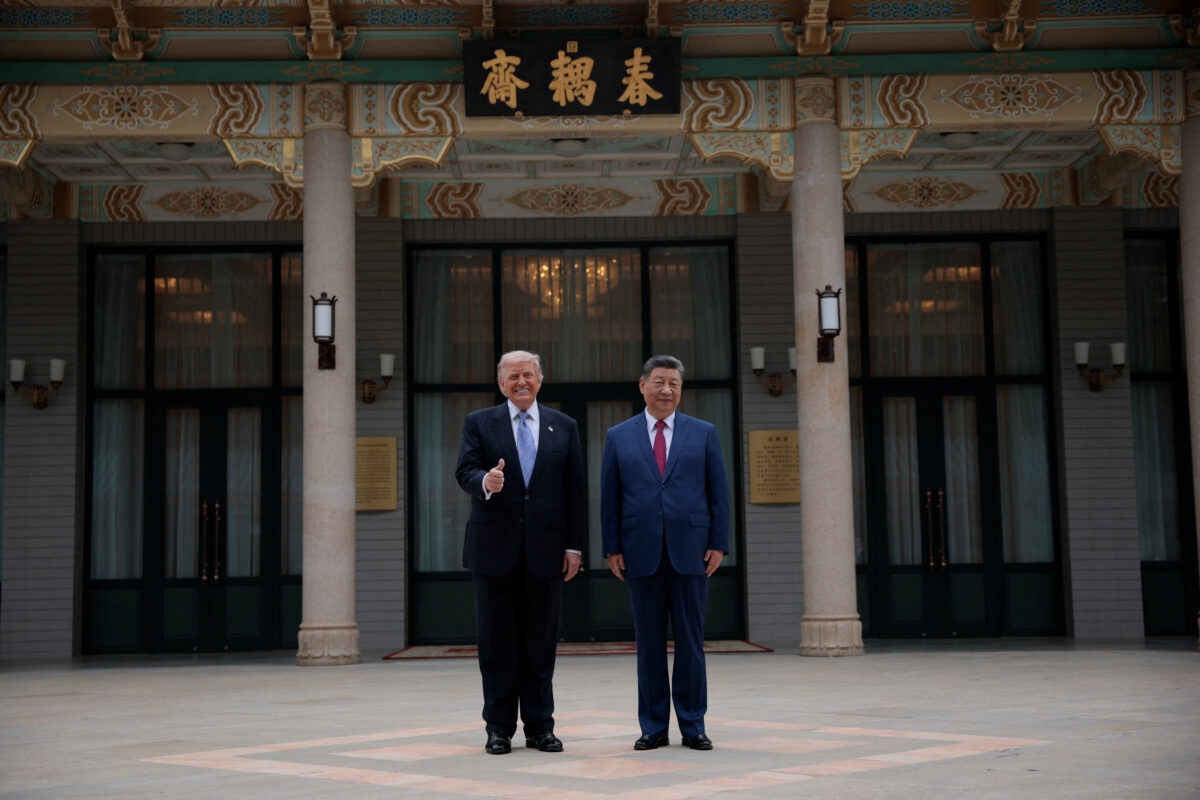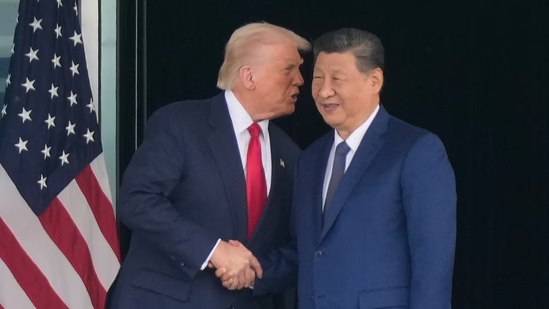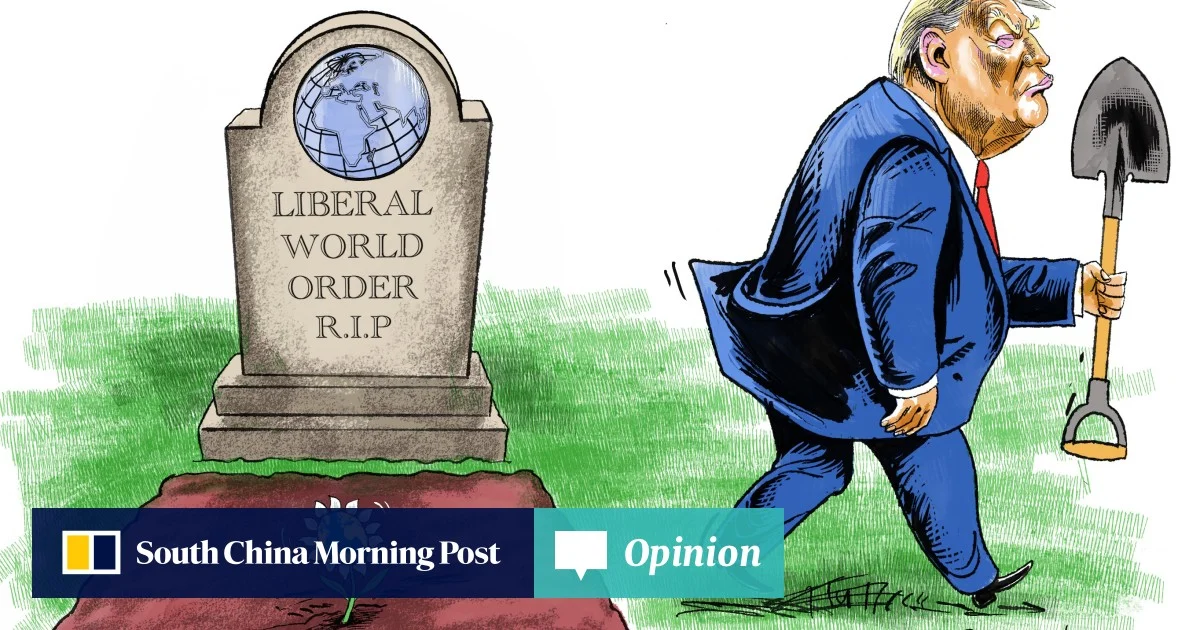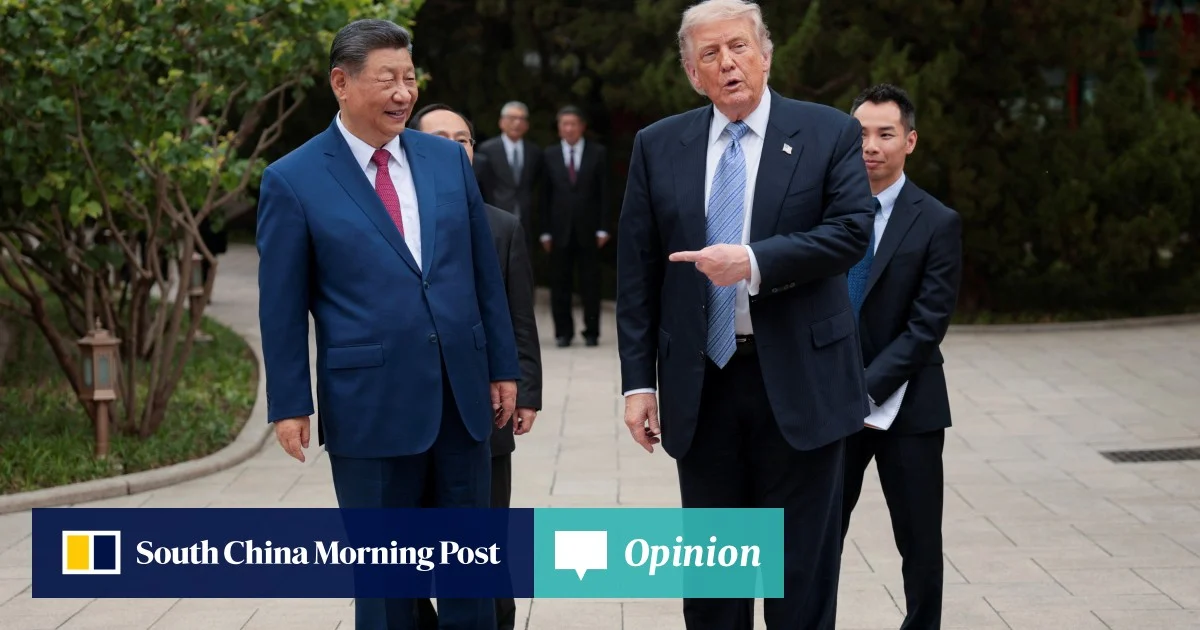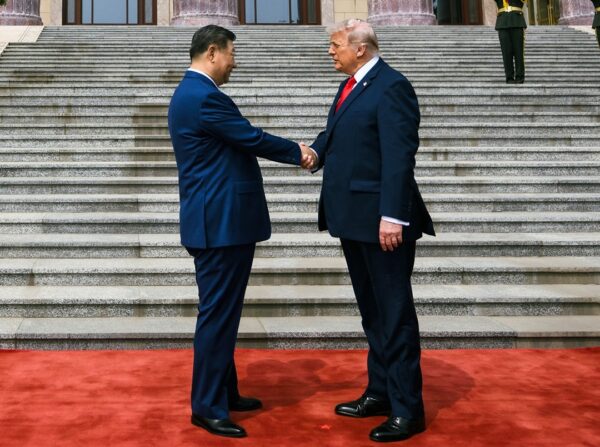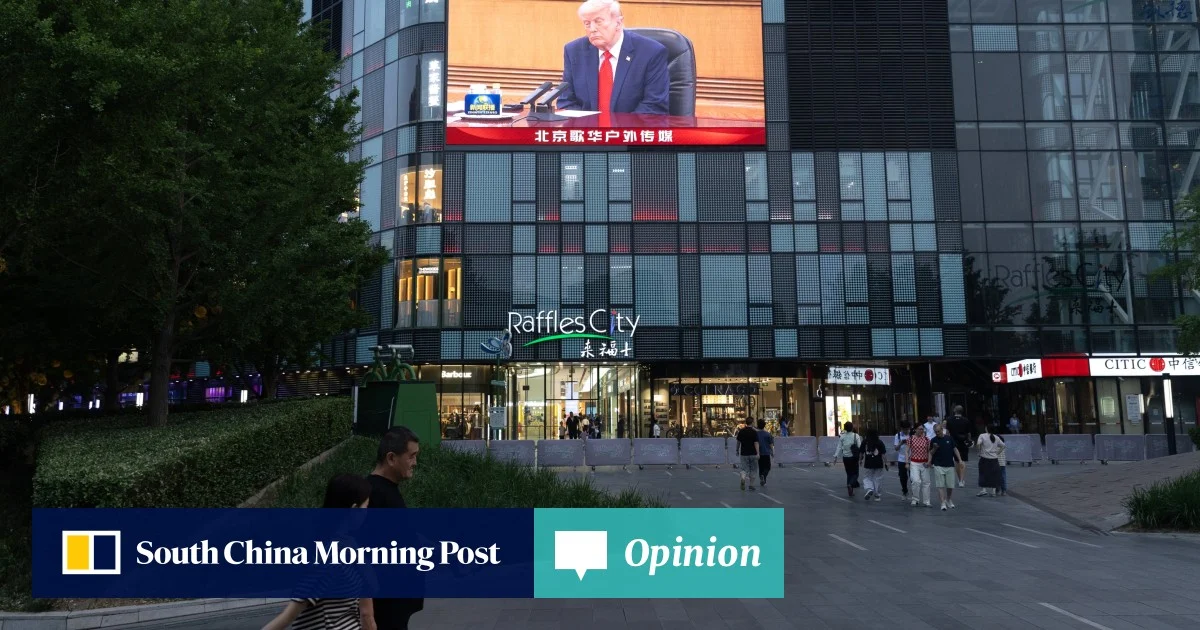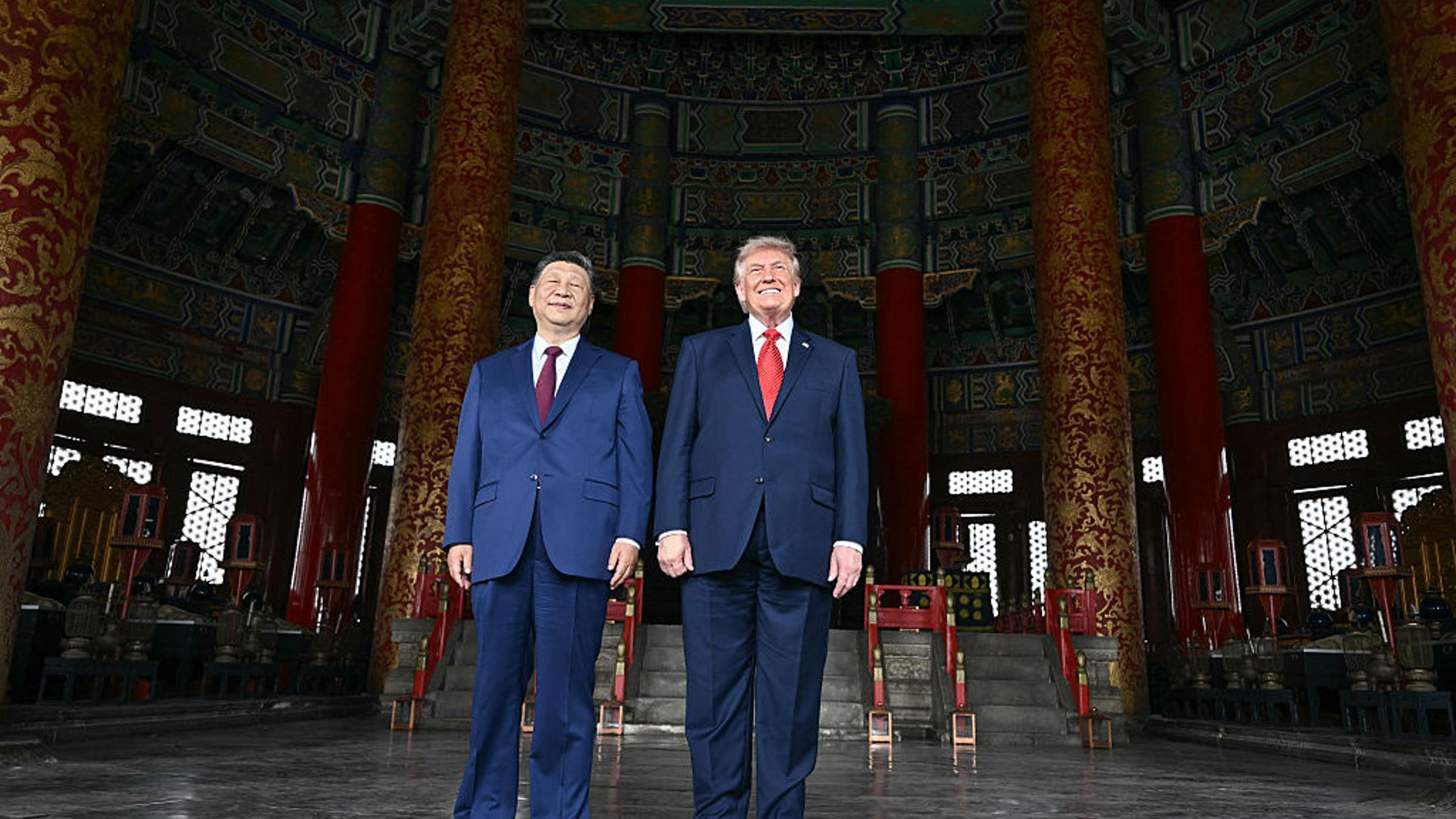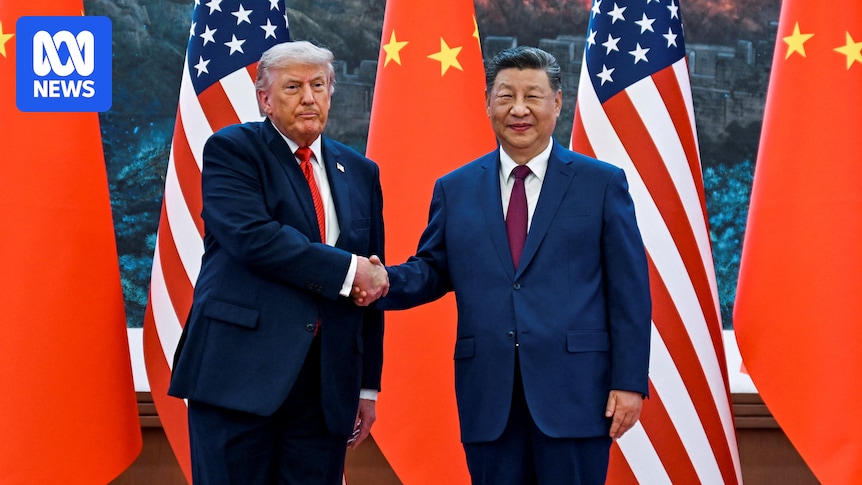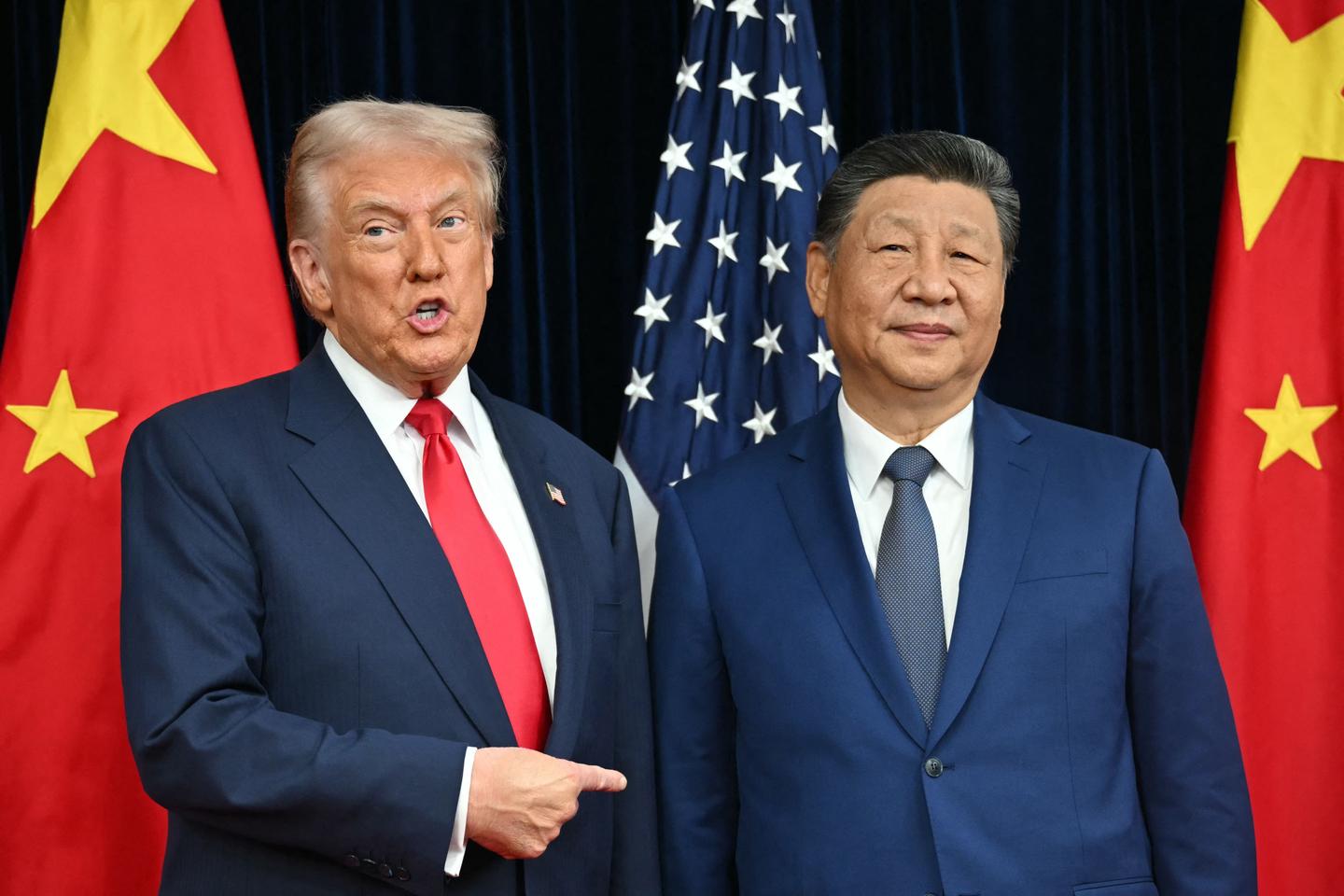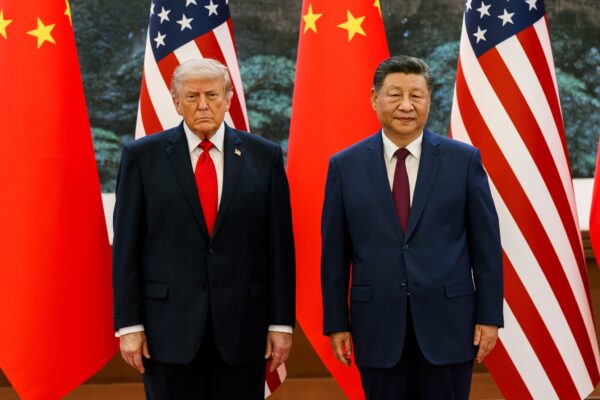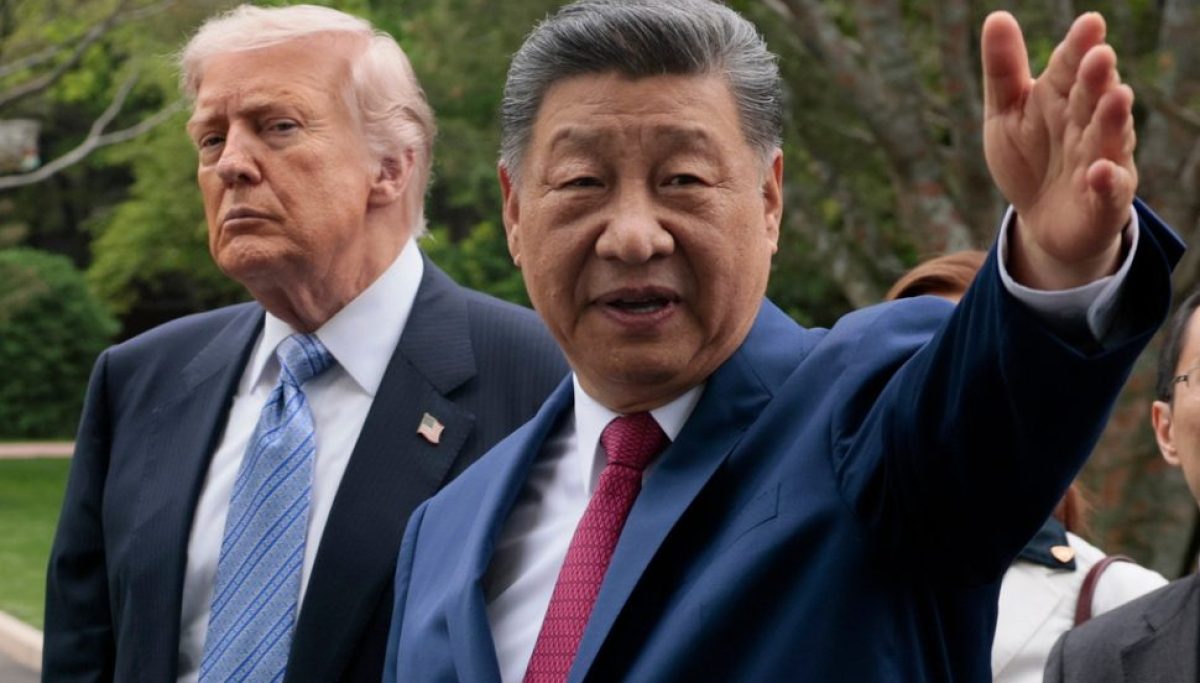
The Beijing summit between President Donald Trump and Chinese President Xi Jinping did not ease the strategic rivalry between the United States and China. It only highlighted how deep, structural, and long-term that rivalry has become.What we are witnessing is Cold War 2.0 — not a replay of the Soviet confrontation, but a far more sophisticated struggle built on economic dependency, technological control, and supply-chain dominance.The Soviet Union tried to defeat America from the outside. China chose a smarter and more patient strategy: it integrated itself into the American-led global system, used Western markets and universities to fuel its rise, and quietly positioned itself at the center of the industries that define 21st-century power.
TRUMP’S CHINA VISIT IN THE REARVIEW
Beijing studied the Soviet collapse and drew a clear lesson: military strength without economic and technological depth is ultimately hollow. While keeping absolute control under the Communist Party, China selectively opened its economy to Western capital, technology, and markets. It weaponized globalization rather than rejecting it.
The results are striking. In 1990, China’s economy was just 6% the size of America’s. Today, it stands at more than three-quarters of America’s size. It has used the West’s own methods to close the gap with remarkable speed.