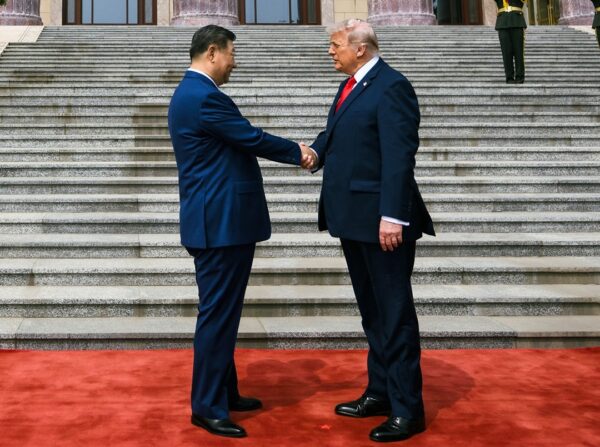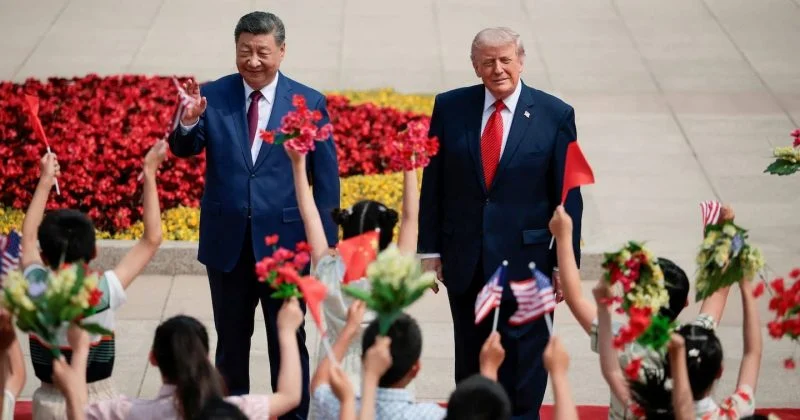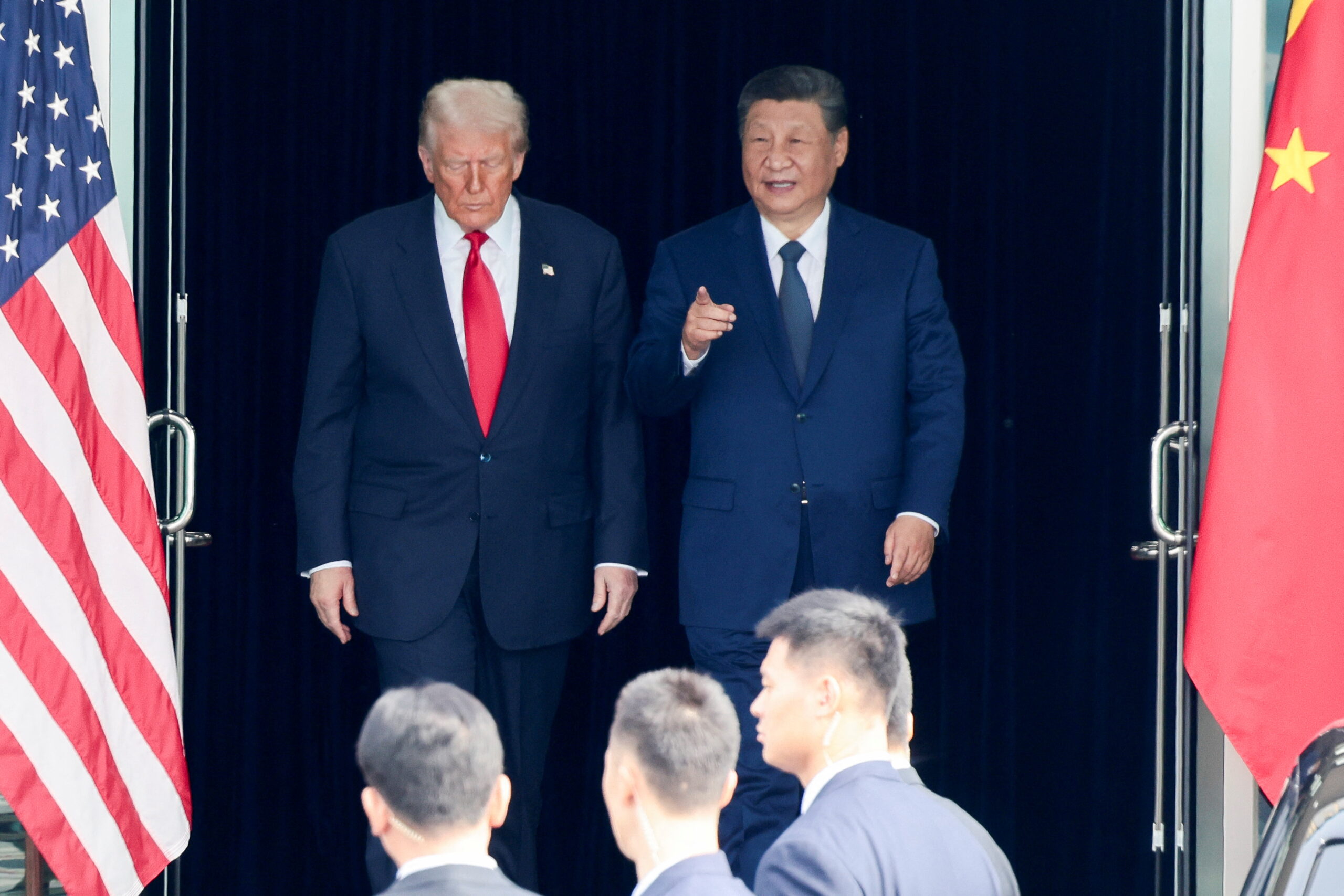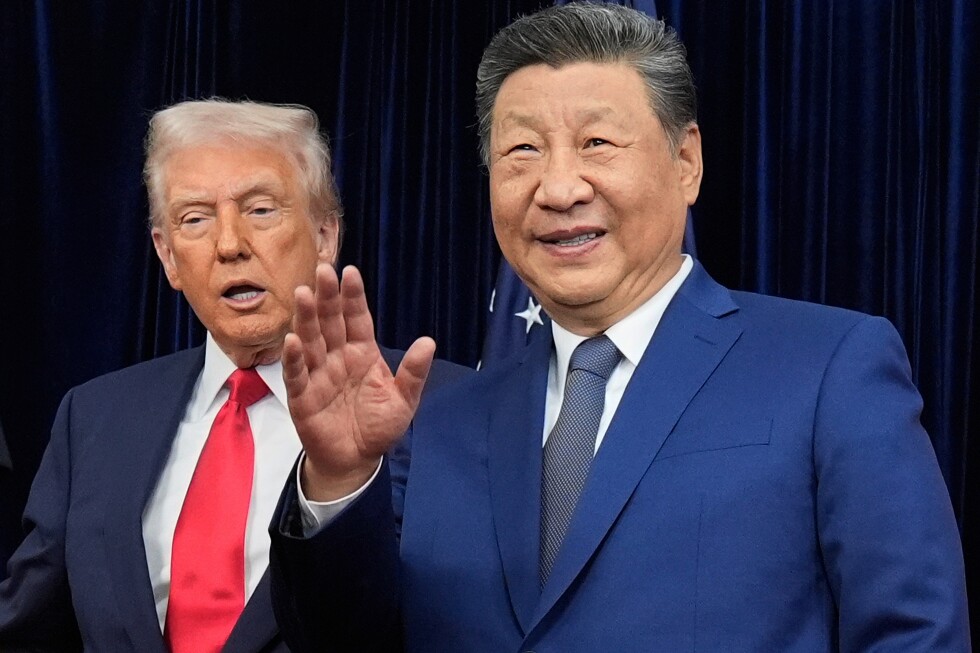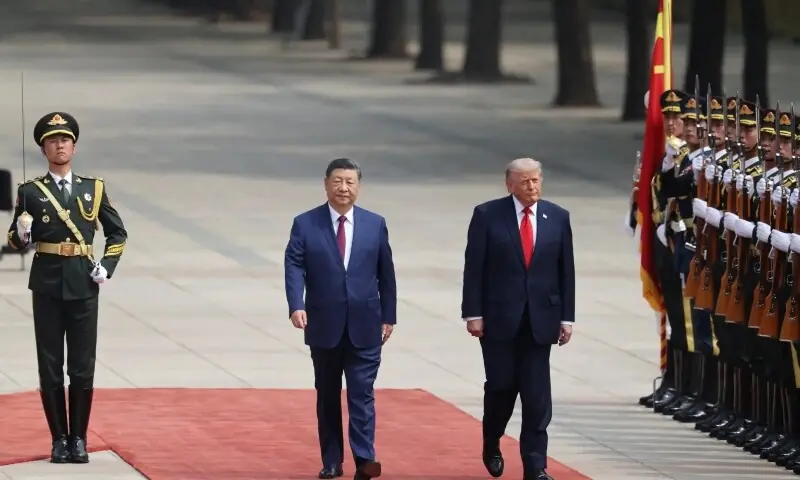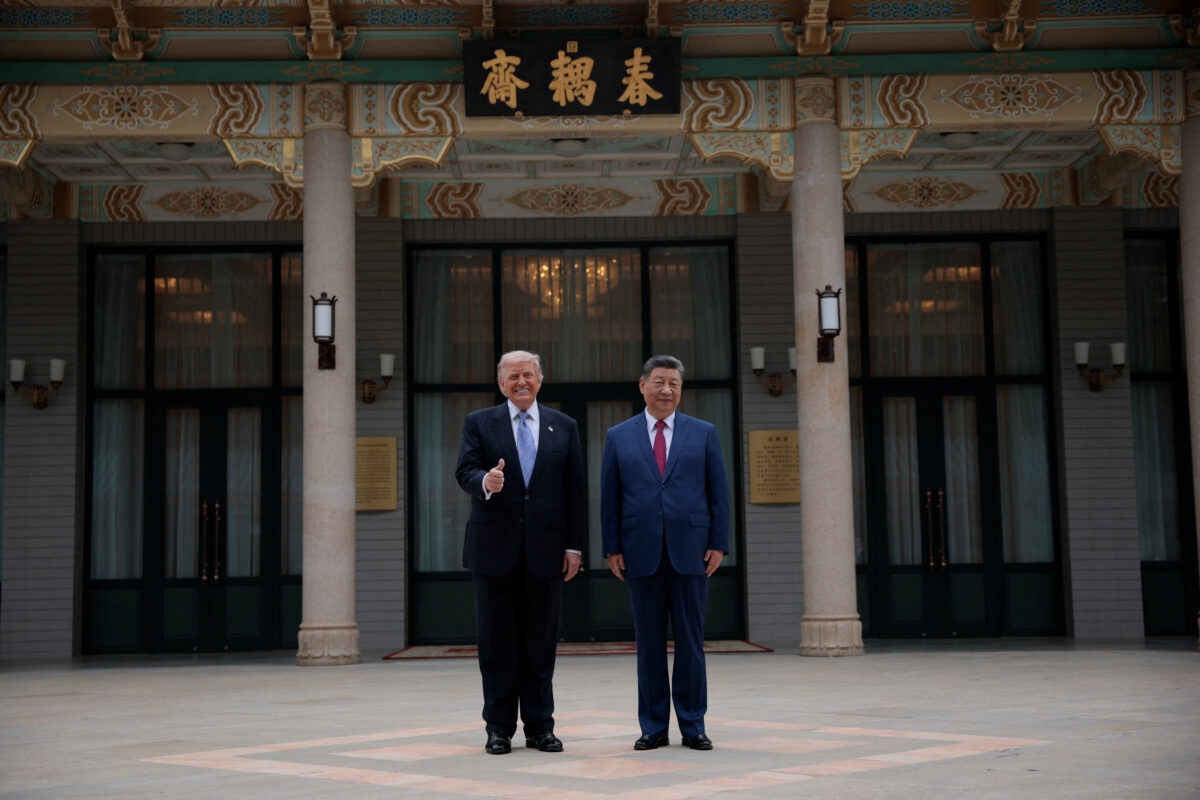
When Xi Jinping and Donald Trump met in Beijing in mid-May 2026, the summit served as a critical stress test for a global system fatigued by tariff wars, technological decoupling and hardening geopolitical rhetoric. Expectations were mixed: while a definitive breakthrough was always unlikely, the spectre of a complete breakdown in economic dialogue — and with it, an unchecked escalation of the trade and technology wars — hung heavy over the global economy.
The immediate assessment of the summit revealed a glaring gap in US diplomatic capacity — a vulnerability that Beijing was uniquely positioned to exploit.
As Susan Shirk argues in the first of this week’s three lead articles, the Trump administration’s hollowing out of the US diplomatic and national security bureaucracy has resulted in severe ‘diplomatic malpractice’. Stripped of Asia expertise which typically orchestrates the gruelling mid-level preparatory negotiations, Washington entered the summit flying blind. This institutional vacuum allowed a better-prepared Beijing to ‘fill the void’, manoeuvring Trump into making Taiwan a central point of leverage. By explicitly referring to US arms sales as a transactional ‘negotiating chip’, even as he affirmed the usual US policy of strategic ambiguity, Trump ‘shattered the confidence of Taiwan and other Asian allies’.