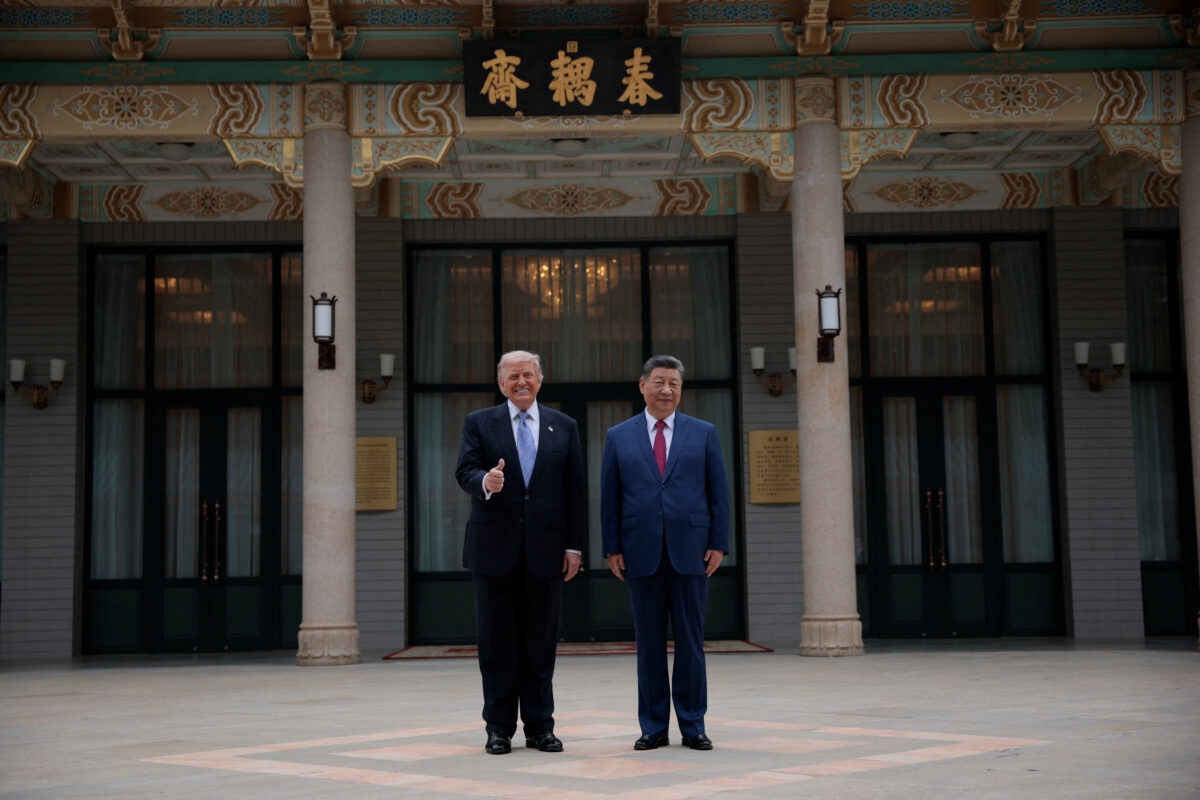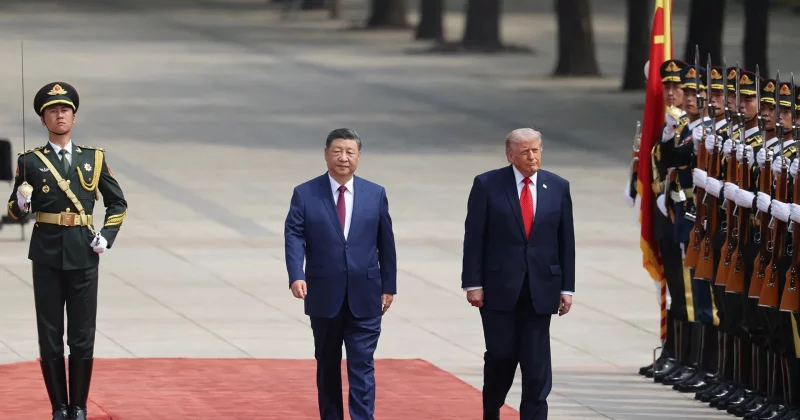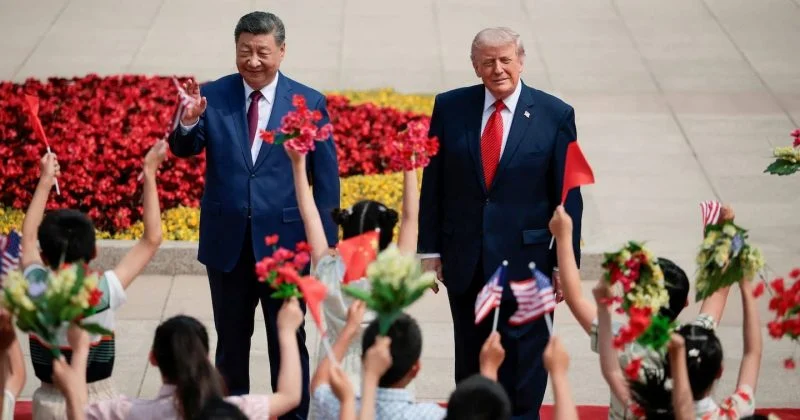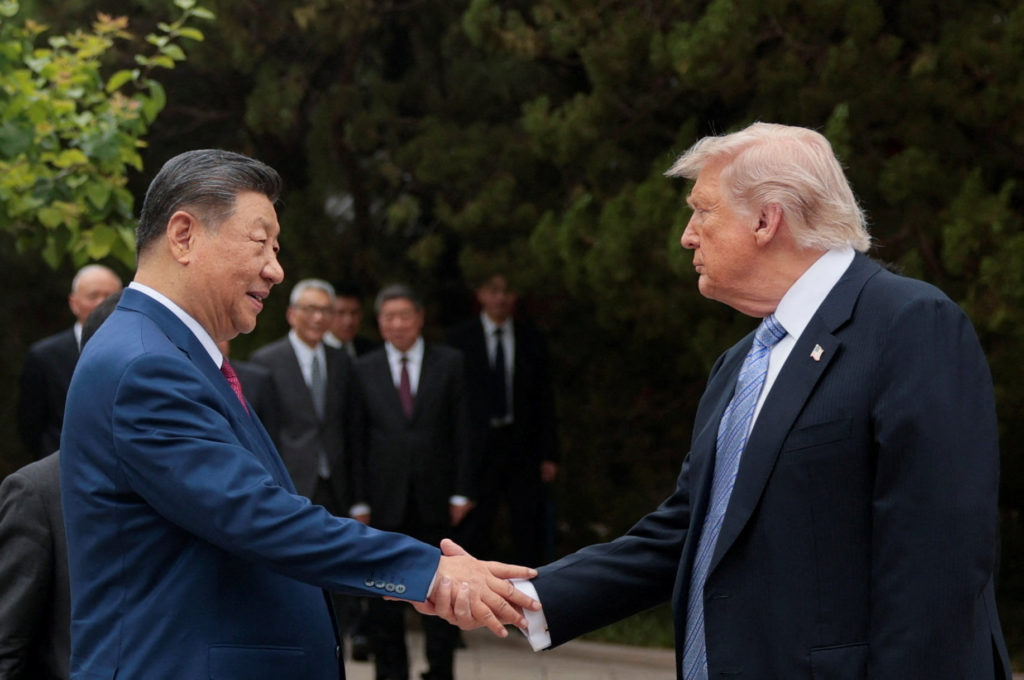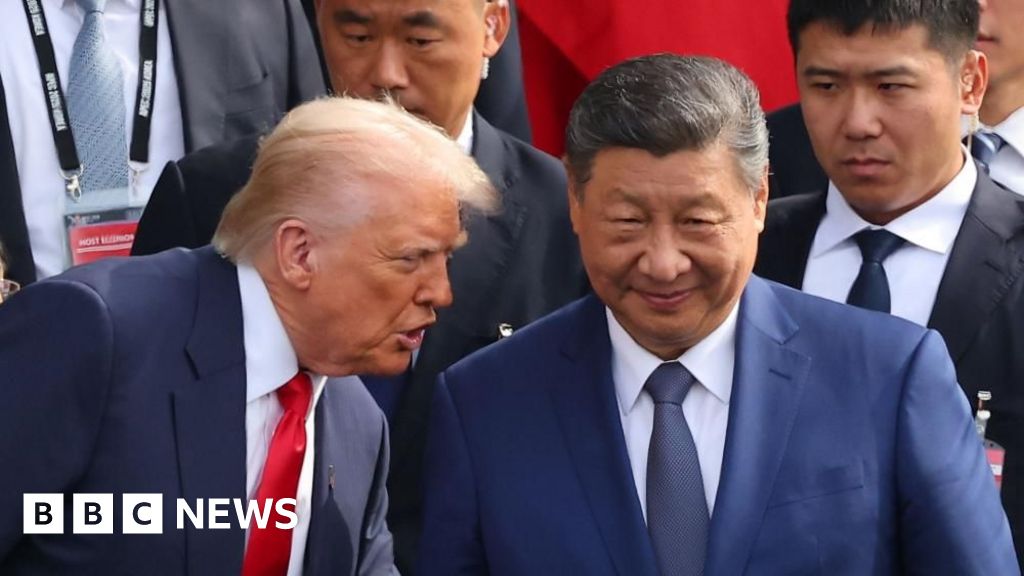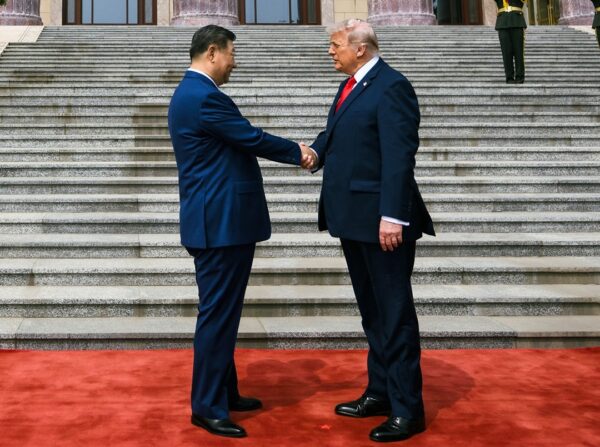
On May 14–15, U.S. President Donald Trump visited China for the first time in eight years, meeting President Xi Jinping in Beijing. Their summit produced purchase agreements, two new bilateral boards, and a shared commitment to what both sides called “constructive strategic stability.”
The visit came after a year of tariff escalation, export control expansions, and critical minerals restrictions that had pushed the bilateral relationship to one of its more stressed points in recent memory. A fortnight on, the verdict among analysts has settled into a familiar groove: the summit was a modest but meaningful step toward predictability in the world’s most consequential bilateral relationship.
Although that verdict is not wrong, it is incomplete.
The summit’s true historical weight resides not in the new Boards of Investment and Trade, the purchase commitments, or the plans for subsequent meetings, but in the structural condition of mutual strategic vulnerability that made both presidents willing – even eager – to sit together in Beijing and manage their conflicts. When those vulnerabilities resolve, as they must, the arc of great power competition will bend back toward the confrontation it has only temporarily deferred.