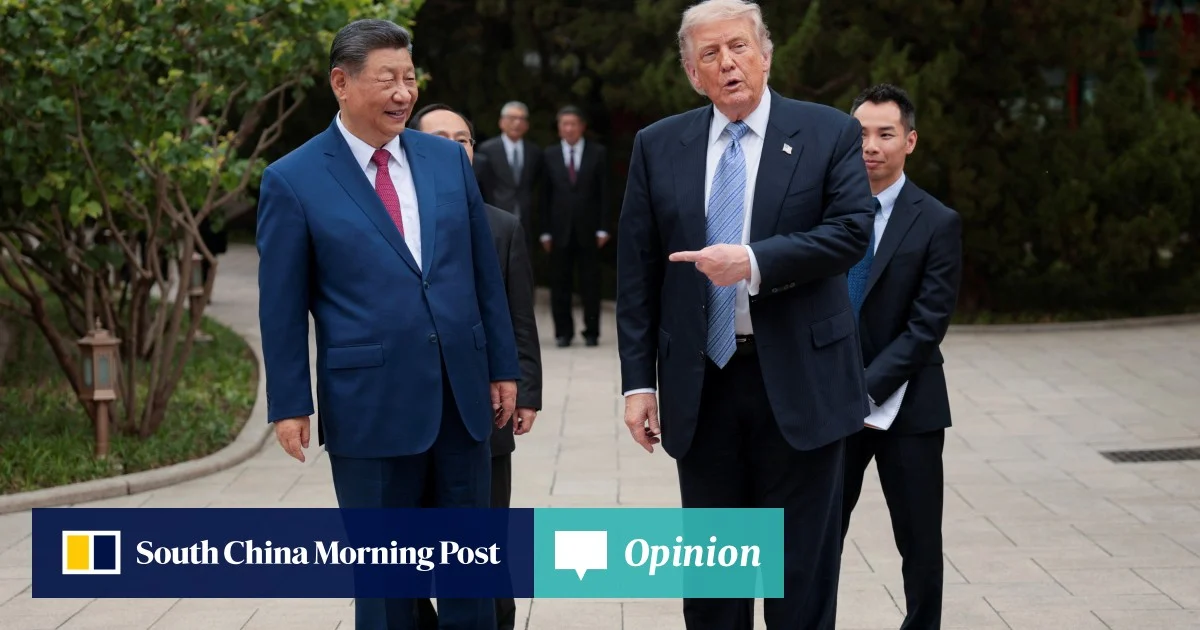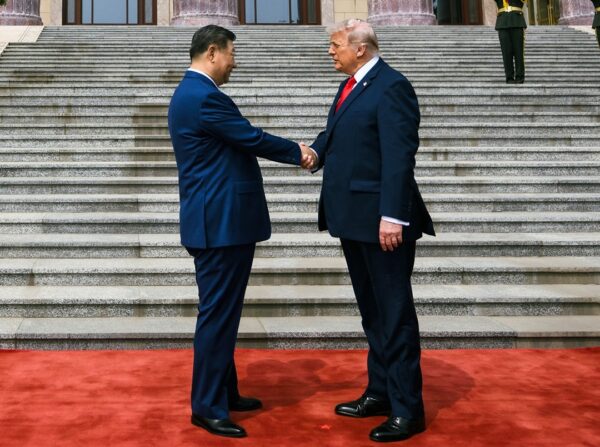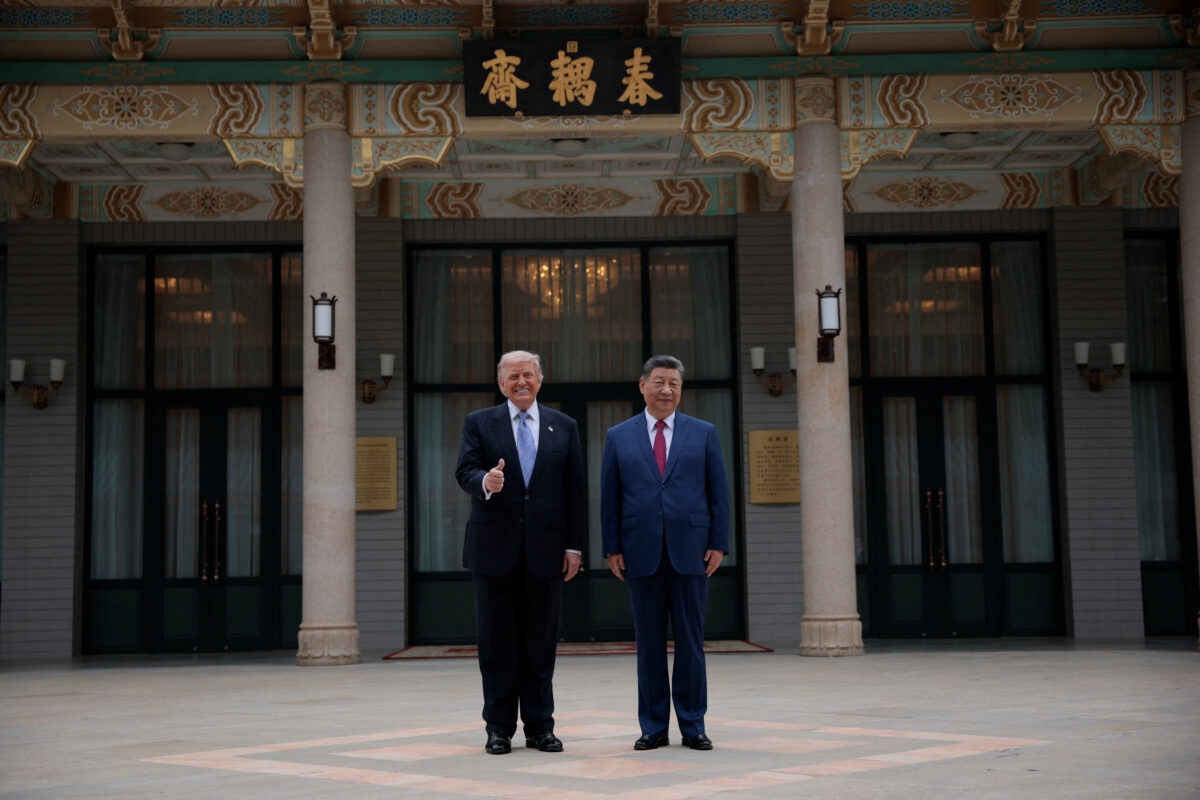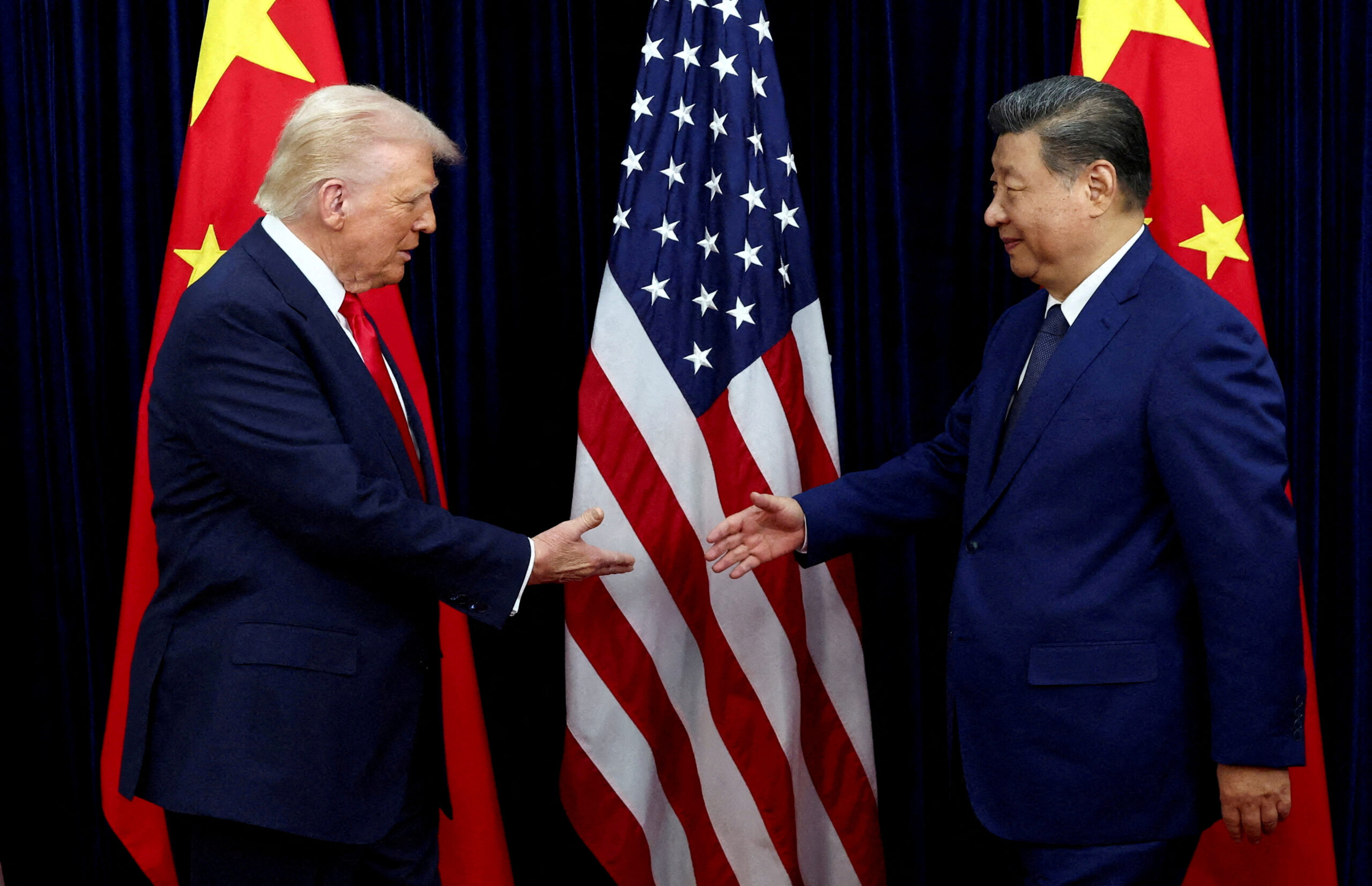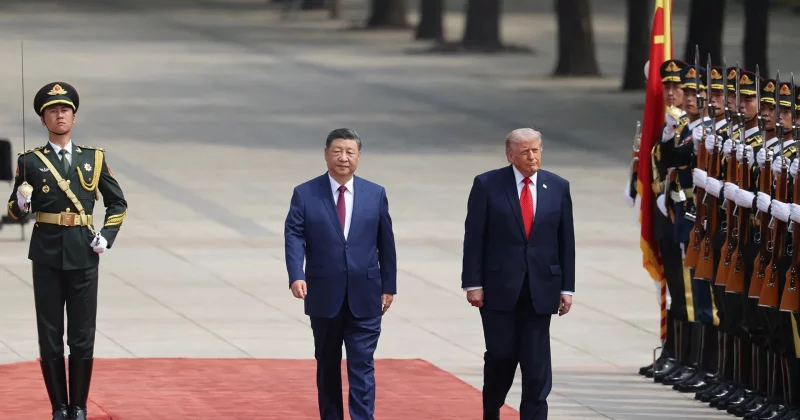
The May 2026 US–China summit in Beijing has attracted global attention. But its outcomes were a disappointment to many — no comprehensive trade agreement, no joint communique, no progress on Taiwan and no joint action to push for an end to the US–Iran war. So, how should we evaluate this summit? What impact will it have on the future of China–US relations?
There are two different views in evaluating this summit — one considers it very successful, while the other dismisses it as a failure.
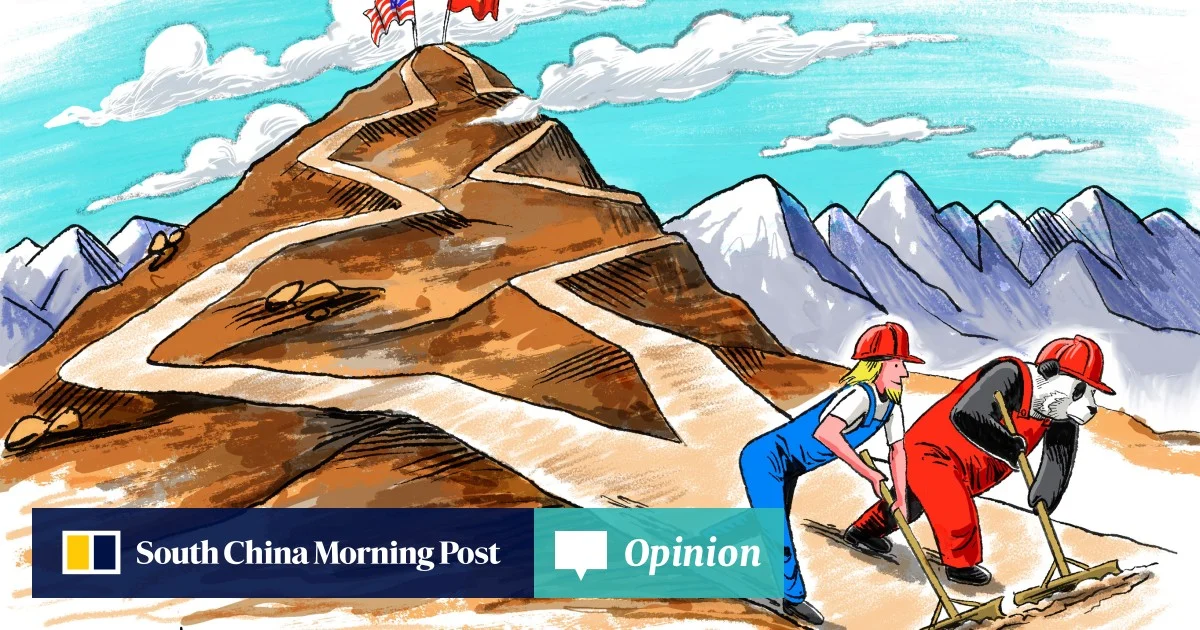
People who believe that the summit was a success mainly point to the attainment of strategic consensus. Both sides agreed to build a relationship of ‘constructive strategic stability’. This may be the first time that the United States has embraced a Chinese conceptualisation of a desired relationship between the two countries. It sets the tone for healthy competition, stability and ‘mutual benefit’ in bilateral relations in the coming years.
Practical progress has also been made in economic cooperation. In addition to extending the suspension of the announced tariffs, the two sides reached procurement agreements for agricultural products, passenger aircraft and crude oil. The United States has also pledged to provide civil aircraft components and engines to China. This helps stabilise trade relations between the two countries.