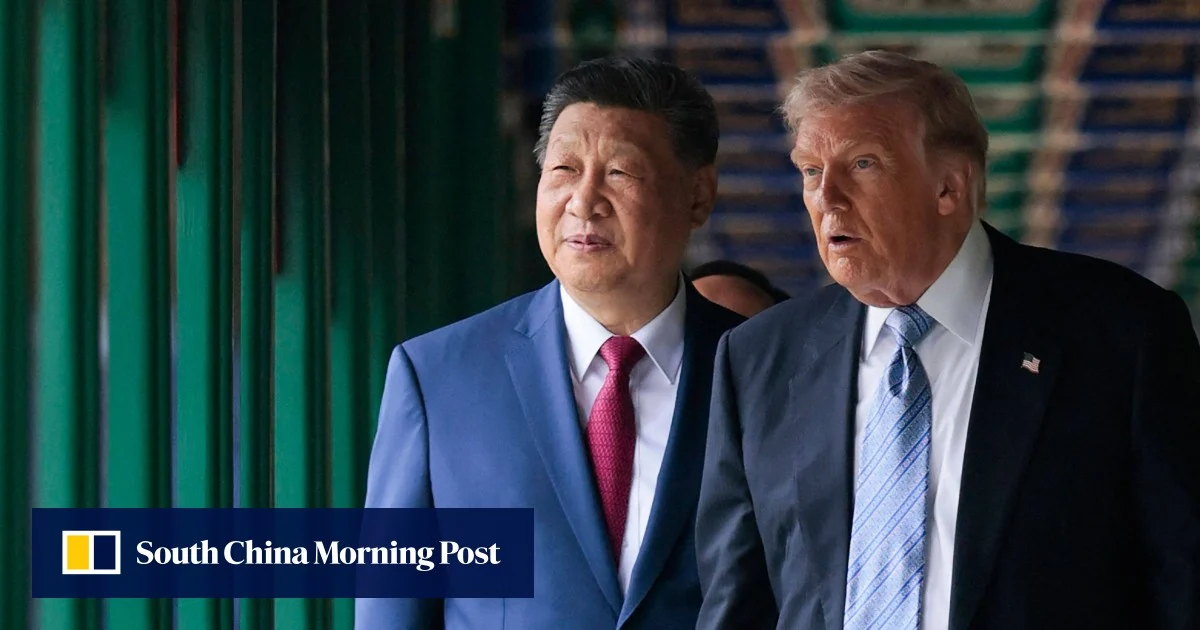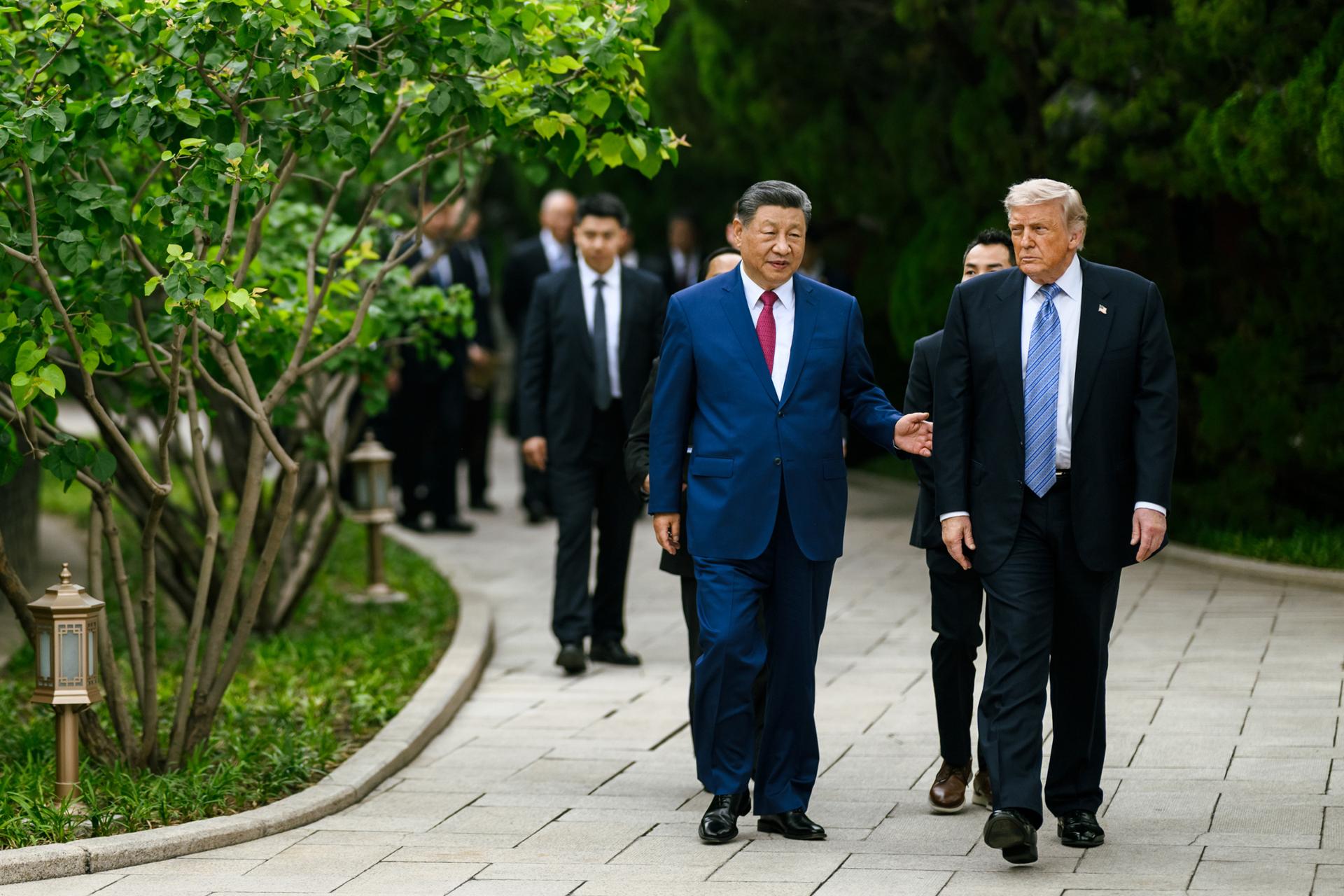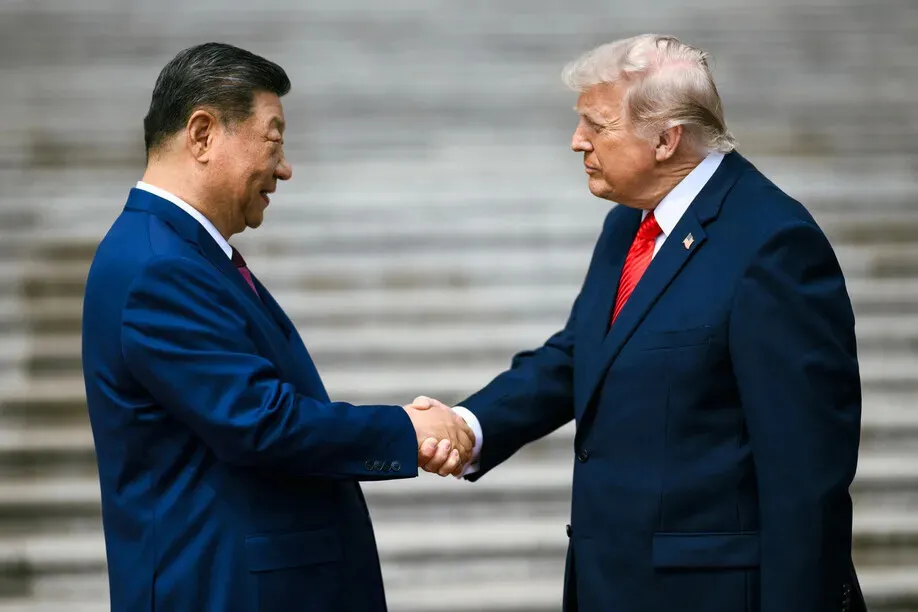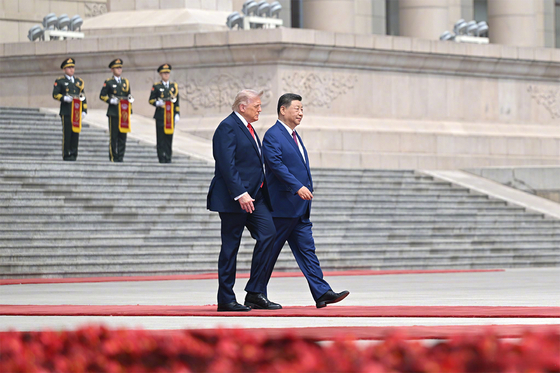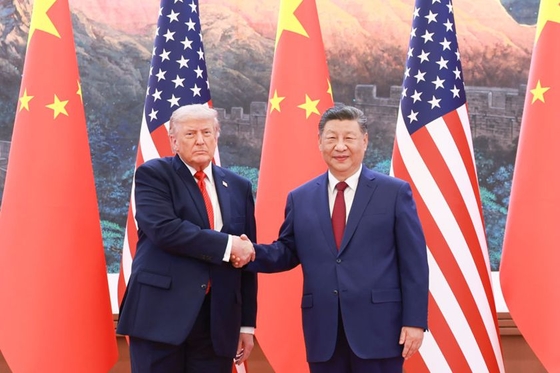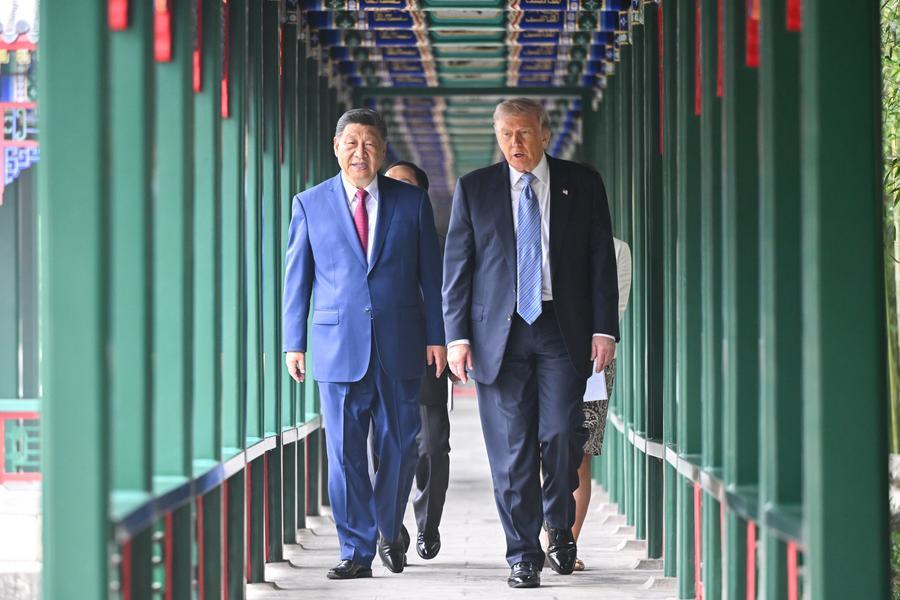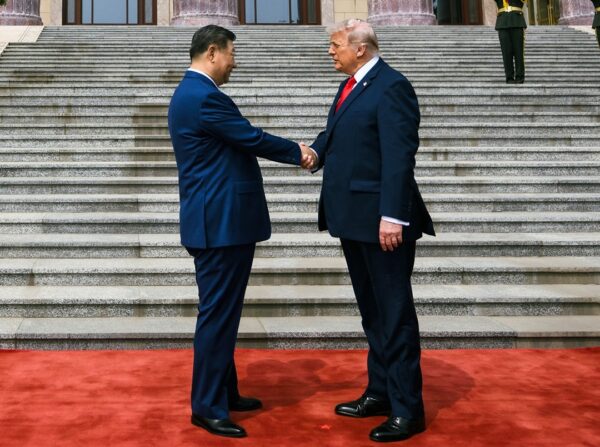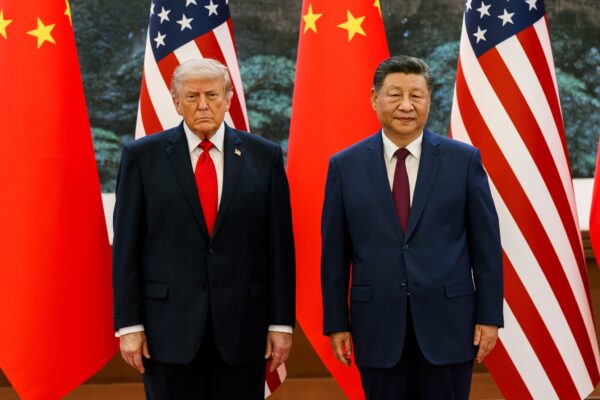
The summit meeting between the leaders of the United States and China in May 2026 introduced a “new positioning” of bilateral ties. Described as “very successful” by U.S. President Donald Trump and equally praised by his counterpart President Xi Jinping of China as a “historic and landmark,” the summit appeared to have stabilized a bilateral relationship that has grown increasingly competitive. The summit saw Trump and Xi agreeing to manage economic tensions through measures to “enhance stability and build confidence.”
Xi announced the year 2026 might “open up a new chapter in China-U.S. relations.” Sure enough, the summit concluded by introducing a new framework to govern relations between the two superpowers: Constructive Strategic Stability. According to the Chinese Foreign Ministry, this concept entails pursuing stability and peace “with cooperation as the mainstay,” where differences are managed effectively and competition kept “within proper limits.”
During the Shangri-la Dialogue, when asked about how the U.S. views this framing, U.S. Secretary of Defense Pete Hegseth elaborated that the framework rests upon “mutual respect,” “a recognition of capabilities and power,” and communication.