O
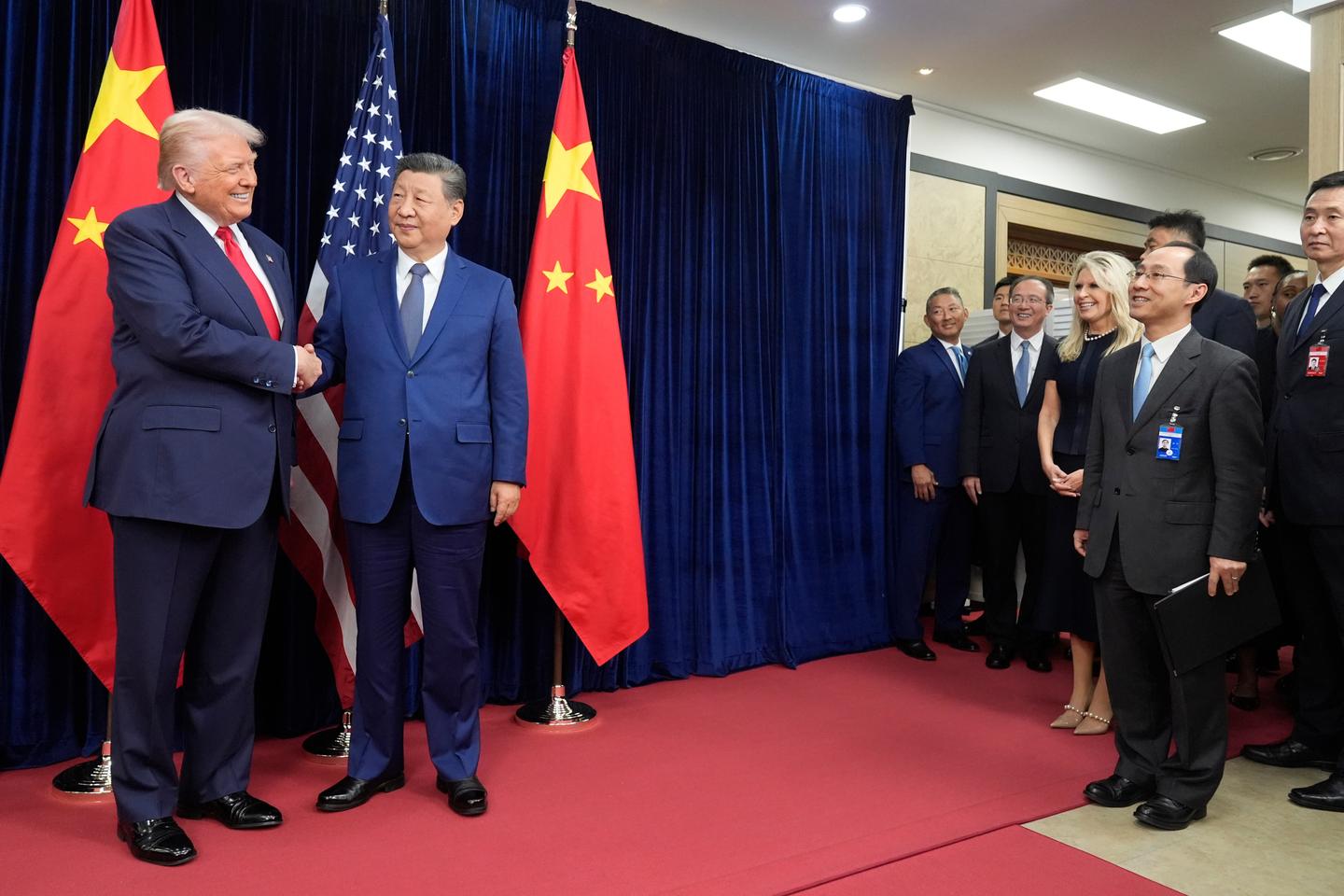
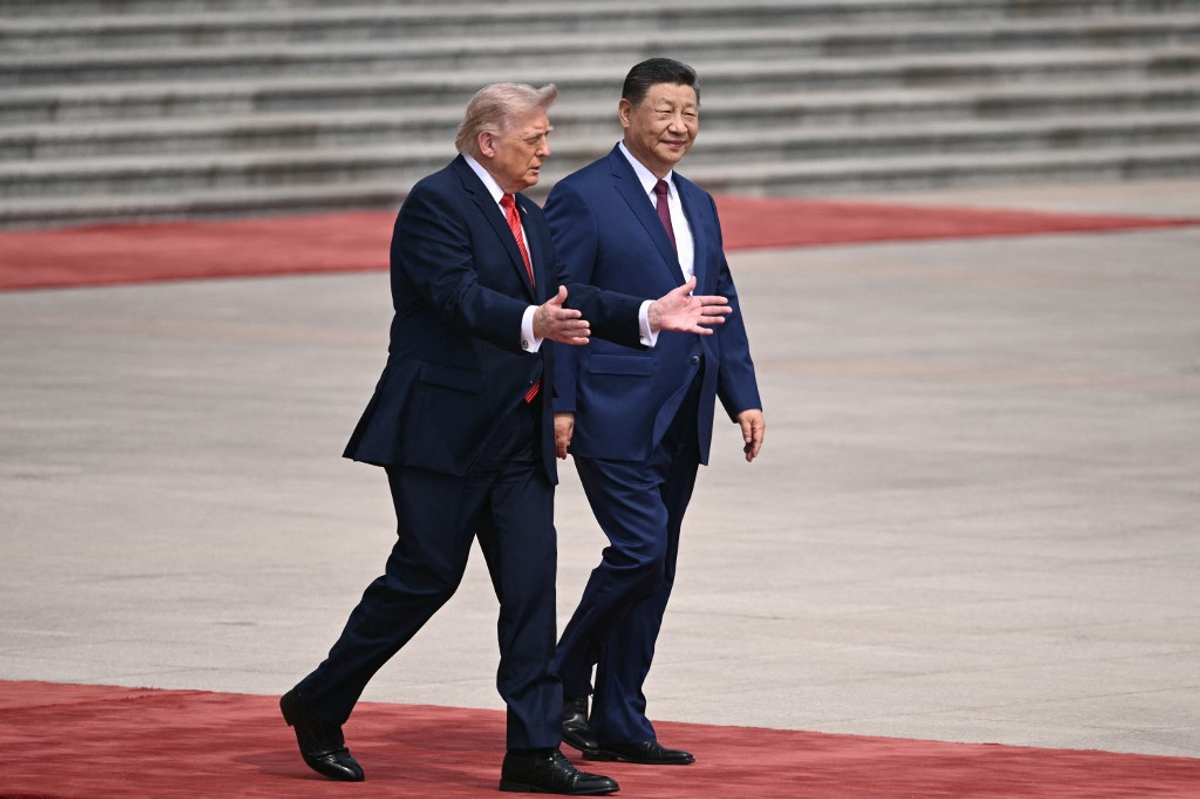
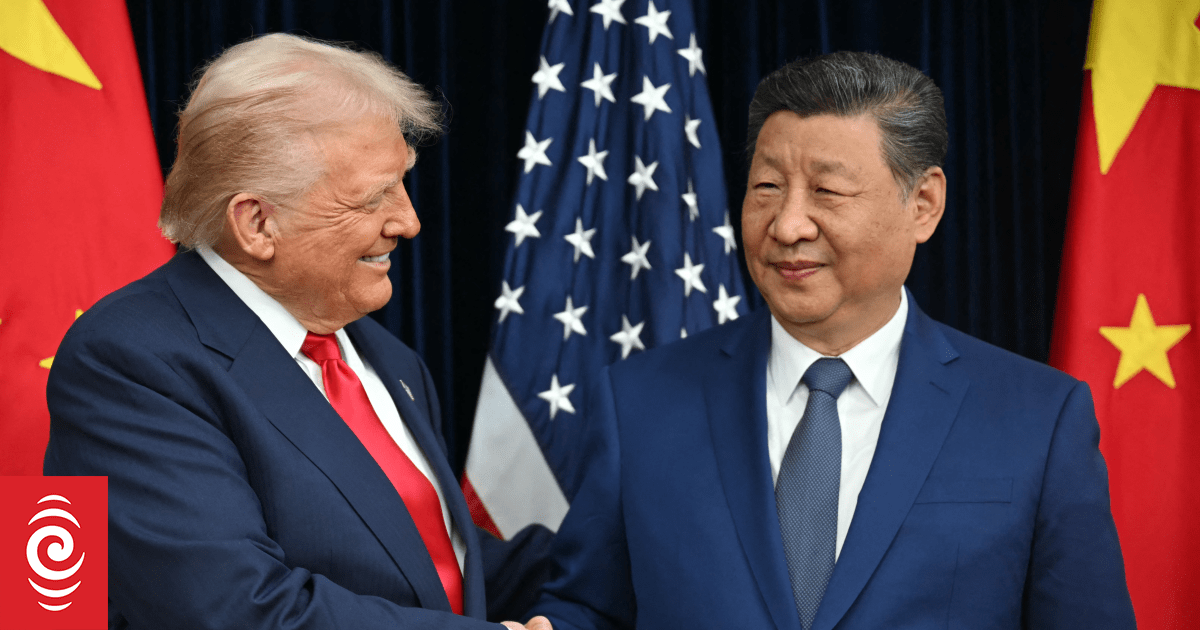
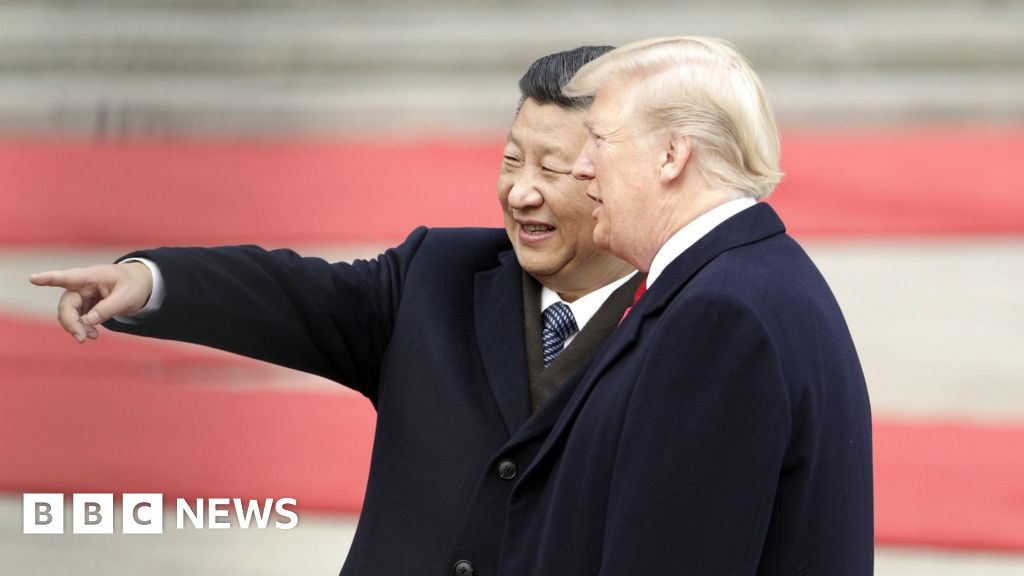
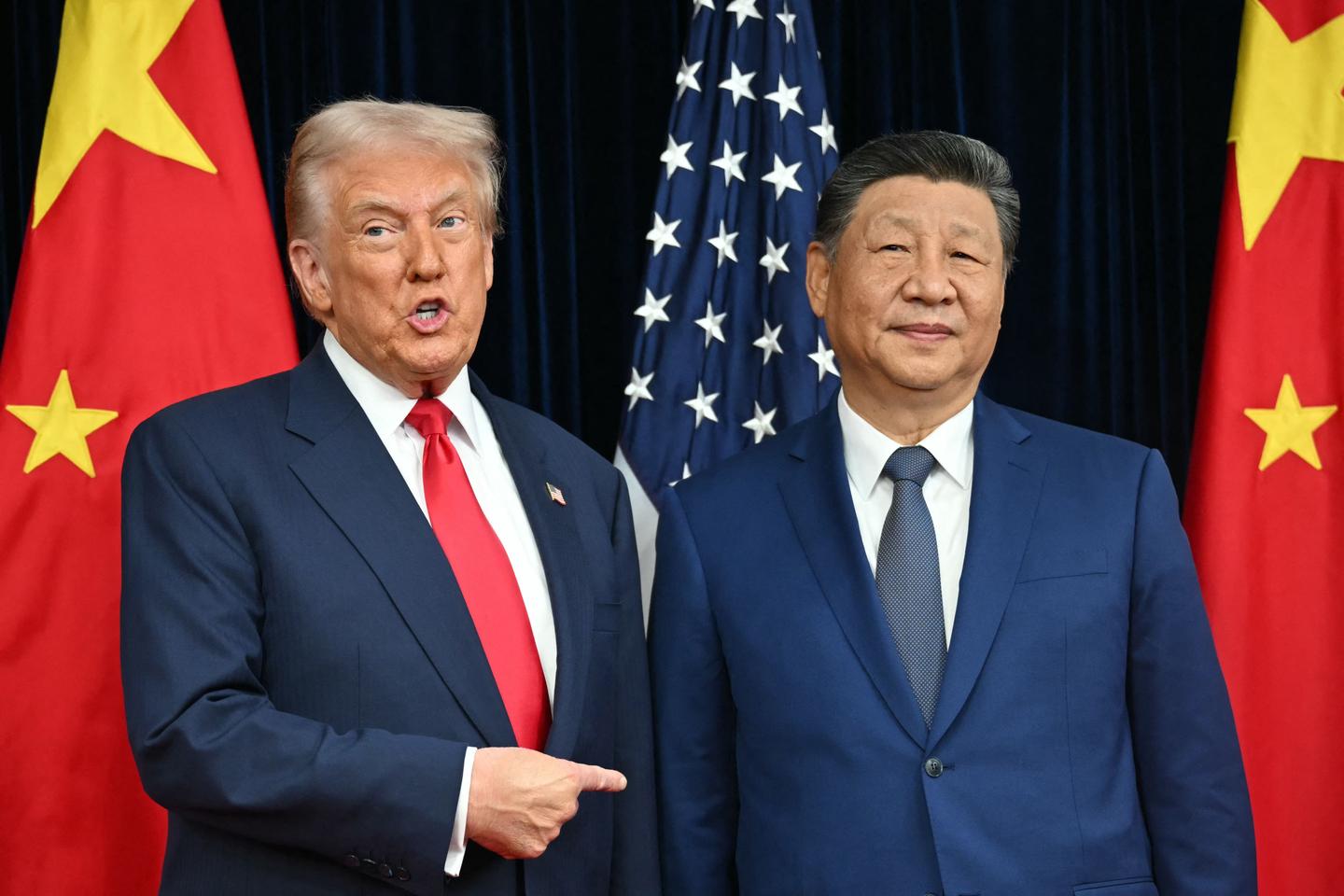
n Thursday, October 30, during their first meeting since 2019, Xi Jinping gained the upper hand over Donald Trump. The quiet leader prevailed over the brash showman, the free trader over the protectionist. In South Korea, at Busan airport where the negotiation took place, the Chinese president held more cards than his American counterpart. At least symbolically, it was a significant moment in the ongoing battle between China and the United States for global supremacy. At stake remains the same question: Which of these two giants will secure strategic and economic dominance in this century?
Subscribers only
Trump-Xi meeting brings temporary lull to escalation between US and China
Beyond the face-off between the self-tanned former reality TV host and the somber Marxist-Leninist, this summit confirmed the uniqueness of the Chinese-American relationship. It is indeed one of rivalry and global competition, but the struggle for primacy – the contest for "leadership" – is constrained, limited by the economic interdependence of the two players. Many have suggested the two countries are far along the path of decoupling. That is not yet the case. Their strategic tensions coexist with a volume of trade that reached $600 billion in 2024.