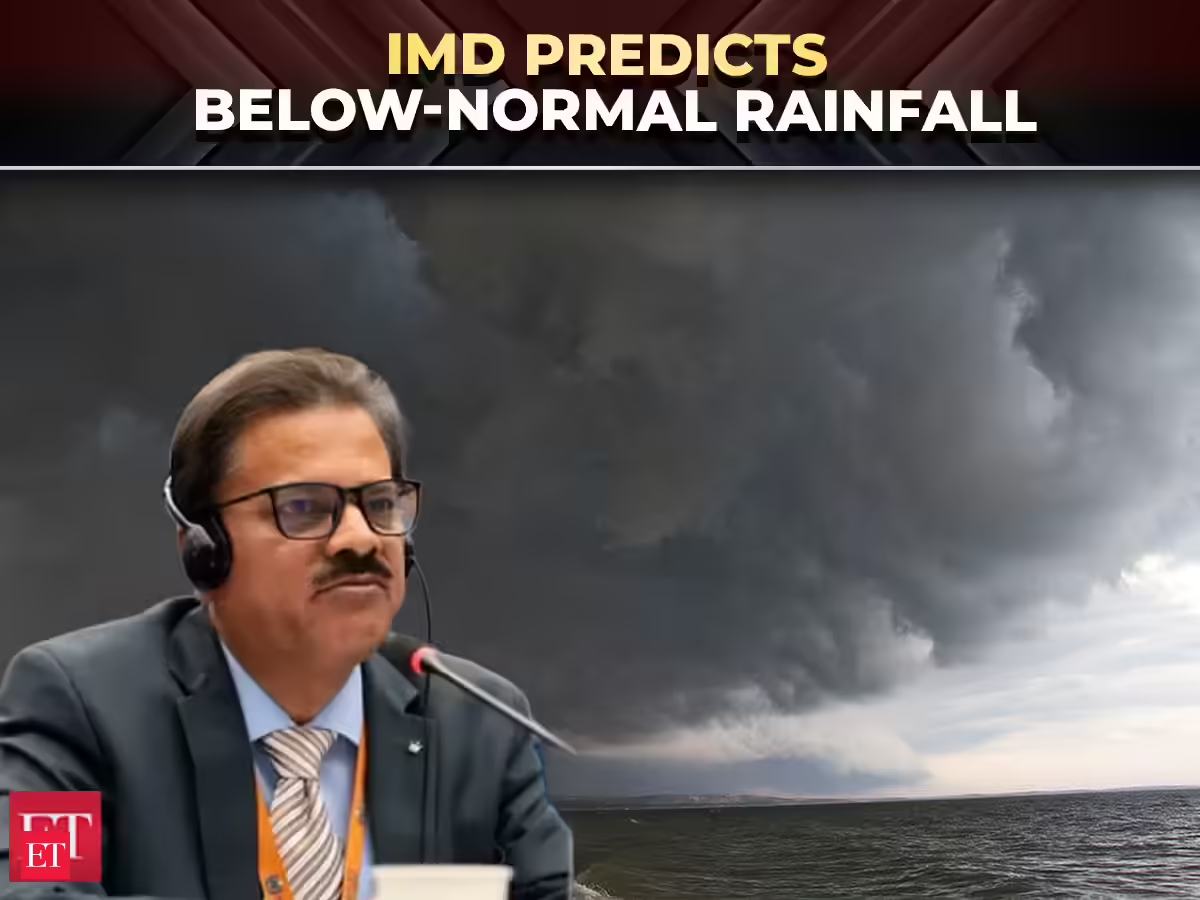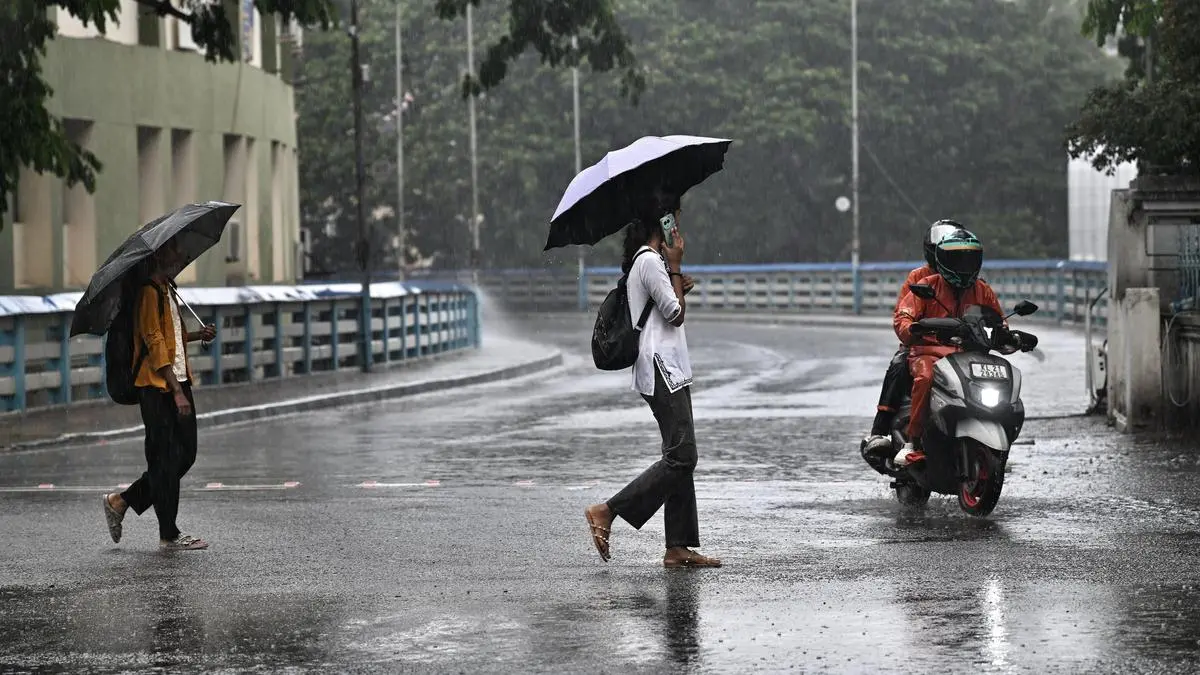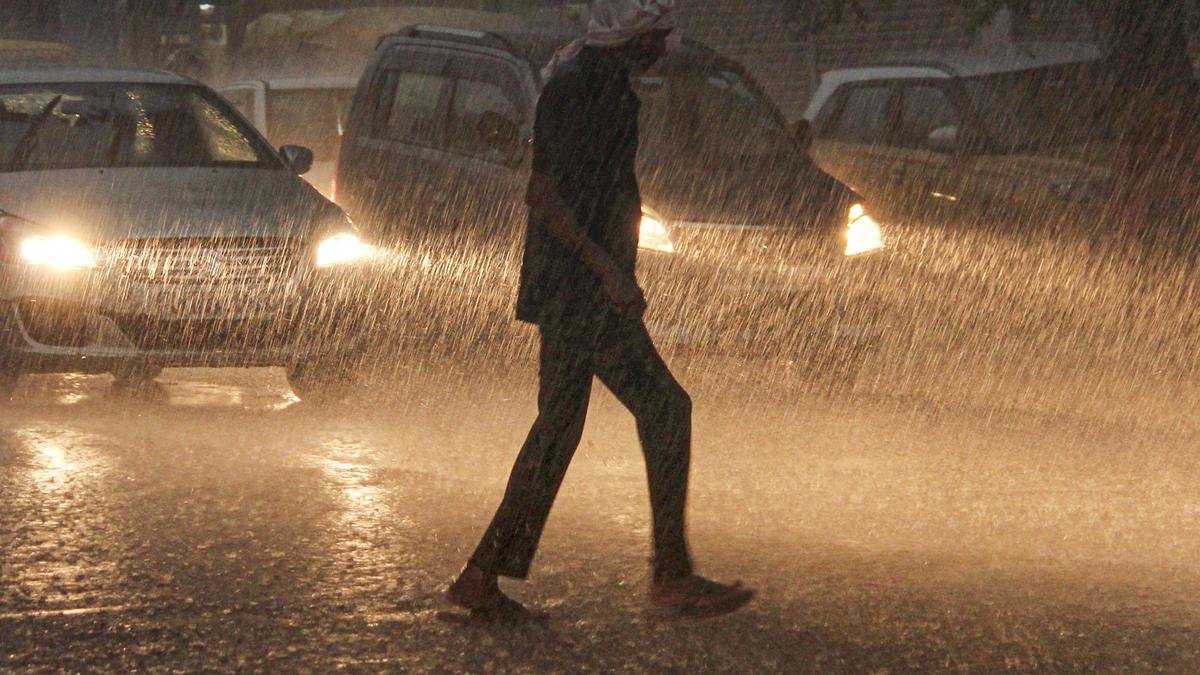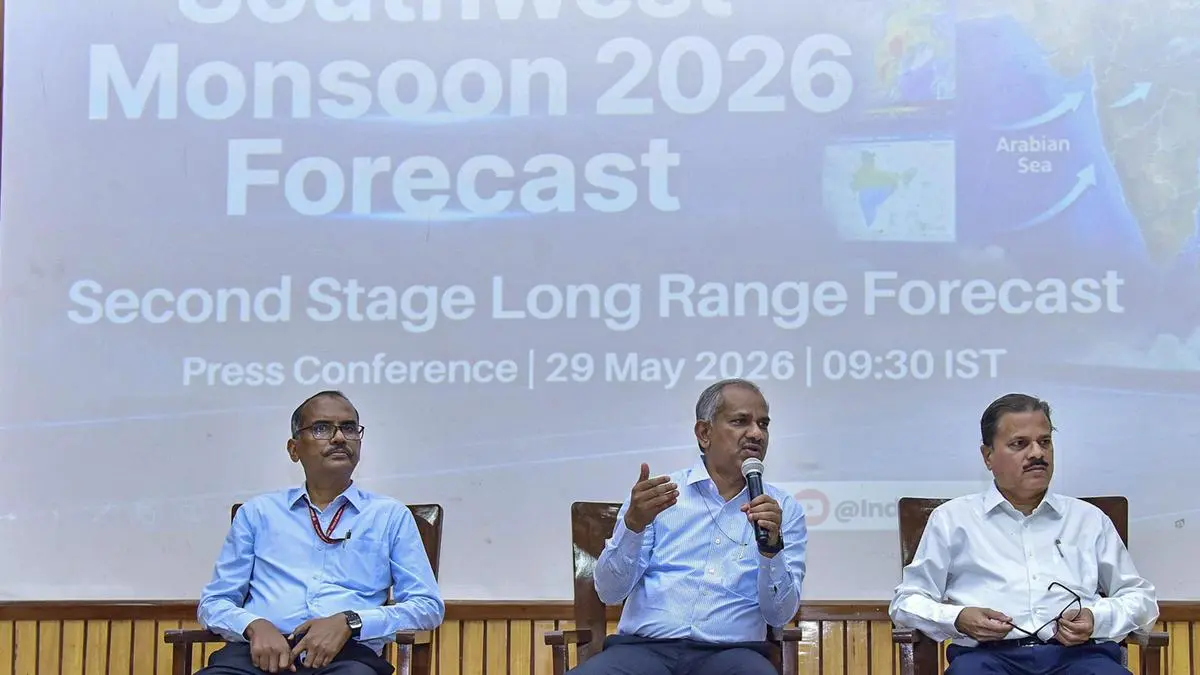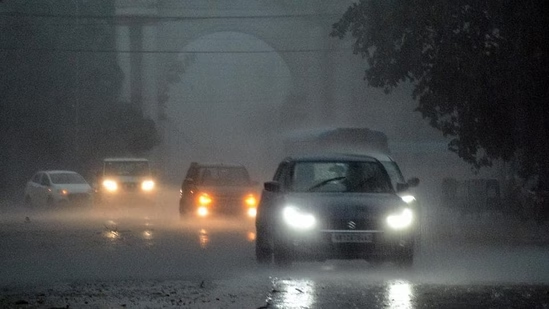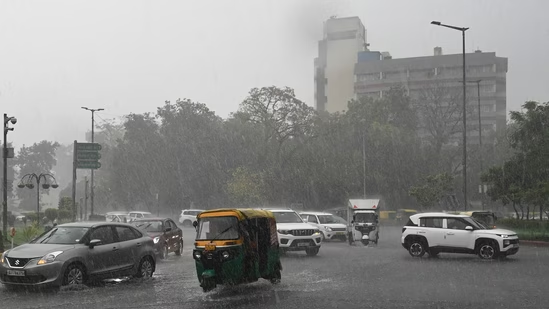
Monsoon rainfall over the country is likely to be 90 per cent long period average (LPA) this year, even lower than 92 per cent that the India Meteorological Department (IMD) had forecast in April.Commuters navigate through light rain at Rajiv Chowk near Mini Secretariat, Delhi (Parveen Kumar/Hindustan Times)The IMD said on Friday that weak El Nino conditions are expected to develop in June, strengthening towards second half of the season.“The southwest monsoon seasonal rainfall over the country as a whole is likely to be 90% of the long period average (LPA) with a model error of +four per cent, indicating below normal or less rainfall is most likely,” the IMD presented in a press briefing on Friday.Among regions, northeast India is expected to see normal rains while northwest, central and south peninsular India are projected to experience below normal monsoon rains, according to IMD.IMD's earlier forecastIn its first stage long range forecast for monsoon season in April, the IMD had predicted that India is likely to see a “below normal” monsoon this year. Rainfall is expected to be 92 per cent of the Long Period Average (LPA), with an error margin of +/-5 per cent, the IMD had said in a projection that signaled challenges for the country’s rain-fed agriculture and the broader rural economy.The LPA of the seasonal rainfall over the country as a whole during 1971-2020 is 87 cm, as reported by HT earlier.The spatial distribution released by IMD suggests that the below-normal seasonal rainfall is most likely over many parts of the country except some areas over northeast, northwest and south Peninsular India, where normal to above-normal rainfall is likely.The fresh forecast of even lower than earlier predicted monsoon rains carries significant economic implications for India, which is heavily reliant on agriculture. According to the agriculture ministry, 51 per cent of India’s farmed area, accounting for 40 per cent of production, is rain-fed, HT earlier reported. With 47 per cent of the country’s population dependent on agriculture for their livelihood, a below-par monsoon can dampen rural consumption and push up food prices in a year when the conflict in West Asia threatens to pose a larger threat to energy availability and fertilisers – a critical farm input.The last time India received “below normal” rain was in 2023, also an El Nino year, when rainfall over the country as a whole during monsoon season was 94% of its LPA.El Nino conditions are likely to be established during the monsoon season especially during July, August and September, according to the Monsoon Mission Climate Forecast System (MMCFS).
Monsoon concerns deepen as rainfall forecast falls to 90% of normal
The IMD said on Friday that weak El Nino conditions are expected to develop in June, strengthening towards second half of the season. | India News
TL;DRAI
India's IMD cut its 2025 monsoon forecast to 90% of LPA (from April's 92%), with El Niño expected to strengthen June–September across northwest, central, and south peninsular regions. With 51% of farmland rain-fed, the revision signals weaker rural consumption and food price pressure — a macro headwind for India-exposed supply chains and agri-input businesses.
427 words~2 min read