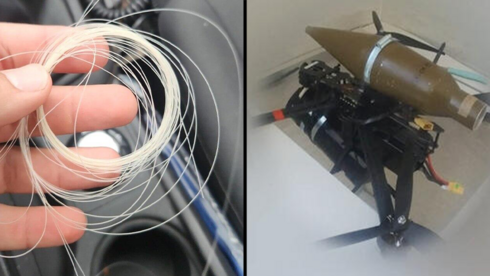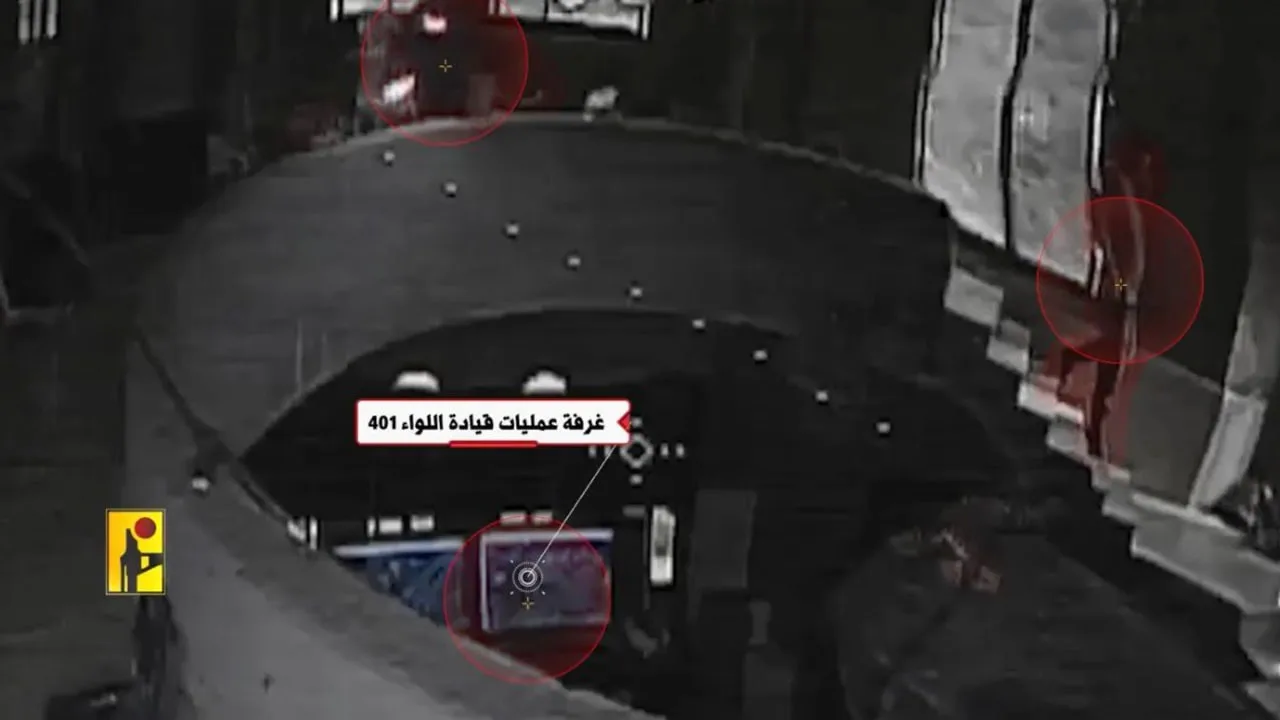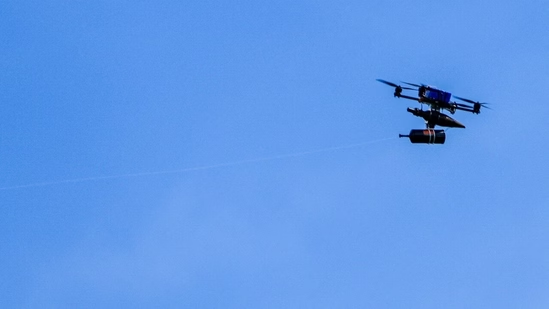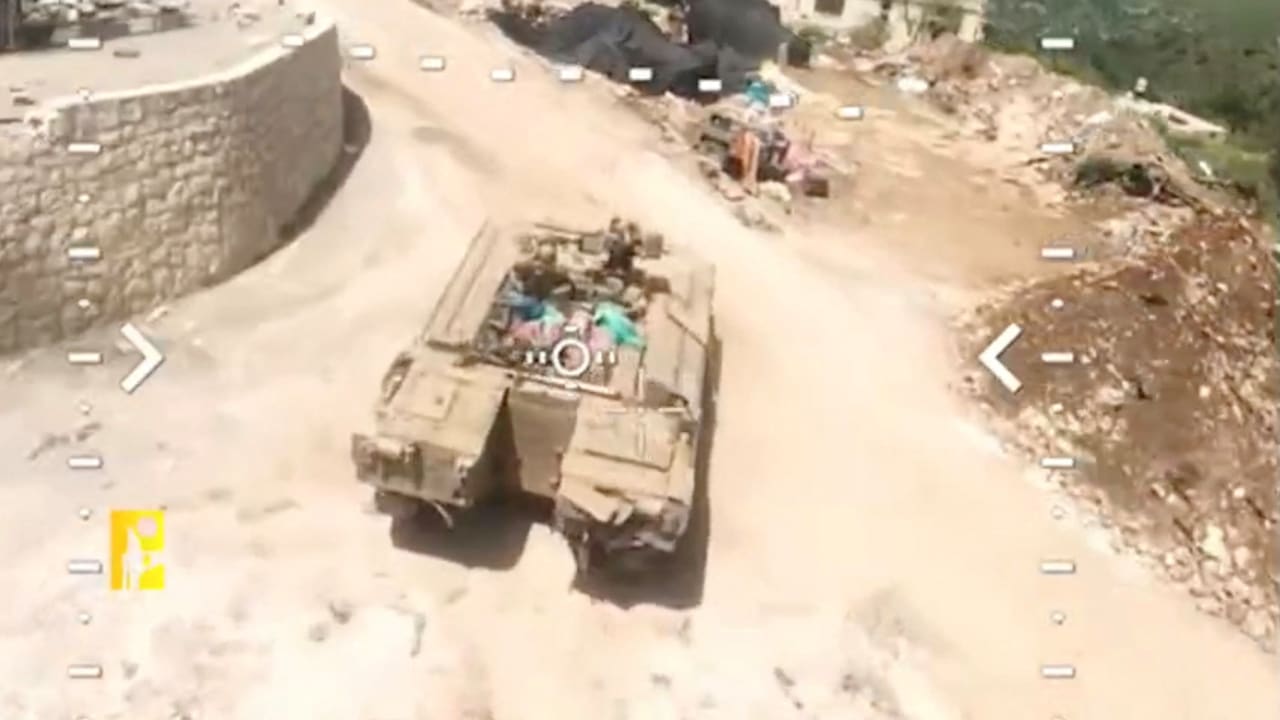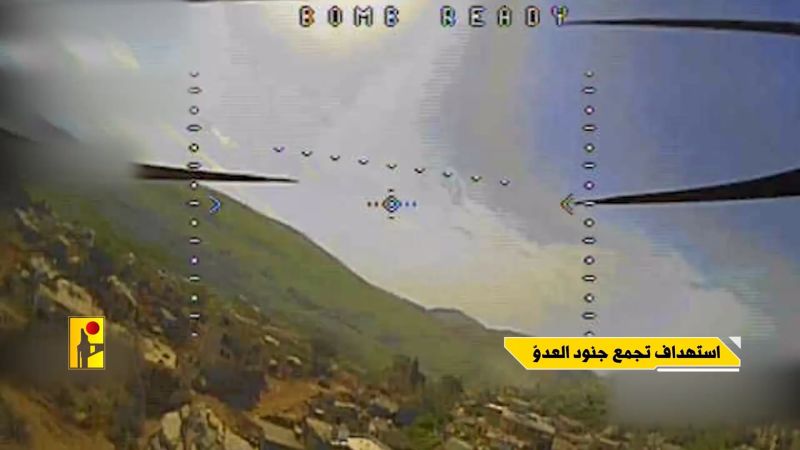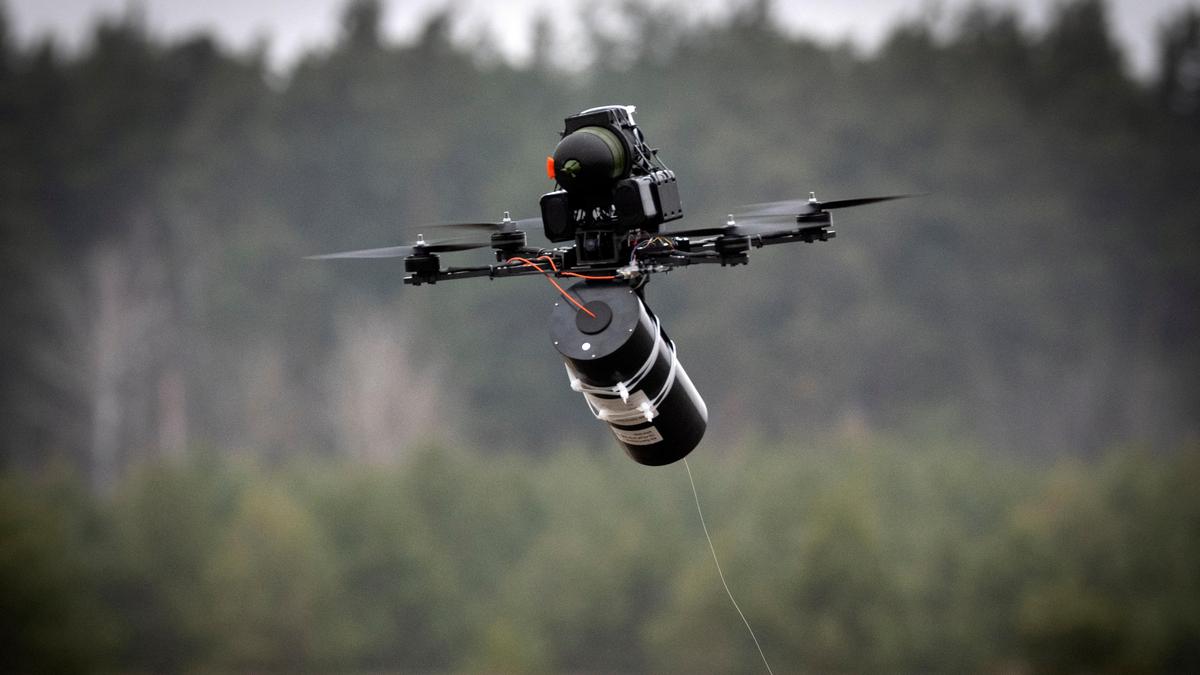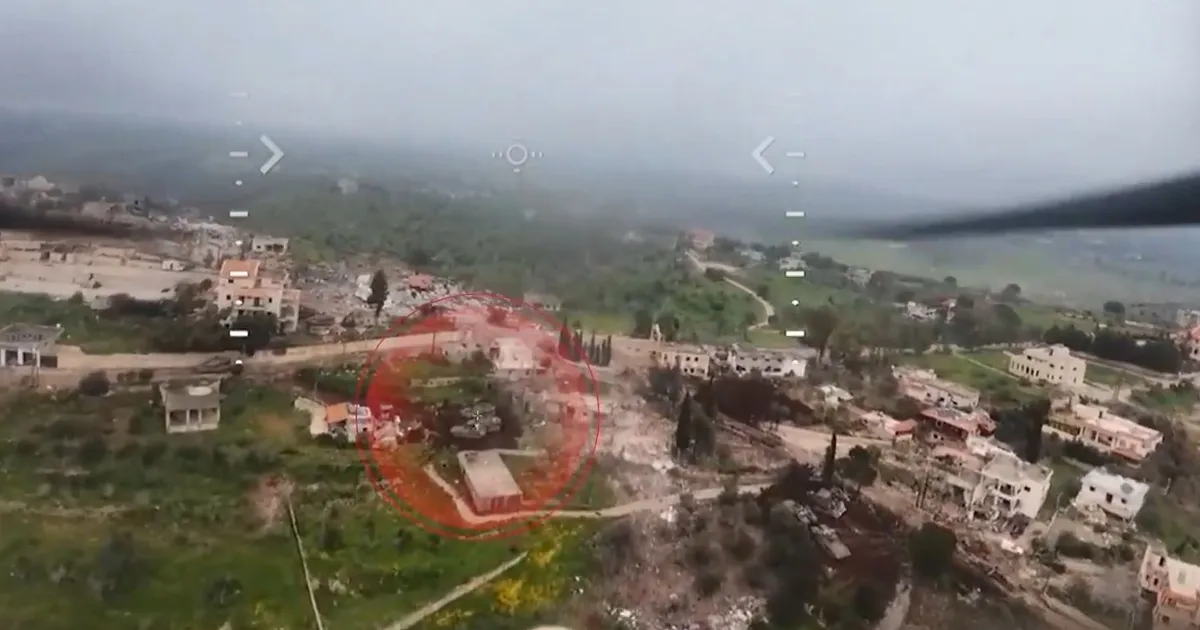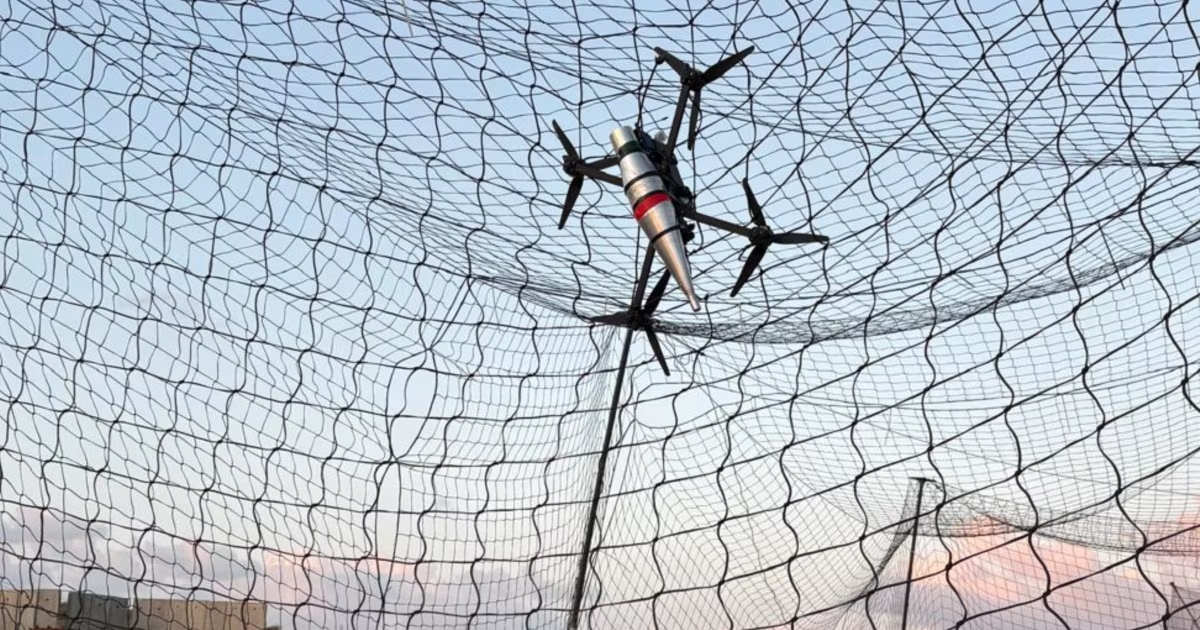
From commercial parts to battlefield edge: how fibre-optic FPVs reshape asymmetric warLast updated: May 29, 2026 | 05:593 MIN READScreengrab from a video released by Hezbollah that claims to show the moment before an FPV drone attacks an Israeli bulldozer in Bint Jbeil, Lebanon. Hezbollah Military Media | via ReutersHezbollah has dramatically expanded its use of fibre-optic-guided drones against Israeli troops and border communities, adopting tactics refined on the battlefields of the Russia-Ukraine war and creating what Israeli officials now describe as one of the most difficult aerial threats they have faced in years.The reason: they can bypass Israel’s sophisticated electronic warfare systems and radar defenses.HOW FIBRE-OPTIC DRONES WORK — AND WHY THEY'RE HARD TO STOP: Unlike conventional military drones that rely on radio signals, fibre-optic FPV (“first-person-view”) drones are physically tethered to their operators through ultrathin fibre-optic cables that spool out behind the aircraft while it flies. That cable acts like a direct data line between the drone and the pilot. This avoids the need to transmit commands through radio frequencies — which can be jammed, intercepted, or spoofed electronically — and the drone receives steering commands through light signals traveling inside the fibre-optic wire.The technology, which became widespread during the Ukraine war, allows operators to steer drones with high precision while avoiding electronic interception. In Ukraine, both Russian and Ukrainian forces increasingly shifted toward fibre-optic FPV drones after traditional radio-controlled systems became vulnerable to intense electronic warfare.Now, Hezbollah appears to be applying the same battlefield lessons against Israel.Israeli defense officials say the drones have already killed and wounded Israeli soldiers in southern Lebanon and northern Israel since fighting escalated again earlier this year.Tech magazine Wired explained that because it uses a physical line instead of radio signals to transmit data, the drone can send live video feeds back to the operator, who can then send steering commands through light signals traveling inside the fibre-optic wire.3D printed FPVsBecause the communication link is physical rather than wireless, traditional electronic warfare systems struggle to disrupt it.Unlike larger military drones, these FPV systems are small, cheap, fast, and difficult to detect, as per Wired.The magazine has reported that Hezbollah has increasingly turned to FPV drones as a way to overcome Israel’s sophisticated electronic warfare and air-defense systems.Get updated faster and for FREE: Download the Gulf News app now - simply click here.
Hezbollah’s ‘unjammable’ fibre-optic drones: How they are rewriting the war against Israel
From commercial parts to battlefield edge: how fibre-optic FPVs reshape asymmetric war
647 words~3 min read