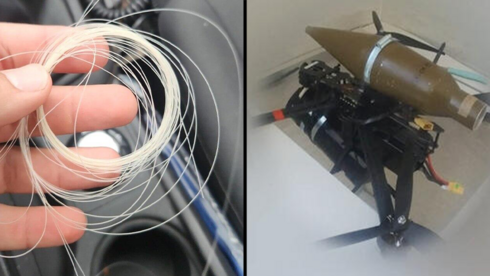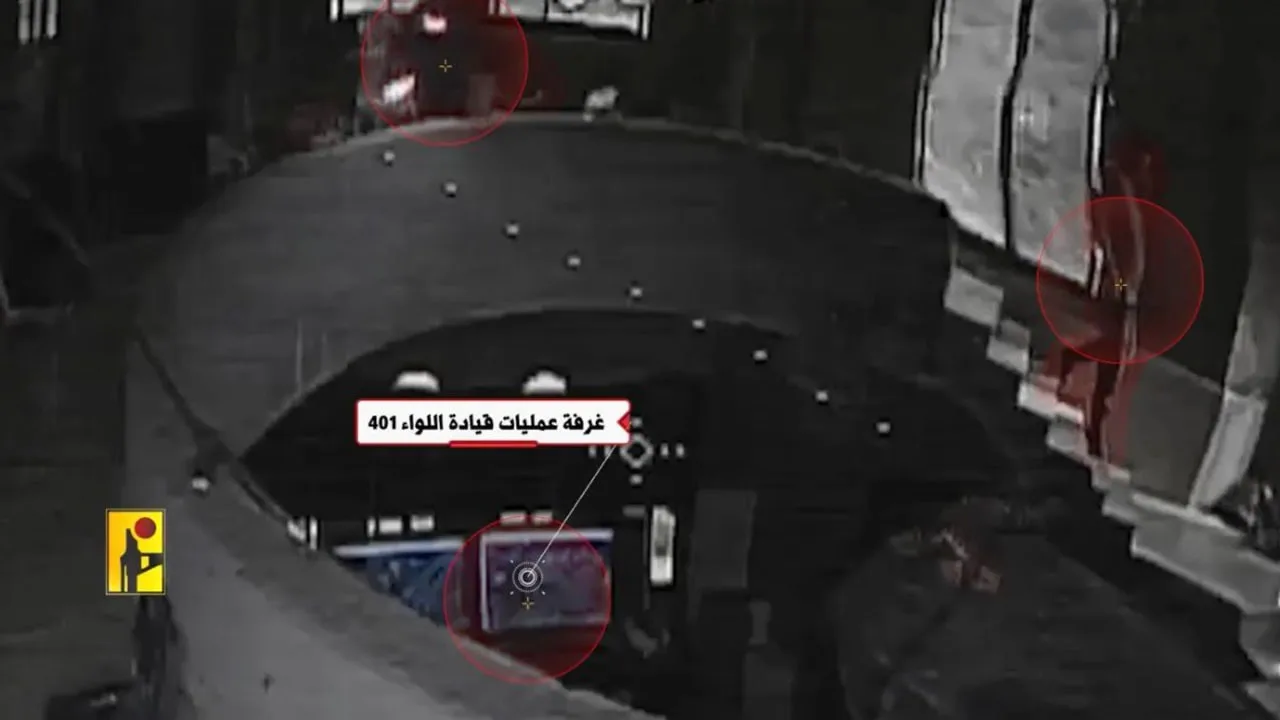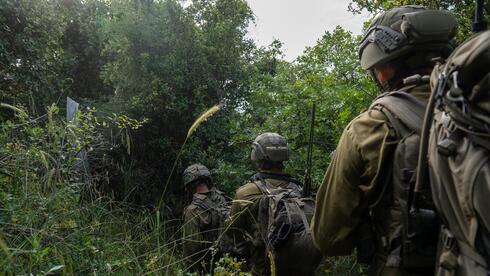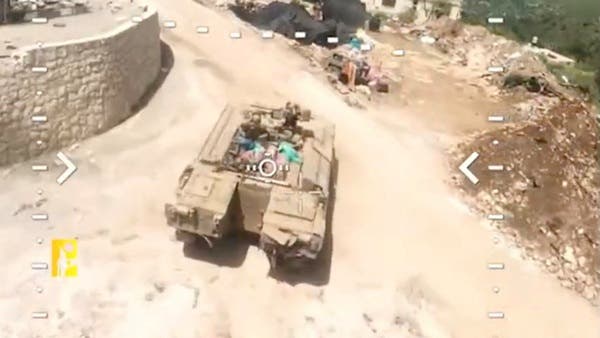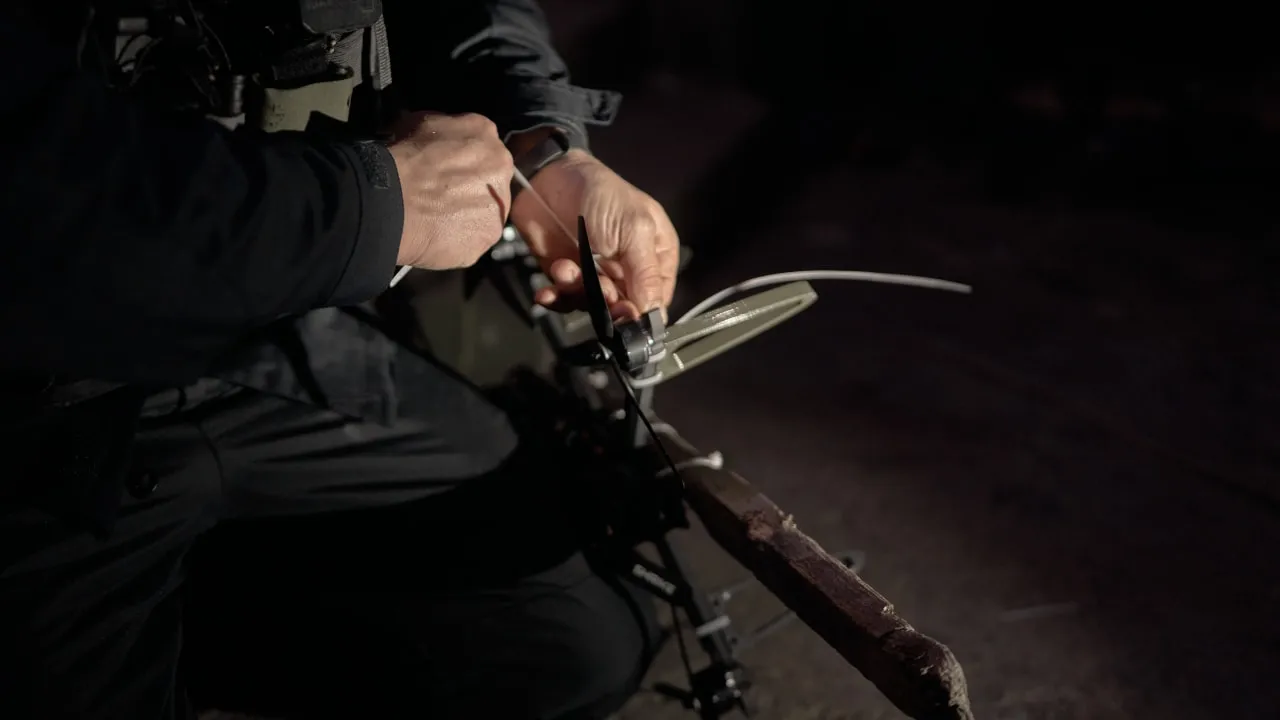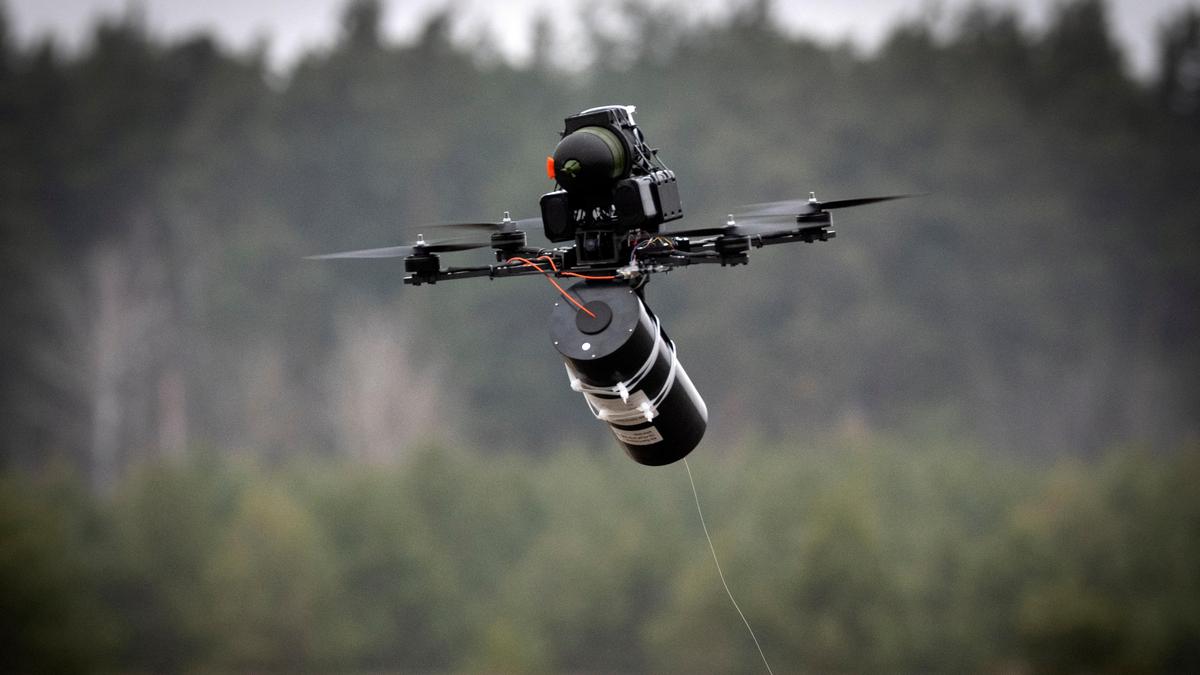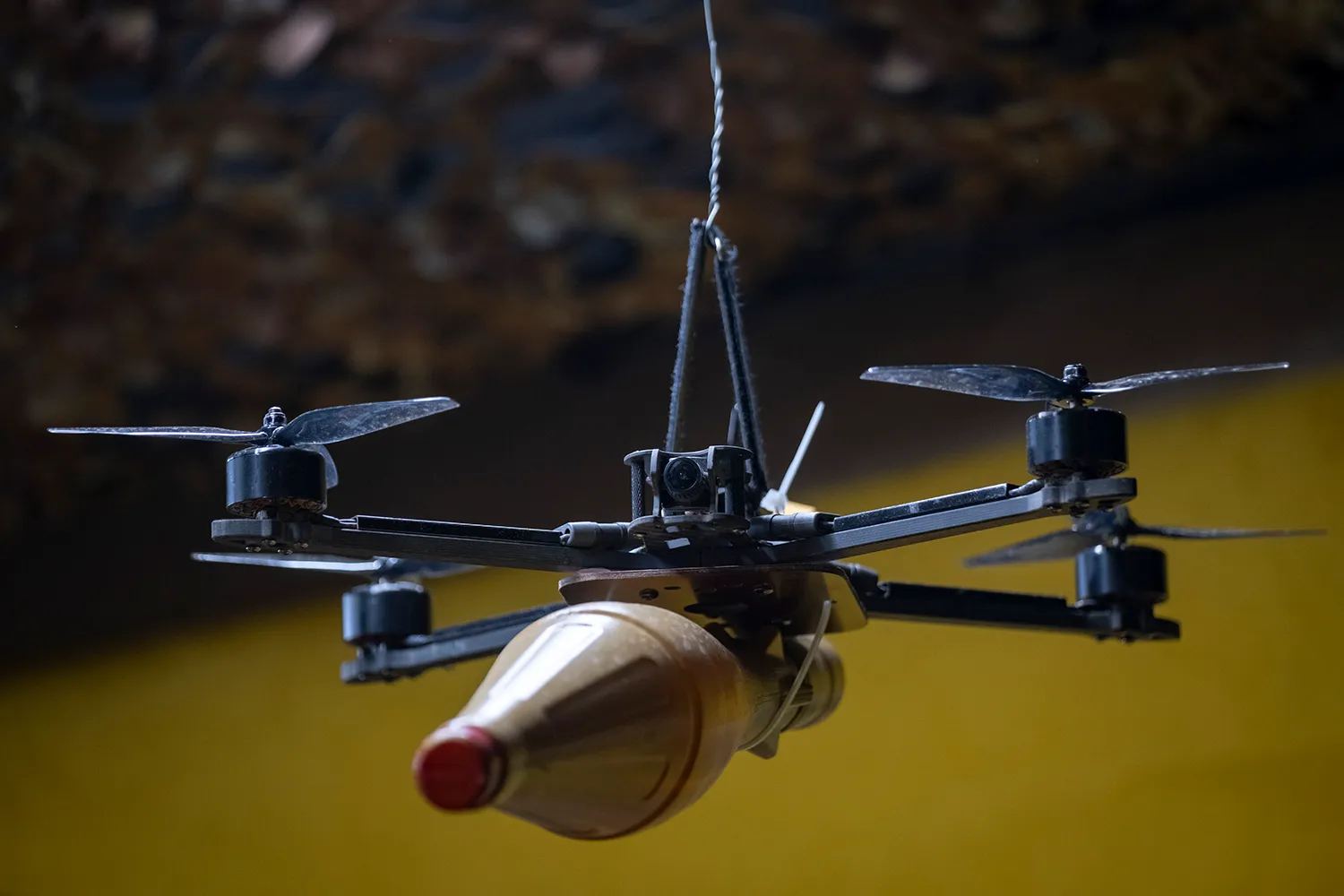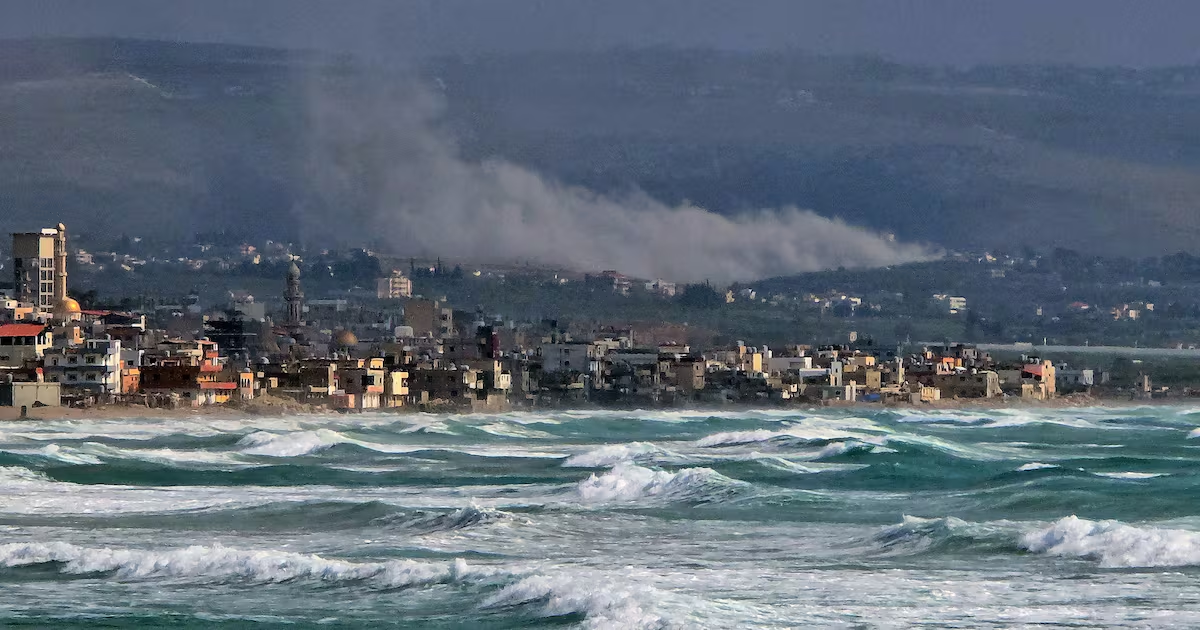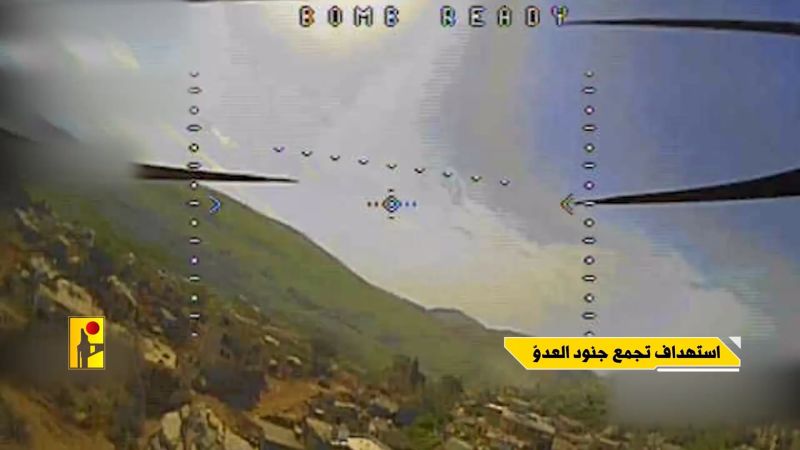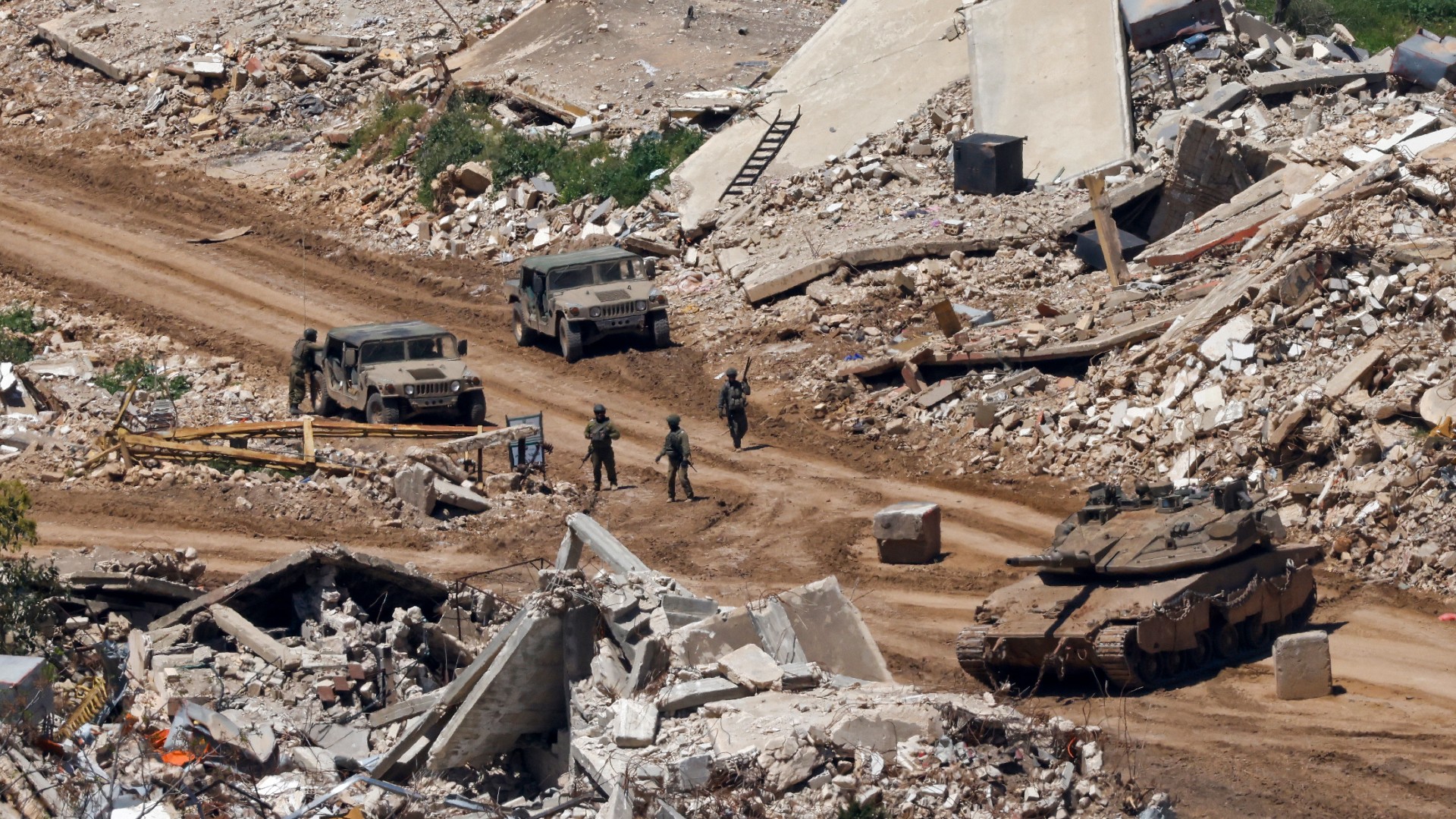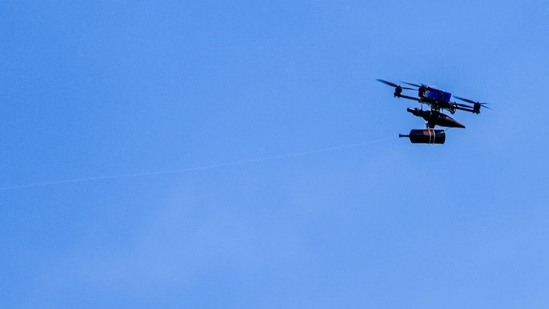
TEL AVIV—Hezbollah militants are increasingly adept at using explosive drones, deploying night-vision gear and first-person viewers to inflict a deadly toll on Israeli ground troops.A first-person-view drone guided by fiber optic cable flying over the border from Lebanon recently, as seen from the Israeli side of the border.Within a matter of weeks, Hezbollah’s one-way drones have turned into Israel’s top concern on its northern flank, overtaking more-traditional threats such as antitank missiles, Israeli officials say. They are now the leading cause of battlefield deaths, responsible for seven out of the 11 Israeli soldiers killed since a shaky cease-fire between Israel and Lebanon went into effect in April, according to the military.Recent videos posted by the Lebanese militant group on social media show first-person-view drones, a weapon that dominates Ukrainian battlefields, targeting the fuel tanks of Israeli vehicles. Ukrainian drone operators use the tactic to spark explosions and inflict maximum damage. Hezbollah has also showcased the use of night vision and is flying drones into Israeli territory.The development comes as Washington and Tehran are negotiating a peace deal that Iran insists must include an end to the fighting in Lebanon. Israeli leaders are pushing the U.S. to seek terms that would allow Israel to operate freely against Hezbollah, according to people familiar with the matter.The deadly drone attacks have led to increasing domestic pressure on Israeli Prime Minister Benjamin Netanyahu to act more forcefully against Hezbollah. The drones have exposed an Israeli Achilles’ heel and put the militant group back on the offensive after being battered by previous Israeli attacks, including the operation that planted explosives in beepers distributed to Hezbollah leaders.Following the political pressure, Netanyahu said this week that Israel would strike even harder in Lebanon. He said the military was deepening its operations there and seizing more territory. It has since struck repeatedly in southern Lebanon and issued wide-scale evacuation orders for Lebanese civilians before further strikes.Hezbollah has been able to score hits against Israel not only by improving its own tactics but also by taking advantage of poor Israeli defensive practices, such as assembling troops and vehicles in unprotected clusters, according to drone experts. The experts said Israel failed to learn from mistakes made early in the Russia-Ukraine war, where drones have come to dominate the battlefield and both sides have had to adapt quickly.The Israeli military said it is taking the drone threat seriously and has put up protective netting and accelerated training for soldiers. Israel is monitoring Hezbollah’s use of explosive drones closely and has targeted drone production and launch sites in southern Lebanon, the military said.One recent day, Tania Koronos, a mother of three, spotted a drone above her hometown in northern Israel, Adamit, about a mile from the Lebanon border. She said she was so mentally exhausted by the constant air-raid sirens that she just ignored it.“I feel angry at the government, the decision makers,” she said. “Either go in strong and really dismantle them so that it takes them 20 years to get to the same place, or make a deal that really holds water.”Israel has continued to strike in southern Lebanon, hitting what it said were hundreds of Hezbollah targets this week. It held back on striking Beirut due to pressure from the U.S., which is concerned such attacks could endanger its fragile cease-fire with Iran, until Thursday when the military said it conducted targeted strikes there.The Lebanon truce is between Israel and the Beirut government, which doesn’t control Hezbollah. Netanyahu has said Israel remains at war with the militant group.Trump asked Netanyahu to start negotiations for a more permanent settlement with Lebanon, The Wall Street Journal previously reported.More than 3,000 people in Lebanon have been killed by Israeli attacks since early March, according to Lebanese health authorities.“We are deepening our operation in Lebanon,” Netanyahu said on Tuesday. The Israeli military “is operating with large forces on the ground and seizing dominant terrain. At the same time, we are maintaining a massive national effort to advance creative and innovative solutions against explosive drones.”Lawmakers from both Netanyahu’s ruling coalition and the opposition, as well as residents of Israel’s north, have criticized the U.S. restrictions and called for Netanyahu to go after Hezbollah more forcefully.“I call upon the prime minister: Pick up the phone, call Trump, go to him, and bang on the table,” Israeli National Security Minister Itamar Ben-Gvir, a member of Netanyahu’s coalition, said Monday.Around 80% of Hezbollah’s drones are controlled via fiber-optic cables, rendering them immune to electronic jamming, an Israeli security official told the Journal earlier this month.Drone experts said that striking operators, their communications systems and their supply chain is key to confronting the threat. The Israeli military believes it has killed “a few” of Hezbollah’s dozens of drone operators, according to the security official.“With each flight, each mission, Hezbollah pilots gain experience, whether the mission is successful or not. That’s how it works in Ukraine,” said Samuel Bendett, an adviser with the Russia studies program at CNA, a Washington-based think tank.Hezbollah’s videos showed that the militant group is racking up successful hits by taking advantage of Israeli vulnerabilities and a failure to learn best practices from the war in Ukraine, experts said.Dmytro Putiata, a former officer in the Ukrainian Unmanned Systems Forces, said his face was in his palms while watching the Hezbollah videos.“This is what we saw from Russia in 2022, when they were placing 8, 10, 15 trucks in one place,” allowing the Ukrainians to destroy the vehicles, he said. He noted that Hezbollah operators were still relative amateurs compared with Russians and Ukrainians but Israel’s defenses fall well short of what’s required to combat them. Israel appeared to have improper netting that didn’t cover the sides of the vehicles in some of the videos, he said. Artillery shells were left in the open and exposed to drones.“What I see from Israel, it’s not acceptable,” Putiata said in an interview. “How is it possible to ignore everything that has happened here in Ukraine?”An Israeli soldier stationed in Lebanon told the Journal that Hezbollah had started flying drones at night in recent days, after previously only flying them during the day. He said troops had no solution for the problem beyond covering weapons and equipment with nets, a practice that is commonplace in Ukraine.“No one gave a crash course on what to do,” the soldier said.He and his fellow troops had been instructed to stay indoors most of the time for safety. Experts noted that troops could even be vulnerable to attacks indoors if several drones with larger explosives are used.The Israeli military said it was aware of the claim that Hezbollah possesses night-vision gear, and the issue was under review.Write to Anat Peled at anat.peled@wsj.com
Hezbollah’s Drones Have Become a Top Threat to Israel
Drones have overtaken more-traditional threats such as antitank missiles, Israeli officials say, and are now the leading cause of battlefield deaths. | World News
1,119 words~5 min read