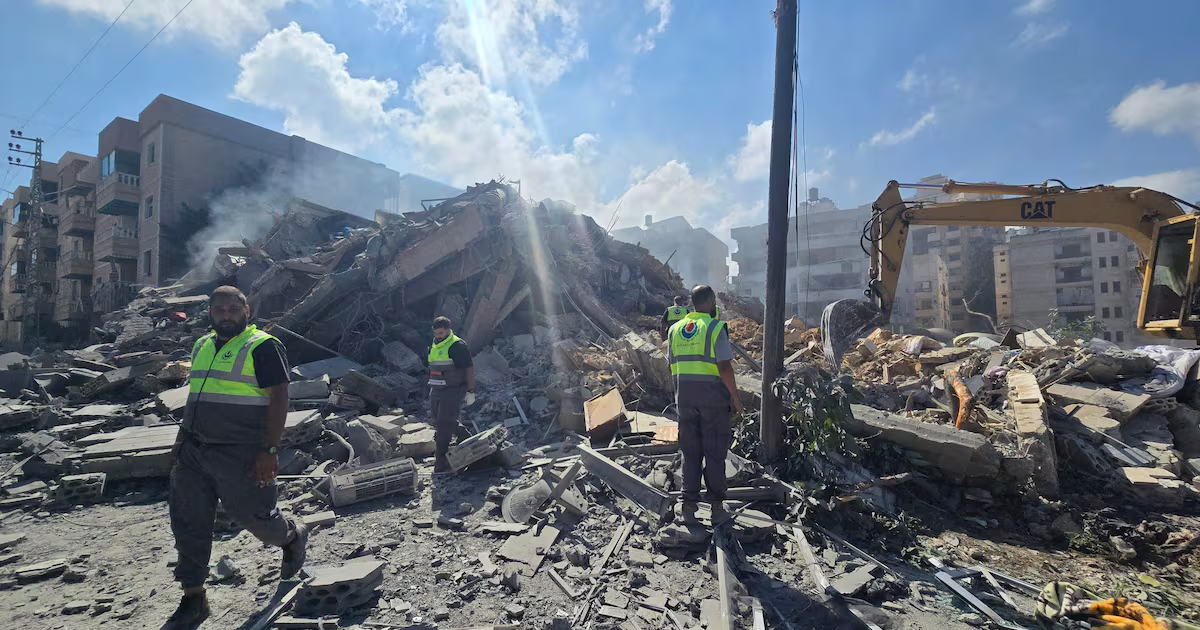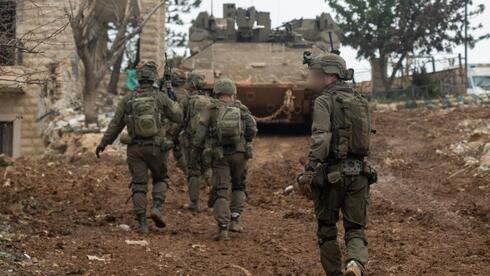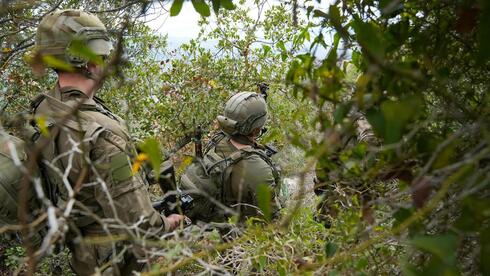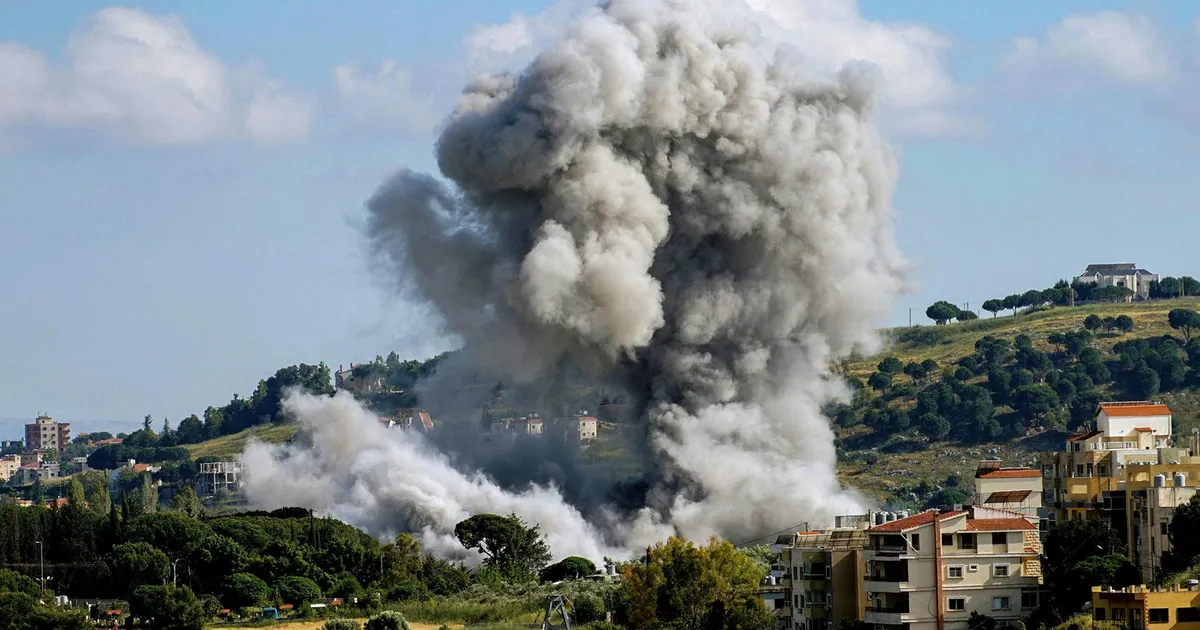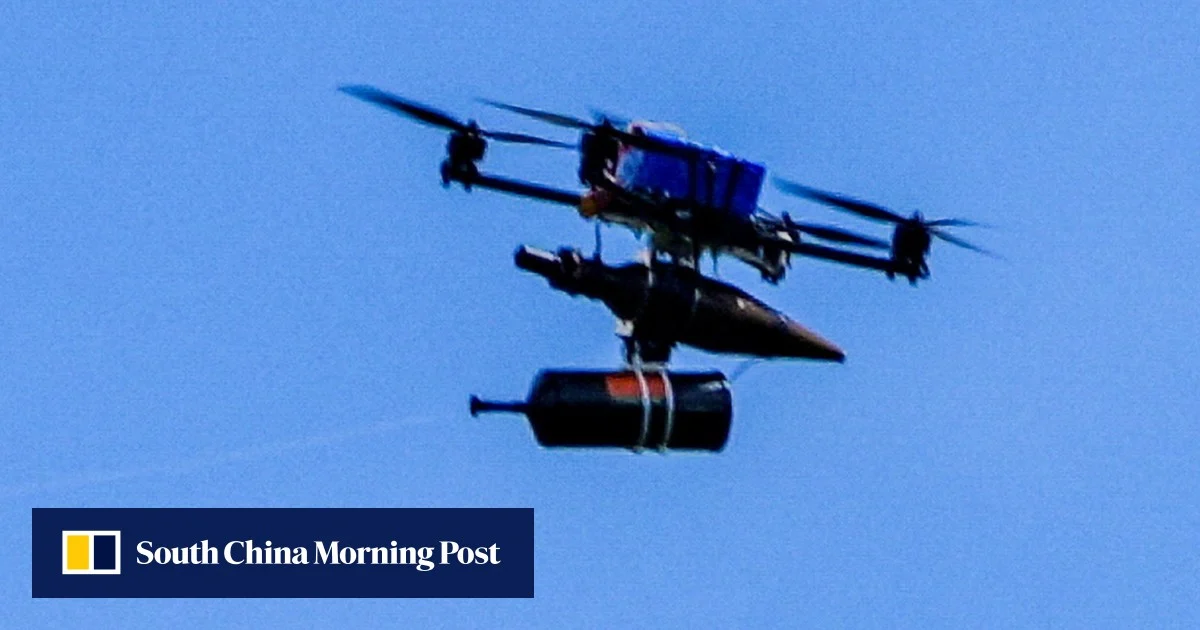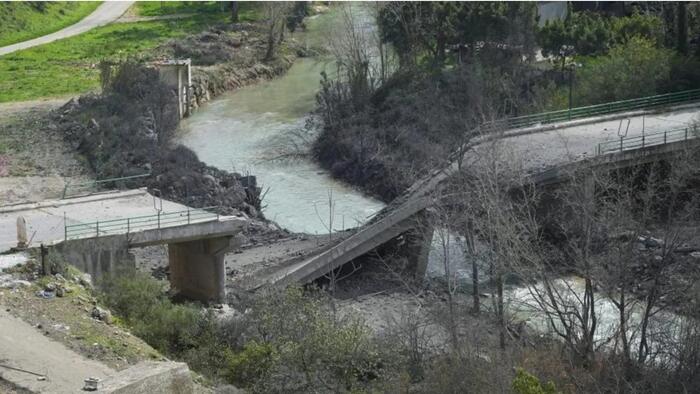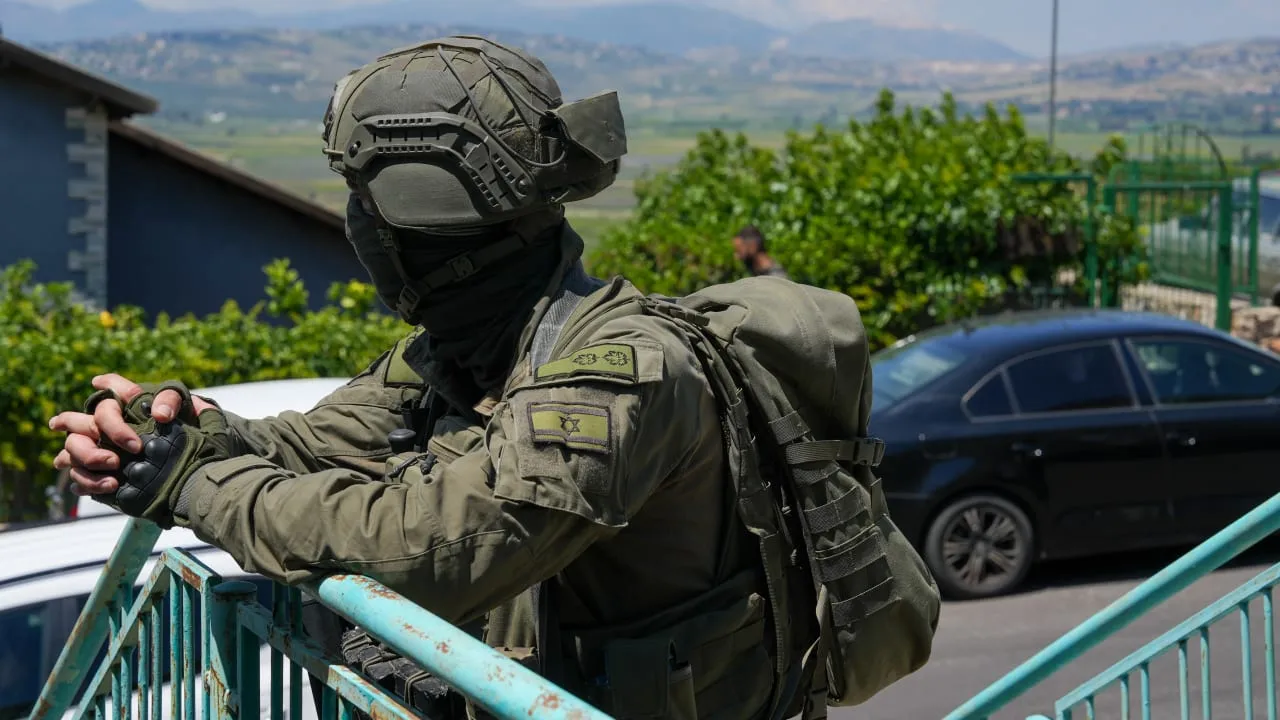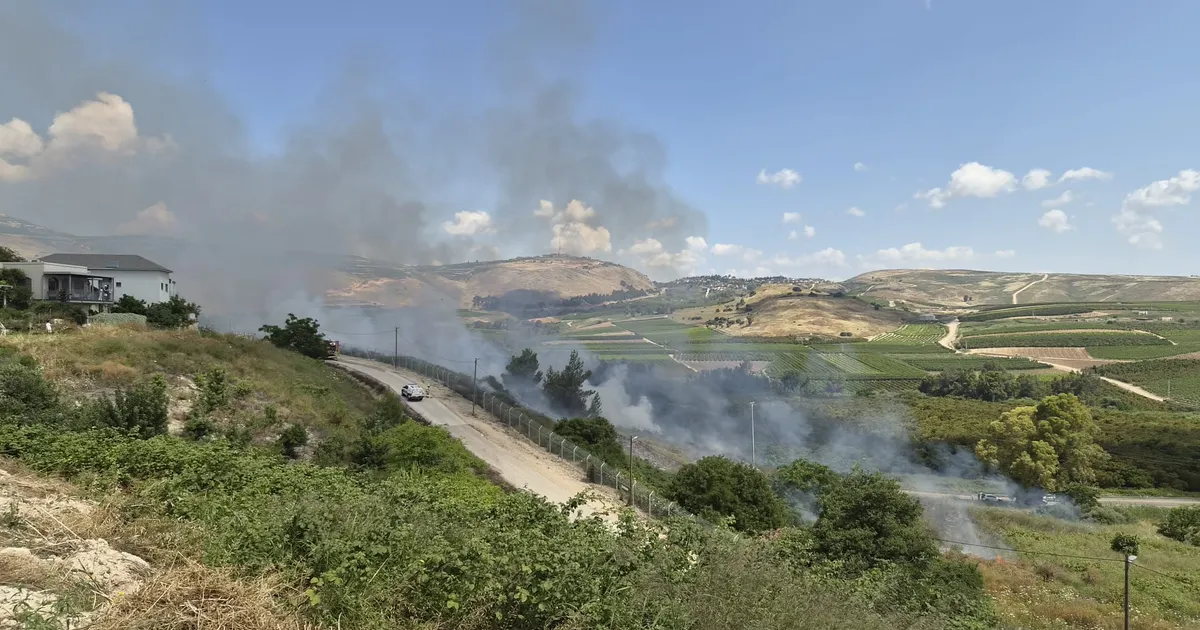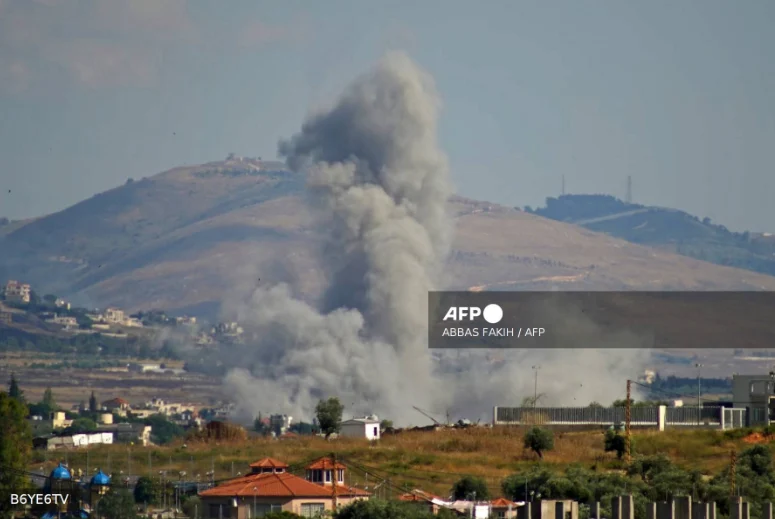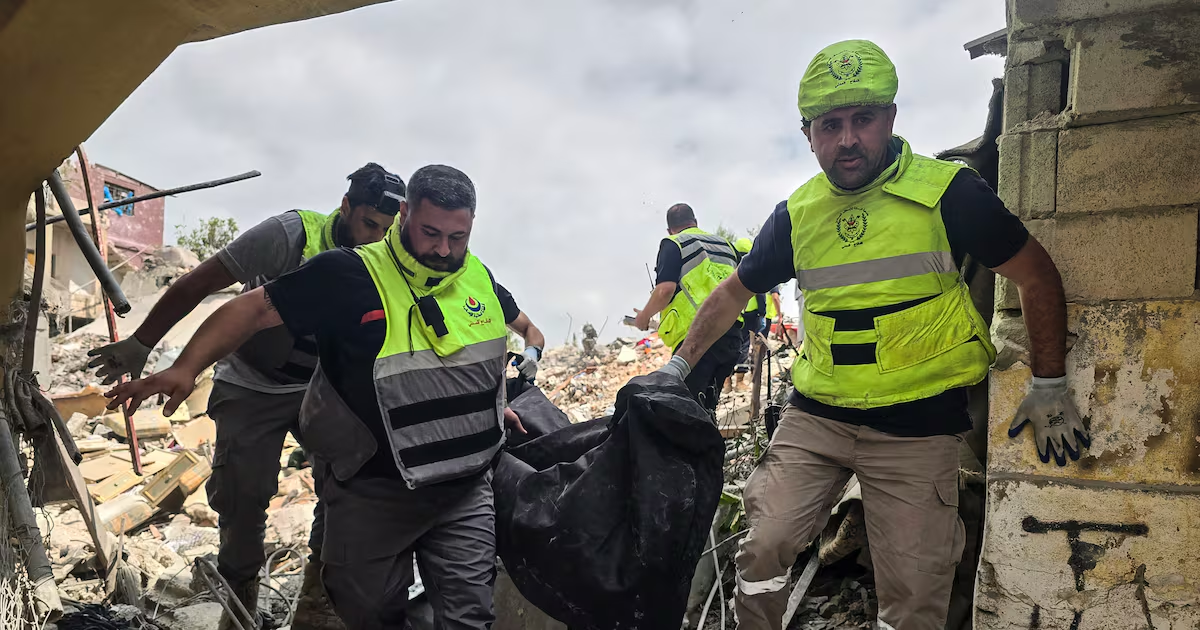
Tuesday’s escalation by the Israel Defense Forces (IDF) in the fighting against the Iran-backed Hizbullah in Lebanon followed growing criticism in Israel that soldiers in south Lebanon, and increasingly communities on Israel’s northern border, had become easy targets for militant drone attacks, while the US was limiting Israel’s military response.Prime minister Binyamin Netanyahu on Monday vowed to “crush” Hizbullah. The following day, Israeli troops pushed into areas north of the “yellow line” security zone while air strikes targeted Hizbullah militants across southern Lebanon and the Bekaa valley, killing at least 31 people.The yellow line forms part of a proposed buffer zone extending 5km-10km into southern Lebanon. Israel’s military had ordered residents not to return to dozens of villages in the zone, and its troops have been destroying homes in the area.Iran has demanded that any agreement to end the Gulf war also apply to fighting in Lebanon. It remains to be seen if the latest escalation will affect efforts to reach a memorandum of understanding between Washington and Tehran.It appears that Israel and Hizbullah are trying to improve their positions on the ground ahead of the imposition of a permanent ceasefire, set by the US, as part of a comprehensive deal to end the fighting in the region.In recent weeks Hizbullah has increasingly used fibreoptic drones – a relatively primitive device that can be purchased on the internet – attaching small bombs before launch. These drones transmit control signals and high-definition video through a physical, hair-thin fibreoptic cable instead of wireless radio waves, rendering them completely immune to Israeli electronic warfare and jamming.So far, the IDF has failed to come up with a solution and Hizbullah is gradually firing more drones across the border, disrupting daily life in northern Israeli communities.IDF chief of staff Eyal Zamir suggested at a security cabinet meeting this week that Israel should attack buildings in Beirut’s Dahiyeh quarter – a Hizbullah stronghold – in response to the drone attacks. But a more aggressive response from Israel is being blocked by the US, which insists that Beirut, for now, is off limits. Even so, large numbers of residents fled the Shia neighbourhood on Tuesday and Wednesday, fearing a resumption of Israeli strikes was just a matter of time.A man walks through the rubble caused by an Israeli airstrike on Tuesday in Tyre, Lebanon. Photograph: Adri Salido/Getty Images Lebanon’s health ministry says the cumulative toll from the Israeli offensive since March 2nd, when Hizbullah fired projectiles into Israel in response to the start of the Iran war, reached 3,213 dead and 9,737 wounded on Tuesday. The Israeli military said 10 of its soldiers had been killed since the April 16th ceasefire, six of them by Hizbullah’s explosive drones.The World Health Organisation has said at least 608 people in Lebanon have been killed in Israeli attacks since the truce.Hizbullah has not released figures for its own casualties.A further round of direct talks between military delegations from Israel and Lebanon is scheduled for Friday in Washington. They will be followed by talks at a political level in early June.The Lebanese government plans to insist on implementing a permanent ceasefire, and the withdrawal of Israeli forces.Hizbullah has criticised the talks and the militant group’s leader, Naim Qassem, has threatened civil war if the Beirut government tries to force Hizbullah to disarm. This has prompted US secretary of state Marco Rubio to accuse Hizbullah of trying to plunge Lebanon “back into chaos.” – Additional reporting: Reuters
Intensified IDF airstrikes in Lebanon follow surge in Hizbullah drone attacks
Northern Israeli communities and soldiers in south Lebanon ‘easy targets’ for fibreoptic drones immune to jamming
575 words~3 min read