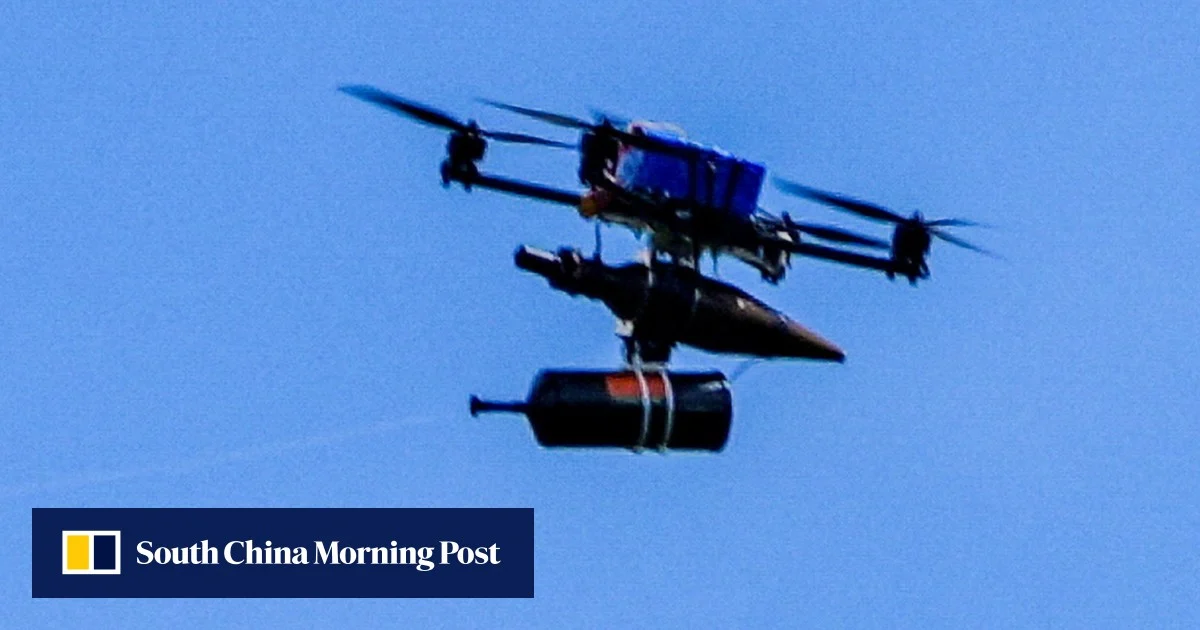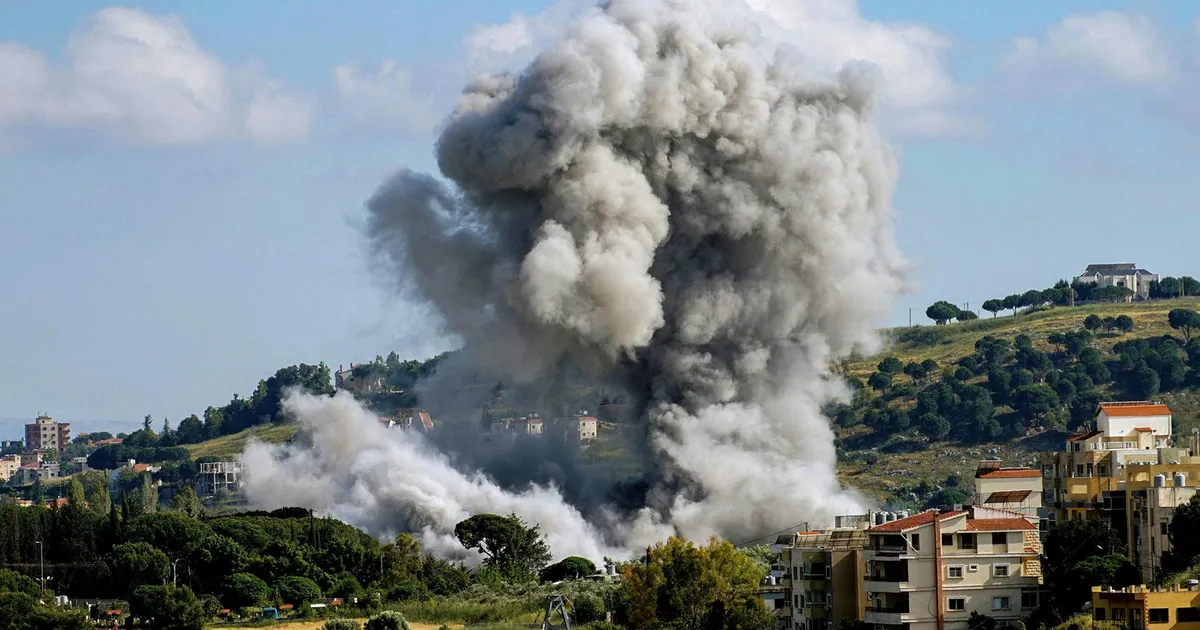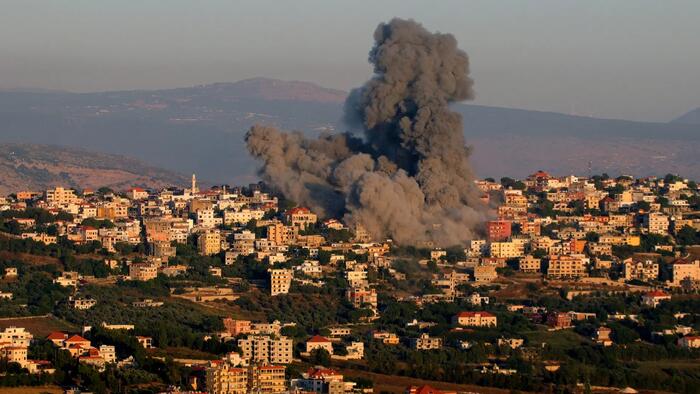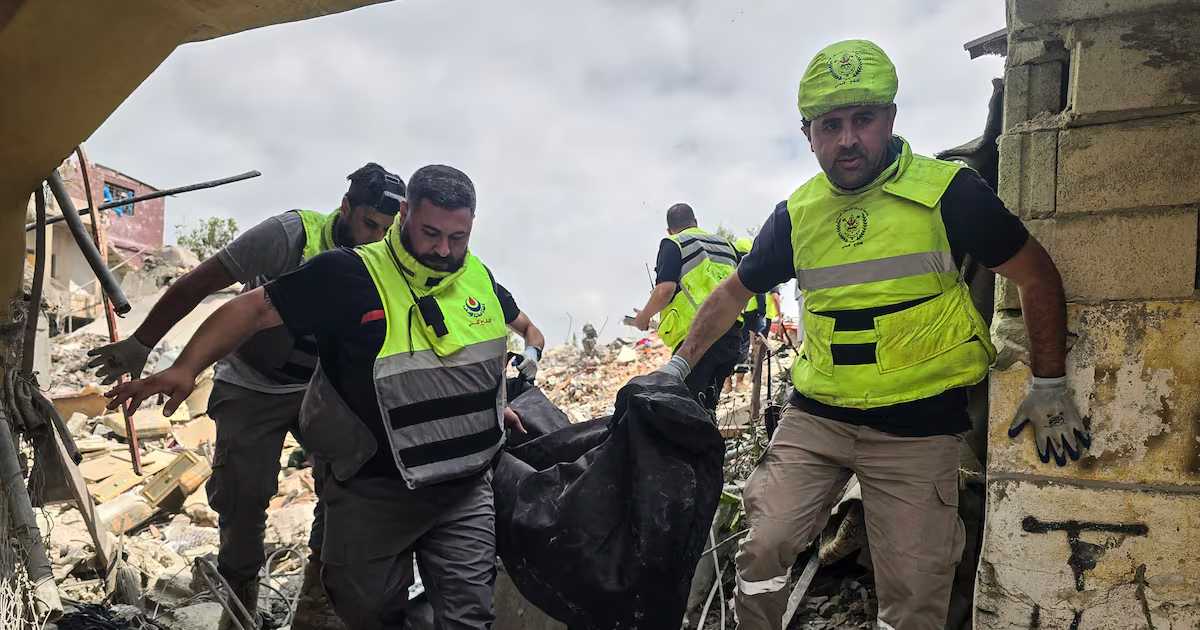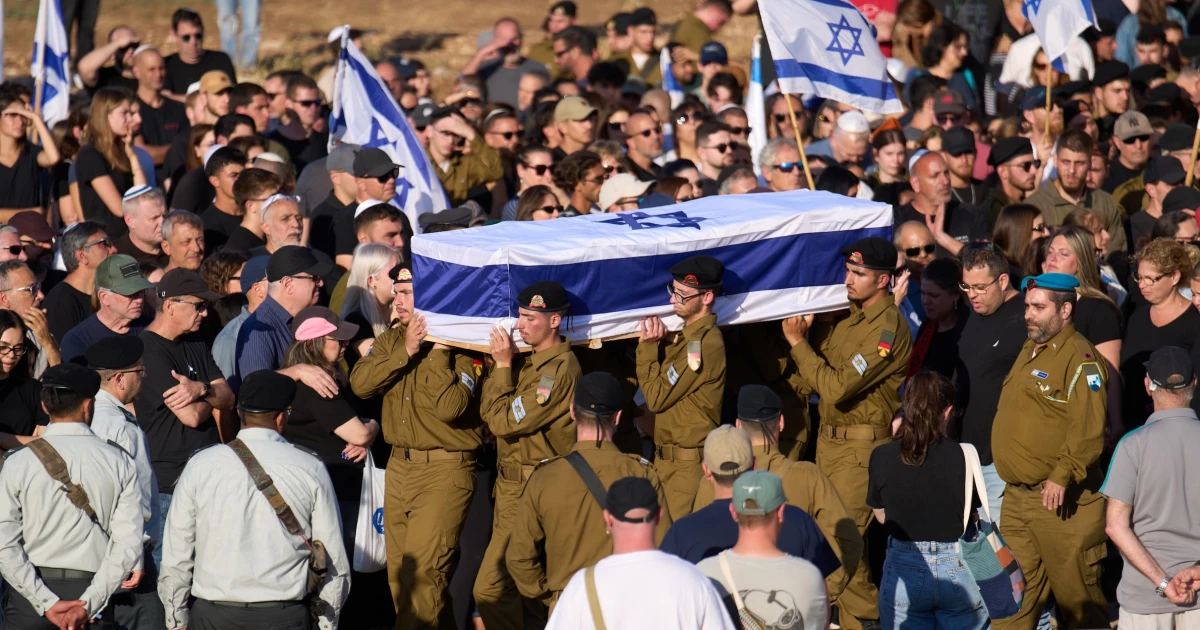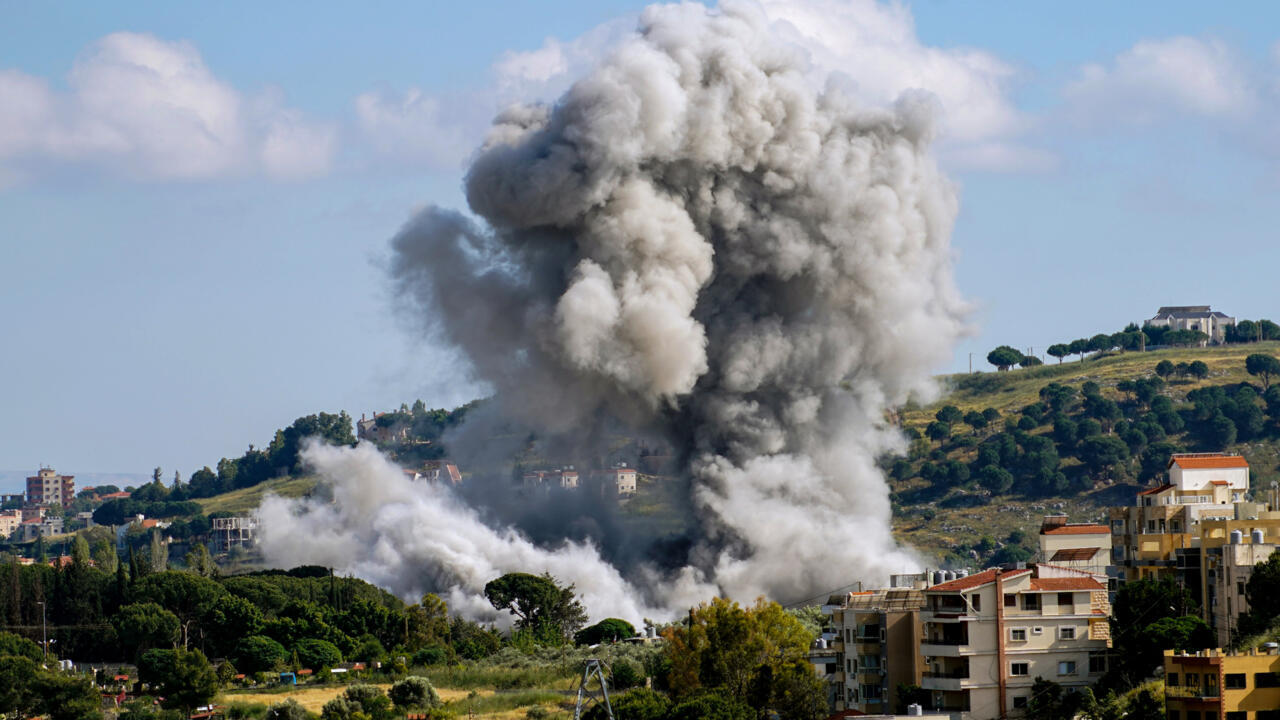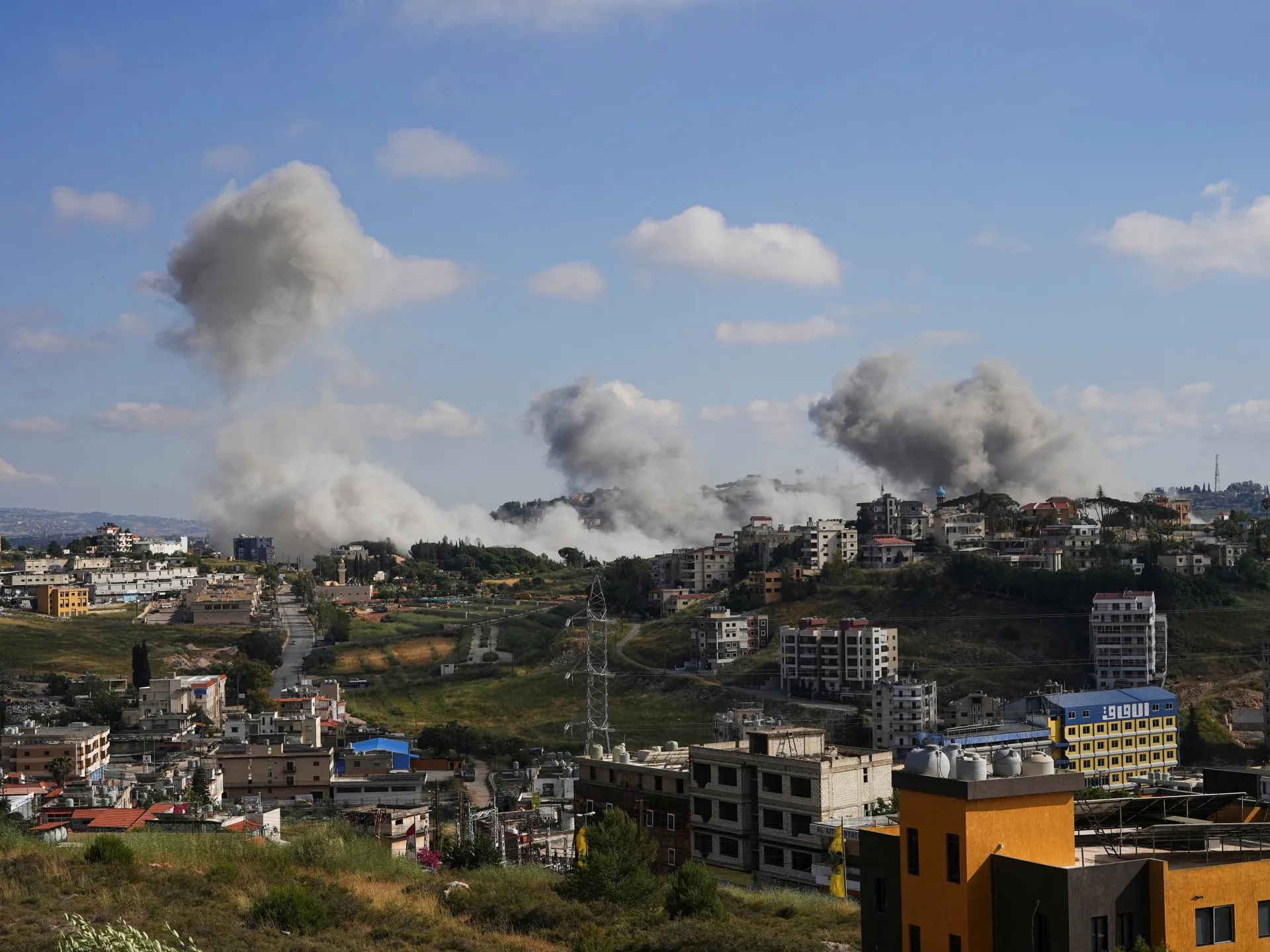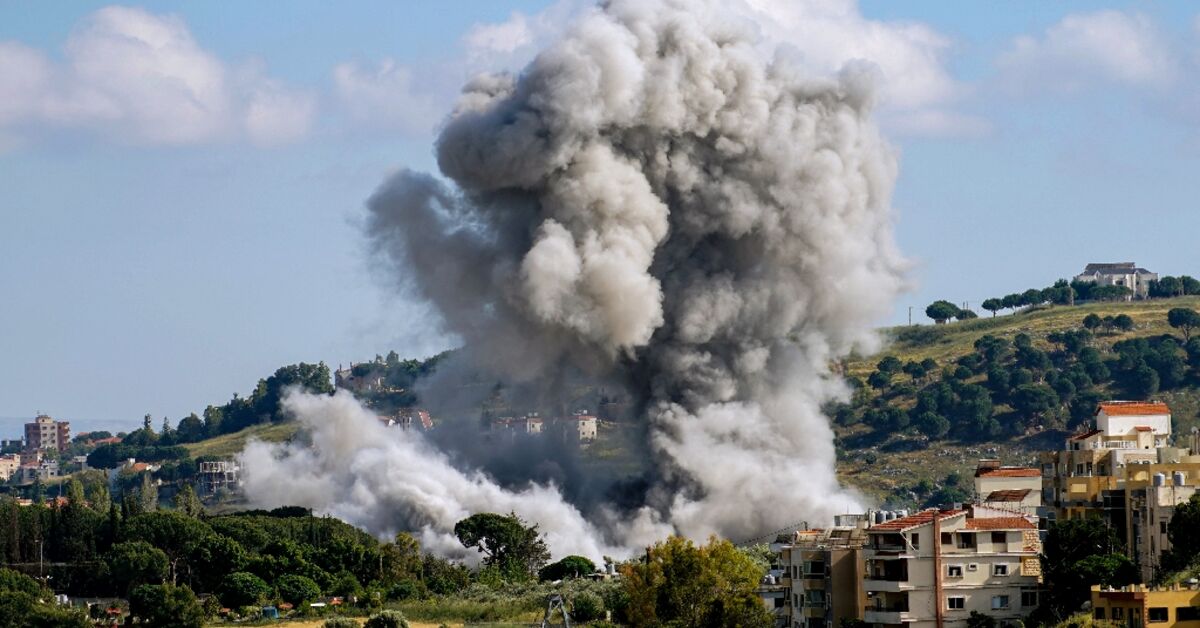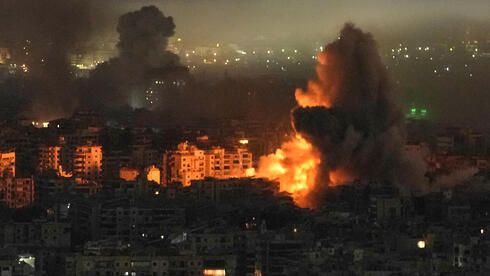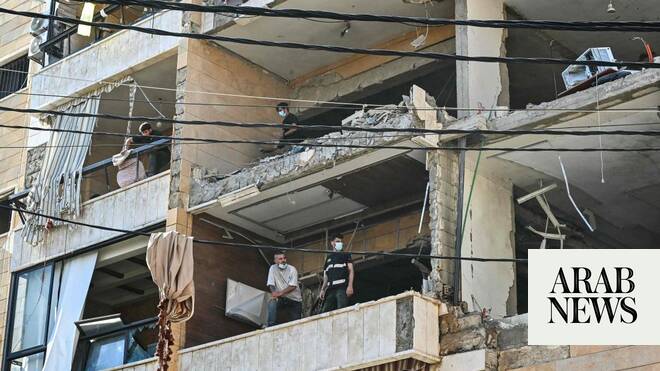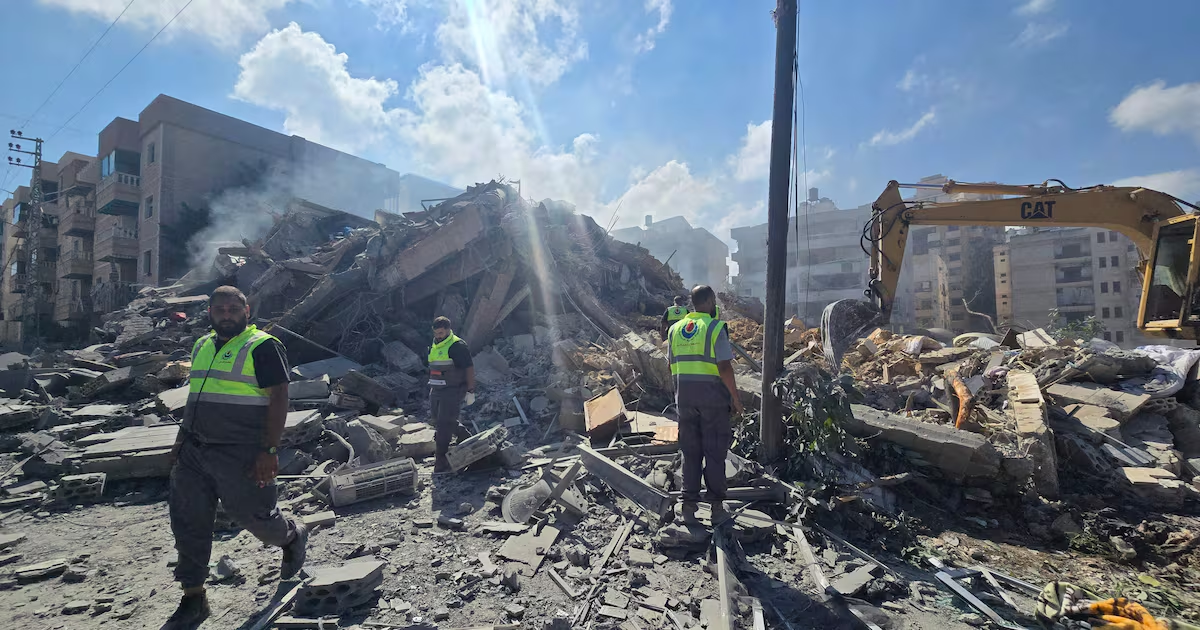
Israel said it would intensify its campaign in Lebanon overnight, as alarm builds over Hezbollah's drone capabilities, which are exacting a heavy toll on Israeli troops and northern communities. Fears of an enhanced Israeli campaign came after Prime Minister Benjamin Netanyahu said he had ordered the military to “press the pedal even harder”. It has been reported the US, previously thought to be restraining Israel in Lebanon so as not to jeopardise negotiations with Iran, has now given the go-ahead for more Israeli operations. The escalation marks yet another turn in the years-long conflict between Israel and Hezbollah, which has dragged on since the start of the Gaza war. Israel’s bombardment and ground operations in Lebanon have killed thousands, displaced much of the population and destroyed crucial infrastructure. While Hezbollah has been significantly weakened, with key commanders killed and large amounts of its arsenal destroyed, Israeli leaders are concerned about the level of damage the group has been able to inflict in the latest round of fighting, in particular with fibre-optic drones, which are effective at bypassing the army's current counter-drone measures.Images of Hezbollah leader Naim Qassem, left, and his predecessor, the late Hassan Nasrallah, are displayed at a gathering to mark Resistance and Liberation Day' in Beirut's southern suburbs. EPAInfoIsrael’s military said 23 soldiers and four civilians have been killed since the latest escalation with the group started on March 2. Mr Netanyahu referenced these fears in his comments about Hezbollah on Monday evening, saying “yes, they are attacking us with drones, cyber-enabled drones, and we have a special team working on this, and we will solve that, too”.Amid the rising hostilities, Israel’s Home Front Command has increased restrictions on public gatherings in northern Israel. Gatherings are to be limited to 50 people in open areas and 200 indoors. The limitations add to frustration among the public and Israel’s opposition that Mr Netanyahu’s government is mismanaging security in the north, where life has been severely disrupted since the Gaza war began.Israel has also been concerned about reported Iranian demands that the war in Lebanon cease as part of any peace settlement with the US, a process that remains an urgent priority for the White House amid fears of massive economic fallout from instability in the Gulf. There have been numerous reports that the Israelis have been largely frozen out of US-Iran negotiations, stoking anxiety in the country that a resolution to the war would be on disadvantageous terms for Israel. Mr Netanyahu’s comments came shortly after senior Hezbollah officials, including Secretary General Naim Qassem, issued fiery statements to mark the anniversary of Israel’s withdrawal from southern Lebanon on May 25, 2000. Mr Qassem also criticised Lebanon's government, which is under heavy pressure from the US and Israel to undertake the difficult task of disarming Hezbollah.“If this government cannot protect sovereignty, it should resign. Where is sovereignty if America controls Lebanon’s institutions, policies and appointments?” Mr Qassem asked.
Israel to 'press pedal even harder' in Lebanon in response to drone fears | The National
Hezbollah's evolving aerial tactics exact growing toll on Israeli troops and northern communities
488 words~2 min read