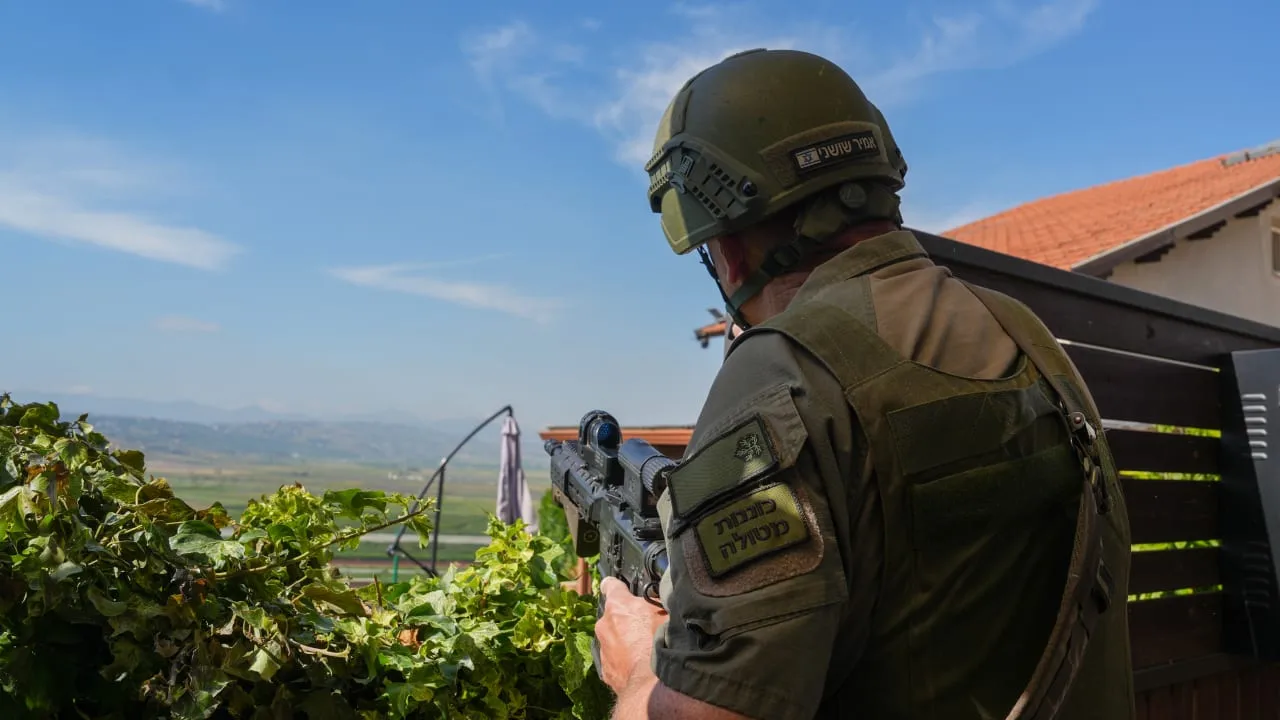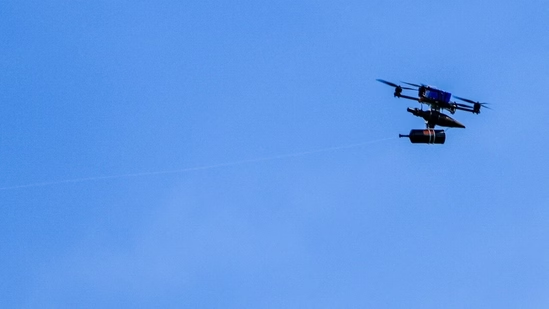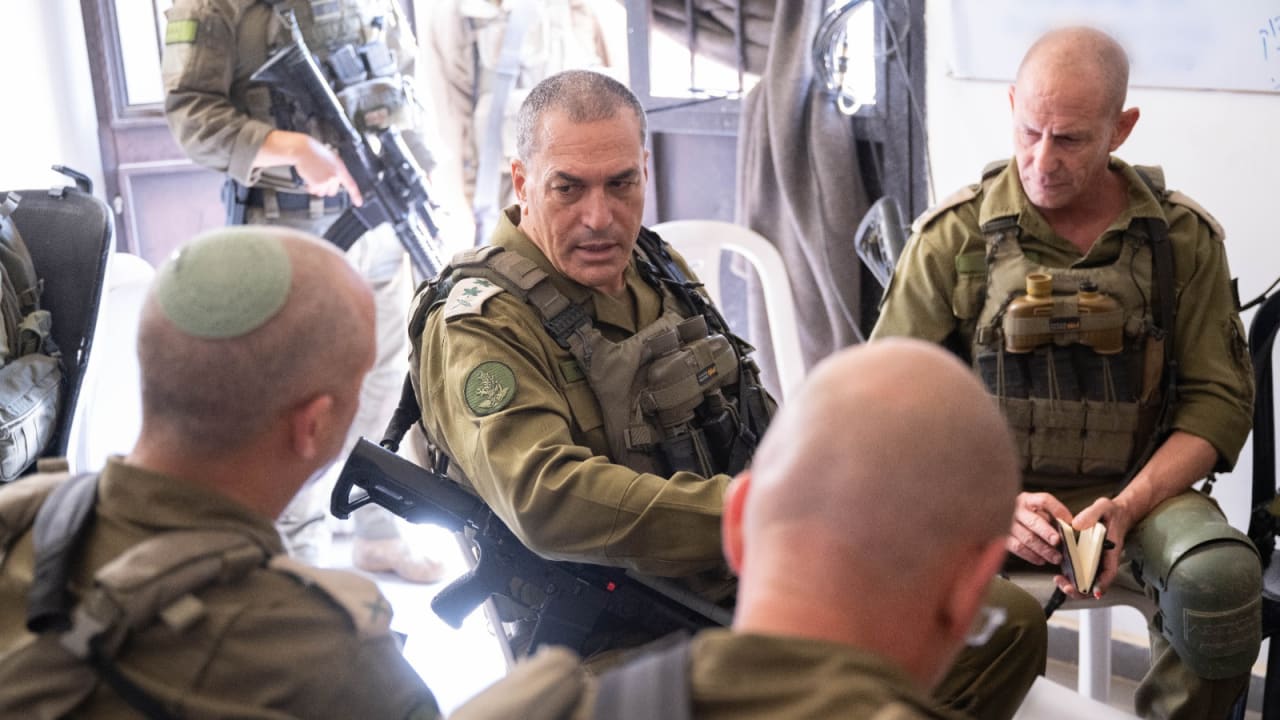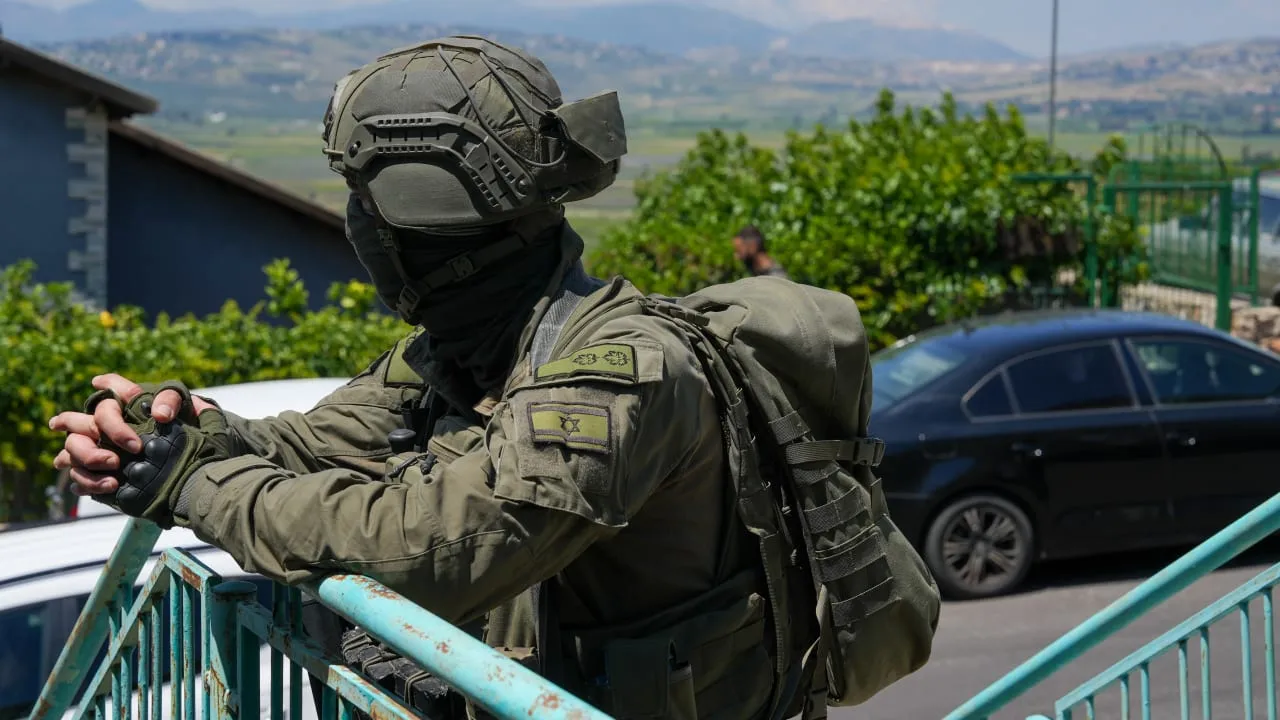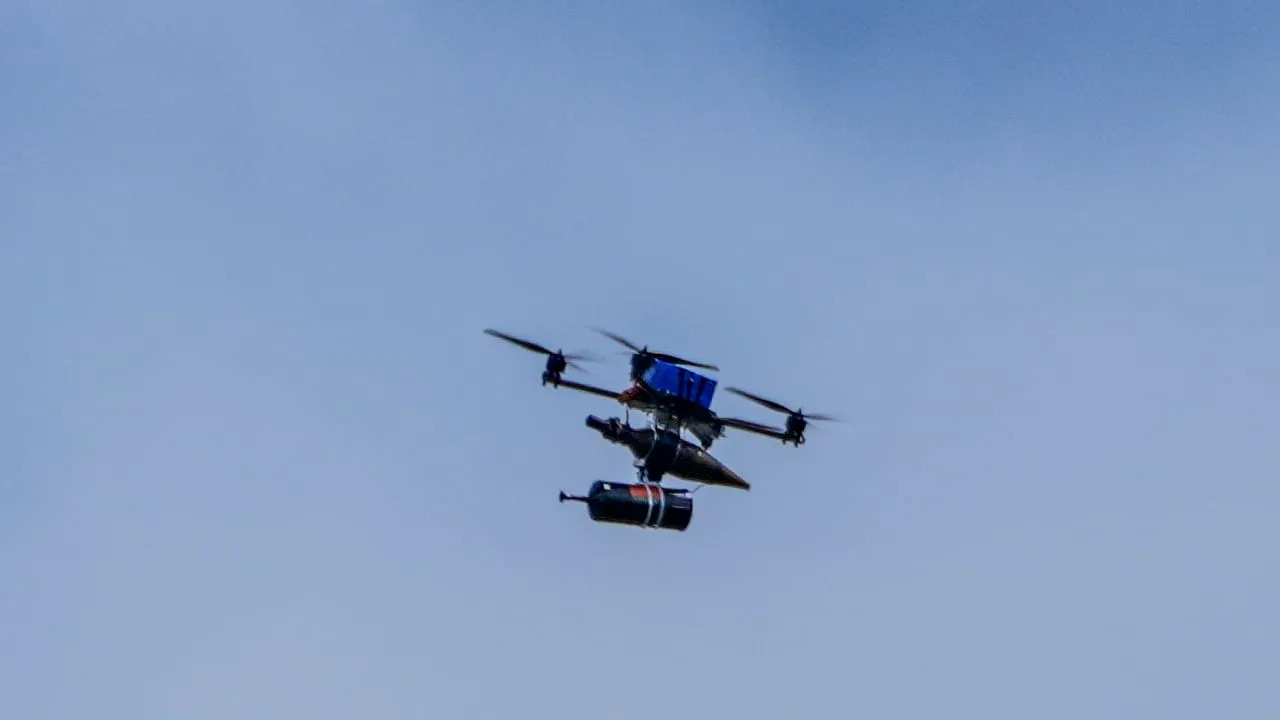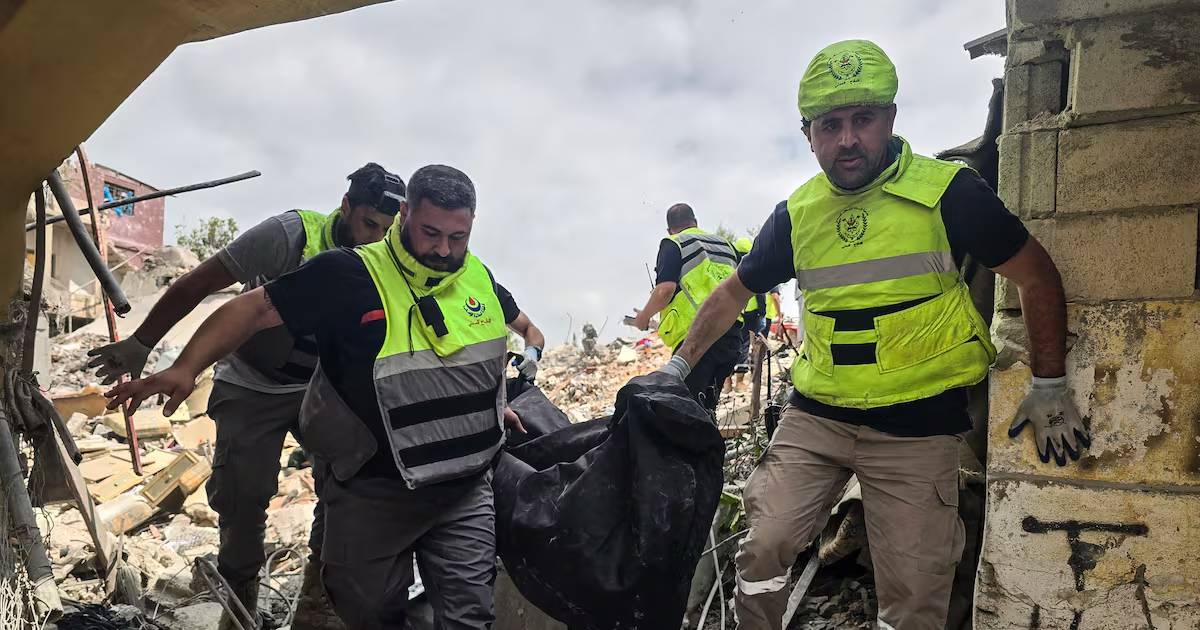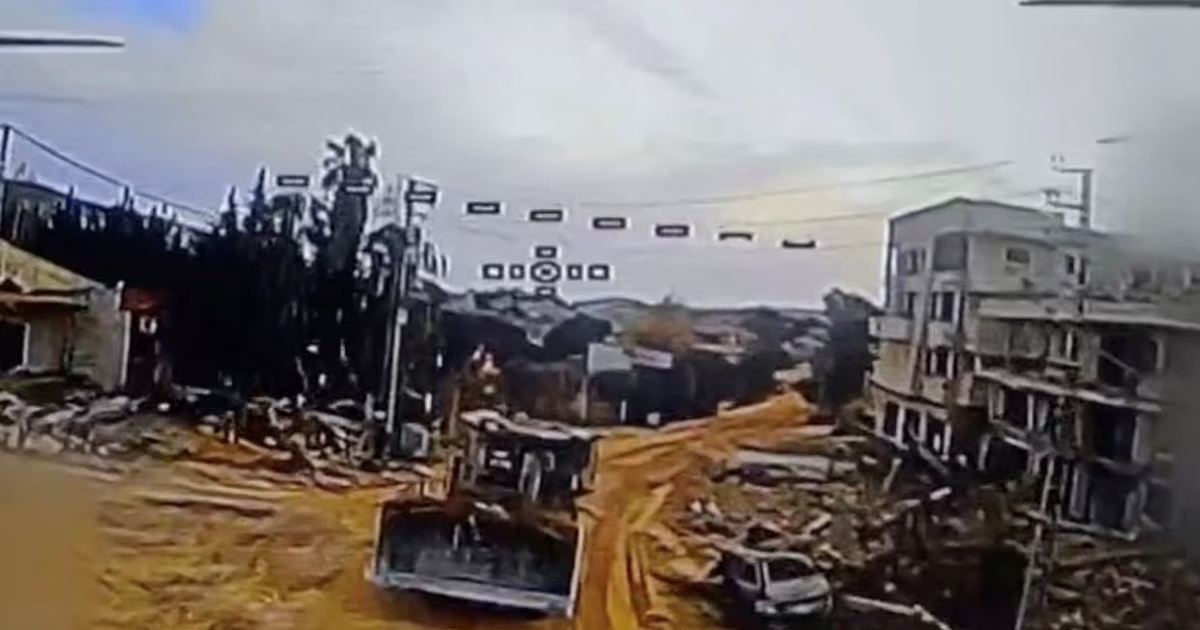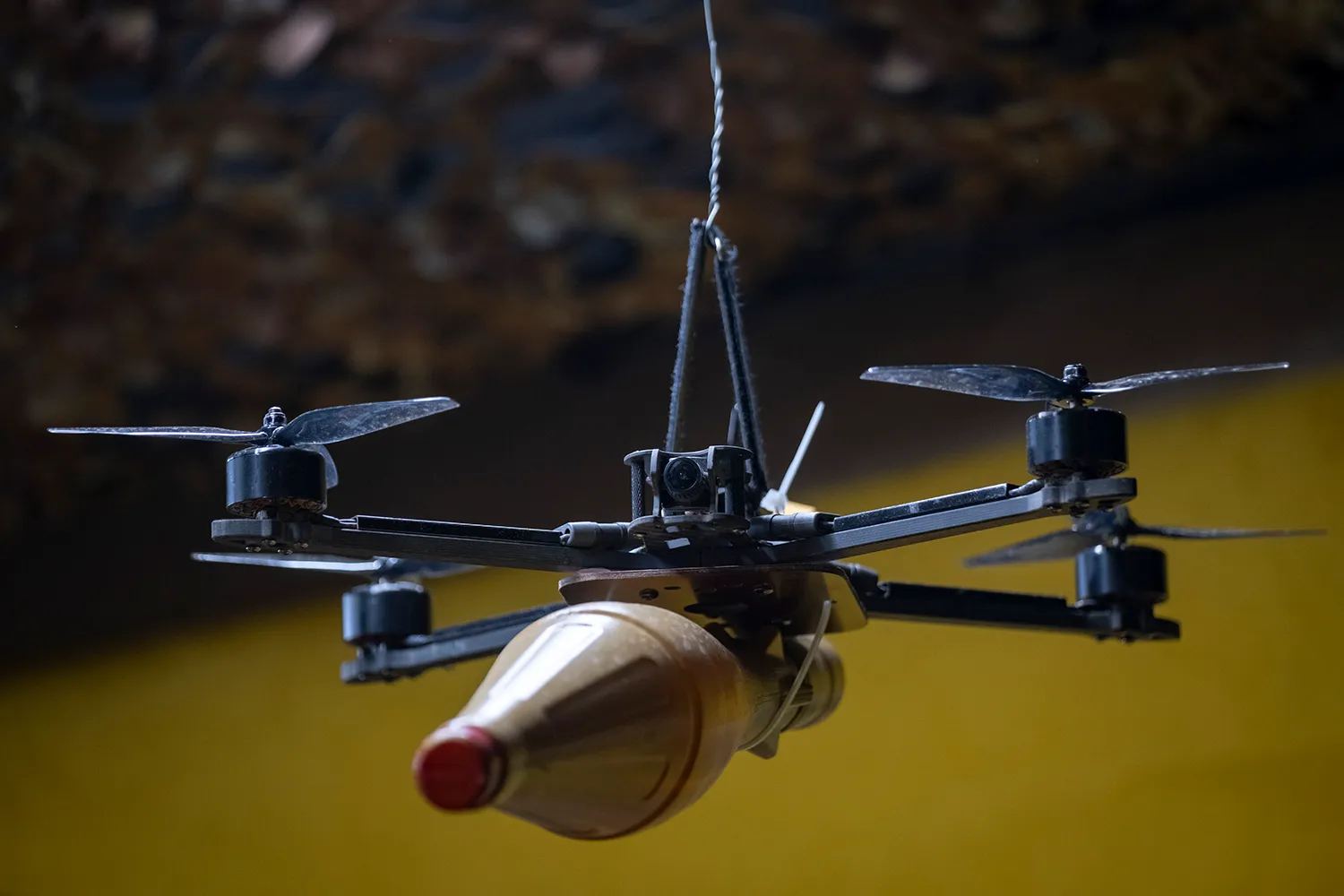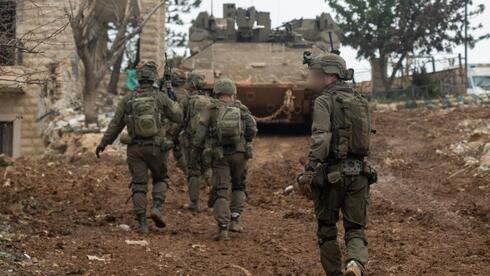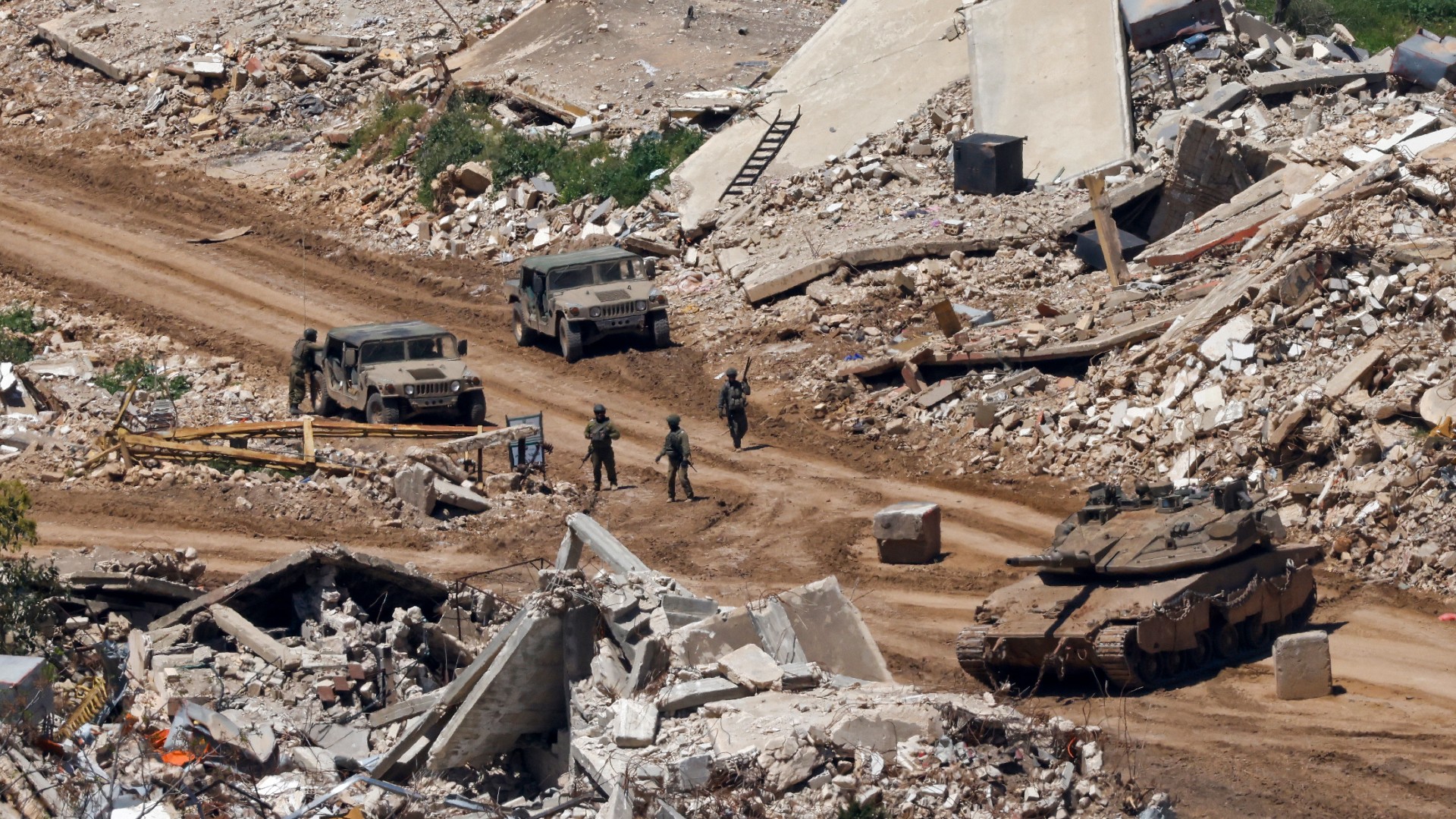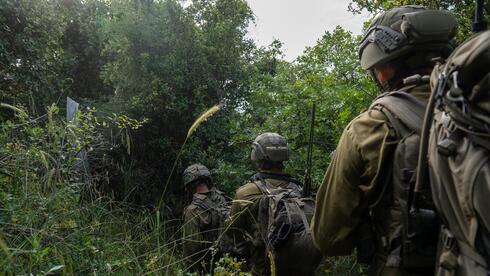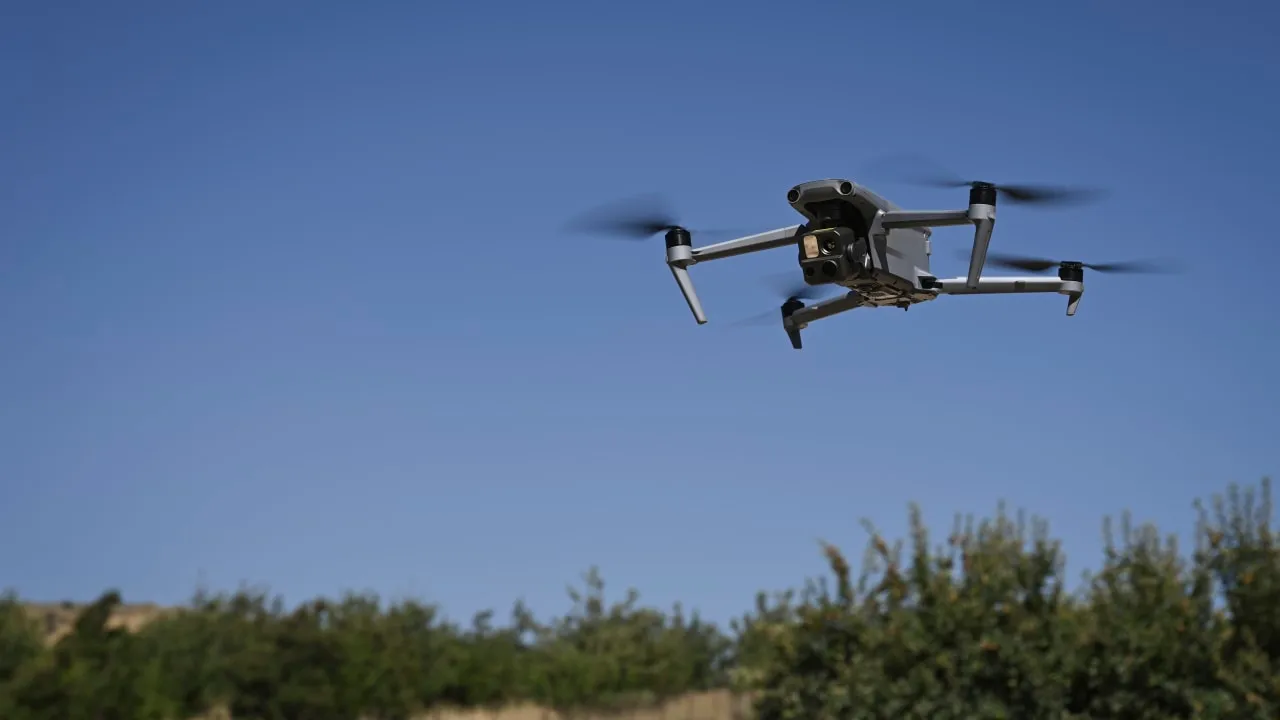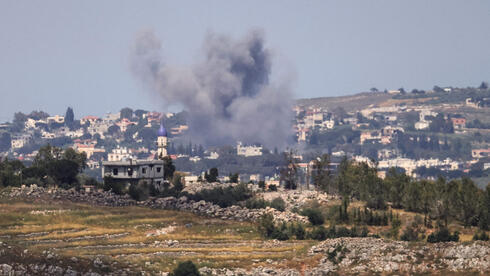
Opinion: FPV drones make withdrawal to the old border impossible; Israel must push deeper into Lebanon, clear Hezbollah from the south and destroy its infrastructureBoaz Haetzni|Israel’s defense establishment arrived at the drone crisis unprepared, even though it had received a priceless gift: a glimpse into the future from years of war in Ukraine.You do not need to be a military expert to understand that one of the main reasons Russia’s advance in eastern Ukraine was halted was the entry of drones into the battlefield. The staggering price both sides are paying from hundreds of thousands of drones has frozen armies in place, inflicting unimaginable losses in lives and equipment.1 View gallery IDF strike in Lebanon (Photo: AFP)The result is static trench warfare, where the name of the game is protecting positions, vehicles and even long roads with poles and nets that allow military movement. Anyone who sticks his nose outside the netting is quickly attacked by a drone and forced back. The war has become a mutual war of attrition, including the destruction of infrastructure far behind the front, sometimes thousands of kilometers away.There is no real solution to fiber-optic drones, other than protection, alongside very limited success in early detection and interception. In other words, the criticism of the defense establishment is not that it failed to invent a solution in advance. The criticism is that soldiers did not already have the equipment and defensive drills for an unsolved problem that has been known for years.Drones and UAVs are the ideal tools for the economically and technologically weaker side. They are cheap, simple, mass-produced and make a mockery of the expensive systems used by modern armies. If the Air Force intercepts a UAV costing tens of thousands of dollars with an air-to-air missile costing hundreds of thousands, that is a recipe for bankruptcy. The same is true of cheap rockets intercepted by costly Iron Dome missiles, and of drones that cost almost nothing and are barely intercepted at all, even at wildly disproportionate prices.When a terrorist wakes up in the morning and decides to stab a Jew, all he needs is to buy a knife for a few shekels and set out. It is a completely precise attack, highly lethal and almost impossible to prevent. The drone is the technological knife. It costs almost nothing, can be bought in parts online, a training simulator costs 70 to 100 shekels, and the operator does not even need to approach the victim because he can see him from kilometers away.Israel has no real advantage against an approaching fiber-optic drone, except trying to spot it and shoot it down in the final meters of its flight, a task much harder than that of a soccer goalkeeper. The strategic danger lies in the accumulation of many tactical successes: repeated strikes on our forces and a level of bloodletting we cannot withstand. One need only remember the flight from Lebanon in 2000, which created the “spider web” image that encouraged the enemy and led to further prices Israel later paid.The October 7 massacre gave us a bitter reminder of whom and what we are facing, and of how flight from terrorism in exchange for a little more quiet ends, as has been our habit for decades. Buying a few years of quiet now against Hezbollah is possible only by returning to the old border, while knowing full well that Hezbollah is rebuilding its enormous terror system. This time, the IDF and residents of the northern border would also face tens of thousands of drones that could easily pay visits through the windows of homes and schools.In other words, drones have become a factor that does not allow Israel to withdraw to the old border. They require us to wage an all-out war against Hezbollah, an organization founded by Iran against Israel that has turned Lebanon’s Shiite population into its proxy.When the branch is too strong, you cut down the trunk. When drones cannot be neutralized, the only serious way left to protect the north is to advance northward, remove Hezbollah and destroy its infrastructure for as long as its attacks continue.Unlike Russia, Israel has the ability to do this because nothing interferes with the Air Force in Lebanon. Our intelligence and firepower capabilities are immeasurably greater than Hezbollah’s, especially since most of its vast artillery system no longer exists, and must not be allowed to rise again. Once Hezbollah understands that this is an irreversible and intensifying process in which it only accumulates damage, surrender is only a matter of time and patience.This is a harsh course of action, and one gets the slight impression that not everyone in the world will applaud us for it. But the alternative is the images of October 7.Rapid response team in northern Israel chasing a Hezbollah droneAll of Israel’s enemies, on every front, are now watching how we respond to Hezbollah’s drones, because this new weapon gives them enormous possibilities.For supporters of a Palestinian state, here are the options that open up in the drone age. The range of a fiber-optic drone depends on the length of the cable used to control it and transmit video of the target. A fiber length of about 20 kilometers is no longer unusual.Here are several distances from the Green Line to familiar locations: about 13 kilometers to Ben Gurion Airport, 200 meters to Kfar Saba, 7 kilometers to Ra’anana, 20 kilometers to central Tel Aviv, 12 kilometers to Netanya and to the Ramat David Airbase, 16 kilometers to the Nevatim Airbase, 12 kilometers to Beersheba and Arad, while Modi’in, Harish, Rosh Ha’ayin and Jerusalem touch the Green Line.Where would the drones come from? From parts bought on AliExpress, from the air train of heavy drones arriving from Jordan and Egypt, and from the hundreds of trucks entering Gaza every day without being inspected at the Jordanian border, as was reported after the attack at the crossing. In other words, Gaza is likely already full of drones, and the West Bank is on the way.The new situation created by drones requires a series of conclusions. Once again, it becomes clear that the key is territory cleared of the enemy. That means the final burial of the fantasy of a Palestinian state, the end of Hezbollah’s presence in southern Lebanon and the elimination of Hamas in Gaza at the first opportunity.The Shin Bet’s entry into the drone issue came far too late and must be reinforced. Weapons smugglers must be treated like Nukhba terrorists.The factor that will most affect the level of risk facing Israel’s security in the near future, particularly regarding drones, is our response to Hezbollah and its drones. Taking territory in southern Lebanon, clearly declaring that it will never be returned, and standing firm against the expected global assault could deter and calm other fronts and lead northern residents back to their homes.Weakness in Lebanon, as we have experienced in recent weeks, could spread and ignite additional fronts and permanently push northern residents south. Because in the end, it is either Hezbollah’s population in southern Lebanon or Jews in northern Israel.
Hezbollah drones leave Israel no choice in Lebanon: total military conquest
Opinion: FPV drones make withdrawal to the old border impossible; Israel must push deeper into Lebanon, clear Hezbollah from the south and destroy its infrastructure
1,182 words~5 min read