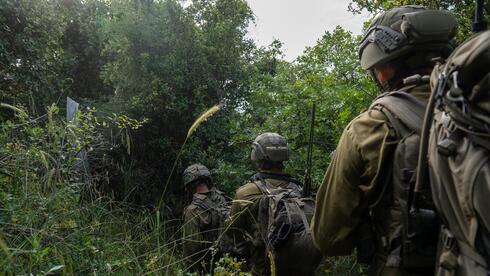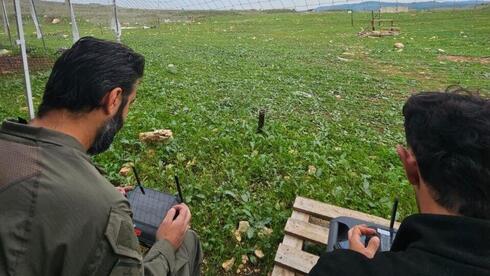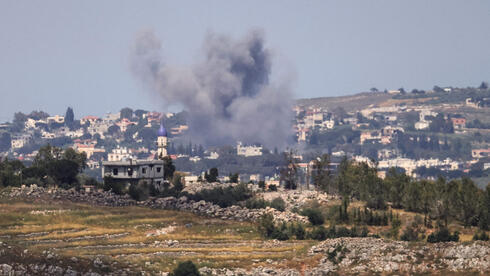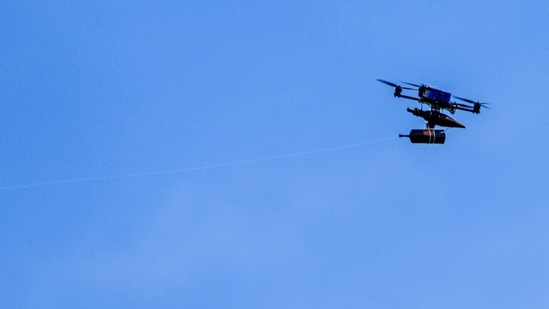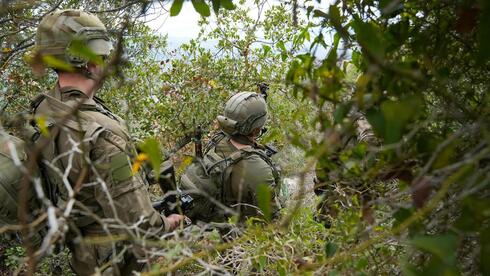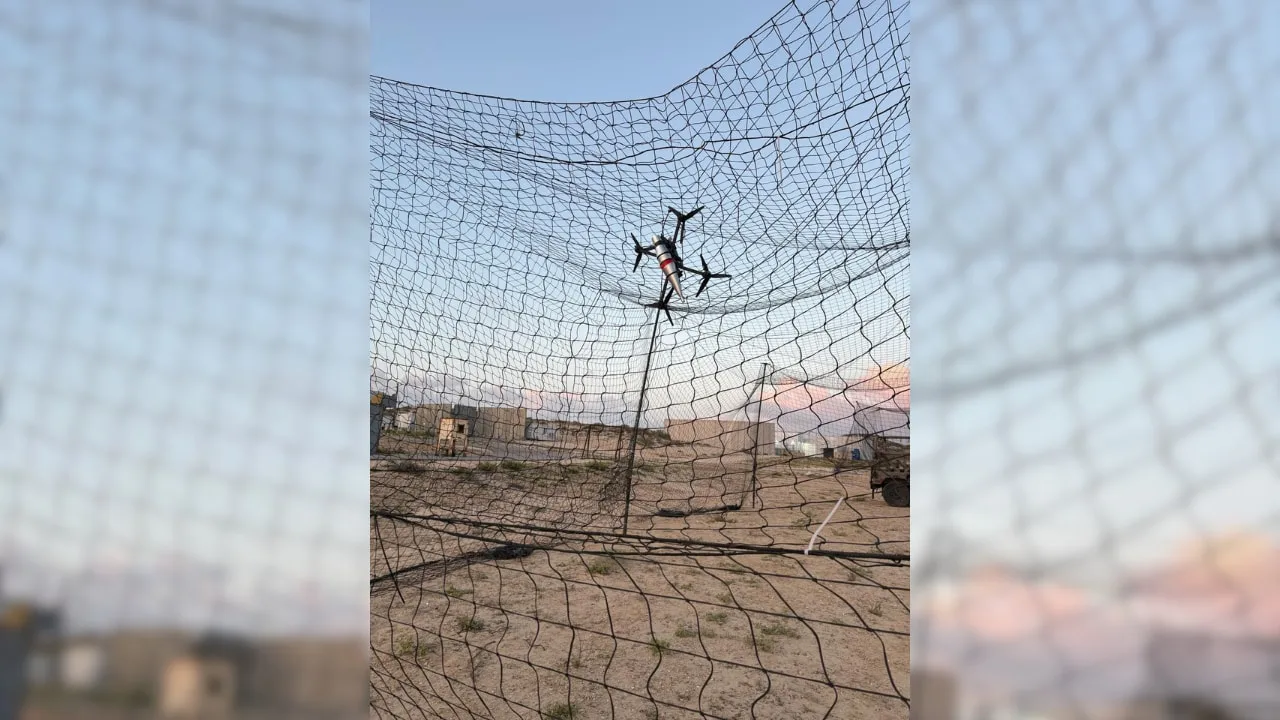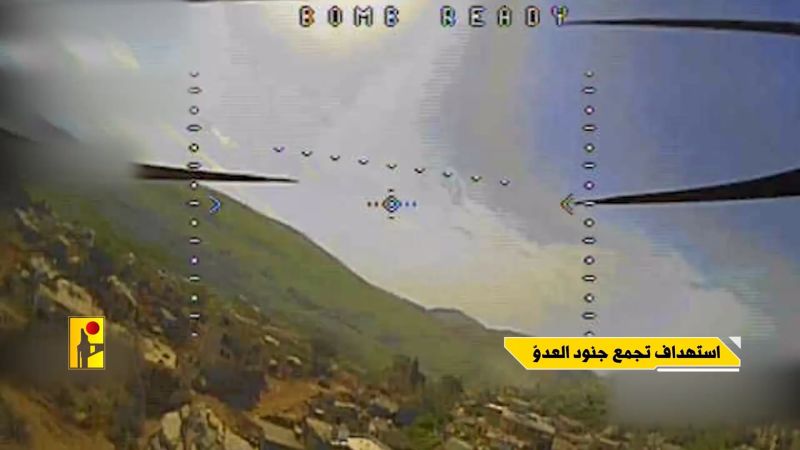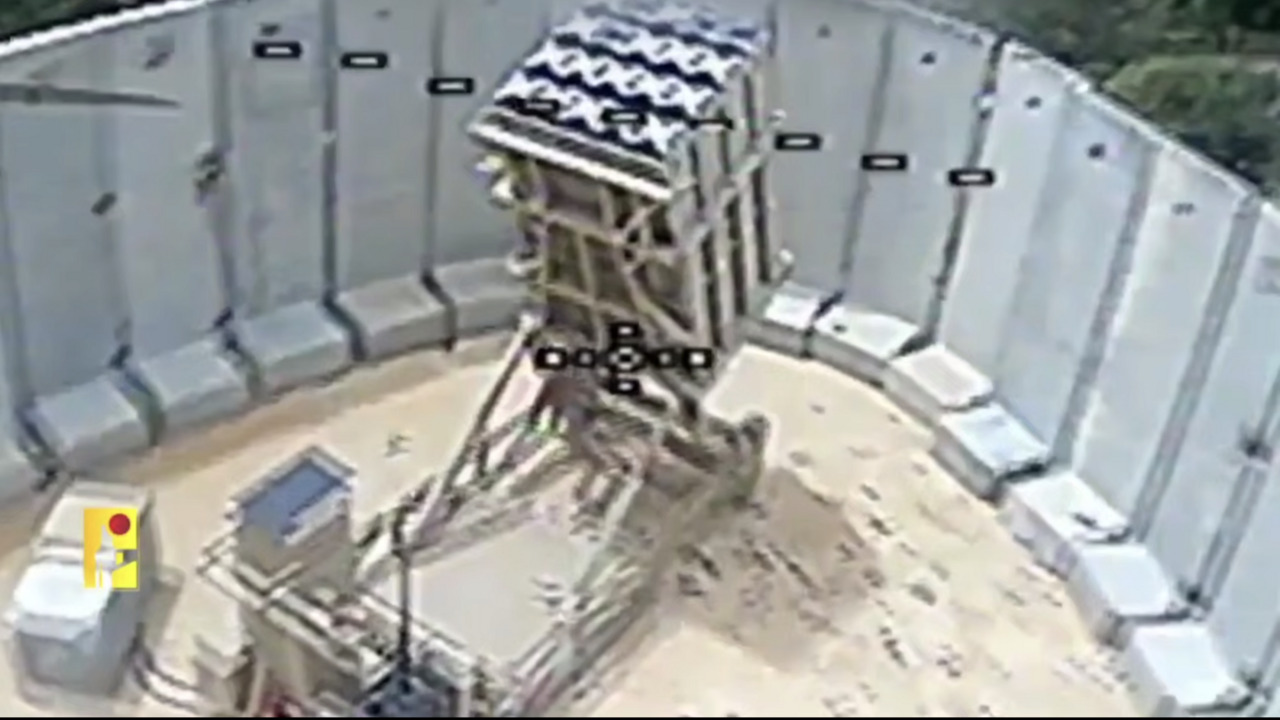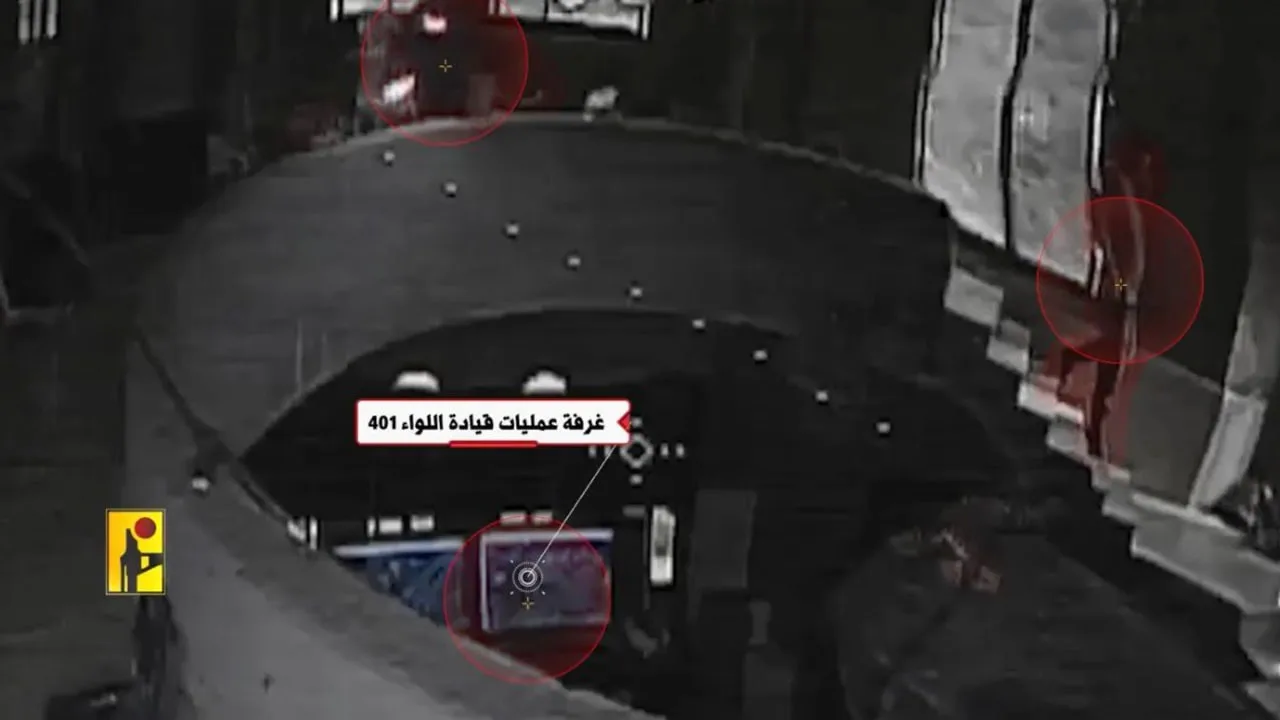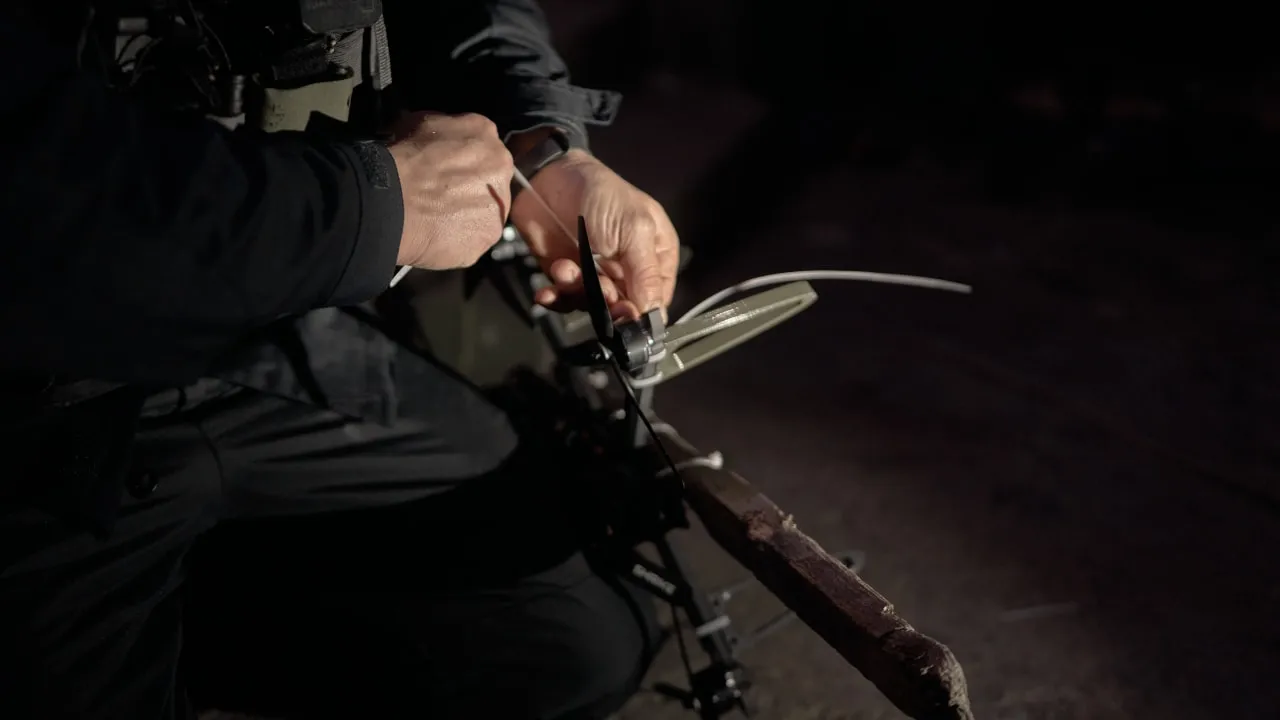
ByAMIR BOHBOTMAY 28, 2026 01:42Hezbollah's first-person view (FPV) drones have caused casualties and injuries among IDF troops in southern Lebanon, prompting the defense establishment to advance new interception and detection solutions.FPV drones, unlike drones that rely on wireless transmission, use a thin fiber optic cable to transmit data and commands directly from the operator to the drone. This provides the drones' immunity to typical electronic anti-drone systems, the ability to transmit HD-quality video without delays, and the ability to strike specific targets or operate inside buildings without losing reception.Shift toward optical, acoustic detectionAccording to security and military sources, following discussions in the Defense Ministry and the IDF, several solutions are being advanced to counter the drones. Officials stressed that appropriate operational conduct in the field remains the first line of defense.The defense establishment is now moving from frequency-based detection to optical and acoustic detection systems using means that were first deployed in the field only recently.An IDF soldier and tank operate in southern Lebanon on March 21, 2026. (credit: IDF SPOKESPERSON'S UNIT)The IDF has also advanced visual signature management and masking measures, including the use of dynamic smoke screens during the movement of infantry forces, tanks, and armored personnel carriers.At the same time, intelligence efforts have intensified to locate and strike drone operators. Additional air and ground firepower will reportedly be allocated to shorten the attack cycle.The IDF has also begun to install floating nets designed to disrupt drone warheads and create distance from armored vehicles. Head of the IDF Anti-Tank Defense Command, Brig.-Gen. Rami Abudraham promoted efforts to procure various types of nets and train field teams to install them on armored personnel carriers, tanks, buildings, outposts, and designated sites.Alongside these efforts, the Defense Ministry is promoting technological developments in several areas.Microwave weapons, lasers, and AI sightsThe Defense Ministry is also promoting the development and procurement of high-power microwave (HPM) weapons, which are designed to burn a drone’s internal circuits regardless of frequency.In parallel, laser interception systems are being developed to destroy drones or blind their lenses at what officials described as “zero cost.”The Defense Ministry and the IDF have also launched a large-scale procurement effort funded through a special budget approved by Prime Minister Benjamin Netanyahu and Defense Minister Israel Katz. The initiative includes AI-based smart trigger systems designed to help soldiers shoot down drones using small arms.The Defense Ministry has additionally begun purchasing pump-action shotguns. According to a defense source, the spread of shotgun ammunition significantly increases the likelihood of hitting fast-moving drones.“While an assault rifle requires a direct and precise hit on a small, fast object, a shotgun shoots dozens of lead or steel pellets that create a cloud of impact,” the source said. Officials added that even one or two pellets could damage a drone propeller or sever a fiber-optic wire, bringing the drone down.Dedicated anti-drone fighters assigned to unitsThe IDF also decided to develop designated anti-drone roles within combat units. Similar to practices used in the war in Ukraine, each infantry platoon or tank crew will reportedly include a fighter tasked with short-range aerial defense using a shotgun.According to defense officials, the approach is significantly cheaper than advanced technological interception systems.Additional defense measures include autonomous detection and interception systems, such as optical radar systems combined with artificial intelligence sensors that can identify movement patterns and shapes.Interceptor drones that autonomously track targets and deploy physical nets are also expected to be integrated.According to the Defense Ministry, the policy formulated by the Defense Ministry Director-General Maj.-Gen. (res.) Amir Baram and Katz redefine the threat posed by fiber-optic drones.“The optimal response is found in a combination of optical detection, microwave/smoke disruption, and destruction using lasers or inexpensive interceptors,” the ministry said.A defense source added that operational discipline remains critical.“The drone operator will always look for open gatherings,” the source said, adding that there is “no substitute for proper operational behavior.”Follow us on Google
IDF, Defense Ministry develop new defenses against Hezbollah FPV drones | The Jerusalem Post
At the same time, intelligence efforts have intensified to locate and strike drone operators. Additional air and ground firepower will reportedly be allocated to shorten the attack cycle.
646 words~3 min read